A woman uses her phone as she passes by the ByteDance headquarters in Beijing, China, on Friday, Aug. 7, 2020. The Chinese government is complicating the U.S.-government-ordered sale of U.S. TikTok assets. China on Friday, Aug. 28, 2020 introduced export restrictions on artificial intelligence technology, seemingly including the type that TikTok uses to choose which videos to spool up to its users. That means TikTok's Chinese owner, ByteDance, would have to obtain a license to export any restricted technologies to a foreign company. (AP Photo/Ng Han Guan)
By Tali Arbel and Zen Soo
The Chinese government is complicating the U.S.-government-ordered sale of U.S. TikTok assets.
China on Friday introduced export restrictions on artificial intelligence technology, seemingly including the type that TikTok uses to choose which videos to spool up to its users. That means TikTok's Chinese owner, ByteDance, would have to obtain a license to export any restricted technologies to a foreign company.
The Trump administration has threatened to ban TikTok by mid-September and ordered ByteDance to sell its U.S. business, claiming national-security risks due to that Chinese ownership. The government worries about user data being funneled to Chinese authorities. TikTok denies it is a national-security risk and is suing to stop the administration from the threatened ban.
Prospective buyers for U.S. TikTok assets include Microsoft and Walmart and, reportedly, Oracle. Oracle has declined to comment.
On Saturday, Chinese state-owned media outlet Xinhua News Agency quoted government trade adviser and professor Cui Fan, who said that Bytedance should consider whether it should halt negotiations to sell TikTok in the U.S.
"As with any cross-border transaction, we will follow the applicable laws, which in this case include those of the U.S. and China," said ByteDance General Counsel Erich Andersen.
The Chinese government's new restrictions may be a "tactic to drive up valuation" of TikTok, said RBC Capital Markets analyst Alex Zukin, who still expects a deal announcement "relatively soon." The Wall Street Journal reported last week that ByteDance is asking for $30 billion for the U.S. operations, but has faced resistance from bidders. The Journal said in a Sunday story that deal talks had "slowed."
Microsoft and Walmart declined to comment on Monday.
White House press secretary Kayleigh McEnany, during a White House briefing, did not directly answer whether the administration would accept a sale of U.S. assets of TikTok if the deal were subject to Chinese government approval. "Negotiations are ongoing on a sale of TikTok so we are not going to get in the way of those negotiations," she said.
—
Associated Press writer Kevin Freking contributed to this report from Washington.
President Biden expected to unveil details on a Covid-19 vaccine mandate for businesses in coming days.
This comes just days after The White House issued separate vaccine mandates for federal contractors across the country. Mark Kluger, Founding Partner, employment law firm Kluger Healey joined Cheddar's Opening Bell to discuss.
Christie's has announced the sale of Beeple's first ever physical artwork and video NFT called 'Human One.' The hybrid piece is expected to fetch over $15 million at its upcoming auction. Noah Davis, Christie's Head of Digital Art joined Cheddar's Opening Bell.
The U.S. is introducing a new travel system on November 8, opening up our borders to millions of international visitors. But, it will make reentry more difficult for unvaccinated Americans and reinforce the Biden administration's efforts to increase vaccinations. Adit Damodaran, economist at the travel app Hopper, lays out the new policy and what travelers can expect to pay for airfare this holiday season.
Later today House Republicans will grill Snap, Tiktok and Youtube on how their products affect the mental health of teenagers. It comes after a report revealed that Facebook's photo sharing platform, Instagram, can be harmful to teen's mental health. Rishi Bharwani, Director of Partnerships and Policy, Accountable Tech joined Cheddar's Opening Bell to discuss.
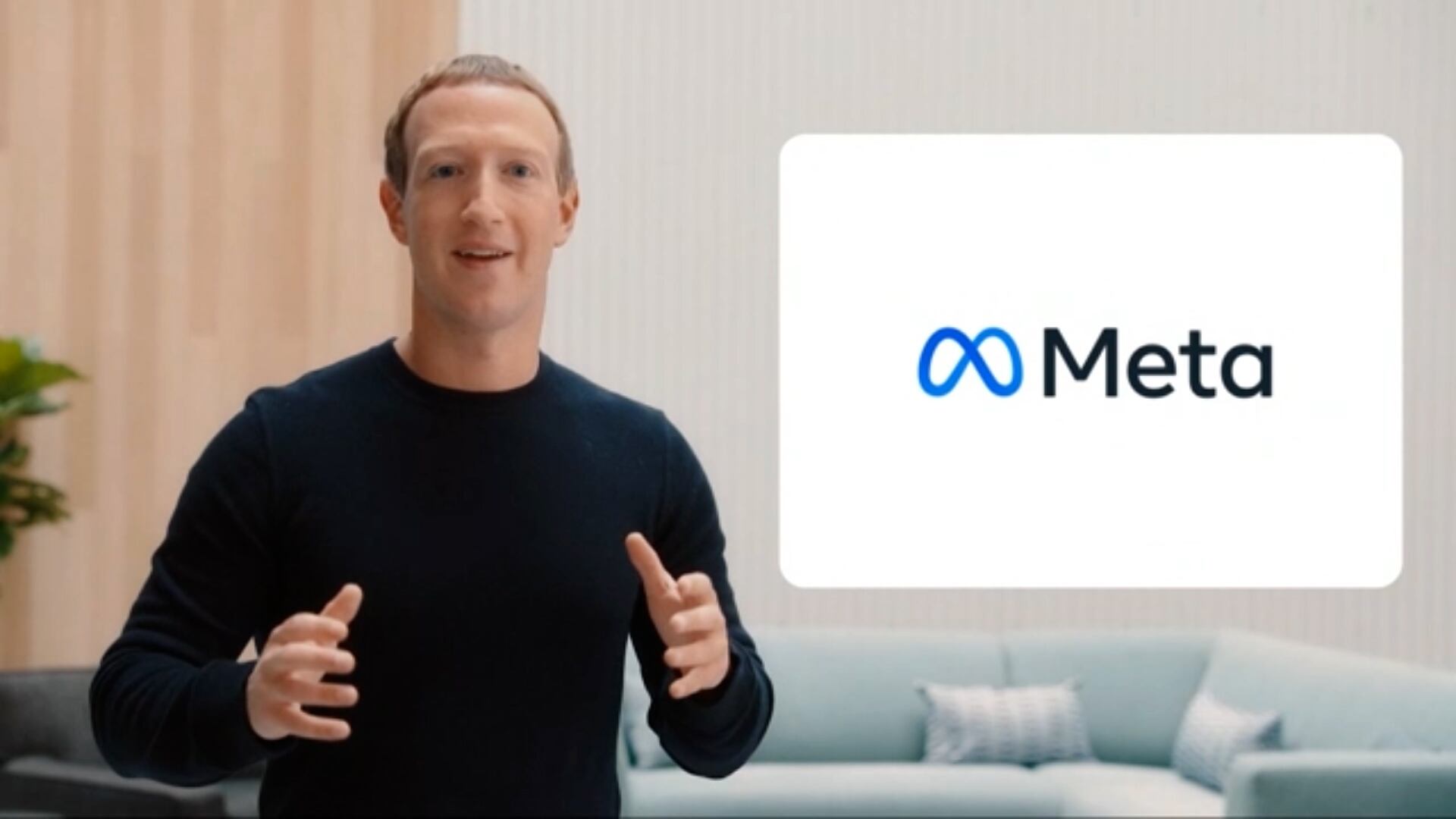
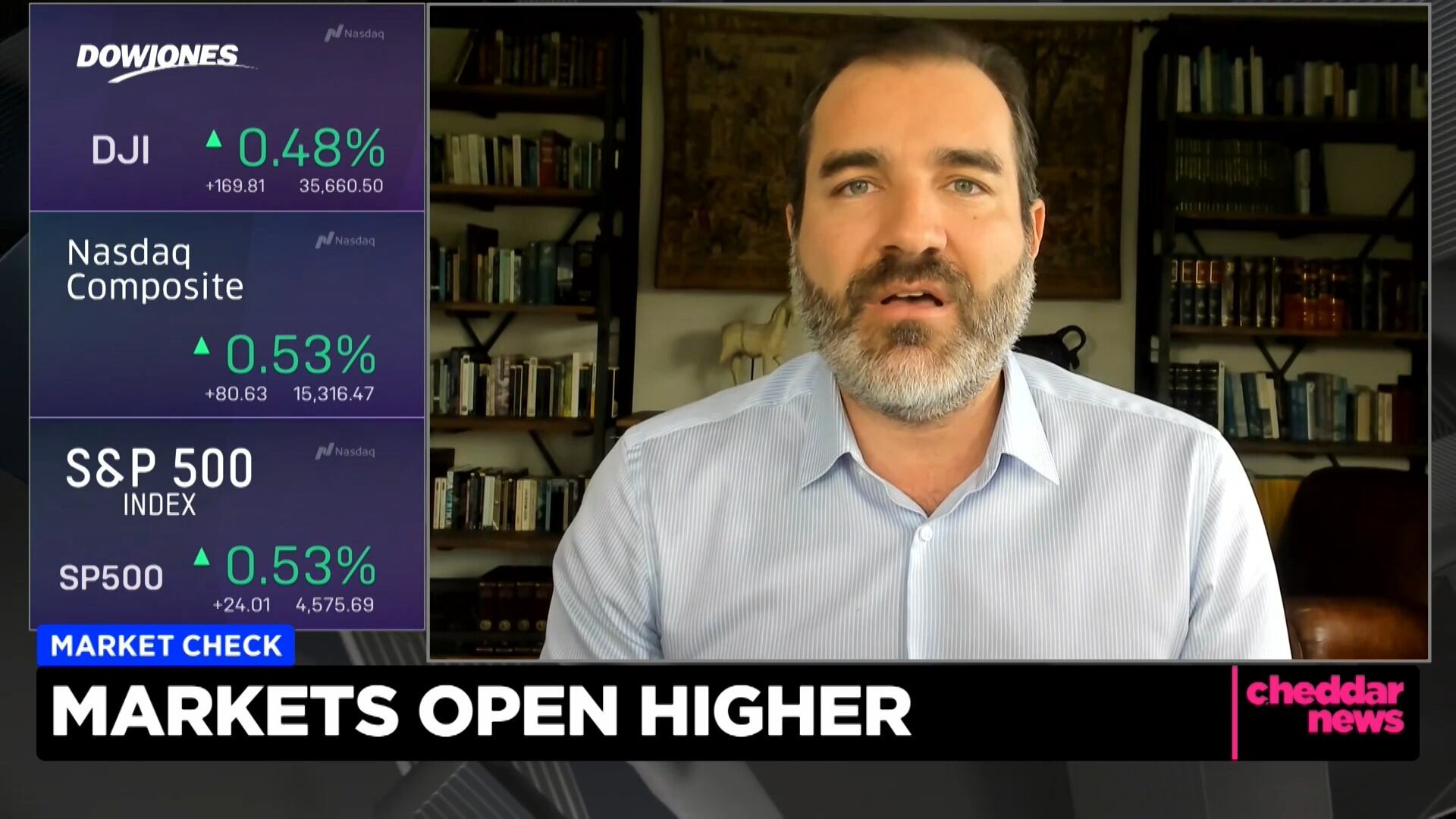
Facebook is changing its company name to Meta. The social media giant is rebranding itself to focus on building the metaverse, a futuristic, immersive experience that would allow people to interact virtually on a daily basis. Steve Sosnick, Interactive Brokers' Chief Strategist, joined Cheddar to discuss the implications of the metaverse and why Facebook is making the move now.
As the White House and Congressional leaders work towards finalizing the legislative framework of the Build Back Better budget deal, paid family leave, one of the hallmarks of President Joe Biden's Social Safety Net agenda, still stands in flux. Molly Day, Executive Director, Paid Leave for the U.S. joined Cheddar's Opening Bell to discuss why the finalization of this bill is imperative.
Gayle Jennings-O'Byrne, Co-Founder of WOCstar Fund, and Tracy Gray, Founder & Managing Partner of The 22 Fund, discuss the mission behind forming The Ally Capital Collab, and how investing in women-led startups can change the U.S. economy.
Rebecca Walser, President at Walser Wealth Management, talks about the strength in tech earnings and the major headwinds to impact markets before years end.
Mark Sebastian, CIO of Karman Line Capital & Founder of OptionPit.com, discusses the inflation headwinds impacting the market and how scrutiny over Facebook's practices could impact revenue for the social media giant going forward.