A woman uses her phone as she passes by the ByteDance headquarters in Beijing, China, on Friday, Aug. 7, 2020. The Chinese government is complicating the U.S.-government-ordered sale of U.S. TikTok assets. China on Friday, Aug. 28, 2020 introduced export restrictions on artificial intelligence technology, seemingly including the type that TikTok uses to choose which videos to spool up to its users. That means TikTok's Chinese owner, ByteDance, would have to obtain a license to export any restricted technologies to a foreign company. (AP Photo/Ng Han Guan)
By Tali Arbel and Zen Soo
The Chinese government is complicating the U.S.-government-ordered sale of U.S. TikTok assets.
China on Friday introduced export restrictions on artificial intelligence technology, seemingly including the type that TikTok uses to choose which videos to spool up to its users. That means TikTok's Chinese owner, ByteDance, would have to obtain a license to export any restricted technologies to a foreign company.
The Trump administration has threatened to ban TikTok by mid-September and ordered ByteDance to sell its U.S. business, claiming national-security risks due to that Chinese ownership. The government worries about user data being funneled to Chinese authorities. TikTok denies it is a national-security risk and is suing to stop the administration from the threatened ban.
Prospective buyers for U.S. TikTok assets include Microsoft and Walmart and, reportedly, Oracle. Oracle has declined to comment.
On Saturday, Chinese state-owned media outlet Xinhua News Agency quoted government trade adviser and professor Cui Fan, who said that Bytedance should consider whether it should halt negotiations to sell TikTok in the U.S.
"As with any cross-border transaction, we will follow the applicable laws, which in this case include those of the U.S. and China," said ByteDance General Counsel Erich Andersen.
The Chinese government's new restrictions may be a "tactic to drive up valuation" of TikTok, said RBC Capital Markets analyst Alex Zukin, who still expects a deal announcement "relatively soon." The Wall Street Journal reported last week that ByteDance is asking for $30 billion for the U.S. operations, but has faced resistance from bidders. The Journal said in a Sunday story that deal talks had "slowed."
Microsoft and Walmart declined to comment on Monday.
White House press secretary Kayleigh McEnany, during a White House briefing, did not directly answer whether the administration would accept a sale of U.S. assets of TikTok if the deal were subject to Chinese government approval. "Negotiations are ongoing on a sale of TikTok so we are not going to get in the way of those negotiations," she said.
—
Associated Press writer Kevin Freking contributed to this report from Washington.
Amid continued volatility due to COVID-19, high inflation, and changing consumer and business behavior, what are investors thinking as we close out the fourth quarter and look ahead to 2022? Hady Farag, Partner and Associate Director at Boston Consulting Group, joins Cheddar News' Closing Bell to discuss what investors are prioritizing, what risks they are watching out for, and more.
Don Basile, CEO, Monsoon Blockchain & Founder of Bitcoin Latinum, joins Cheddar News' Closing Bell, where he explains why we're seeing major crypto investors look to purchase expensive pieces of art, and discusses what the NFT space could look like in the not-too-distant future.
Jack Constantine, chief digital officer and product inventor at Lush, joined Cheddar to talk about the cosmetic company's mass exodus from major social media platforms TikTok, Facebook, Instagram, and Snapchat, in the wake of recent reports that Instagram specifically had negative impacts on teen girls. He noted that with teenage girls being a large part of its consumer base and audience, Lush had a responsibility to market its company on outlets that prioritize mental wellbeing. "For us, we've always been a social brand, and it started to feel that social media was no longer offering what we felt we wanted to gain from it," he said. "And then obviously when you add that to the damage that it's causing, it just feels like a combination that we can't continue on with." The company also pulled out of social media platforms in 2019.
Jon Lowen, Co-Founder of Surfside, joined Wake Up With Cheddar's Baker Machado to discuss Uber's partnership with cannabis retailer Tokyo Smoke, as it's the first time a cannabis merchant has been listed on UberEats across all of its global markets.
Financial Expert Jessica Weaver joined Cheddar's Jill Wagner to discuss some money-saving tips for Americans as inflation and supply chain issues herald the most expensive Thanksgiving meal yet.
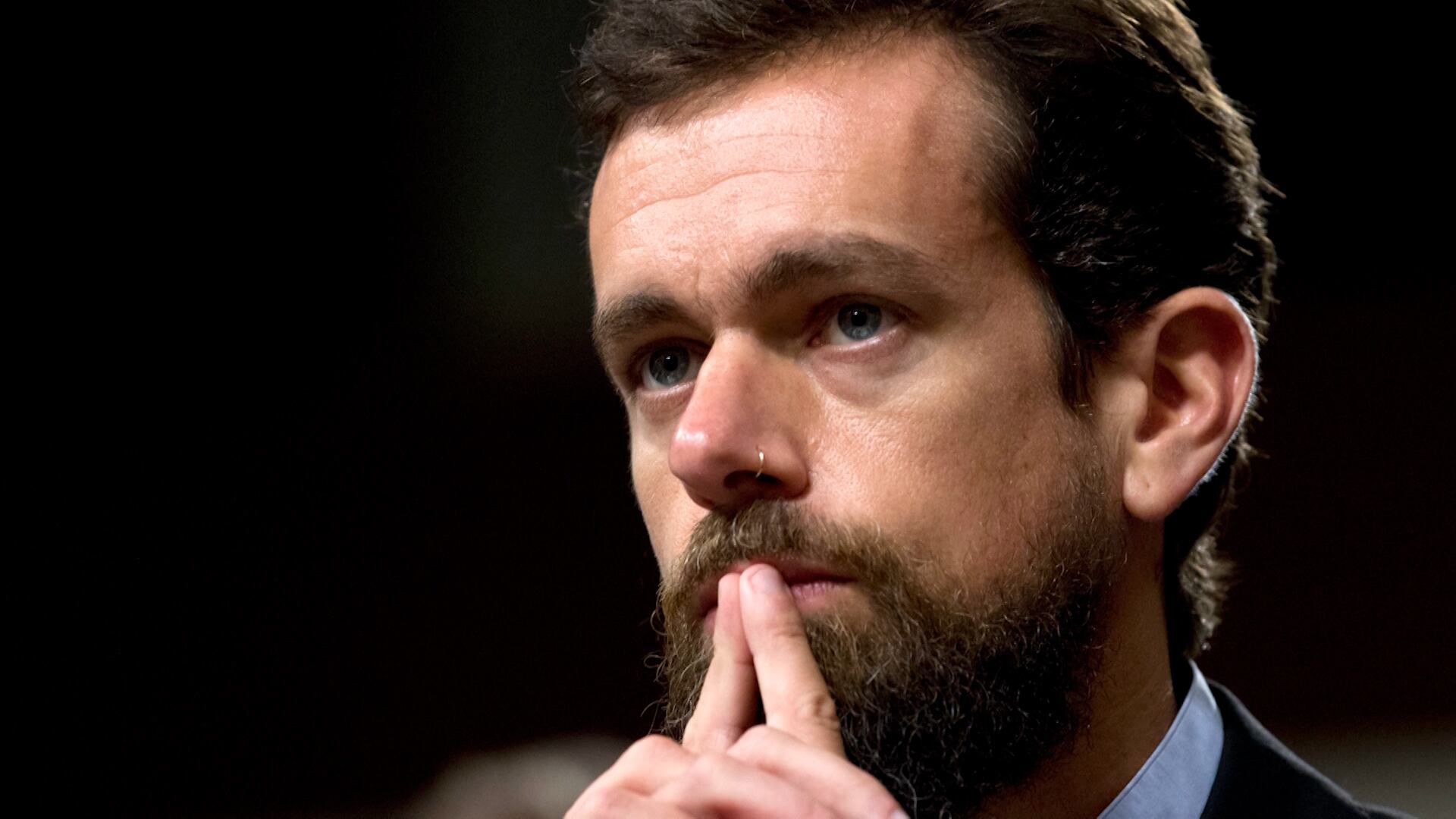
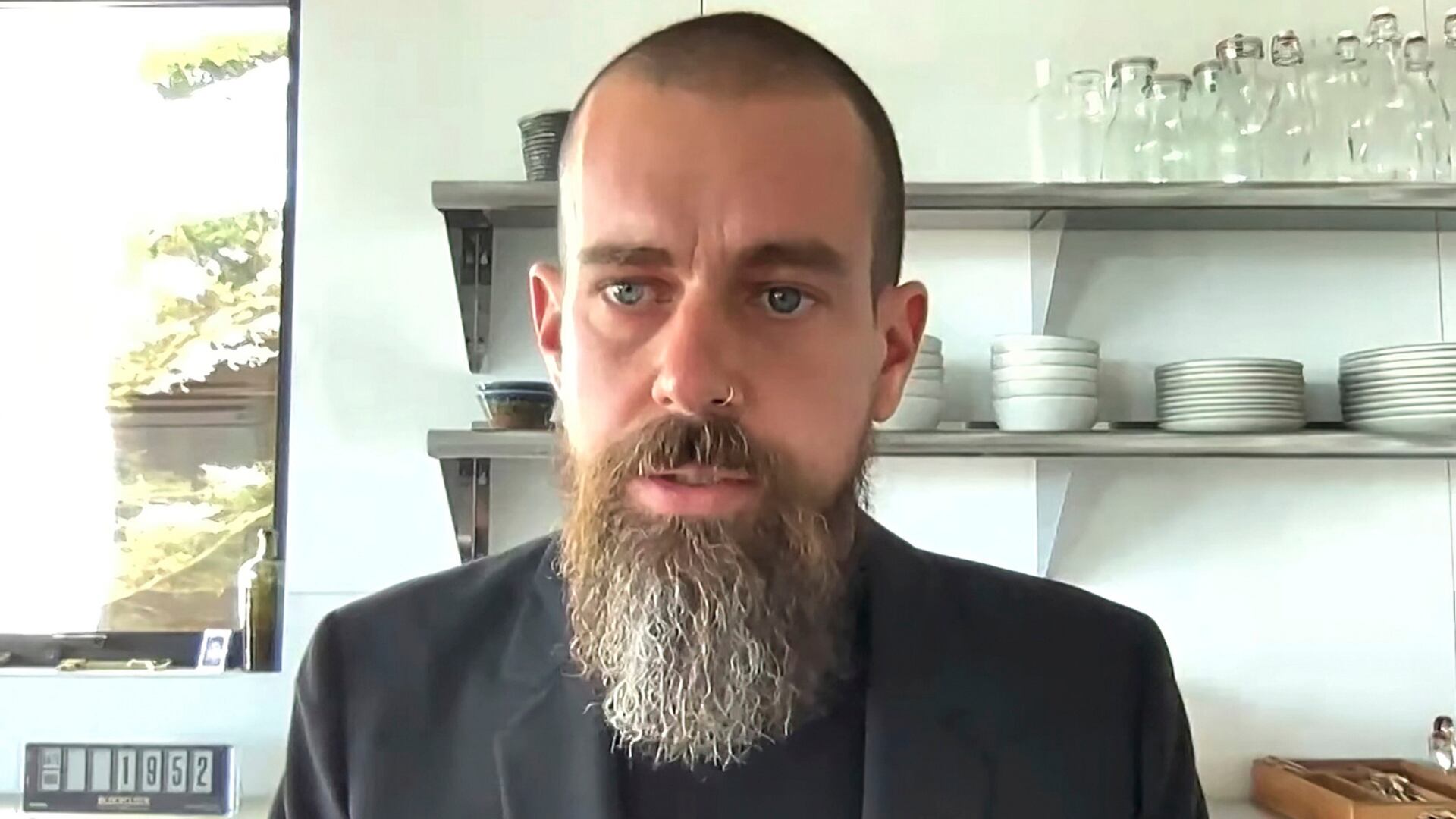
Jack Dorsey resigned from his post as CEO of the social media company on Monday and will be replaced by chief technology officer Parag Agrawal. Mitch Rubin, portfolio manager at RiverPark Long/Short Opportunity Fund, joined Cheddar to break down the move and what it means for investors in both Twitter and Square, the payment company that Dorsey also helms. "For the long-term, I think this is very positive news for both companies," he said. Rubin also talked about growing competition in the social media space and why Twitter continues to lag behind other major players.
Friday saw big sell offs, with the Dow Jones posting its worst day since October 2020, falling 905 points, with the Nasdaq and S&P 500 each tumbling more than two percent as well. Much of that due to investor concerns over the new Covid-19 'Omicron' variant first detected in South Africa. Craig Erlam, senior market analyst at Oanda explains what investors should expect this week.
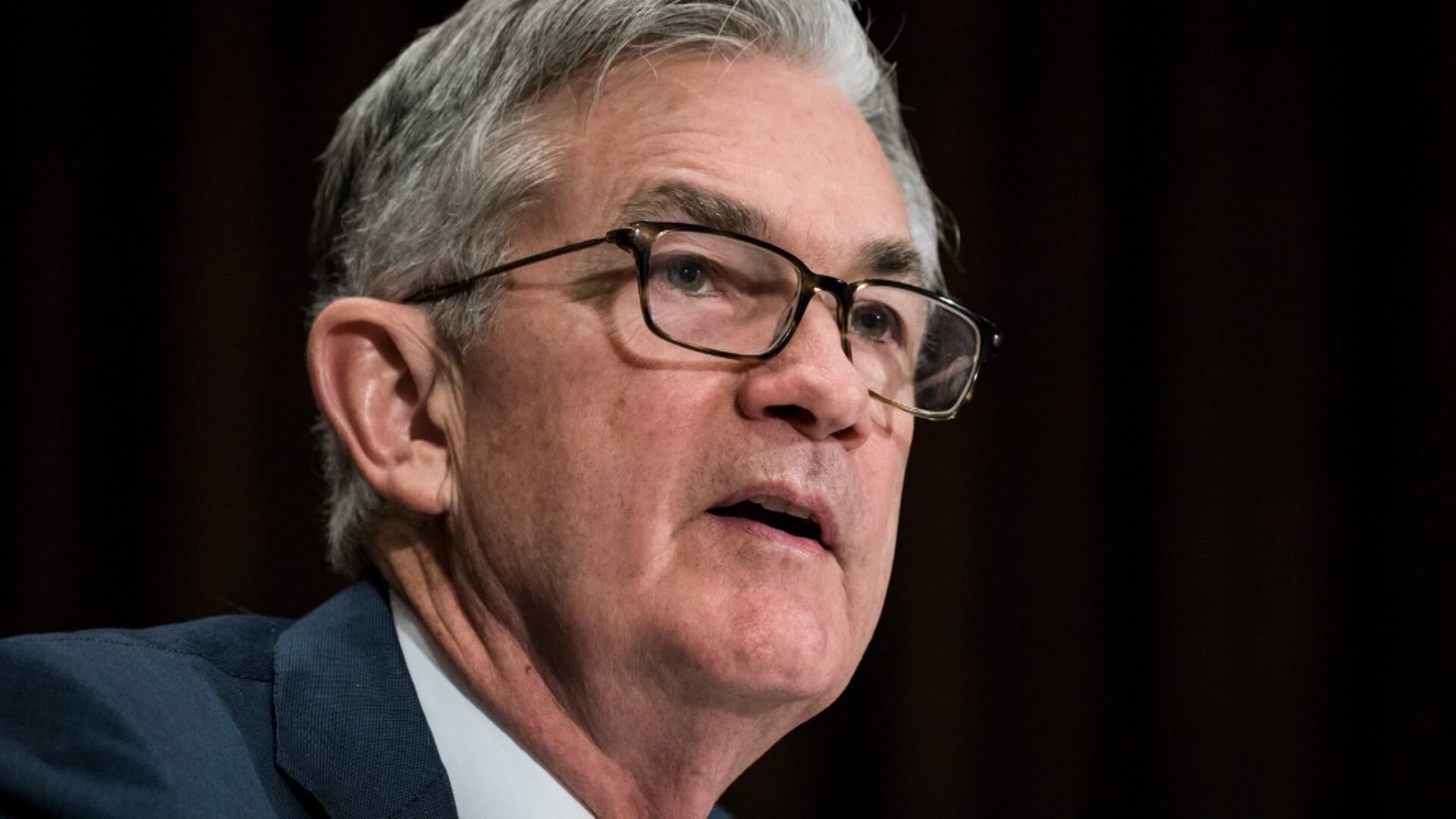
Earlier in the week, we saw President Biden nominate Jerome Powell to serve as Fed chair for another four-year term in the midst of the country’s struggles with covid, inflation, and supply unrest. Claudia Sahm, senior fellow at the Jain Family Institute and former Federal Reserve and White House economist explains why the markets saw a boost following the nomination.
Despite concerns over inflation, worker shortages, and global supply chain issues, retailers saw a surge in shoppers in October. Major retailers have also reported strong quarterly earnings ahead of the holiday shopping season as businesses have continued to bounce back from pandemic sale slumps. David Swartz, Consumer Equity Research analyst at Morningstar Research Services explains why consumers are still flocking to stores despite a rise in some prices.
Jack Dorsey is officially out as Twitter's CEO. Dorsey said in a statement that the platform is ready to move away from its founders and now will be led by current CTO Parag Agrawal.