A woman uses her phone as she passes by the ByteDance headquarters in Beijing, China, on Friday, Aug. 7, 2020. The Chinese government is complicating the U.S.-government-ordered sale of U.S. TikTok assets. China on Friday, Aug. 28, 2020 introduced export restrictions on artificial intelligence technology, seemingly including the type that TikTok uses to choose which videos to spool up to its users. That means TikTok's Chinese owner, ByteDance, would have to obtain a license to export any restricted technologies to a foreign company. (AP Photo/Ng Han Guan)
By Tali Arbel and Zen Soo
The Chinese government is complicating the U.S.-government-ordered sale of U.S. TikTok assets.
China on Friday introduced export restrictions on artificial intelligence technology, seemingly including the type that TikTok uses to choose which videos to spool up to its users. That means TikTok's Chinese owner, ByteDance, would have to obtain a license to export any restricted technologies to a foreign company.
The Trump administration has threatened to ban TikTok by mid-September and ordered ByteDance to sell its U.S. business, claiming national-security risks due to that Chinese ownership. The government worries about user data being funneled to Chinese authorities. TikTok denies it is a national-security risk and is suing to stop the administration from the threatened ban.
Prospective buyers for U.S. TikTok assets include Microsoft and Walmart and, reportedly, Oracle. Oracle has declined to comment.
On Saturday, Chinese state-owned media outlet Xinhua News Agency quoted government trade adviser and professor Cui Fan, who said that Bytedance should consider whether it should halt negotiations to sell TikTok in the U.S.
"As with any cross-border transaction, we will follow the applicable laws, which in this case include those of the U.S. and China," said ByteDance General Counsel Erich Andersen.
The Chinese government's new restrictions may be a "tactic to drive up valuation" of TikTok, said RBC Capital Markets analyst Alex Zukin, who still expects a deal announcement "relatively soon." The Wall Street Journal reported last week that ByteDance is asking for $30 billion for the U.S. operations, but has faced resistance from bidders. The Journal said in a Sunday story that deal talks had "slowed."
Microsoft and Walmart declined to comment on Monday.
White House press secretary Kayleigh McEnany, during a White House briefing, did not directly answer whether the administration would accept a sale of U.S. assets of TikTok if the deal were subject to Chinese government approval. "Negotiations are ongoing on a sale of TikTok so we are not going to get in the way of those negotiations," she said.
—
Associated Press writer Kevin Freking contributed to this report from Washington.
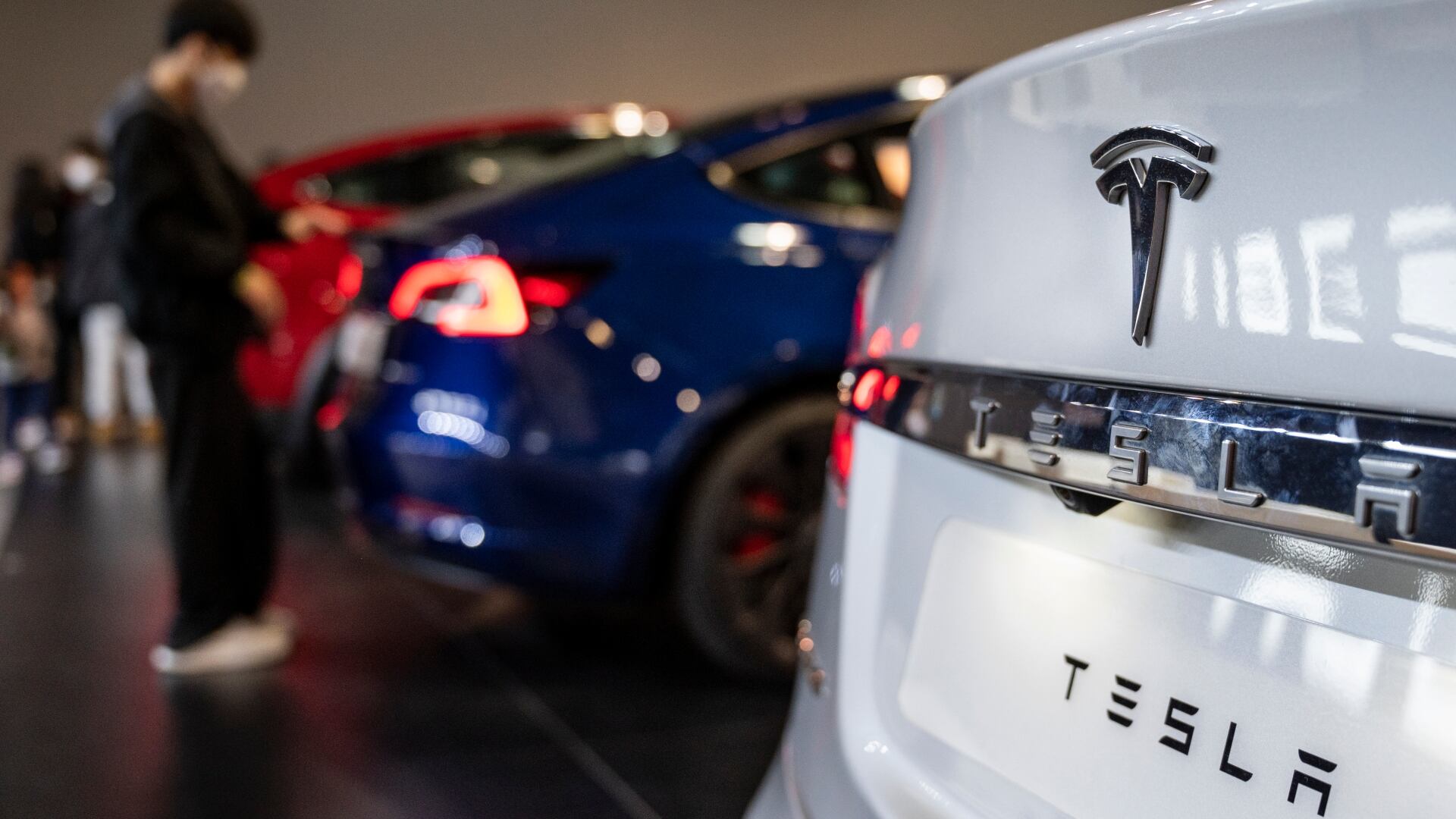
The National Highway Traffic Safety Administration has opened a formal investigation into Tesla. The agency is looking into about 580,000 Tesla vehicles, and a feature called 'Passenger Play' which allows drivers to play video games on the center touch screen. The feature previously only worked when a vehicle was in park; but, the NHTSA says it has confirmed that the feature has been available while vehicles are in motion since December of 2020. iSeeCars.com executive analyst Karl Brauer joins Cheddar News' Closing Bell to discuss.
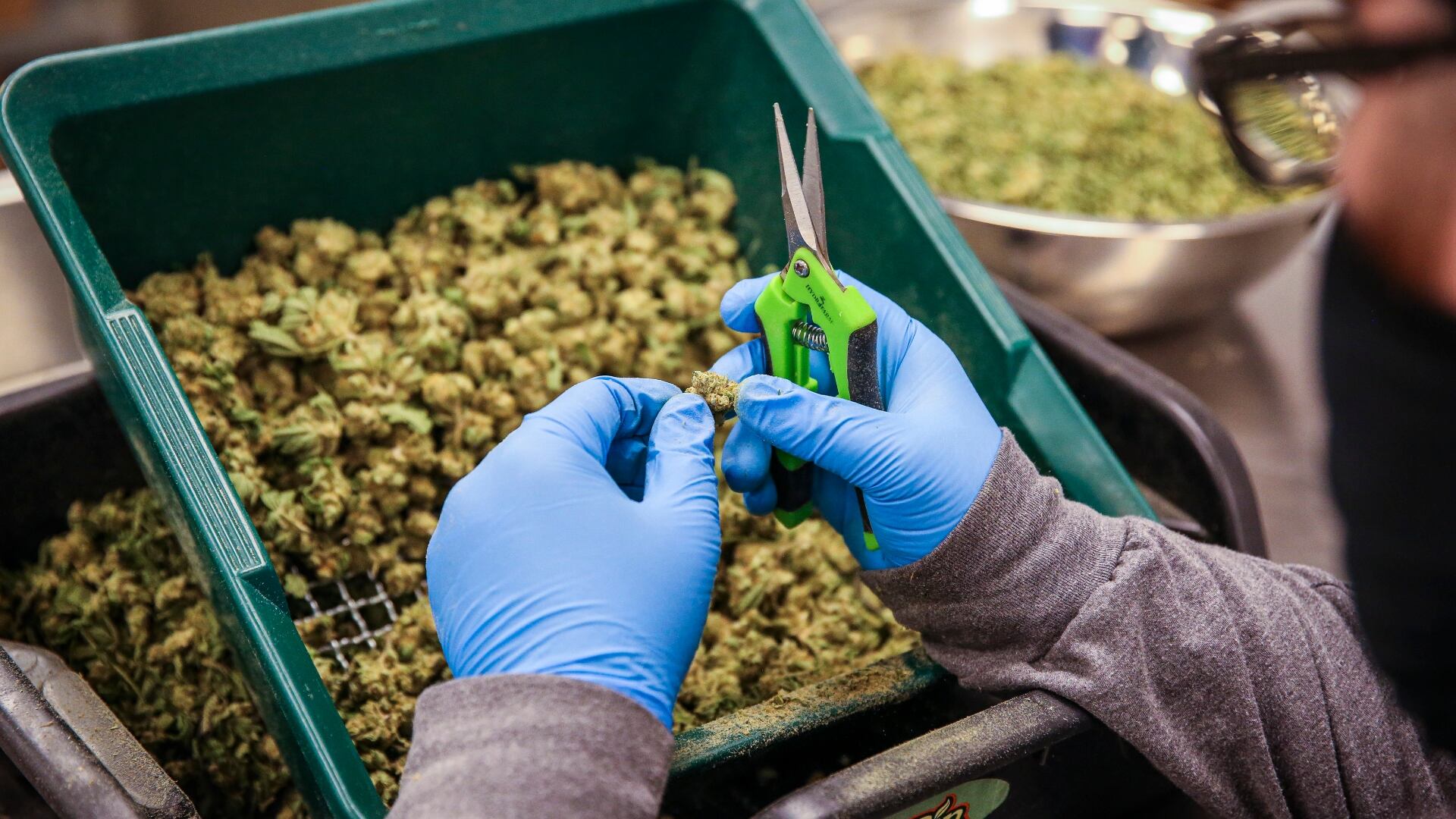
Baron Davis and Kate Hudson want you to bring cannabis home for the holidays. The cannabis-infused seltzer brand Cann released a new spot featuring the actress and former NBA player. The campaign comes hand in hand with Cann's launch of a new holiday bundle, which includes its product with Hudson's King Street Vodka. Davis and Hudson are also Cann investors. Cheddar cannabis reporter Chloe Aiello spoke to Davis about his involvement with the company and its new campaign.
Healthcare workforce management platform ShiftMed
recently announced a $45 million funding round.
The company's platform connects nurses and healthcare professionals to hospitals and other healthcare providers.
ShiftMed's new funding comes amid widespread labor shortages in the healthcare sector. The company's CEO Todd Walrath joins Cheddar News' Closing Bell to discuss.
The S&P closed at a record at the major markets ended Thursday's session higher for a third straight day. Adam Coons, Portfolio Manager at Winthrop Capital Management, joins Cheddar News' Closing Bell, where he discusses what has investors feeling jolly before Christmas, and gifts investors with winning buying opportunities entering 2022.
Jeanenne Tornatore, travel expert, media personality, content creator, and former Orbitz senior editor, joins Cheddar News' Closing Bell, where she runs through items flyers should be mindful of this holiday season as the omicron coronavirus variant continues to spread.
With only two days left until Christmas, last-minute shoppers are facing major issues caused by supply chain shortages and the rising omicron variant. Kristen Gall, president of Rakuten Rewards, joins Cheddar News to discuss.
Supply chain issues have become one of the biggest roadblocks for the U.S. EV market, with production woes likely to stunt the industry's growth in 2022. Rich Steinberg, electric vehicle expert and industry advisor, told Cheddar that the Biden administration investing in domestic mining for essential minerals used in battery manufacturing — such as lithium — could help alleviate the bottlenecks. "Some of those same materials are available domestically, they just haven't been prioritized," he said, noting the paradox between green tech and "dirty" mining. "The good news is that there are ways to extract those materials cleanly."
California-based startup Indi EV is gearing up to release its first crossover vehicle incorporating a supercomputer that will allow, among other things, gaming. Andre Hudson, head of design at Indi EV, joined Cheddar to talk about the launch of the Indi One and how the company is distinguishing itself from leaders in the EV space like Tesla. He also talked about the tech behind the Indi One and noted that the car's computer system will enable people to run applications and even create their own. "As a company, we fundamentally saw a major disconnect between how people transition into their cars using the digital devices in their life," Hudson said