A woman uses her phone as she passes by the ByteDance headquarters in Beijing, China, on Friday, Aug. 7, 2020. The Chinese government is complicating the U.S.-government-ordered sale of U.S. TikTok assets. China on Friday, Aug. 28, 2020 introduced export restrictions on artificial intelligence technology, seemingly including the type that TikTok uses to choose which videos to spool up to its users. That means TikTok's Chinese owner, ByteDance, would have to obtain a license to export any restricted technologies to a foreign company. (AP Photo/Ng Han Guan)
By Tali Arbel and Zen Soo
The Chinese government is complicating the U.S.-government-ordered sale of U.S. TikTok assets.
China on Friday introduced export restrictions on artificial intelligence technology, seemingly including the type that TikTok uses to choose which videos to spool up to its users. That means TikTok's Chinese owner, ByteDance, would have to obtain a license to export any restricted technologies to a foreign company.
The Trump administration has threatened to ban TikTok by mid-September and ordered ByteDance to sell its U.S. business, claiming national-security risks due to that Chinese ownership. The government worries about user data being funneled to Chinese authorities. TikTok denies it is a national-security risk and is suing to stop the administration from the threatened ban.
Prospective buyers for U.S. TikTok assets include Microsoft and Walmart and, reportedly, Oracle. Oracle has declined to comment.
On Saturday, Chinese state-owned media outlet Xinhua News Agency quoted government trade adviser and professor Cui Fan, who said that Bytedance should consider whether it should halt negotiations to sell TikTok in the U.S.
"As with any cross-border transaction, we will follow the applicable laws, which in this case include those of the U.S. and China," said ByteDance General Counsel Erich Andersen.
The Chinese government's new restrictions may be a "tactic to drive up valuation" of TikTok, said RBC Capital Markets analyst Alex Zukin, who still expects a deal announcement "relatively soon." The Wall Street Journal reported last week that ByteDance is asking for $30 billion for the U.S. operations, but has faced resistance from bidders. The Journal said in a Sunday story that deal talks had "slowed."
Microsoft and Walmart declined to comment on Monday.
White House press secretary Kayleigh McEnany, during a White House briefing, did not directly answer whether the administration would accept a sale of U.S. assets of TikTok if the deal were subject to Chinese government approval. "Negotiations are ongoing on a sale of TikTok so we are not going to get in the way of those negotiations," she said.
—
Associated Press writer Kevin Freking contributed to this report from Washington.
Stocks closed lower on the last trading day of 2021, but all three major indexes ended the year with double-digit growth. The S&P 500, in particular, marked its third straight positive year. What's in store for 2022 amid the Federal Reserve's plans to speed up asset tapering and raise interest rates, and how could COVID-19 continue to impact stocks? Steve Sosnick, Chief Strategist at Interactive Brokers, joins Cheddar News' Closing Bell to discuss movement on the last trading day of 2021, market predictions for 2022, and more.
As the pandemic continues to evolve, and cases of the omicron variant increase, how will this impact economic growth and movement in the new year? Consumer behavior continues to shift, labor issues linger, and questions about whether the pandemic will eventually become endemic are on economists' minds as we enter 2022. Jason Ware, Economist & Chief Investment Officer at Albion Financial Group, joins Cheddar News' Closing Bell to discuss.
Mike Draper, Founder and Owner of Raygun, joins Cheddar News' Closing Bell, where he discusses how increases to the minimum wage in several states next year will help his company and explains why he advocates for it nationally.
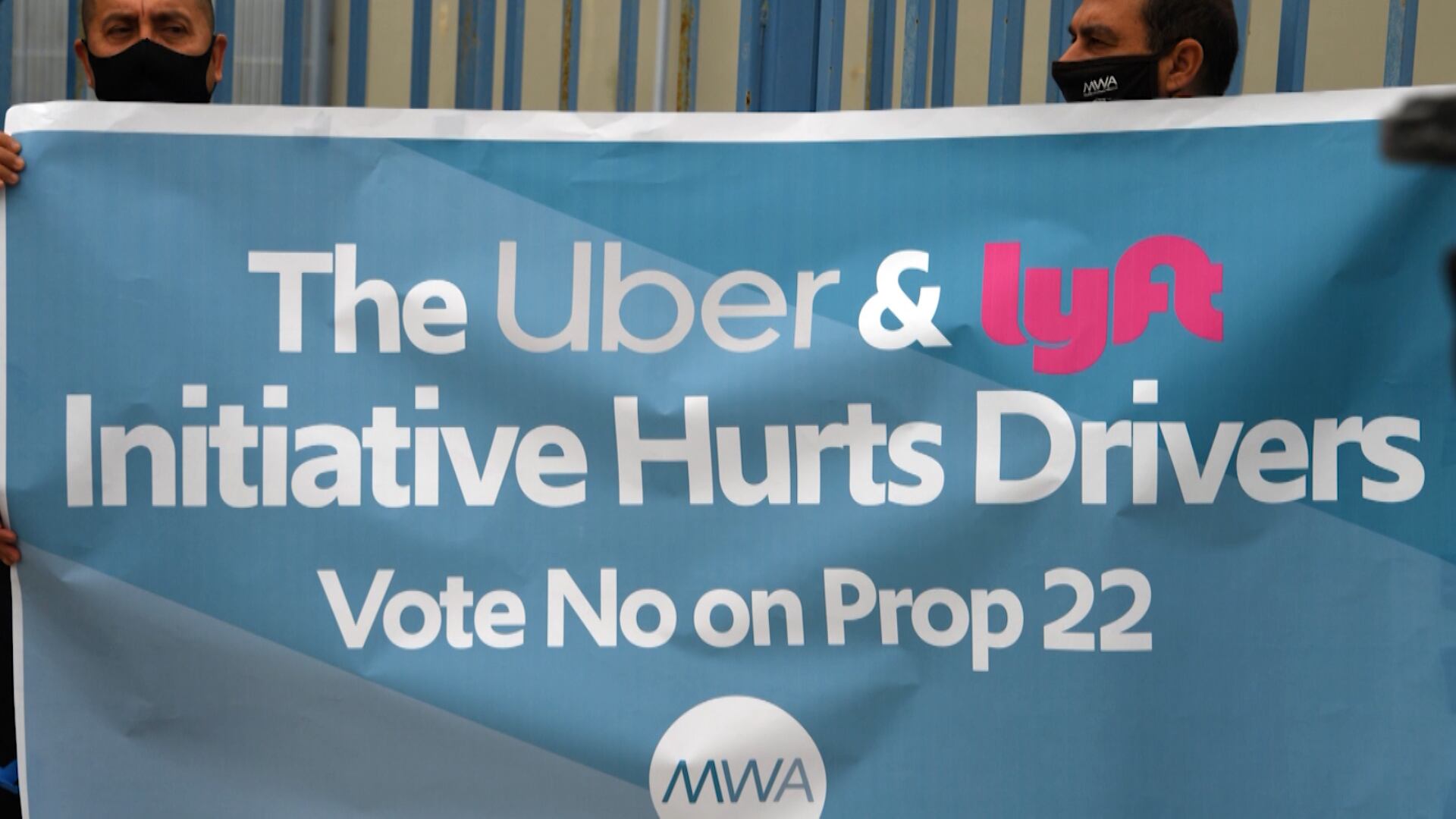
The push to regulate the gig worker economy is gaining steam as the share of workers who participate in freelancing through businesses like Uber and Lyft have also exponentially grown during the pandemic. Employment attorney Mark Kluger, founding partner at Kluger Healey, LLC, joined Cheddar to break down how the battle to reclassify gig workers will continue in the new year, and why the issue continues to generate conflict. "More and more workers are using gig work as their primary source of income and as a result of that they are not like employees in the sense that they don't have benefits like health insurance," Kluger noted.
Renewable energy company Heliogen has gone public via a SPAC merger with blank check company Athena Technology Acquisition Corp. on the NYSE. Joining Cheddar, founder and CEO Bill Gross went into why he felt the end of 2021 was the best time to get into the public markets. "If you think of the Industrial Revolution and the digital revolution, this renewable revolution is probably going to be as big or larger than that," he said. "So we're going to use this capital to scale our business, to meet more customer demand, to do more projects in parallel, and to scale our research and development to continue to drive down the price to be competitive with fossil fuels."
Carl "The Moon" Runefelt, a Bitcoin investment expert, recently made a hefty purchase of a $2 million Bugatti sports car at a Dubai dealership. The Swedish crypto evangelist joined Cheddar to talk about how he made the big acquisition of a luxury item he had long had his eye on and why he chose the dealership, The Car Vault, to make the unprecedented transaction. "They accepted crypto directly, and that was important to me," he said. "I am not going to go to any car dealership that don't accept crypto, and that's kind of a principle I have today."
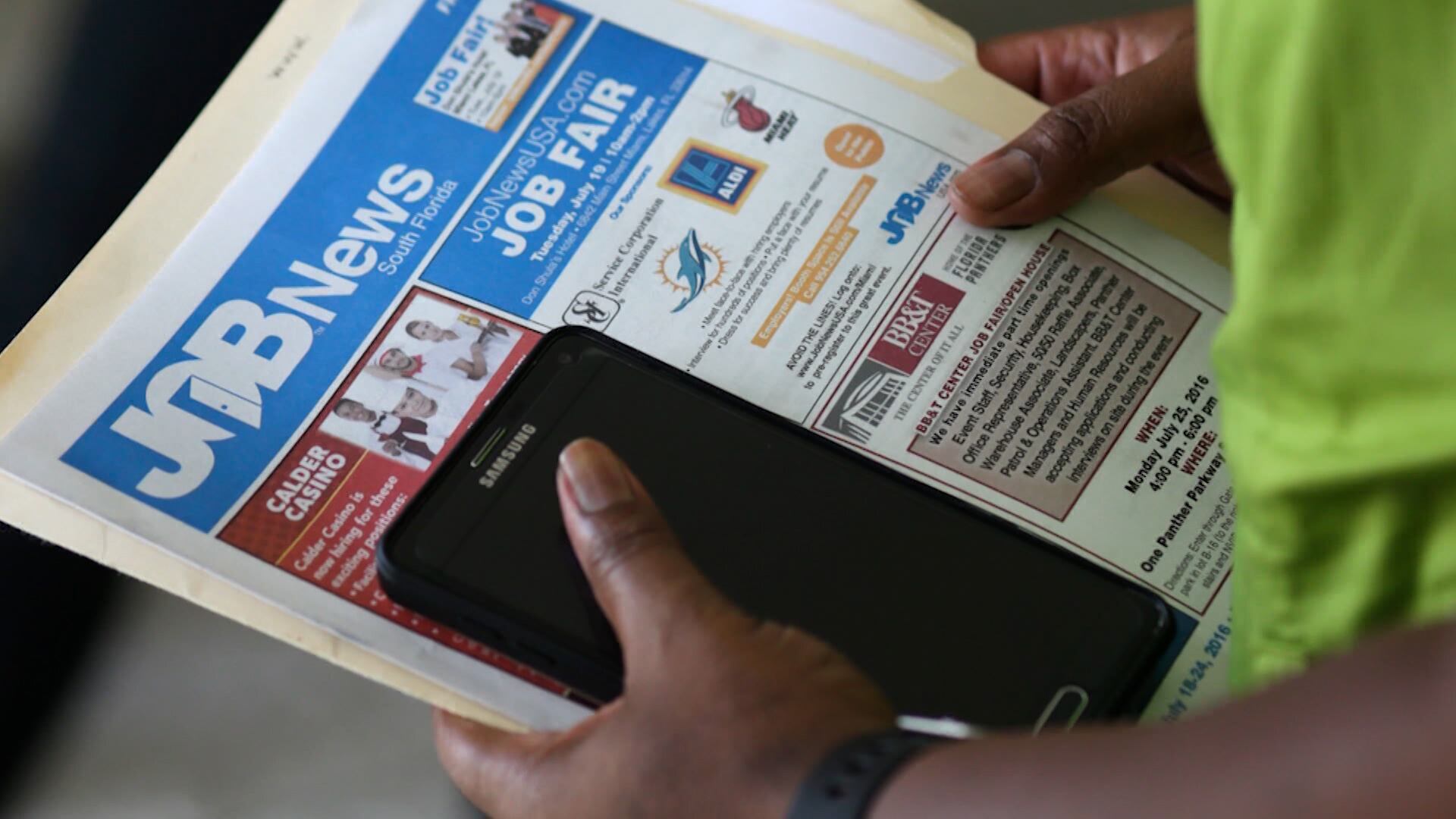
Marjorie Mesidor, Partner at Phillips & Associates, joined Wake Up With Cheddar to break down the latest trends in the job market, as the demand for labor has recovered, but as the number of people willing to fill positions remains relatively low.
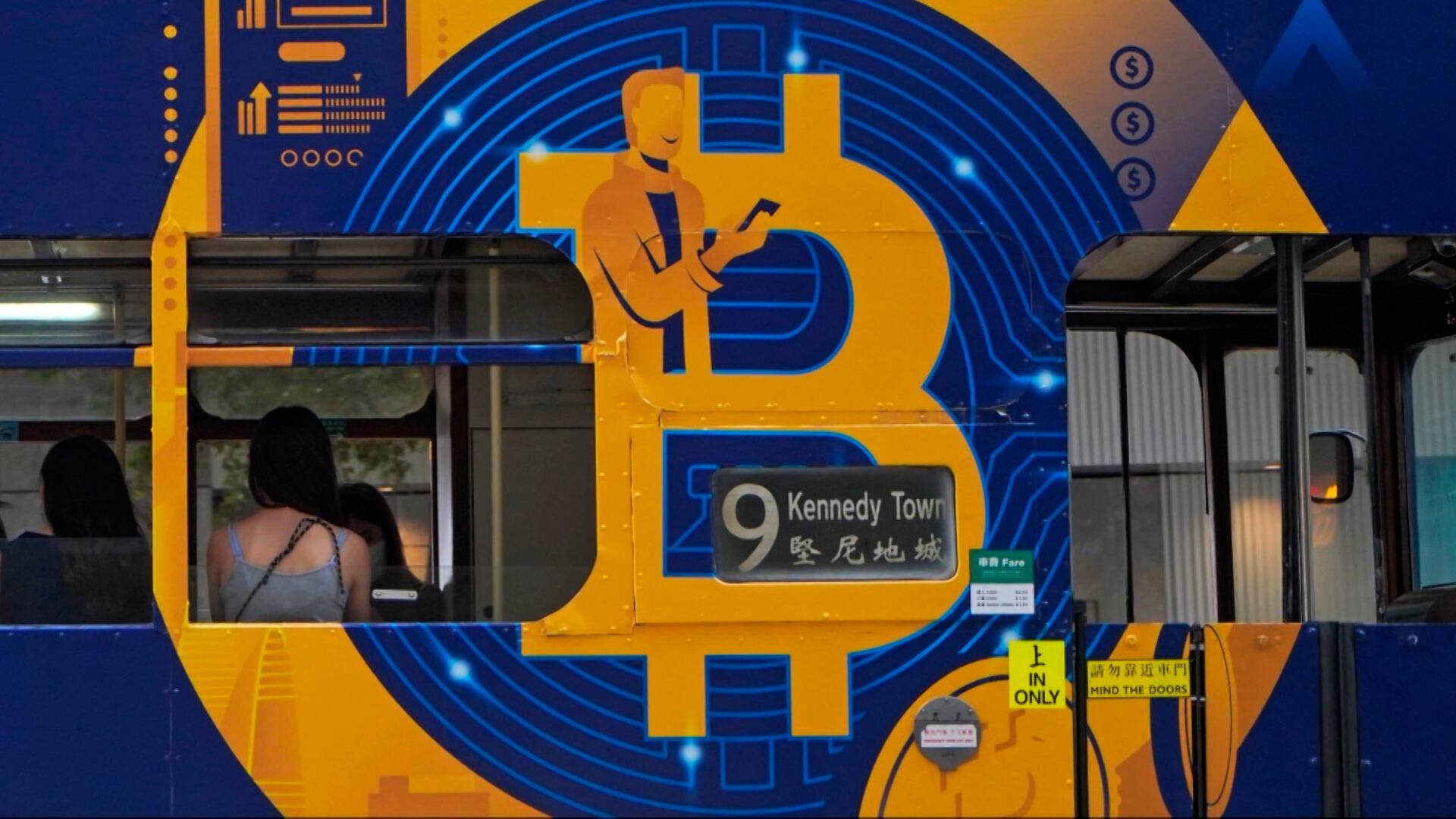
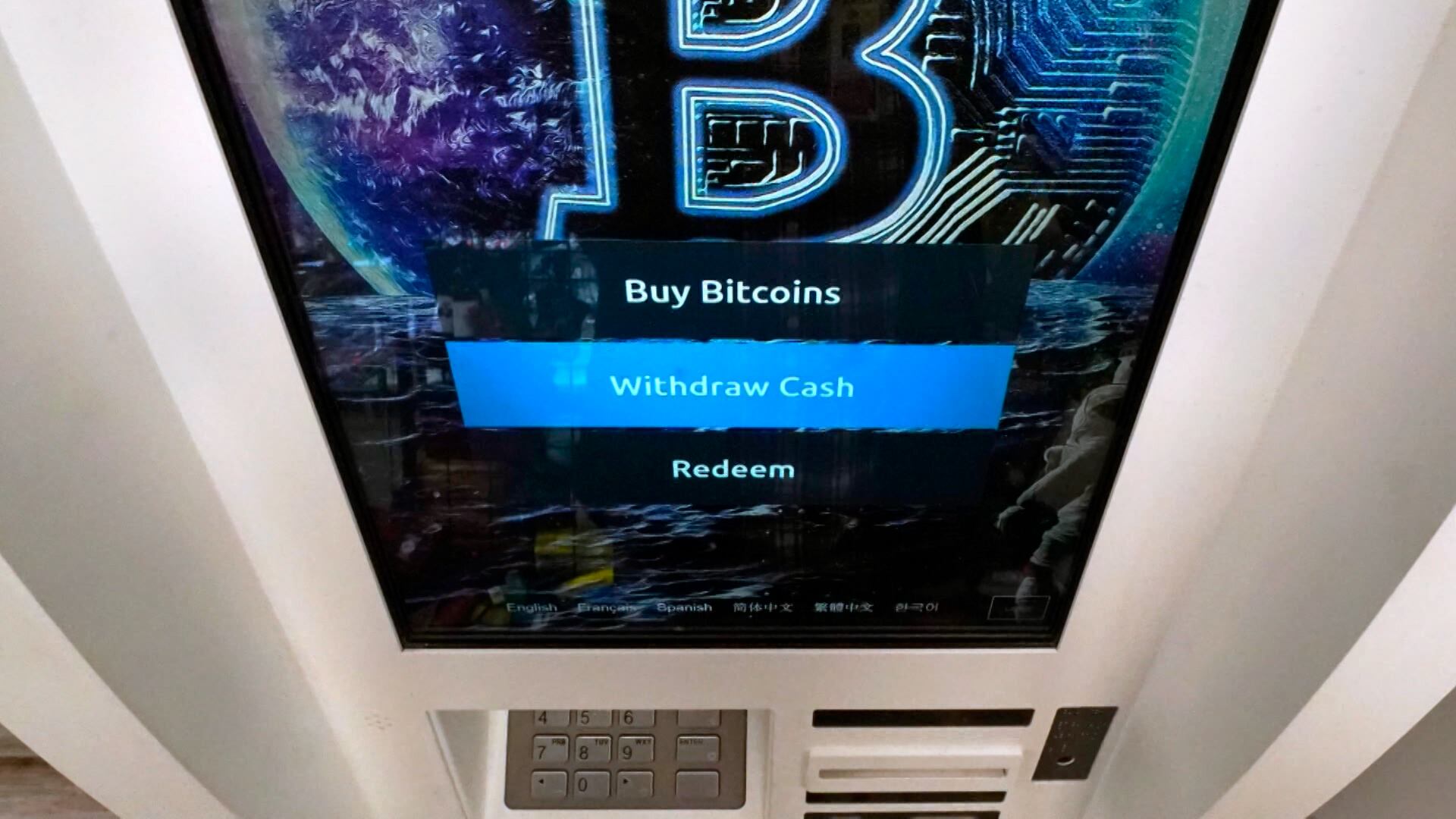
2021 proved that crypto currency is here to stay. This year saw more and more adoptions of crypto, from top athletes looking to be paid in bitcoin, to Elon Musk even experimenting with bitcoin and dogecoin payments for a bit over at Tesla. And it wasn't all bitcoin either - other cryptos like Cardano and Solana saw some action in 2021 as well. Patrick McConlogue, CEO of Overline and former Citadel Investment Group Engineer explains why 2021 was such a good year for crypto, and what to expect in 2022.