A woman uses her phone as she passes by the ByteDance headquarters in Beijing, China, on Friday, Aug. 7, 2020. The Chinese government is complicating the U.S.-government-ordered sale of U.S. TikTok assets. China on Friday, Aug. 28, 2020 introduced export restrictions on artificial intelligence technology, seemingly including the type that TikTok uses to choose which videos to spool up to its users. That means TikTok's Chinese owner, ByteDance, would have to obtain a license to export any restricted technologies to a foreign company. (AP Photo/Ng Han Guan)
By Tali Arbel and Zen Soo
The Chinese government is complicating the U.S.-government-ordered sale of U.S. TikTok assets.
China on Friday introduced export restrictions on artificial intelligence technology, seemingly including the type that TikTok uses to choose which videos to spool up to its users. That means TikTok's Chinese owner, ByteDance, would have to obtain a license to export any restricted technologies to a foreign company.
The Trump administration has threatened to ban TikTok by mid-September and ordered ByteDance to sell its U.S. business, claiming national-security risks due to that Chinese ownership. The government worries about user data being funneled to Chinese authorities. TikTok denies it is a national-security risk and is suing to stop the administration from the threatened ban.
Prospective buyers for U.S. TikTok assets include Microsoft and Walmart and, reportedly, Oracle. Oracle has declined to comment.
On Saturday, Chinese state-owned media outlet Xinhua News Agency quoted government trade adviser and professor Cui Fan, who said that Bytedance should consider whether it should halt negotiations to sell TikTok in the U.S.
"As with any cross-border transaction, we will follow the applicable laws, which in this case include those of the U.S. and China," said ByteDance General Counsel Erich Andersen.
The Chinese government's new restrictions may be a "tactic to drive up valuation" of TikTok, said RBC Capital Markets analyst Alex Zukin, who still expects a deal announcement "relatively soon." The Wall Street Journal reported last week that ByteDance is asking for $30 billion for the U.S. operations, but has faced resistance from bidders. The Journal said in a Sunday story that deal talks had "slowed."
Microsoft and Walmart declined to comment on Monday.
White House press secretary Kayleigh McEnany, during a White House briefing, did not directly answer whether the administration would accept a sale of U.S. assets of TikTok if the deal were subject to Chinese government approval. "Negotiations are ongoing on a sale of TikTok so we are not going to get in the way of those negotiations," she said.
—
Associated Press writer Kevin Freking contributed to this report from Washington.
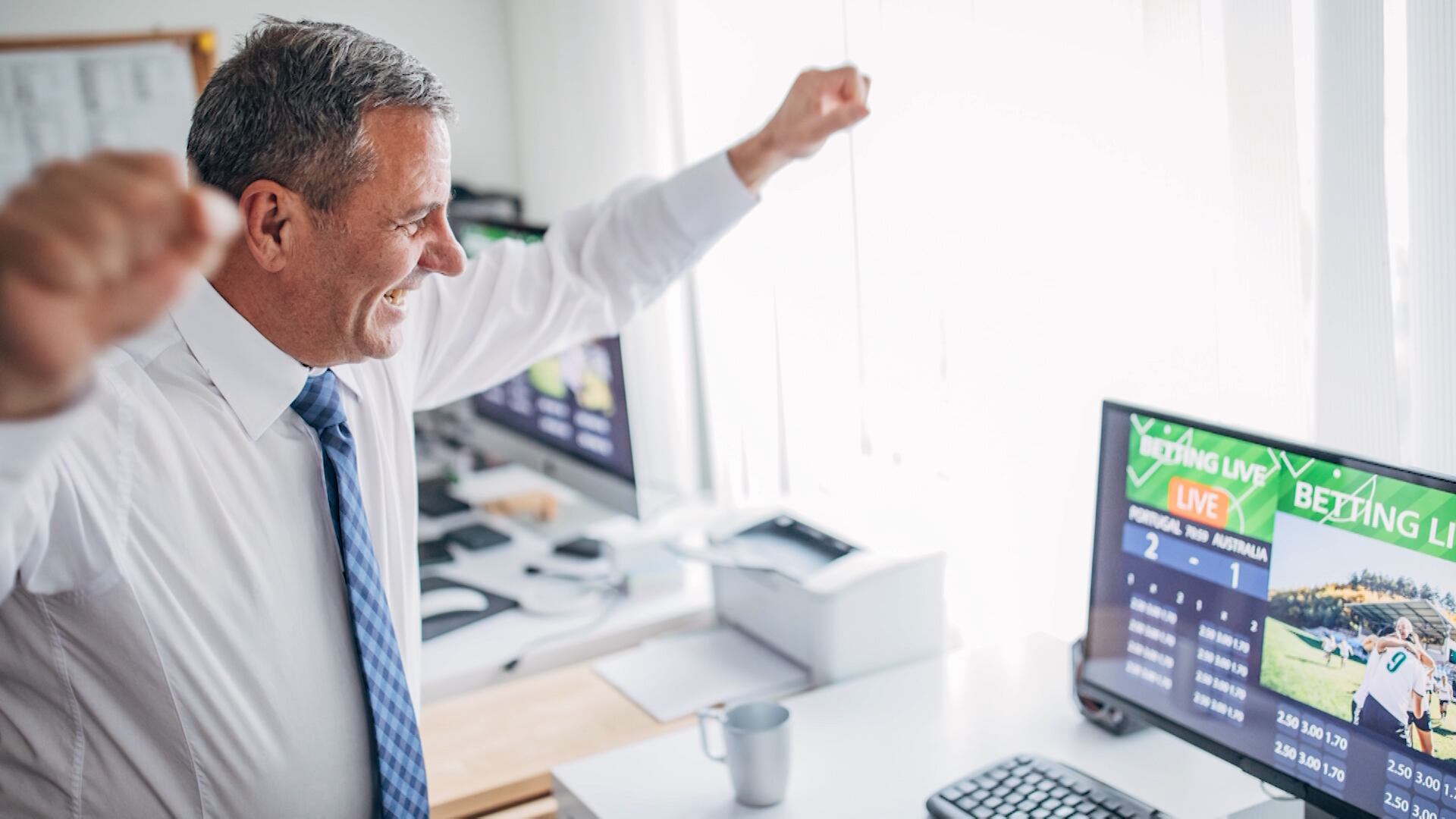
Sports betting is going mainstream in the United States. Dozens of states have legalized it, California is set to do the same this year. Arizona, which legalized sports betting in September, set new national records for gambling in its first months. Daniel Graetzer, CEO of Maximbet, joins Cheddar News to discuss what's next for the booming industry.
A new report from ProPublica and the Washington Post found that Facebook Groups played a major role in the spread of misinformation linked to the January 6 insurrection with more than 650,000 posts claiming that Joe Biden's election victory was illegitimate.
Ford is accelerating production of its highly anticipated electric F-150 Lightning with an expectation to pump out 150,000 vehicles annually to meet surging demand. Kumar Galhotra, Ford president of the Americas and international markets group, joined Cheddar to detail the plan to get more customers behind the wheel and to become the top of the competition in the electric vehicle space. "Within the next 24 months, we will have capacity, globally, to deliver 600,000 battery-electric vehicles per year," he said.
CES, the largest tech convention in the world, kicks off this Wednesday ending on Friday, one day earlier than originally planned. The annual event features more than 2,000 exhibitors showing off their latest tech products in Las Vegas. Richard Lawler, Senior News Editor, The Verge joined Wake Up with Cheddar to preview the large event.
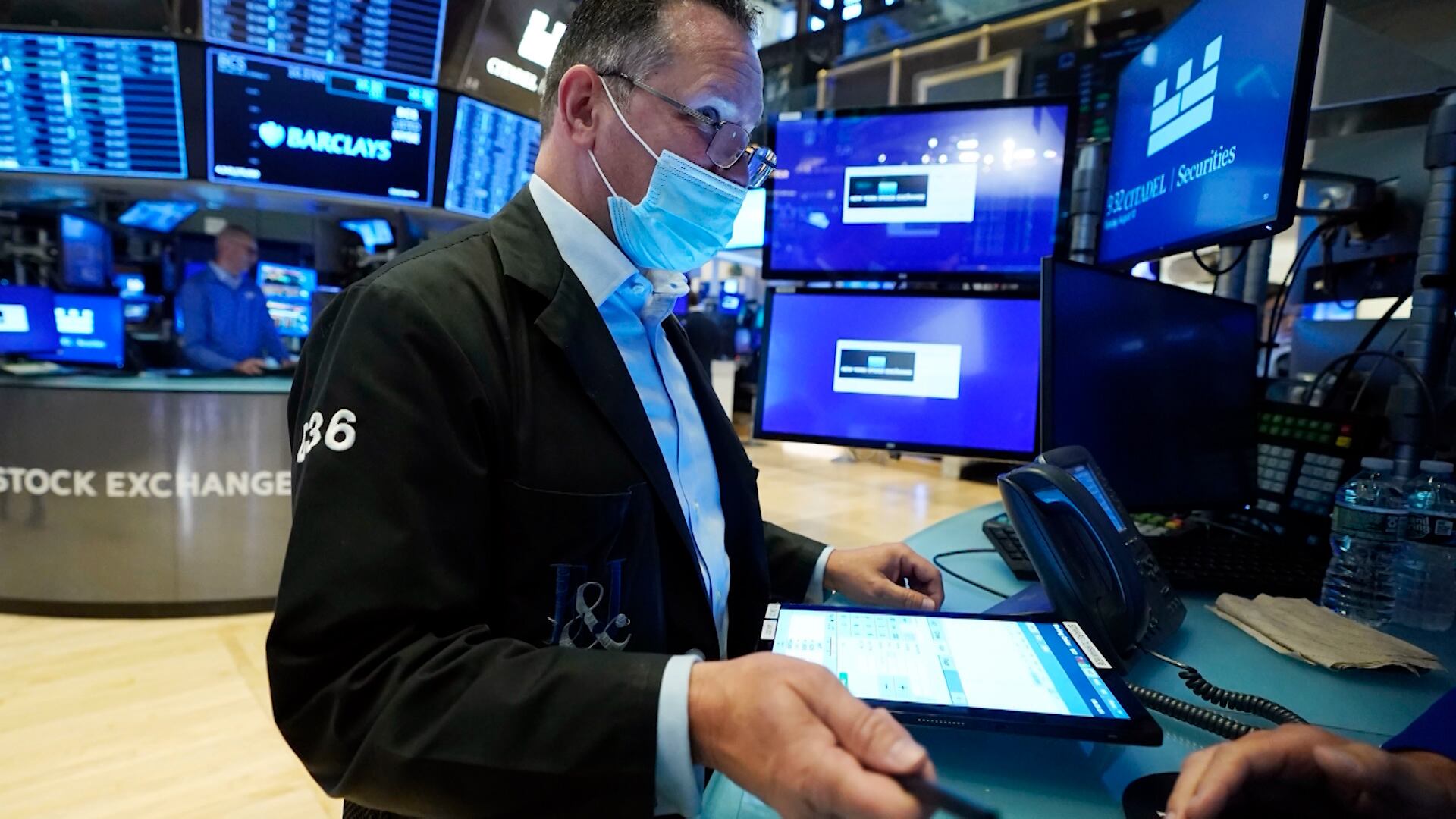
Patrick Healey, Founder & President at Caliber Financial Partners gave us an overview of what to expect from the markets on the first day of trading in the new year and whether or not traders should be on the lookout for the January Effect this season.
Amazon employees and activists staged a worldwide strike today--calling on the tech giant to raise wages, pay more taxes and reduce its carbon footprint. The 'Make Amazon Pay' protests took place at factories, warehouses, data centers and corporate offices all around the world. Ian Sherr, Editor at Large, The Verge, joined Wake Up with Cheddar to discuss.
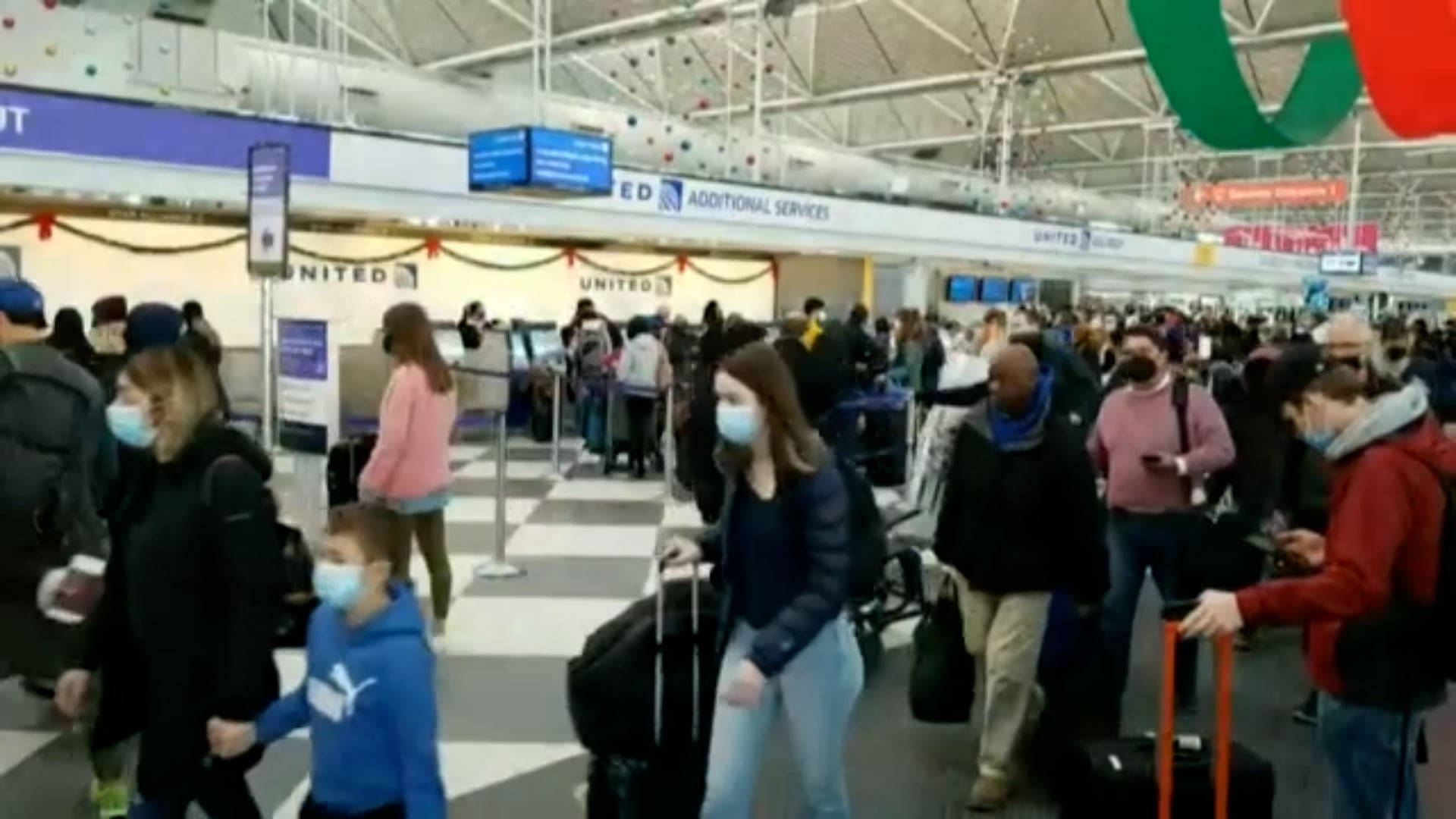
Airlines canceled more than 3,000 flights on Monday over severe weather and crew shortages. The cancellations come on one of the busiest travel days of the holiday season, and is a continuation of the industry-wide disruption that started before Christmas. Thomas Pallini, Aviation Reporter for Insider joined Wake Up with Cheddar to discuss.
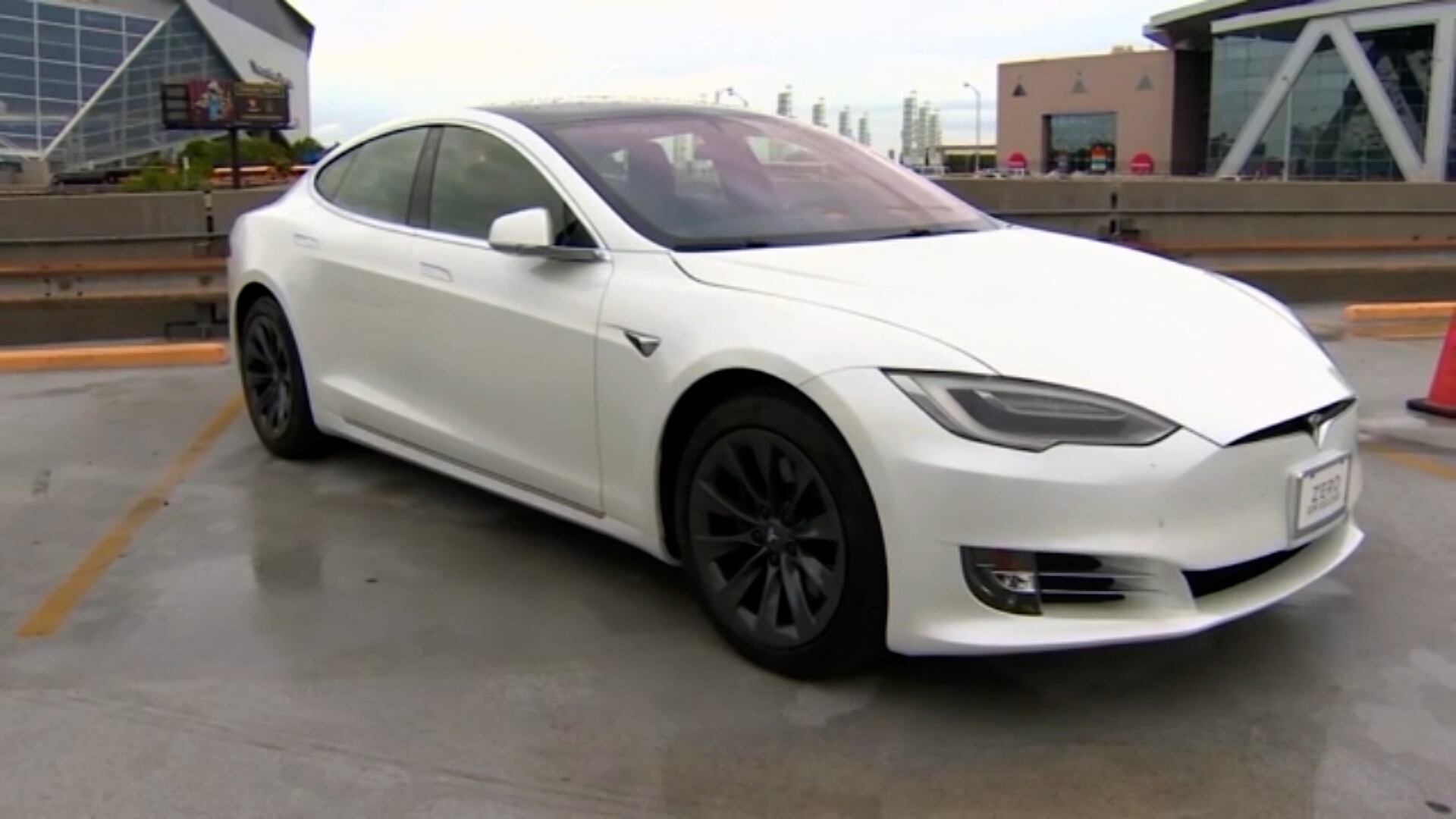
Tesla posted solid delivery numbers over the last year, with deliveries surpassing over 930,000, an 87 percent jump from the same period in 2020. Anthony Sassine, CFA, Senior Investment Strategies, KraneShares joined Wake Up with Cheddar to discuss the top EV stocks as well as how Tesla will stay relevant in the crowded space.