A woman uses her phone as she passes by the ByteDance headquarters in Beijing, China, on Friday, Aug. 7, 2020. The Chinese government is complicating the U.S.-government-ordered sale of U.S. TikTok assets. China on Friday, Aug. 28, 2020 introduced export restrictions on artificial intelligence technology, seemingly including the type that TikTok uses to choose which videos to spool up to its users. That means TikTok's Chinese owner, ByteDance, would have to obtain a license to export any restricted technologies to a foreign company. (AP Photo/Ng Han Guan)
By Tali Arbel and Zen Soo
The Chinese government is complicating the U.S.-government-ordered sale of U.S. TikTok assets.
China on Friday introduced export restrictions on artificial intelligence technology, seemingly including the type that TikTok uses to choose which videos to spool up to its users. That means TikTok's Chinese owner, ByteDance, would have to obtain a license to export any restricted technologies to a foreign company.
The Trump administration has threatened to ban TikTok by mid-September and ordered ByteDance to sell its U.S. business, claiming national-security risks due to that Chinese ownership. The government worries about user data being funneled to Chinese authorities. TikTok denies it is a national-security risk and is suing to stop the administration from the threatened ban.
Prospective buyers for U.S. TikTok assets include Microsoft and Walmart and, reportedly, Oracle. Oracle has declined to comment.
On Saturday, Chinese state-owned media outlet Xinhua News Agency quoted government trade adviser and professor Cui Fan, who said that Bytedance should consider whether it should halt negotiations to sell TikTok in the U.S.
"As with any cross-border transaction, we will follow the applicable laws, which in this case include those of the U.S. and China," said ByteDance General Counsel Erich Andersen.
The Chinese government's new restrictions may be a "tactic to drive up valuation" of TikTok, said RBC Capital Markets analyst Alex Zukin, who still expects a deal announcement "relatively soon." The Wall Street Journal reported last week that ByteDance is asking for $30 billion for the U.S. operations, but has faced resistance from bidders. The Journal said in a Sunday story that deal talks had "slowed."
Microsoft and Walmart declined to comment on Monday.
White House press secretary Kayleigh McEnany, during a White House briefing, did not directly answer whether the administration would accept a sale of U.S. assets of TikTok if the deal were subject to Chinese government approval. "Negotiations are ongoing on a sale of TikTok so we are not going to get in the way of those negotiations," she said.
—
Associated Press writer Kevin Freking contributed to this report from Washington.
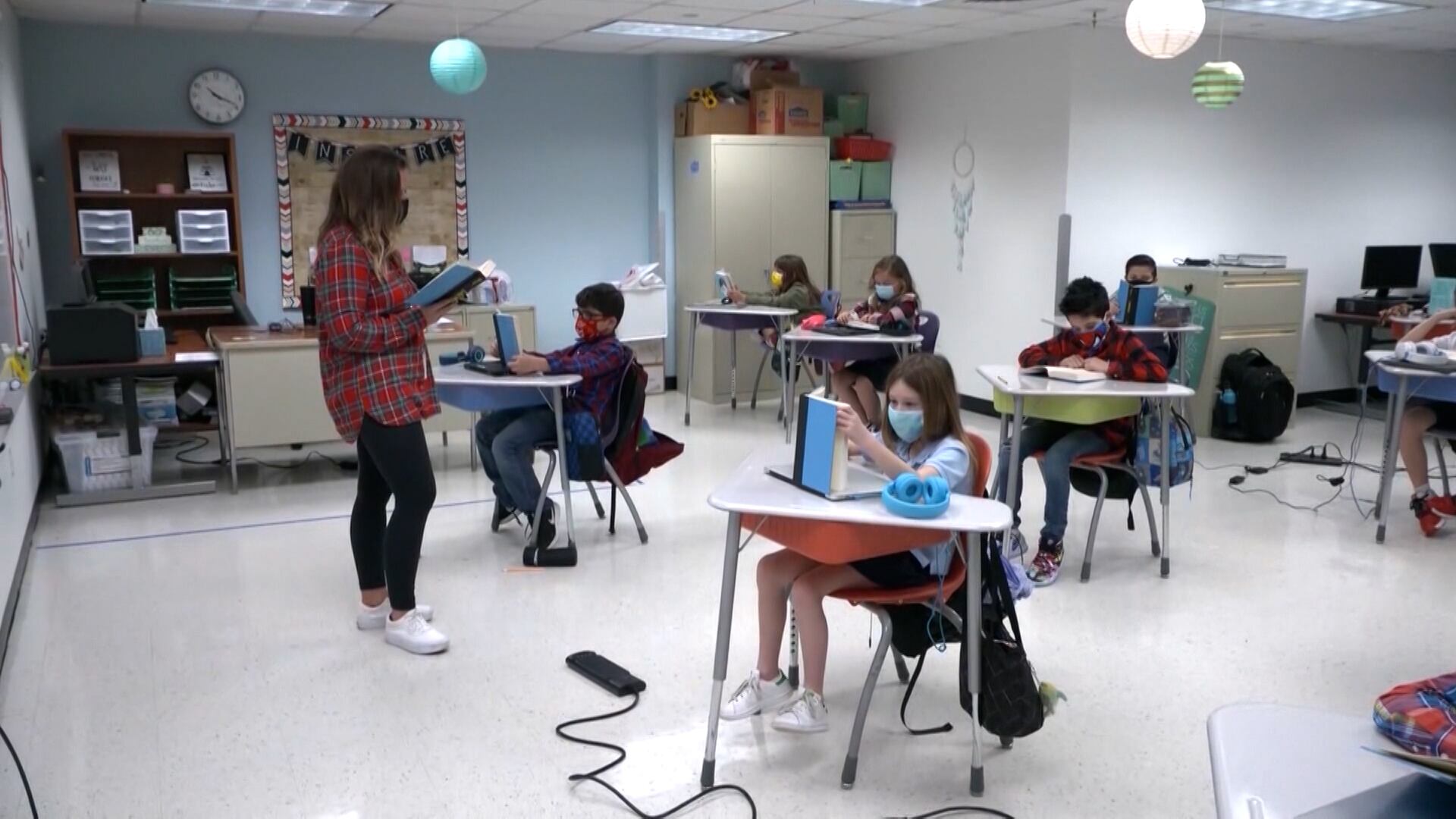
Jared C. Bass, senior director for Higher Education at the Center for American Progress, joins Cheddar News to discuss how schools are navigating the Omicron variant.
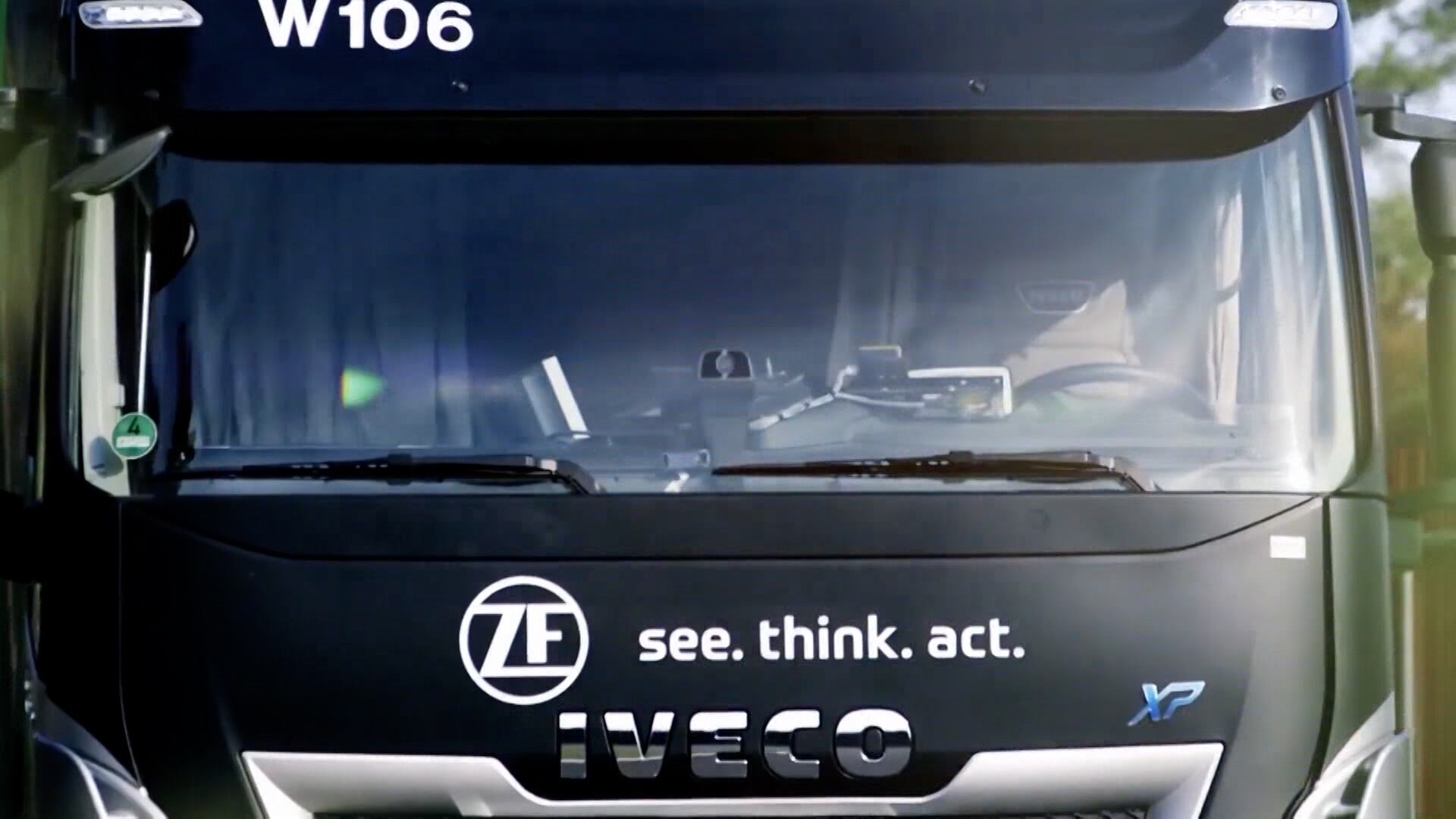
Martin Fischer, president of technology supplier for cars and commercial vehicles ZF North America, joined Cheddar to discuss the company's solutions for next-generation mobility in autonomous vehicles and its plans to usher in the next phase of electric vehicles. He also talked about the rising demand for self-driving technology on a global scale. "Whereas we are really active also there for passenger cars and commercial vehicles, what we showcase at CES now virtually is our autonomous shuttles," he said. "So, what that means is we bring these vehicles to busy city centers and can take traffic levels down."
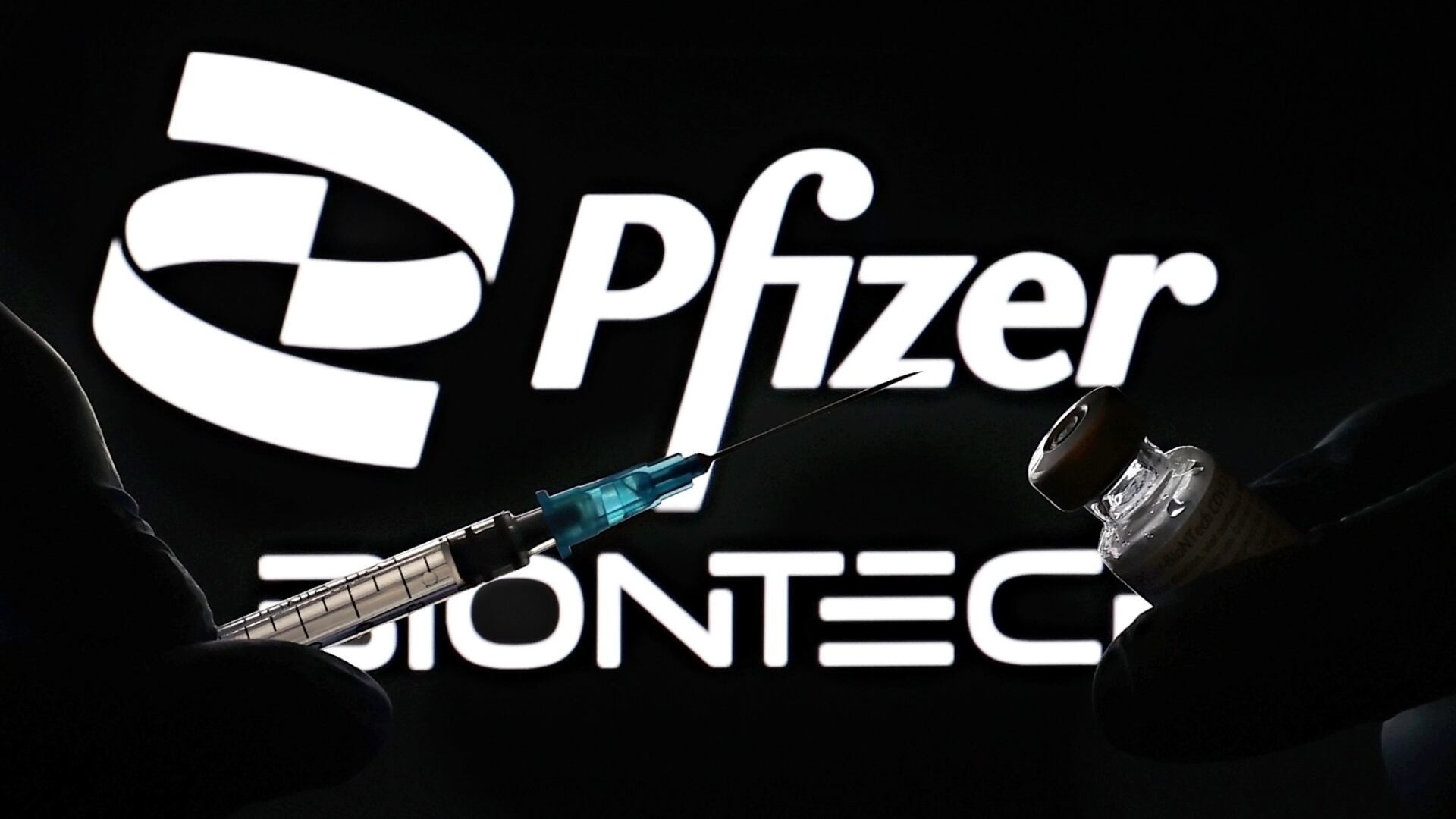
Pfizer and BioNTech are working to develop an mRNA-based shingles vaccine following the success of the COVID-19 shot. This latest collaboration will mark the third time the pharmaceutical companies have worked together on a vaccine.
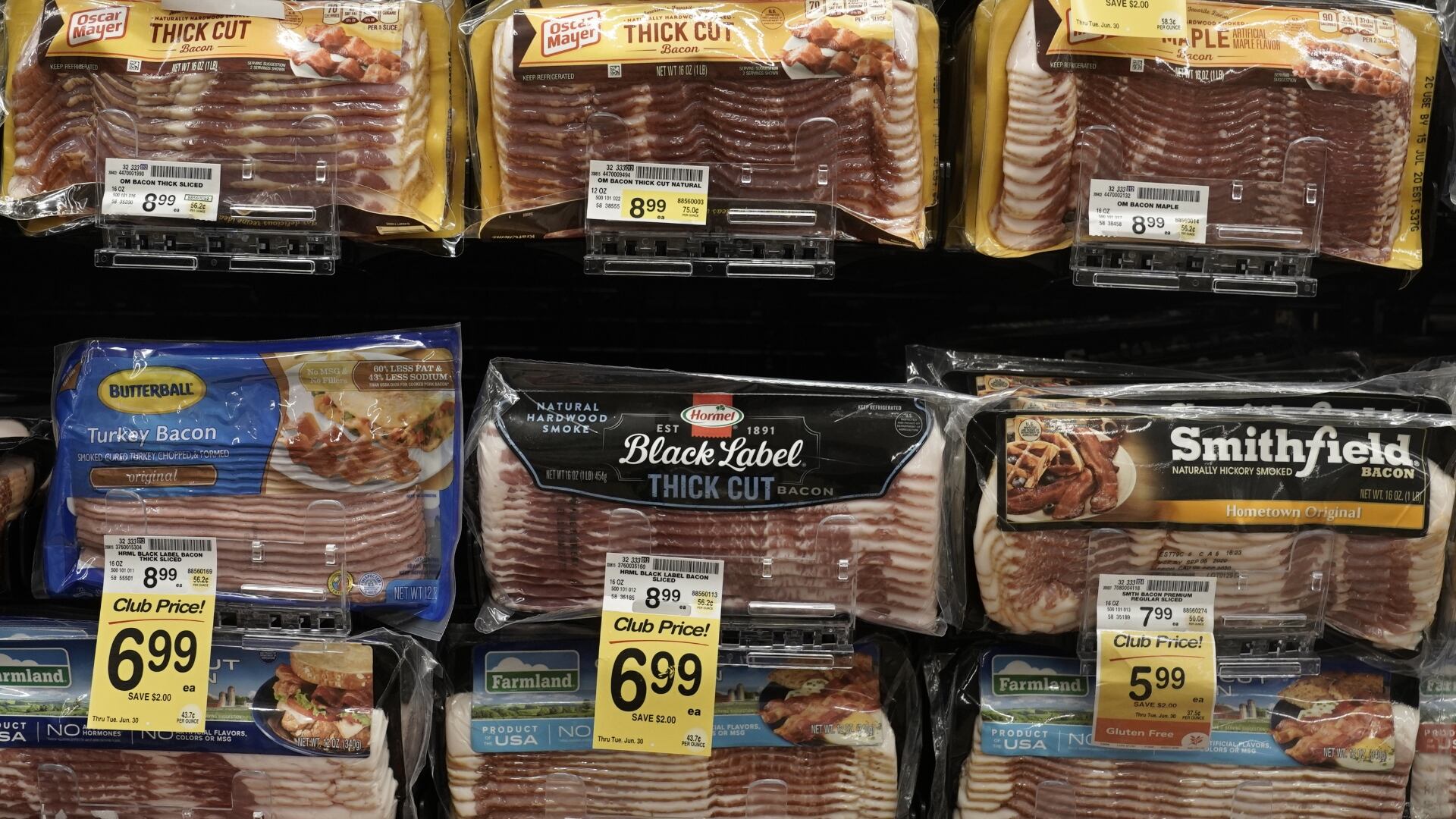
On Monday, President Biden announced his new plan to take on inflation by taking down the big meat monopolies - turning to the federal government's antitrust authorities to investigate the major meatpackers that control a significant share of the market. The White House plans to devote one billion dollars to aiding independent meat and poultry producers in an effort to undercut the few powerful meat producers that have control of the sector. Austin Frerick, deputy director of Thurman Arnold Project at Yale, joins Cheddar News to discuss.
Flight cancellations remain high nearly two weeks after the Christmas holiday, with more than 1,400 counted on Tuesday. Carriers are facing a number of factors including staff shortages linked to COVID-19 spread as well as inclement weather.
SGH, formerly known as Smart Global Holdings, reported Q1 earnings after the bell on Tuesday. The holdings company reported solid net sales, up a whopping 60 percent from the same period last year, marking its seventh consecutive quarter of year-over-year revenue growth. SGH also announced a two-for-one share split in the form of a share dividend of one ordinary share for every one ordinary share owned. Mark Adams, CEO, SGH and Former President, Micron, joined Wake Up with Cheddar to discuss.
For the first time in 90 years, General Motors has officially been dethroned as the top car seller in the U.S. after Toyota sold 2.3 million vehicles last year. Paulina Likos, an investing reporter at U.S News & World Report, said that the Japanese auto giant's 2021 success is linked to its large stockpile of semiconductor chips that allowed it to continue producing vehicles while others lagged behind. Likos noted that both GM and Toyota noted that this is unlikely to be a long-term trend and pointed to both automakers' push to become EV leaders. "I think what's great in this EV market is that there are so many different competitors, and certainly both GM and Toyota are trying to be leaders in this space," she said.