China's top wearable firm made its NYSE debut Thursday, closing up over 2% despite the Dow's 1,000 point drop. Tim Stenovec spoke with David Cui, CFO of Huami, to discuss the company's decision to go public.
Huami is a biometric and activity data-driven company with a focus in smart wearable technology. The company shipped 11.6 million units of smart wearable devices in the first nine months of 2017, more than any other company in the world, according to Frost & Sullivan. Cui explained how the company plans to gain a bigger marketshare of the global market.
Huami has been the sole partner of Xiaomi, a mobile internet company and global consumer electronics brand. Xiaomi is now one of the largest unicorn companies in the world and is expected to go public in 2018. Cui described the special partnership and how Huami will continue to capitalize on the rapidly growing smart wearable market in China.
TikTok once again finds itself in a precarious position as lawmakers in Washington move forward with a bill that could lead to a nationwide ban on the platform.
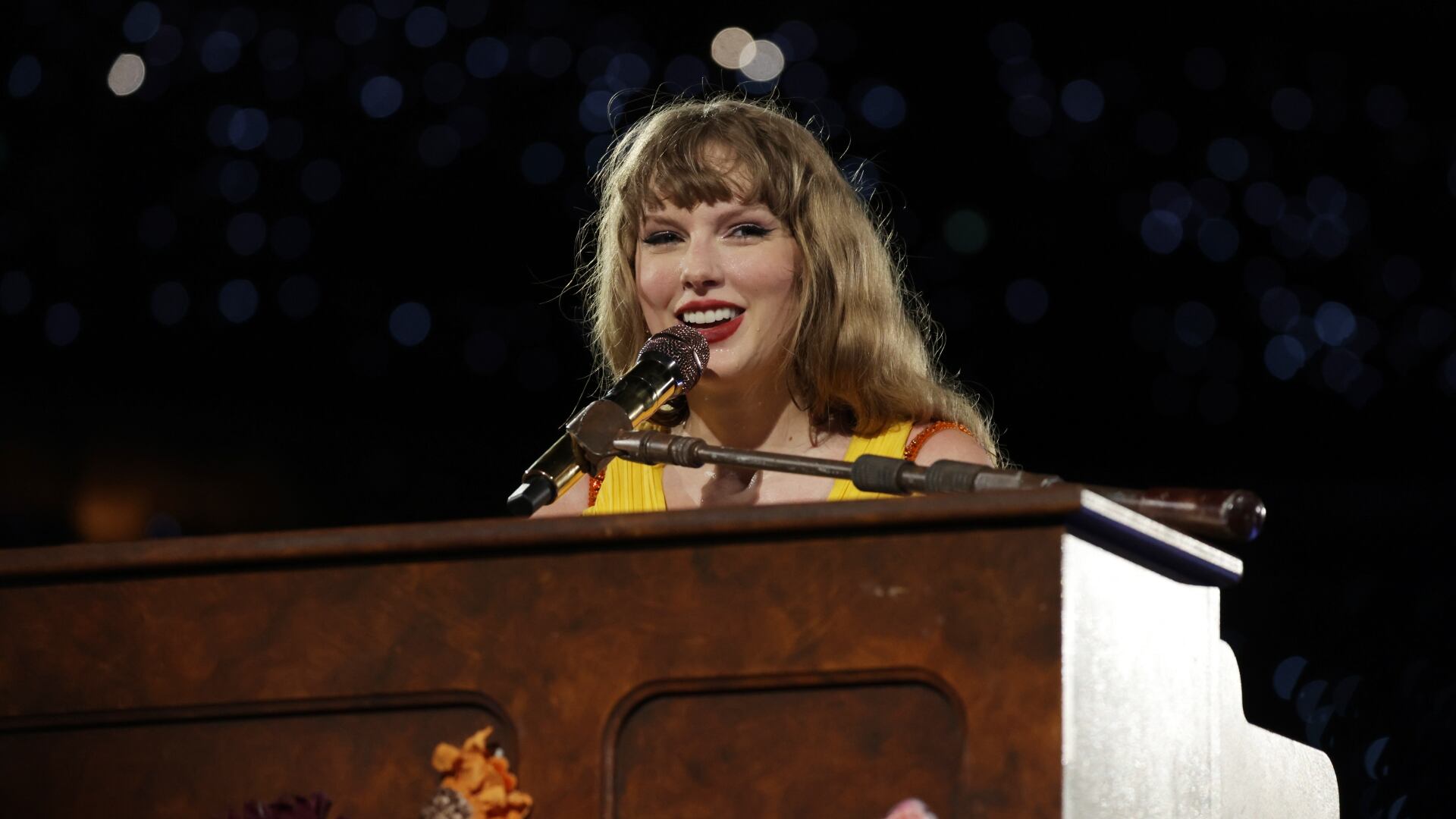
Bryan West, Gannett’s Taylor Swift reporter, recaps the many, many, theories and Easter eggs Swifties are debating as her ‘Eras Tour’ film comes to Disney+.
‘Our Biggest Fight’ author and Project Liberty founder Frank McCourt, Jr. explains his problem with the internet – and why this Tiktok bill is just a starting point.
Consumer prices in the United States picked up last month, a sign that inflation remains a persistent challenge for the Federal Reserve and for President Biden.
Jayesh Govindarajan, head of A.I. at Salesforce, explains the company's new Einstein copilot, plus other ways it is investing in artificial intelligence.
Altro founder and CEO Michael Broughton shares how his company is bringing both expanded credit access and financial wellness to underserved consumers, plus netting early investments from Tinashe, Quavo, and Jay Z’s Marcy Ventures.
Portillo’s CEO Michael Osanloo discusses the company’s decades of profitability, opening restaurants in new markets, and why it doesn’t need trends like dynamic pricing.