*By Conor White*
Lemonade, the insurance startup that uses A.I. and chatbots to pay claims within seconds, saw exponential growth in the U.S. in 2018, but the company is setting its sights on Europe for its next phase of expansion.
"We've decided that if people in Berlin, and Tokyo, and New York are using Spotify ($SPOT), and Netflix ($NFLX), and Uber, why not Lemonade?" CEO and co-founder Daniel Schreiber asked in an interview on Cheddar.
The burgeoning company's tech-driven approach has caught the attention of some of its more traditional competitors. That includes State Farm, which [released an ad in October](https://youtu.be/KIWfc9aI1YI) poking fun at artificial intelligence and robots, a not-so-thinly veiled dig at the startup. But Schreiber said he didn't mind the mockery.
"We found it remarkable that ... the largest insurance company in the nation, that \[is\] a thousand times bigger than Lemonade, would spend millions of dollars taking us on," Schreiber said. "I really found that interesting and deeply flattering honestly."
The company even took the unusual step of paying to promote the ad online.
"They're mocking us," Schreiber explained, "but I really think it's a bit of a boomerang that comes back and hurts them much more than it hurts us."
The CEO highlighted some of Lemonade's 2018 accomplishments, including $57 million in sales and increasing the number of homes it insures by more than 300,000.
But Schreiber said he is proudest of his company's reputation with customers.
"You go now to any of the consumer ratings sites, and you'll find that USAA and Lemonade compete for the number one spot in terms of customer satisfaction," he said.
"Growing fast is fabulous," he said, "but if you do it at the expense of customer satisfaction, that's a price not worth paying."
For full interview [click here](https://cheddar.com/videos/lemonade-insurance-plans-european-expansion).
SpaceX is resolving toilet spills in its capsules before it launches another crew for NASA. Liftoff is currently set for early Sunday from Florida's Kennedy Space Center.
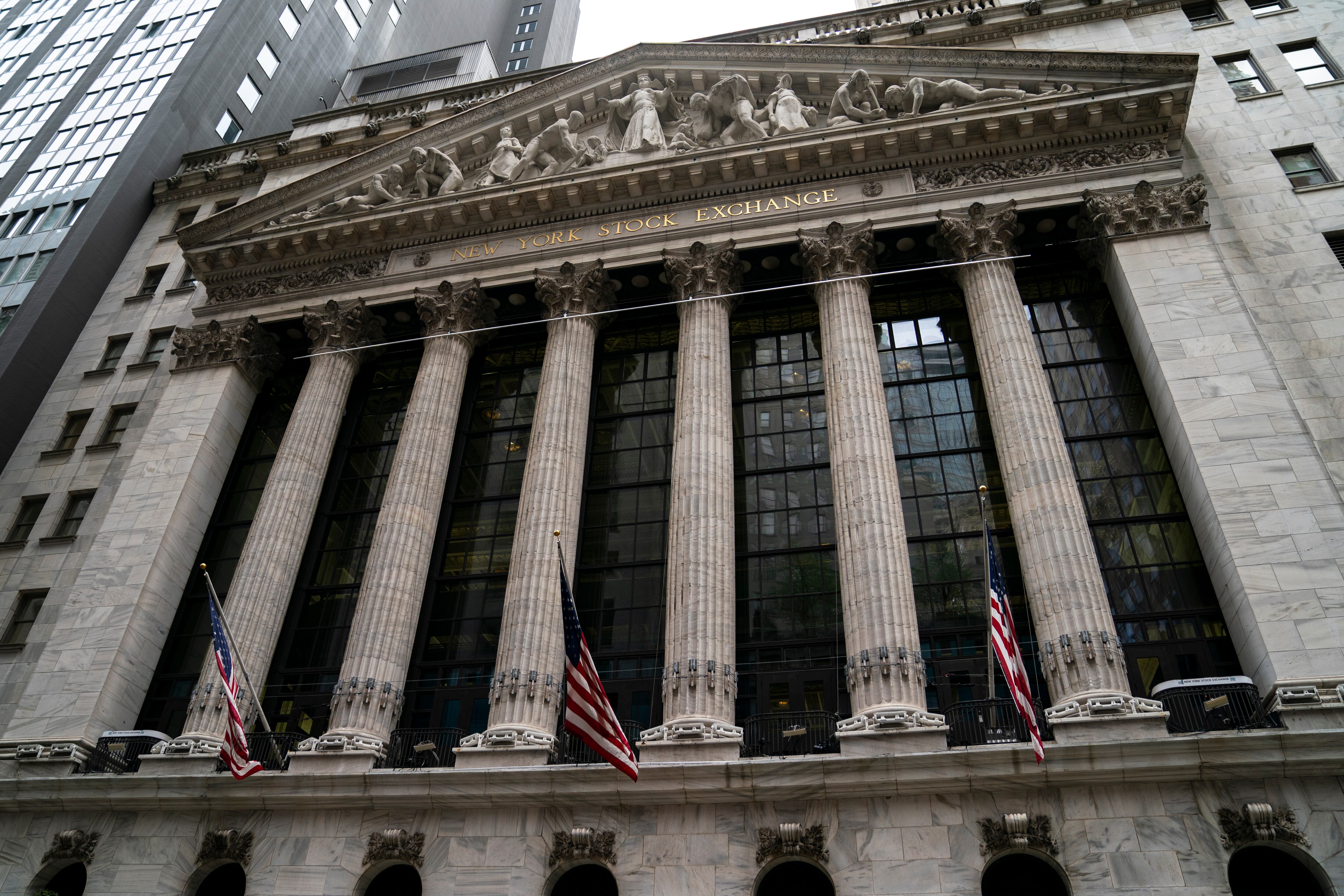
Stocks faded in the last hour of trading and ended mostly lower Wednesday, a day after the S&P 500 and the Dow Jones Industrial Average set their latest record highs
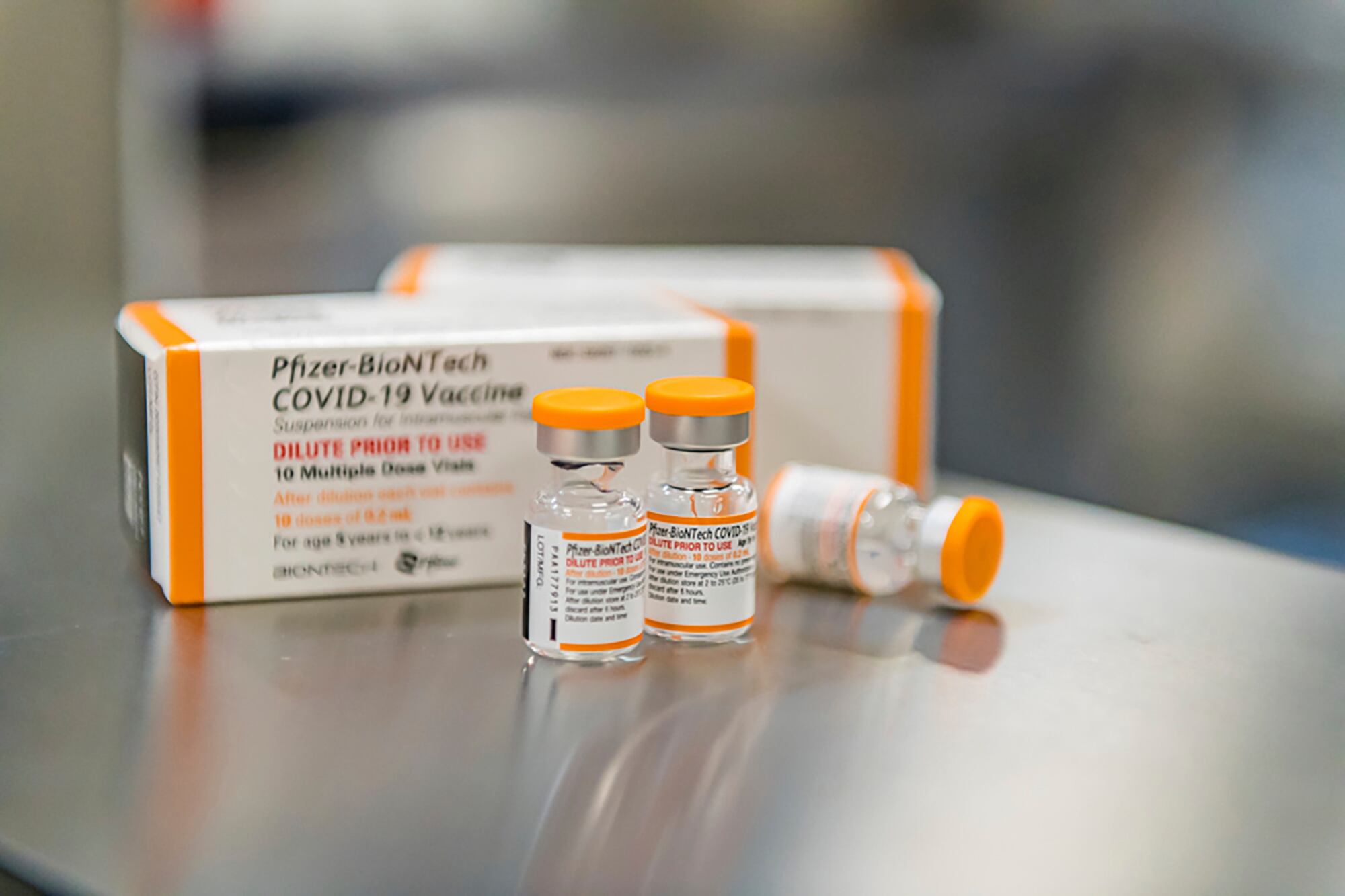
U.S. health advisers have endorsed kid-size doses of Pfizer's COVID-19 vaccine for younger children.
U.S. consumer confidence rose in October after three straight declines as the public’s anxiety about the delta variant of coronavirus appears to have abated.
Sales of new homes jumped 14% in September to the fastest pace in six months as strong demand helped offset rising prices.
Last spring, as false claims about vaccine safety threatened to undermine the world's response to COVID-19, researchers at Facebook found they could reduce vaccine misinformation by tweaking how vaccine posts show up on users' newsfeeds.
Stocks held on to modest gains on Wall Street Tuesday, pushing the S&P 500 and the Dow Jones Industrial Average further into record heights.
A report in the New York Times published Sunday called 'Inside Amazon's Worst Human Resources Problem' details the company mishandling paid and unpaid leave for some of its workers for more than a year and a half, following an email sent to Amazon founder Jeff Bezos from a new mother who works at a warehouse in Oklahoma, which then led to an internal investigation at Amazon. Seattle tech correspondent for the New York Times Karen Weise joined Cheddar News' Closing Bell to talk about her report and what the Amazon investigation found.
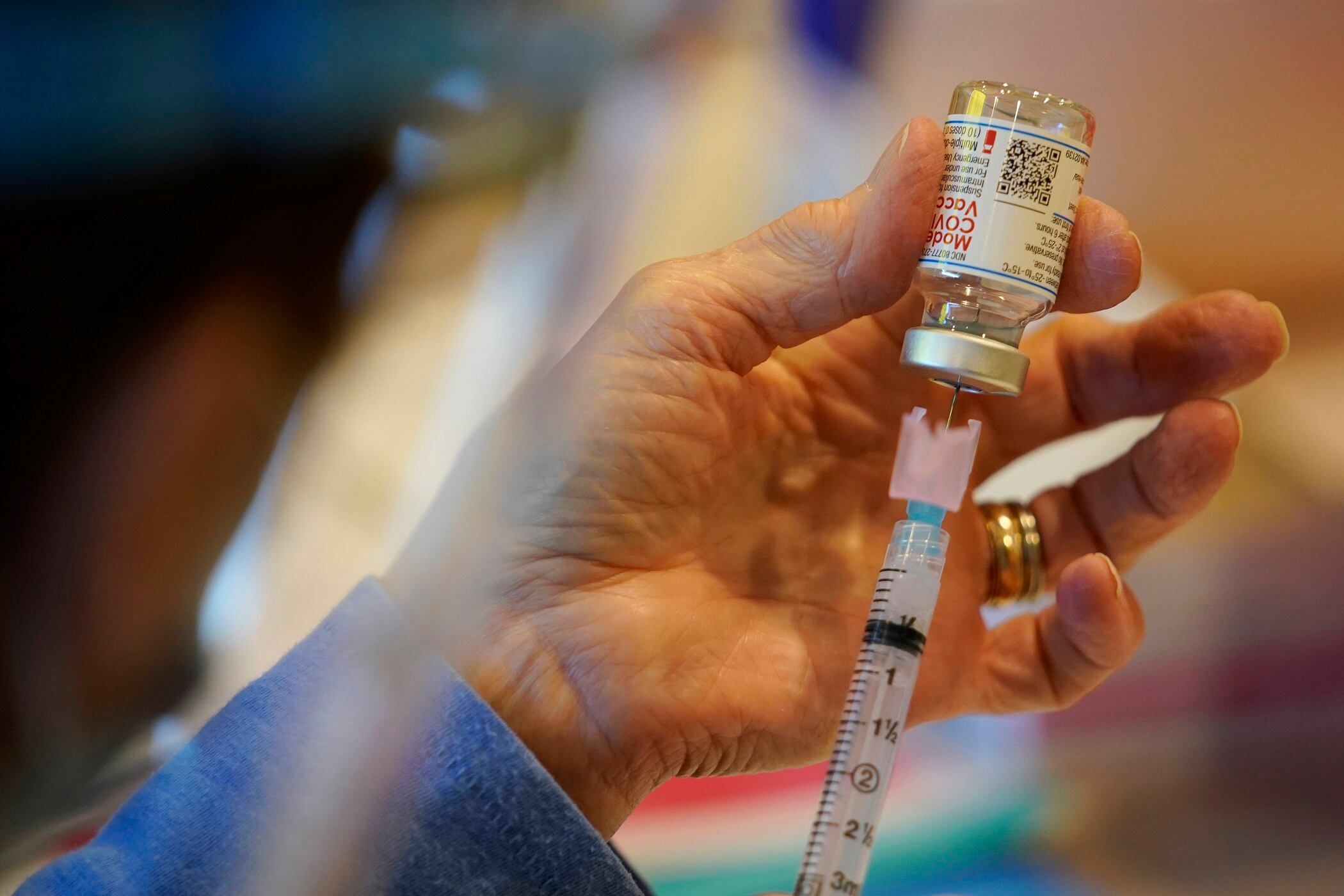
Moderna says its low-dose COVID-19 vaccine is safe and appears to work in 6- to 11-year-olds.
Facebook the company is losing control of Facebook the product — and of the carefully crafted image it’s spent over a decade selling despite problems like misinformation, human trafficking, and pervasive extremist groups on its platform.