CEO of A.I.-Driven Insurance Start-Up Lemonade Says Mockery Is the Highest Form of Flattery
*By Conor White*
Lemonade, the insurance startup that uses A.I. and chatbots to pay claims within seconds, saw exponential growth in the U.S. in 2018, but the company is setting its sights on Europe for its next phase of expansion.
"We've decided that if people in Berlin, and Tokyo, and New York are using Spotify ($SPOT), and Netflix ($NFLX), and Uber, why not Lemonade?" CEO and co-founder Daniel Schreiber asked in an interview on Cheddar.
The burgeoning company's tech-driven approach has caught the attention of some of its more traditional competitors. That includes State Farm, which [released an ad in October](https://youtu.be/KIWfc9aI1YI) poking fun at artificial intelligence and robots, a not-so-thinly veiled dig at the startup. But Schreiber said he didn't mind the mockery.
"We found it remarkable that ... the largest insurance company in the nation, that \[is\] a thousand times bigger than Lemonade, would spend millions of dollars taking us on," Schreiber said. "I really found that interesting and deeply flattering honestly."
The company even took the unusual step of paying to promote the ad online.
"They're mocking us," Schreiber explained, "but I really think it's a bit of a boomerang that comes back and hurts them much more than it hurts us."
The CEO highlighted some of Lemonade's 2018 accomplishments, including $57 million in sales and increasing the number of homes it insures by more than 300,000.
But Schreiber said he is proudest of his company's reputation with customers.
"You go now to any of the consumer ratings sites, and you'll find that USAA and Lemonade compete for the number one spot in terms of customer satisfaction," he said.
"Growing fast is fabulous," he said, "but if you do it at the expense of customer satisfaction, that's a price not worth paying."
For full interview [click here](https://cheddar.com/videos/lemonade-insurance-plans-european-expansion).
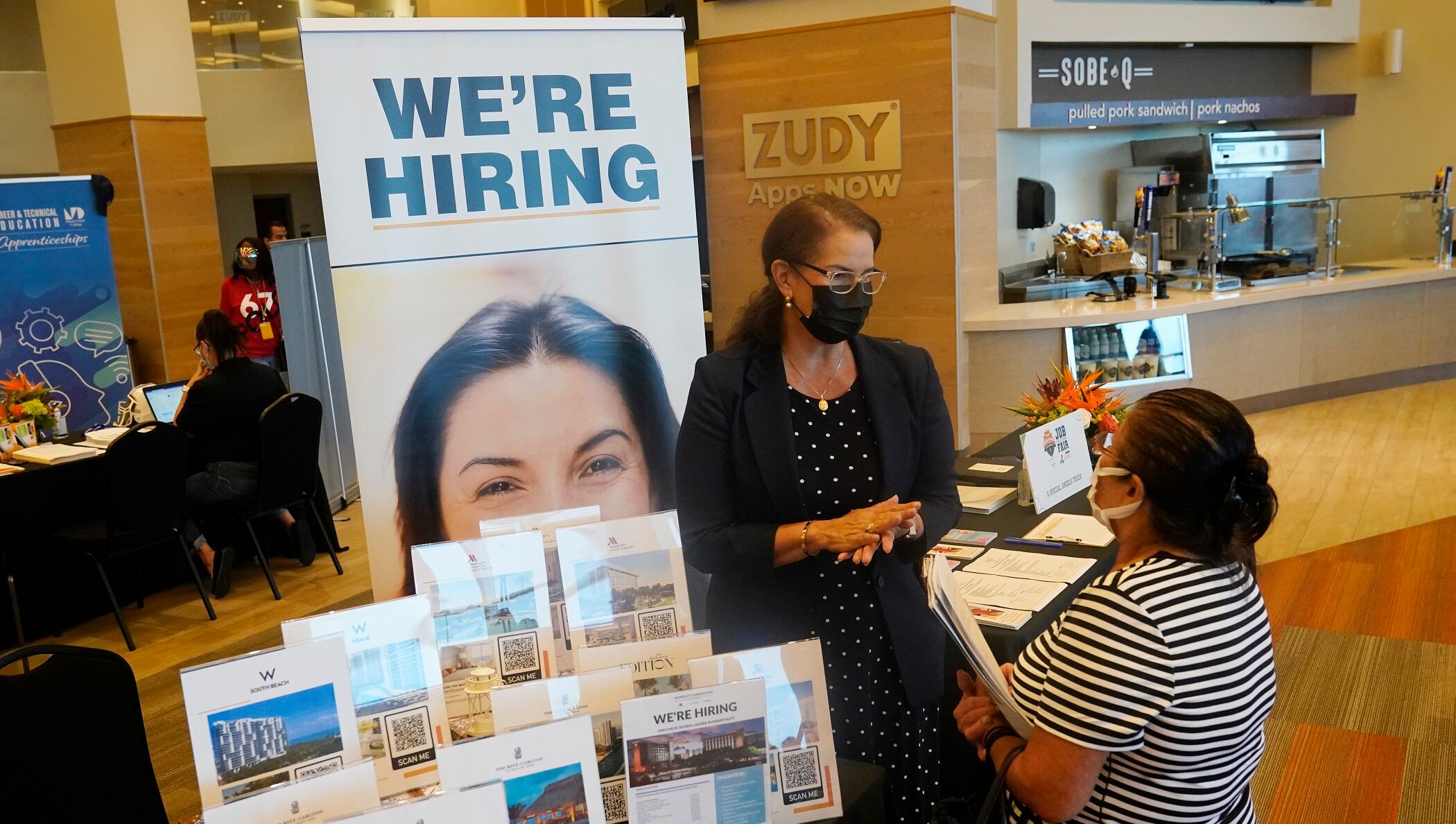
Applications for U.S. unemployment benefits rose last week, but remain near historically low levels, reflecting relatively few layoffs across the economy
Marc DeBevoise, Incoming CEO of Brightcove, talks about the company's position within the streaming space and what the overall industry needs to do to attract more enterprise clients.
As the Beijing winter Olympics start to wind down, its ratings are heading towards a historic low. An average of only 12.3 million viewers per day have tuned into NBC to watch the games, compared with about 23 million viewers for the 2018 games in South Korea. Seth Schachner, managing director of StratAmericas and digital business executive, breaks down what could be behind this trend.
As coronavirus cases decline, many people are going out again, eating at restaurants, taking long-delayed vacations, attending concerts, and more. But, despite social activities returning to normal, many companies are still working remotely. In fact, only a third of U.S. employees have returned to the office, according to Kastle Systems, which monitors building-access cards. Brian Kropp, chief of research for Gartner's HR practice, joined Cheddar's Opening Bell to discuss the state of the return-to-work debate.
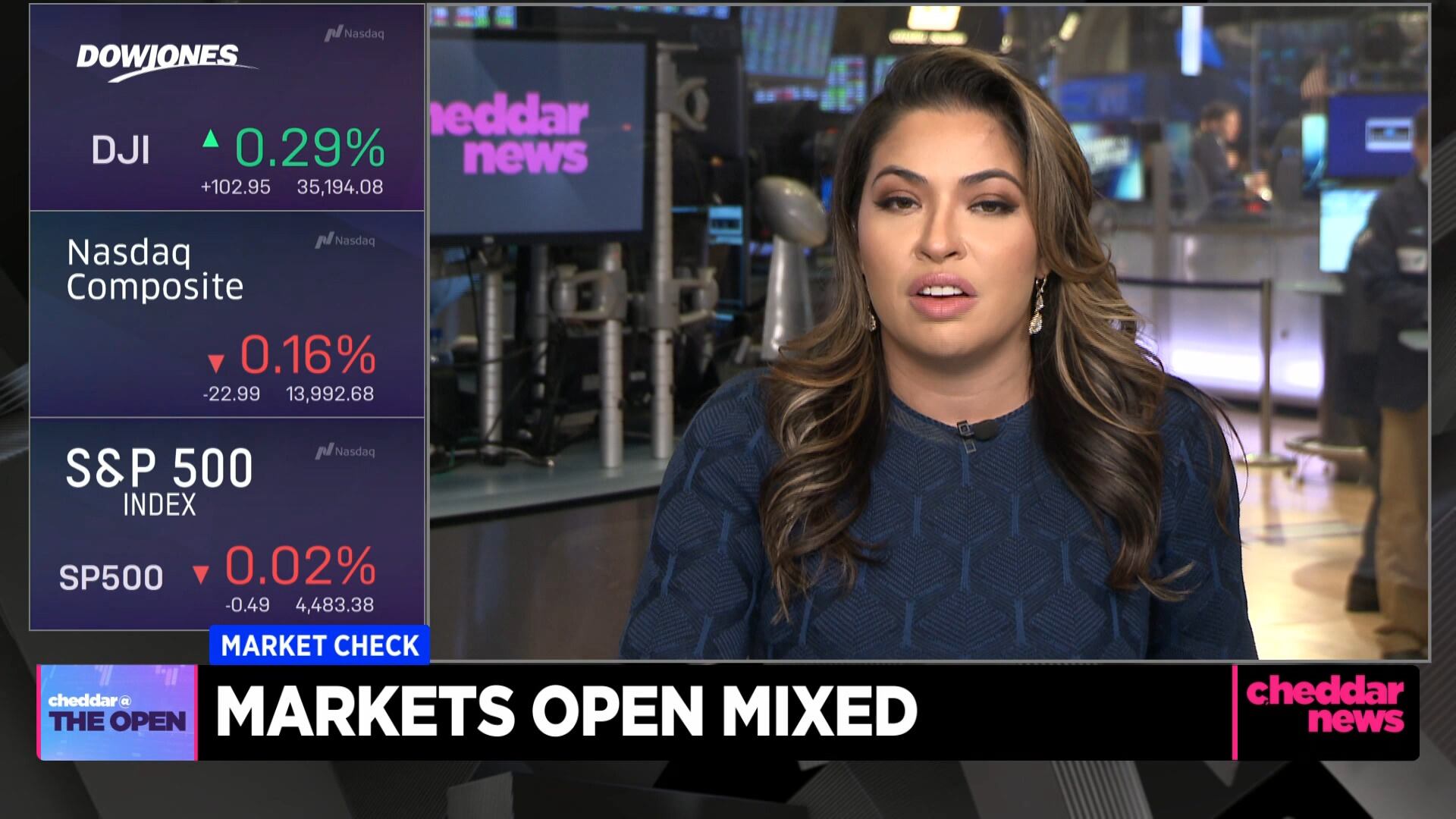
Matthew Tuttle, CEO & Chief Investment Officer at Tuttle Capital, breaks down the economic factors impacting the technology sector and the future pricing power of Big Tech.
Inflation rose 7.5% percent from last January to this January, higher than expected and the fastest rate of growth in 40 years. Consumer prices were up 0.6% percent from the previous month, with increases in food, electricity, and shelter as the biggest drivers. Veronique De Rugy, senior research fellow of the Mercatus Center at George Mason University, joined Cheddar to give her biggest takeaways on the latest CPI report.
Jason Ware, Chief Investment Officer at Albion Financial Group, talks about the sectors to be affected by higher interest rates and highlights the pockets within tech that have room for growth.
Matthew Tuttle, CEO and Chief Investment Officer at Tuttle Capital Management, talks about the geopolitical and economic uncertainty impacting market performance.
Chad Oviatt, Director of Investment Management at Huntington National Bank, breaks down the impact of the inflationary pressure on consumer sentiment and highlights areas of growth going forward.
Wholesale prices rose 9.7% year-over-year in January, yet another sign of rising inflation. This comes as inflation continues to push higher, the Fed considers hiking interest rates, and the conflict in Ukraine threatens to raise the costs of living in the U.S. even higher. John Leer, chief economist at Morning Consult joined Cheddar for more insight.