CEO of A.I.-Driven Insurance Start-Up Lemonade Says Mockery Is the Highest Form of Flattery
*By Conor White*
Lemonade, the insurance startup that uses A.I. and chatbots to pay claims within seconds, saw exponential growth in the U.S. in 2018, but the company is setting its sights on Europe for its next phase of expansion.
"We've decided that if people in Berlin, and Tokyo, and New York are using Spotify ($SPOT), and Netflix ($NFLX), and Uber, why not Lemonade?" CEO and co-founder Daniel Schreiber asked in an interview on Cheddar.
The burgeoning company's tech-driven approach has caught the attention of some of its more traditional competitors. That includes State Farm, which [released an ad in October](https://youtu.be/KIWfc9aI1YI) poking fun at artificial intelligence and robots, a not-so-thinly veiled dig at the startup. But Schreiber said he didn't mind the mockery.
"We found it remarkable that ... the largest insurance company in the nation, that \[is\] a thousand times bigger than Lemonade, would spend millions of dollars taking us on," Schreiber said. "I really found that interesting and deeply flattering honestly."
The company even took the unusual step of paying to promote the ad online.
"They're mocking us," Schreiber explained, "but I really think it's a bit of a boomerang that comes back and hurts them much more than it hurts us."
The CEO highlighted some of Lemonade's 2018 accomplishments, including $57 million in sales and increasing the number of homes it insures by more than 300,000.
But Schreiber said he is proudest of his company's reputation with customers.
"You go now to any of the consumer ratings sites, and you'll find that USAA and Lemonade compete for the number one spot in terms of customer satisfaction," he said.
"Growing fast is fabulous," he said, "but if you do it at the expense of customer satisfaction, that's a price not worth paying."
For full interview [click here](https://cheddar.com/videos/lemonade-insurance-plans-european-expansion).
Despite Elon Musk making the deal to buy Twitter, it's still unclear as to what all of his plans might be for it. Tesla’s stock dropped on Tuesday, potentially due to concerns over what the situation might mean for the EV maker going forward. Hatem Dhiab, a managing partner at Gerber Kawasaki Wealth & Investment Management, and Bruce Goldfarb, the president and CEO of Okapi Partners, joined Cheddar News to talk about the ramifications of the acquisition for both Tesla and Twitter stockholders. "I think people are scared because the deal has some leverage that's tied to Tesla stock, and people are worried that maybe Elon will sell some of his stock," Dhiab said about the purchase. "But I don't think that that's likely."
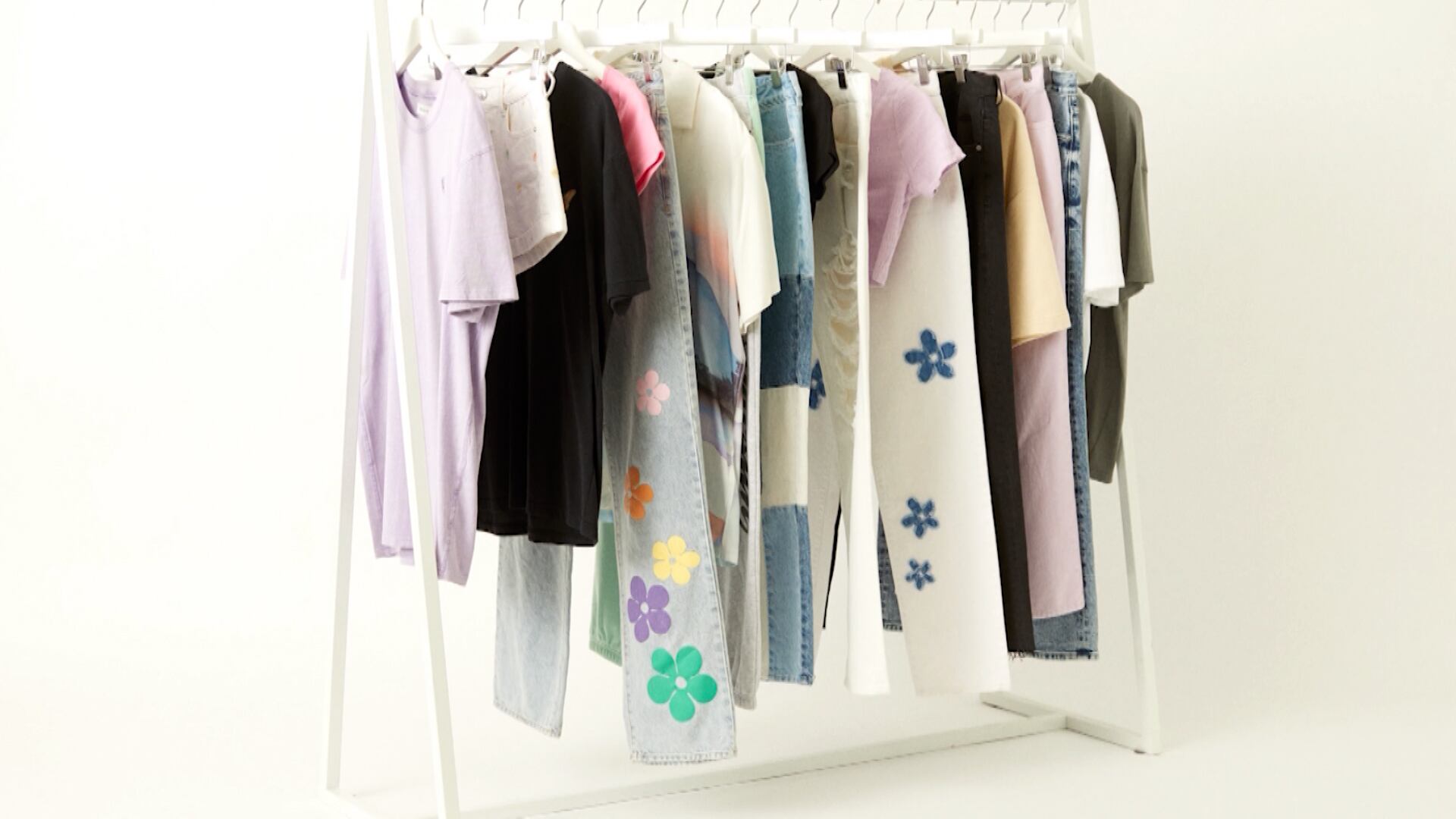
Clothing brand PacSun and online thrift retailer thredUP are partnering up for "Pre-Loved Pac," a 360-resale program allowing PacSun customers to clean out their closets for credit and shop for gently used clothing directly through PacSun's website. Pacsun co-CEO Alfred Chang and thredUP CEO James Reinhart joined Cheddar News to talk about their collaboration. "The latest research shows that over 50 percent of this generation has engaged in either selling or purchasing something at resale," Chang said. "It's important to them and it's important obviously to the world in terms of what we can do in terms of recycling clothes."
New Jersey has legalized recreational marijuana. The state missed cannabis holiday 4/20 by just a day. Cannabis giant Curaleaf operates three dispensaries in New Jersey. The company's CEO Joe Bayern joins Cheddar to recap the big day.
According to the Morning Consult, consumer spending in March was significantly impacted by inflation even as habits changed from purchasing goods to services as pandemic restrictions ebbed. Kayla Bruun, an economic analyst for the Morning Consult, joined Cheddar News to talk about the findings."Consumers are getting more and more concerned about paying for gas, paying for groceries — all these prices that are rising so quickly for things that they really don't have the choice but to buy," she said. "They're starting to cut back on the things that are a little bit more discretionary, realizing with prices as high as they are, it's maybe not the best time to be booking a vacation or upgrading their kitchen."