CEO of A.I.-Driven Insurance Start-Up Lemonade Says Mockery Is the Highest Form of Flattery
*By Conor White*
Lemonade, the insurance startup that uses A.I. and chatbots to pay claims within seconds, saw exponential growth in the U.S. in 2018, but the company is setting its sights on Europe for its next phase of expansion.
"We've decided that if people in Berlin, and Tokyo, and New York are using Spotify ($SPOT), and Netflix ($NFLX), and Uber, why not Lemonade?" CEO and co-founder Daniel Schreiber asked in an interview on Cheddar.
The burgeoning company's tech-driven approach has caught the attention of some of its more traditional competitors. That includes State Farm, which [released an ad in October](https://youtu.be/KIWfc9aI1YI) poking fun at artificial intelligence and robots, a not-so-thinly veiled dig at the startup. But Schreiber said he didn't mind the mockery.
"We found it remarkable that ... the largest insurance company in the nation, that \[is\] a thousand times bigger than Lemonade, would spend millions of dollars taking us on," Schreiber said. "I really found that interesting and deeply flattering honestly."
The company even took the unusual step of paying to promote the ad online.
"They're mocking us," Schreiber explained, "but I really think it's a bit of a boomerang that comes back and hurts them much more than it hurts us."
The CEO highlighted some of Lemonade's 2018 accomplishments, including $57 million in sales and increasing the number of homes it insures by more than 300,000.
But Schreiber said he is proudest of his company's reputation with customers.
"You go now to any of the consumer ratings sites, and you'll find that USAA and Lemonade compete for the number one spot in terms of customer satisfaction," he said.
"Growing fast is fabulous," he said, "but if you do it at the expense of customer satisfaction, that's a price not worth paying."
For full interview [click here](https://cheddar.com/videos/lemonade-insurance-plans-european-expansion).
Gov. Daniel McKee breaks down the economic benefits of having a COVID 'test-to-treat' clinic in the state and shares his take on how to quell gun violence in the U.S.
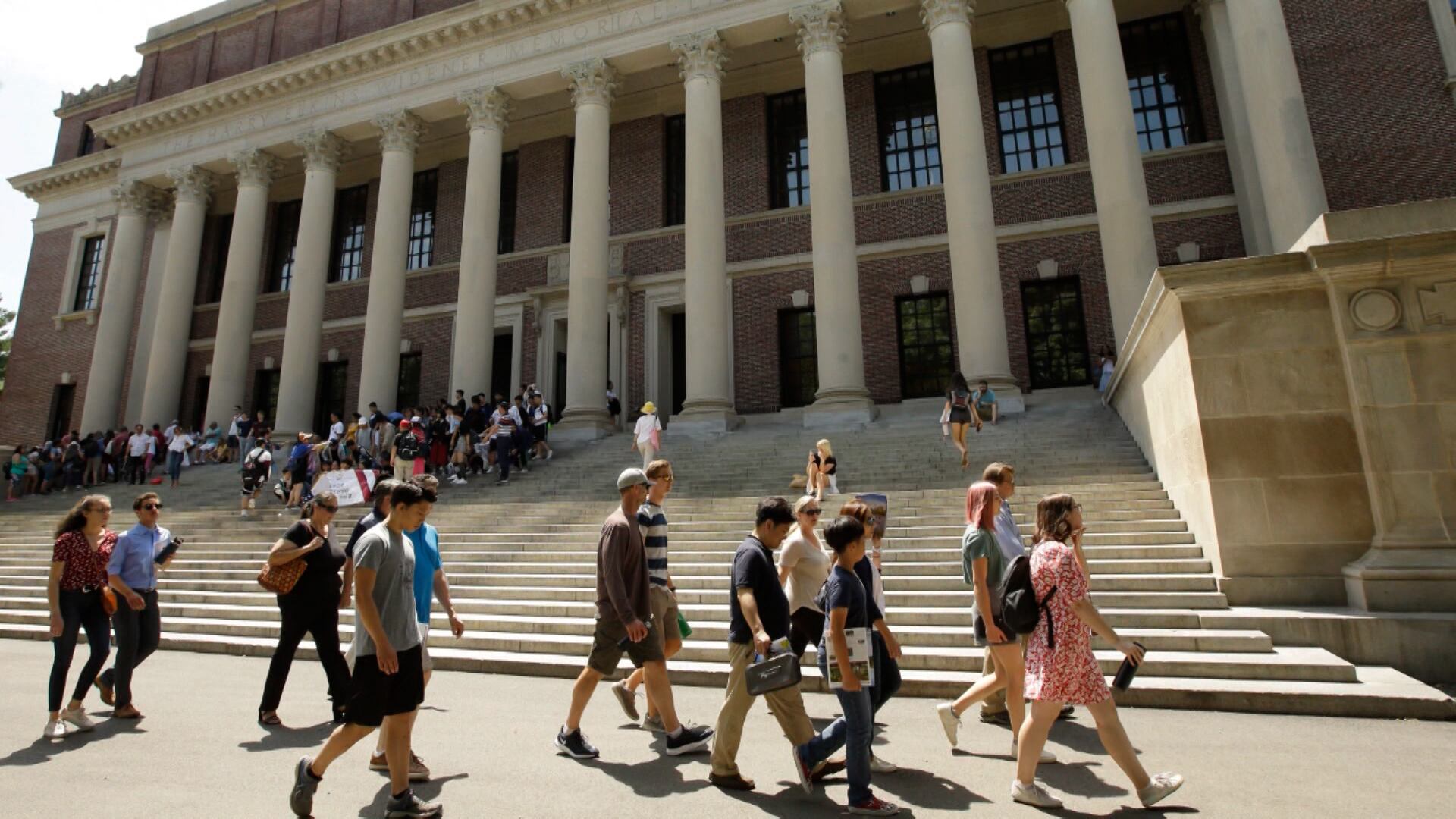
Jonathan Fansmith, Asst. VP of Government Relations at American Council on Education, talks about the factors attributing to lower college enrolments and what institutes are doing to incentive attendees.
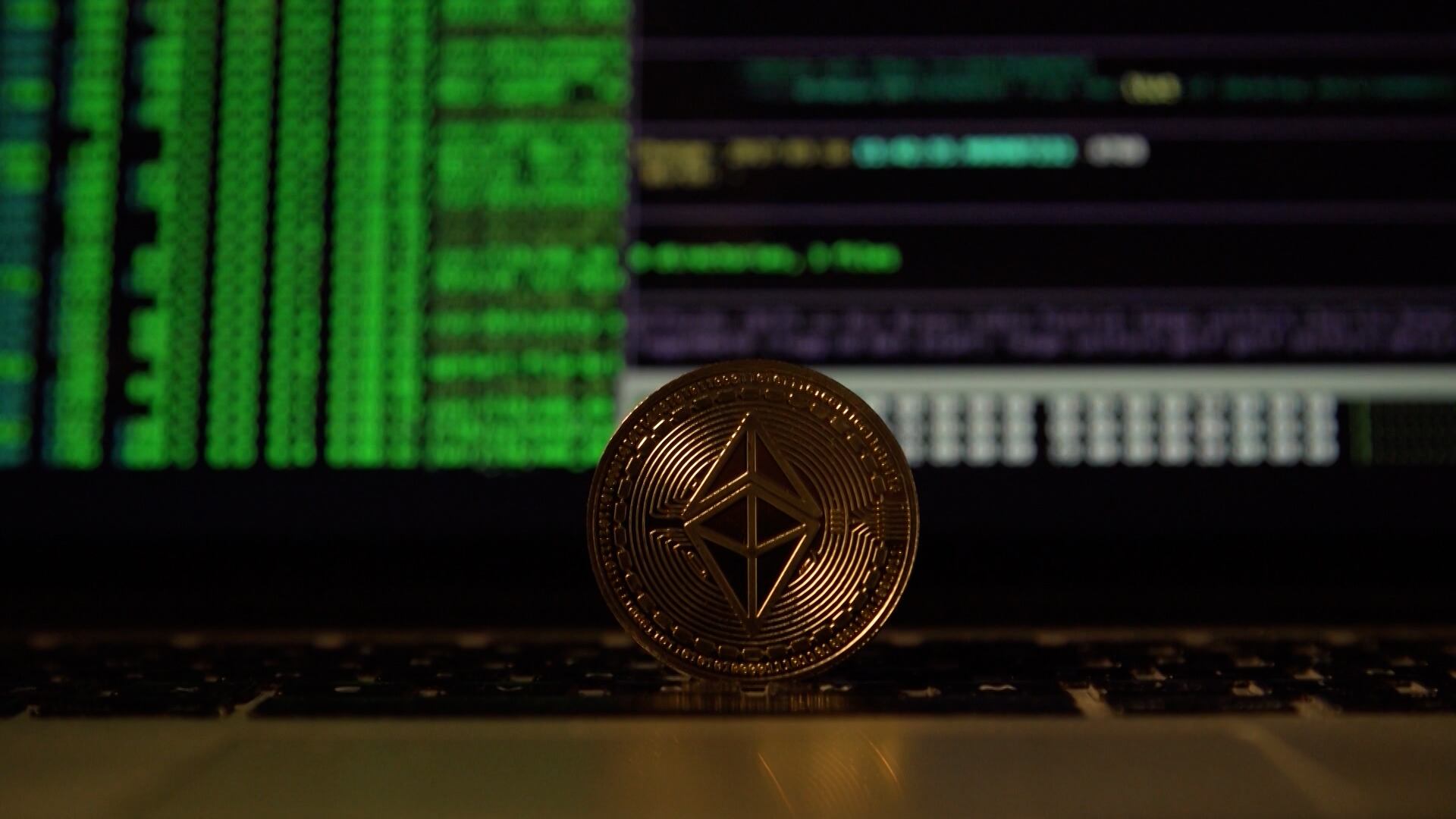
Scammers are cashing in on the crypto craze. According to a new report from the FTD, fraudsters have stolen more than $1 billion in crypto from 46,000 people since 2021. That's $1 out of every $4 reported lost to scammers paid in cryptocurrency, more than any other payment method. Chris Pierson, the founder and CEO of BlackCloak, gives tips on how to protect yourself from scammers.
Inflation is forcing many Americans to put their retirement plans on hold. According to a new survey from BMO Harris Bank, 25% of people will need to delay their retirement because of rising prices, and 21% of respondents are saving less money for retirement to keep up with the growing costs. Paul Dilda, Head of Consumer Strategy at BMO Harris Bank, breaks down the survey and gives some tips on how to keep up with rising prices.
The labor market continues to be hot, with job openings at record highs and jobless claims dropping by the thousands. While that's good news for workers, experts say it can add to inflation risks and make the Fed's job even harder when it comes to cooling inflation. José Torres, Senior Economist at Interactive Brokers, breaks down what a tight labor market means for the economy.
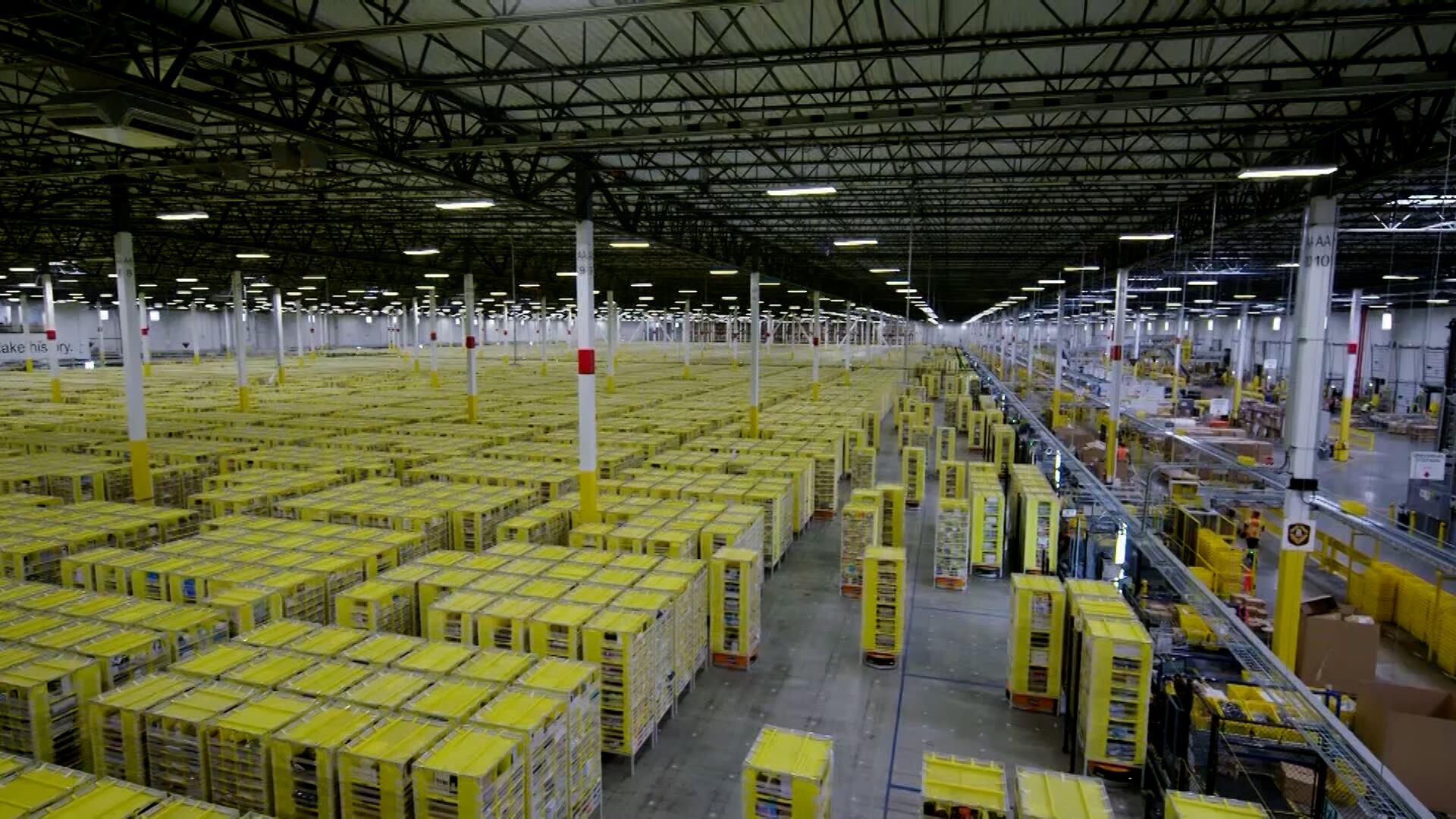
Amazon's stock split officially takes effect today. It's a 20-for-1 split, meaning if you own one share of the e-commerce giant, you'll have 20 shares after the split, with each costing about 1/20th of the previous price. Jeff Zananiri, the head trading strategist at Joy of the Trade, breaks down what the stock split means for investors.
The labor market continues to be strong. The U.S. added 390,000 jobs in May, while the unemployment rate held steady at 3.6%. Julia Pollak, Chief Economist for ZipRecruiter, breaks down the latest data and what it means for the economy.
In another round of sweeping sanctions against Russia for its war on Ukraine, European Union leaders have agreed to ban the vast majority of Russian oil by the end of the year. But, the embargo covers only Russian oil brought in by sea, allowing an exemption for fuel imported via pipeline. Christine McDaniel, a senior fellow with the Mercatus Center, discusses just how significant this deal is, and what impact it might have on the global energy sector.