CEO of A.I.-Driven Insurance Start-Up Lemonade Says Mockery Is the Highest Form of Flattery
*By Conor White*
Lemonade, the insurance startup that uses A.I. and chatbots to pay claims within seconds, saw exponential growth in the U.S. in 2018, but the company is setting its sights on Europe for its next phase of expansion.
"We've decided that if people in Berlin, and Tokyo, and New York are using Spotify ($SPOT), and Netflix ($NFLX), and Uber, why not Lemonade?" CEO and co-founder Daniel Schreiber asked in an interview on Cheddar.
The burgeoning company's tech-driven approach has caught the attention of some of its more traditional competitors. That includes State Farm, which [released an ad in October](https://youtu.be/KIWfc9aI1YI) poking fun at artificial intelligence and robots, a not-so-thinly veiled dig at the startup. But Schreiber said he didn't mind the mockery.
"We found it remarkable that ... the largest insurance company in the nation, that \[is\] a thousand times bigger than Lemonade, would spend millions of dollars taking us on," Schreiber said. "I really found that interesting and deeply flattering honestly."
The company even took the unusual step of paying to promote the ad online.
"They're mocking us," Schreiber explained, "but I really think it's a bit of a boomerang that comes back and hurts them much more than it hurts us."
The CEO highlighted some of Lemonade's 2018 accomplishments, including $57 million in sales and increasing the number of homes it insures by more than 300,000.
But Schreiber said he is proudest of his company's reputation with customers.
"You go now to any of the consumer ratings sites, and you'll find that USAA and Lemonade compete for the number one spot in terms of customer satisfaction," he said.
"Growing fast is fabulous," he said, "but if you do it at the expense of customer satisfaction, that's a price not worth paying."
For full interview [click here](https://cheddar.com/videos/lemonade-insurance-plans-european-expansion).
2021 saw markets continue to be impacted by the onslaught of the coronavirus pandemic -most recently in the form of the Omicron variant- in addition to the global supply chain shortage, and increased inflation. But it wasn't all bad news, as crypto soared throughout the year, and meme stocks continued to have a moment. With the year coming to a close, investors are keeping an eye out to see if they should expect more of the same in the new year. Chris Vecchio, Senior Analyst, at DailyFX tells us what market trends to be on the watch for in 2022.
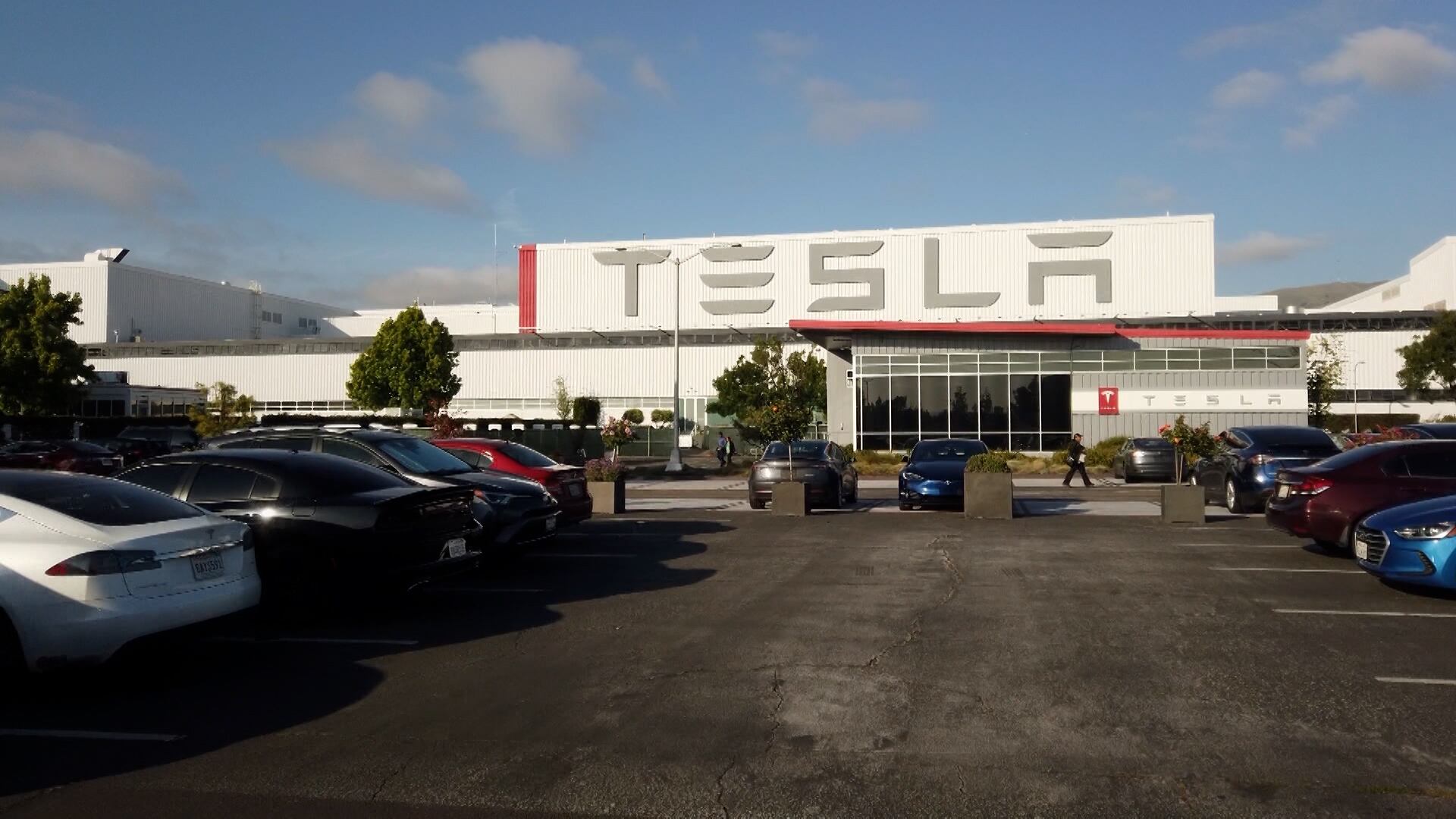
2021 proved to be yet another formidable year for Tesla. In a year that saw electric vehicles carve out their own space in the transportation world, the company made further strides, keeping its spot on top even as new companies threatened competition. Tesla was able to hit the trillion dollar valuation mark, increase vehicle deliveries even as the world grappled with supply chain and delivery issues and sign a major deal with Hertz this year. And of course, you can't talk about Tesla without talking about Elon Musk, CEO and founder of the company, richest man in the world and Time Magazine Person of the Year, who saw plenty of successes in 2021 as well. Al Root, Senior Writer at Barron’s, explains just how good a year it was for Tesla.
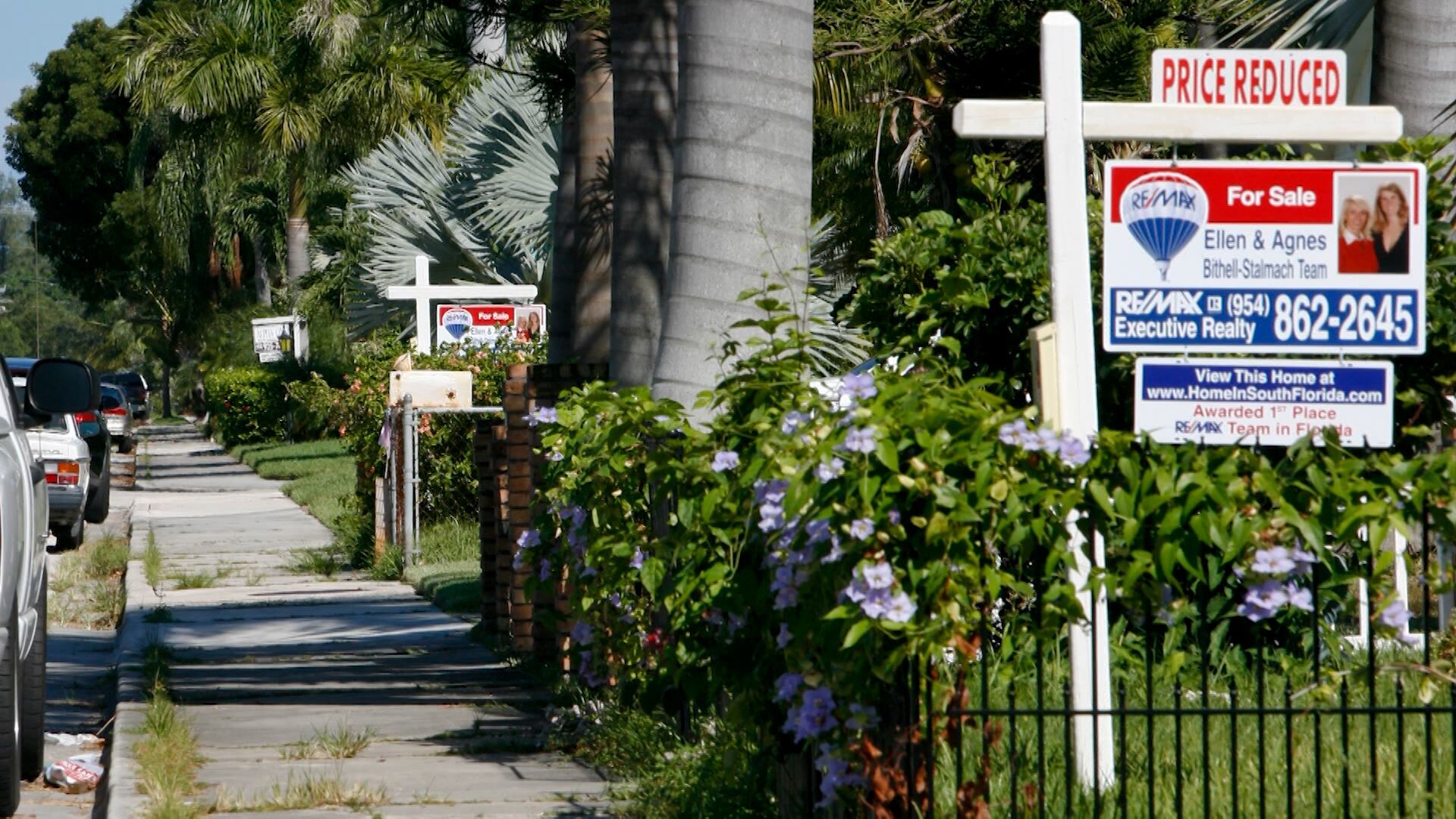
The S&P CoreLogic Case-Shiller 20-city home price index showed an 18.4 percent surge in October as the housing market continues to boom. October's levels are a slight downturn from the roughly 19 percent increase the index saw in September, but come roughly in line with economist expectations. Michael J. Romer, Managing Partner, Romer Debbas joined Wake Up with Cheddar to discuss.
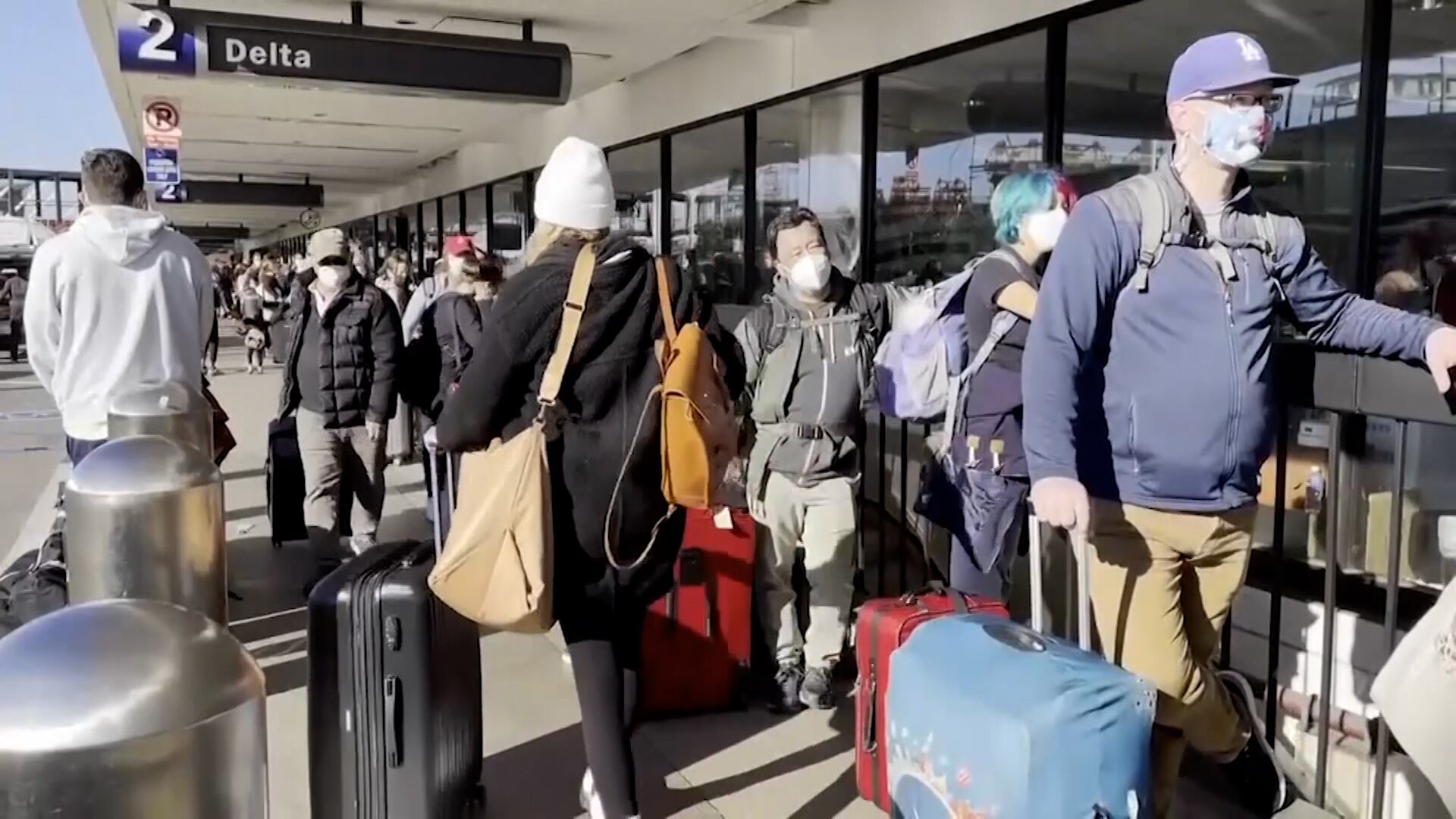
U.S. airlines have canceled more than 6,000 flights since Christmas eve, causing headaches for travelers.
Airlines cited staffing shortages amid the omicron outbreak as the primary reason for the interruptions to service. The cancellations come at the busiest time of year for air travel. Steve Shur, President, The Travel Technology Association joined Wake Up with Cheddar to discuss.
Dr. Soumi Eachempati, co-founder and CEO of Cleared4 and former professor of surgery and public health at Weill Cornell Medical College, joined Cheddar to breakdown what people should know about the recently FDA-approved emergency use of Merck and Pfizer's COVID-19 treatment pills. He noted that not only do people need to be aware of other medications they are taking that could cause adverse effects if coupled with COVID-19 pill treatments, he also talked about the intense in-take regiment. "The Merck pills are actually about 40 pills over five days. The Pfizer ones are three pills over five days, so people have to be prepared for that because it is a lot of pills you'll have to take to get full value from these drugs," Eachempati told Cheddar.
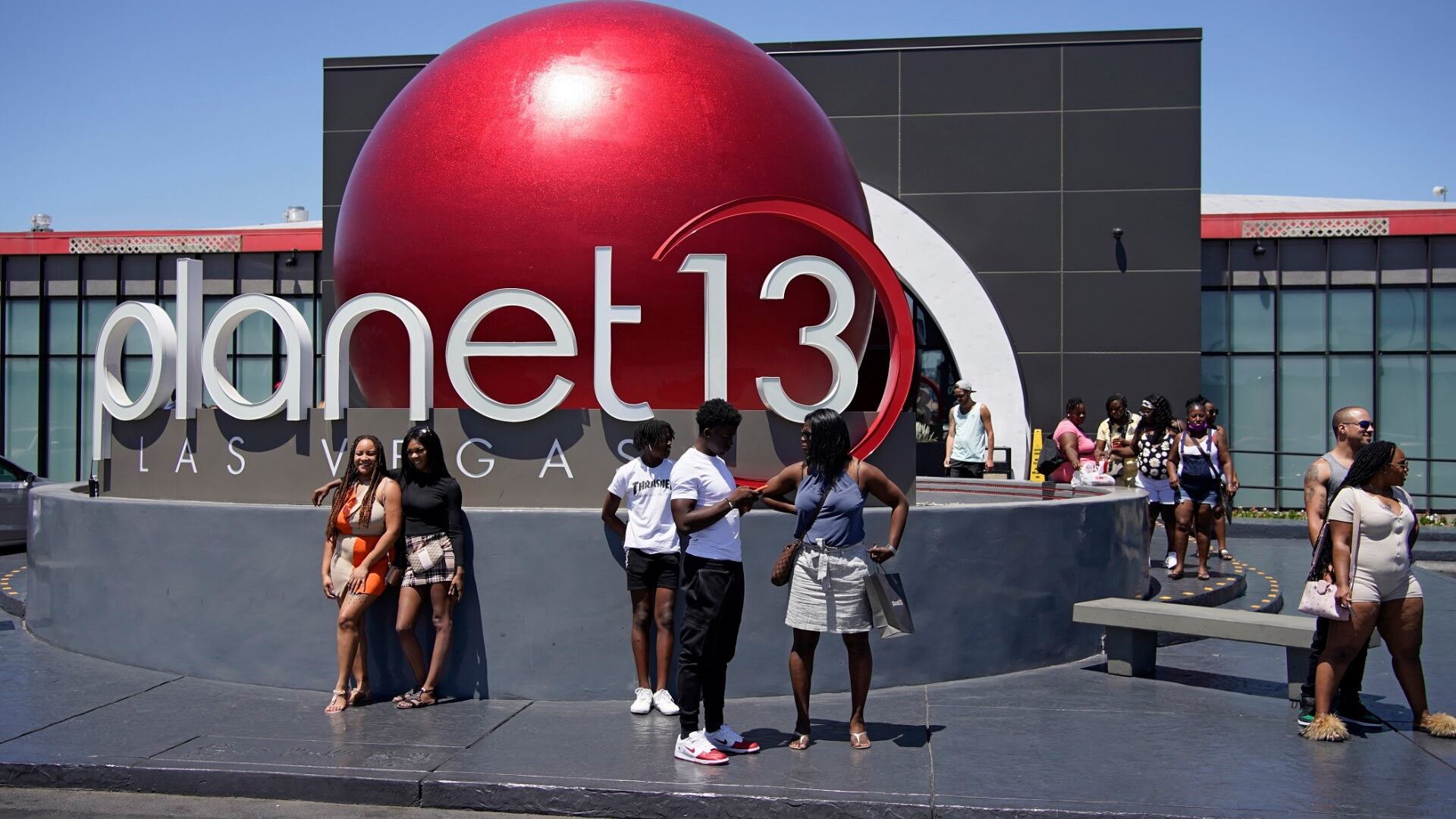
Adult-use cannabis sales kicked off in Nevada in 2017, but four years later, there isn’t a legal way for the 40 million tourists who visit the state annually to consume. That’s all about to change. Following the passage in June of a bill to legalize consumption lounges, the world’s largest dispensary, Planet 13, is planning a cannabis club as extravagant as Las Vegas. Cheddar’s Chloe Aiello visited the cannabis entertainment complex to find out more.