The Centers for Disease Control and Prevention (CDC) on Monday warned that a deadly fungus called Candida auris (C. auris) is spreading at an "alarming rate" in the U.S. healthcare facilities.
“The rapid rise and geographic spread of cases is concerning and emphasizes the need for continued surveillance, expanded lab capacity, quicker diagnostic tests, and adherence to proven infection prevention and control,” said CDC epidemiologist Dr. Meghan Lyman, lead author of the paper, in a press release.
Adding to the agency's concerns, the number of infections that were resistant to echinocandins, which is the antifungal medicine most commonly used to treat C. auris infections, tripled in 2021.
The CDC classified C. auris as an "urgent antimicrobial resistance (AR) threat," meaning "it is often resistant to multiple antifungal drugs, spreads easily in healthcare facilities, and can cause severe infections with high death rates."
Between 2016, when C. auris was first reported, and 2021, there have been a total of 3,270 clinical cases reported and 7,413 screening cases.
The agency said "poor general infection prevention and control (IPC) practices in healthcare facilities" are responsible for the spread. However, expanded efforts to detect cases is also responsible for the jump in reported cases.
Fans will be banned from the Tokyo area’s stadiums and arenas when the Olympic Games begin in two weeks.
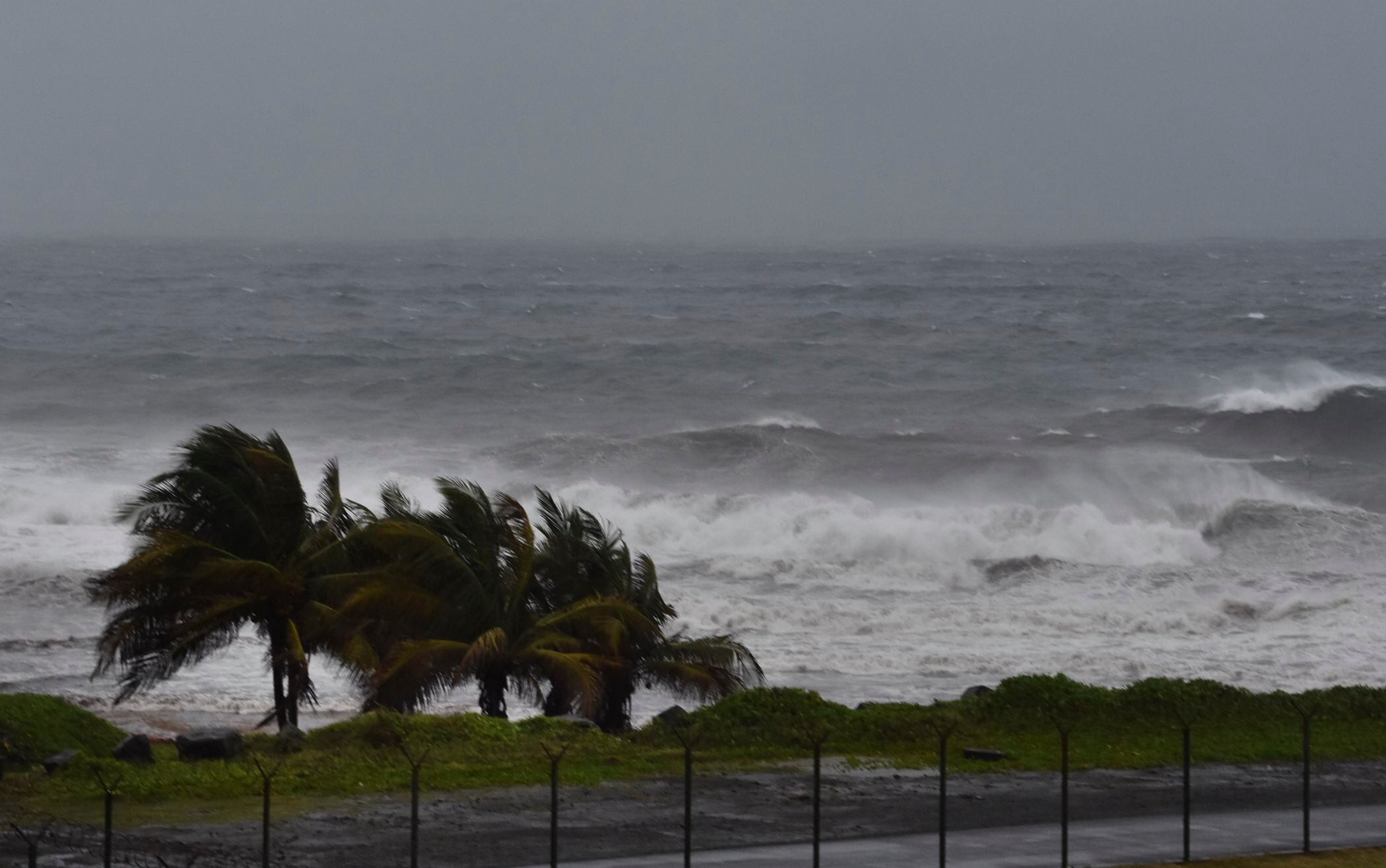
The National Hurricane Center says Tropical Storm Elsa is strengthening and could became a hurricane before making landfall along Florida’s northern Gulf coast.
Elsa has strengthened into the first hurricane of the Atlantic season and it's blowing off roofs and snapping trees in the eastern Caribbean.
The Biden administration says it is hiring more federal firefighters — and immediately raising their pay — as officials ramp up response efforts in the face of a severe drought that's setting the stage for another destructive summer of intense wildfires across the West.
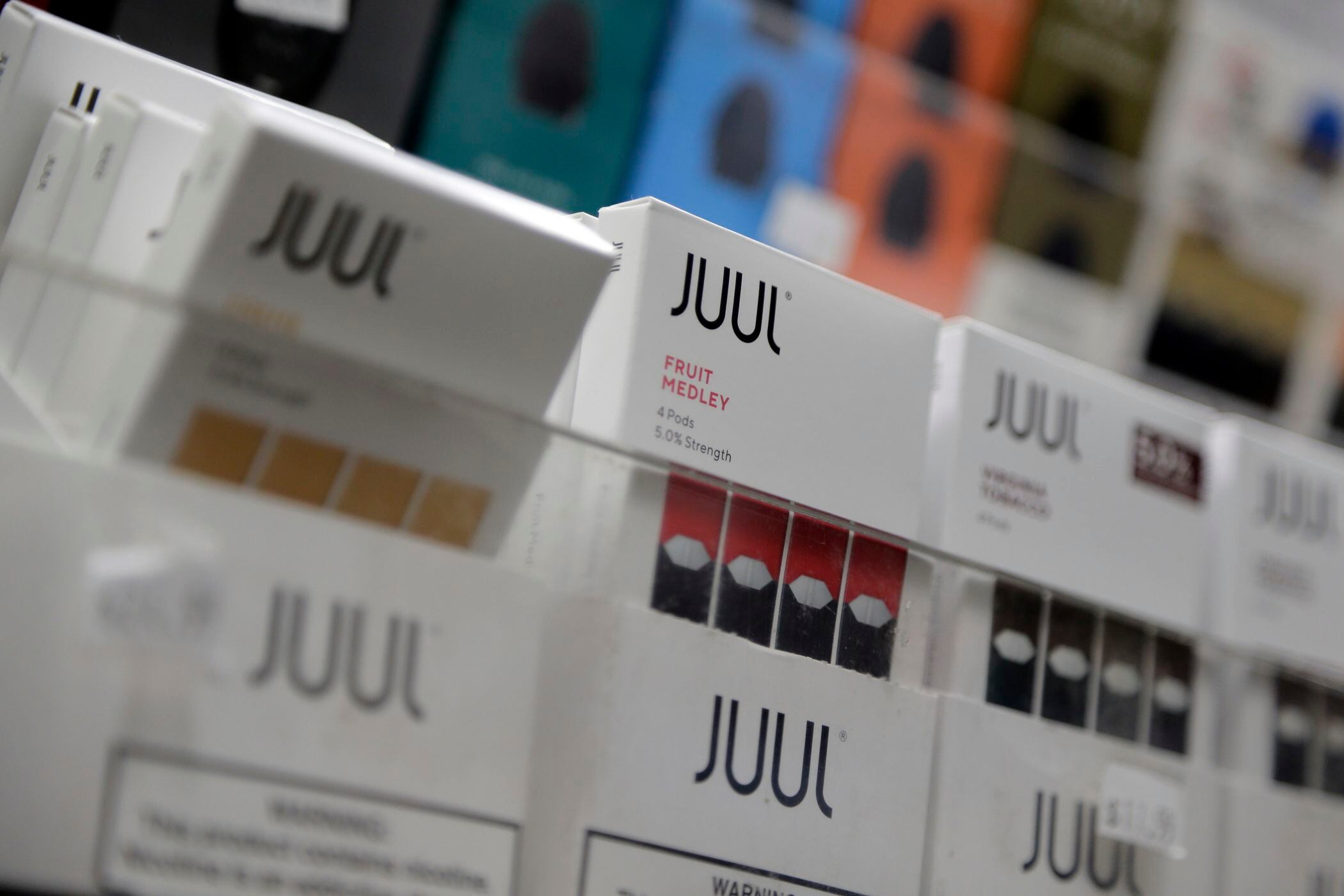
Electronic cigarette giant Juul Labs Inc. will pay $40 million to North Carolina and take more action to prevent underage use and sales.
Danish toymaker Lego has presented its first building bricks made from recycled drinks bottles — an experimental project that if successful could eventually go into production.
Human stampedes have been a chronically understudied topic and there's been an uptick in reported crushes as populations have increased.
The Tokyo Olympics are not looking like much fun: Not for athletes. Not for fans. And not for the Japanese public.
Australia says it will fight against plans to downgrade the Great Barrier Reef’s World Heritage status due to climate change, while environmentalists are applauding the U.N. World Heritage Committee’s proposal.
A sharply limited number of fans will be allowed to attend the Tokyo Olympics. The decision announced Monday comes as organizers try to save some of the spirit of the Games where even cheering has been banned.