The Centers for Disease Control and Prevention (CDC) on Monday warned that a deadly fungus called Candida auris (C. auris) is spreading at an "alarming rate" in the U.S. healthcare facilities.
“The rapid rise and geographic spread of cases is concerning and emphasizes the need for continued surveillance, expanded lab capacity, quicker diagnostic tests, and adherence to proven infection prevention and control,” said CDC epidemiologist Dr. Meghan Lyman, lead author of the paper, in a press release.
Adding to the agency's concerns, the number of infections that were resistant to echinocandins, which is the antifungal medicine most commonly used to treat C. auris infections, tripled in 2021.
The CDC classified C. auris as an "urgent antimicrobial resistance (AR) threat," meaning "it is often resistant to multiple antifungal drugs, spreads easily in healthcare facilities, and can cause severe infections with high death rates."
Between 2016, when C. auris was first reported, and 2021, there have been a total of 3,270 clinical cases reported and 7,413 screening cases.
The agency said "poor general infection prevention and control (IPC) practices in healthcare facilities" are responsible for the spread. However, expanded efforts to detect cases is also responsible for the jump in reported cases.
The Biden administration has announced sweeping new pandemic rules for federal workers and some contractors.
U.S. regulators have taken action that will make it easier to get a cheaper and similar version of a brand-name insulin at the drugstore.
The Centers for Disease Control and Prevention is reversing course on some masking guidelines. The agency announced new recommendations Tuesday that even vaccinated people should return to wearing masks indoors in parts of the U.S.
Vaccine Mandates, Osaka Out & LeVar Burton Takes Jeopardy!
New York City will require all municipal workers to get coronavirus vaccines by mid-September or face weekly COVID-19 testing.
Team USA's Uneven Start, Optimism Plummets & 'Old' Stuns Box Office
The flame at Tokyo’s National Stadium and another cauldron burning along the waterfront near Tokyo Bay throughout the games will be sustained in part by hydrogen, the first time the clean fuel source will be used to power an Olympic fire.
Australia has garnered enough international support to defer for two years an attempt by the United Nations’ cultural organization to downgrade the Great Barrier Reef’s World Heritage status because of damage caused by climate change.
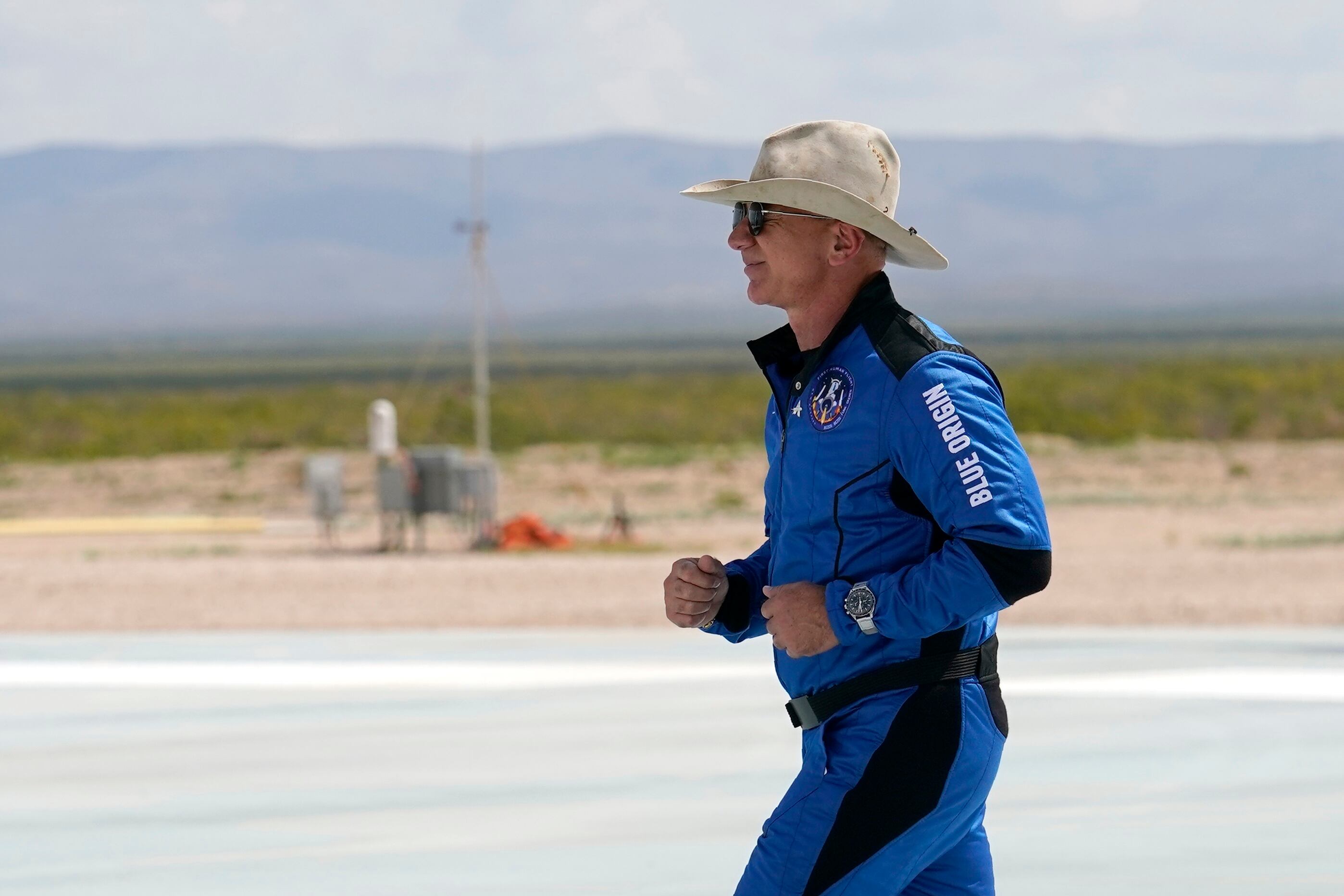
Amazon founder Jeff Bezos, along with three civilians, launched into space aboard a rocket and capsule developed by his private spaceflight company, Blue Origin. The highly-anticipated, historic flight lasted for about 11 minutes. This comes after Sir Richard Branson flight with Virgin Galatic nine days ago. Senior national correspondent from POLITICO Bryan Bender joined Cheddar News to discuss what the launch means for the future of space tourism.
The Canada goose isn't native to Long Island, New York but now flocks of them are permanent residents. While most are migratory, some have made their homes in the area especially as more wild areas turn into green spaces for parks, housing developments, and businesses. Long Island Geese Control has found a solution to get rid of the birds without using chemicals or harming them: They send in specially trained border collies to chase them away. President and CEO Bill Alemaghides joined Cheddar News to tell us more.