The Centers for Disease Control and Prevention (CDC) on Monday warned that a deadly fungus called Candida auris (C. auris) is spreading at an "alarming rate" in the U.S. healthcare facilities.
“The rapid rise and geographic spread of cases is concerning and emphasizes the need for continued surveillance, expanded lab capacity, quicker diagnostic tests, and adherence to proven infection prevention and control,” said CDC epidemiologist Dr. Meghan Lyman, lead author of the paper, in a press release.
Adding to the agency's concerns, the number of infections that were resistant to echinocandins, which is the antifungal medicine most commonly used to treat C. auris infections, tripled in 2021.
The CDC classified C. auris as an "urgent antimicrobial resistance (AR) threat," meaning "it is often resistant to multiple antifungal drugs, spreads easily in healthcare facilities, and can cause severe infections with high death rates."
Between 2016, when C. auris was first reported, and 2021, there have been a total of 3,270 clinical cases reported and 7,413 screening cases.
The agency said "poor general infection prevention and control (IPC) practices in healthcare facilities" are responsible for the spread. However, expanded efforts to detect cases is also responsible for the jump in reported cases.
Scientists at the Smithsonian National Museum of Natural History joined Cheddar to discuss the possibility that the world is undergoing its sixth mass extinction event.
World leaders are promising to protect the world’s forests, cut methane emissions and help South Africa wean itself off coal at the U.N. climate summit.
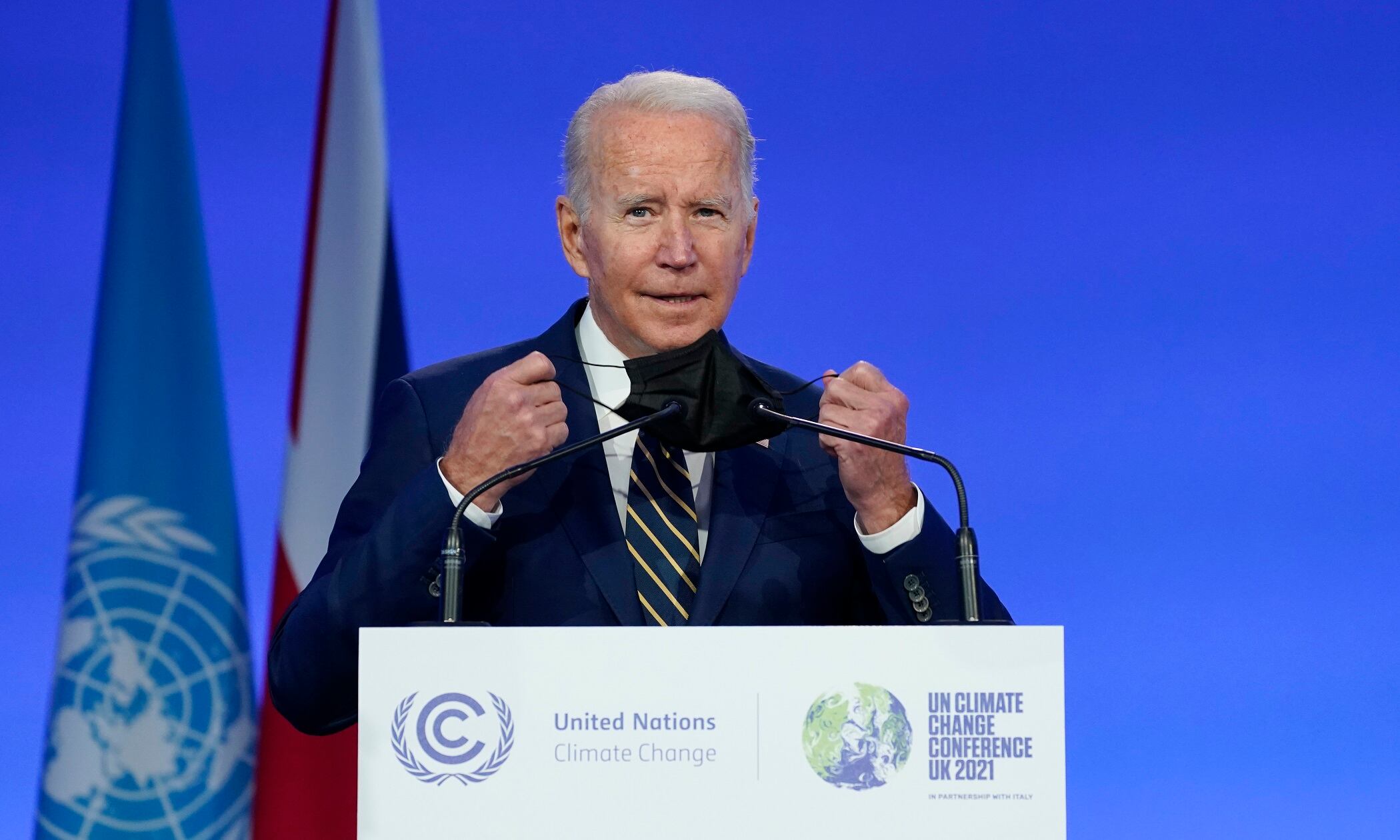
President Joe Biden is taking a markedly more humble tone for a U.S. leader on climate change.
British Prime Minister Boris Johnson has opened a global climate summit, saying the world is strapped to a “doomsday device.”
A new study found a cheap antidepressant reduced the need for hospitalization among high-risk adults with COVID-19.
A group of prominent academics and activists are calling on banks and insurers to avoid the kind of systemic collapse that crippled the world economy back in 2008.
SpaceX is resolving toilet spills in its capsules before it launches another crew for NASA. Liftoff is currently set for early Sunday from Florida's Kennedy Space Center.
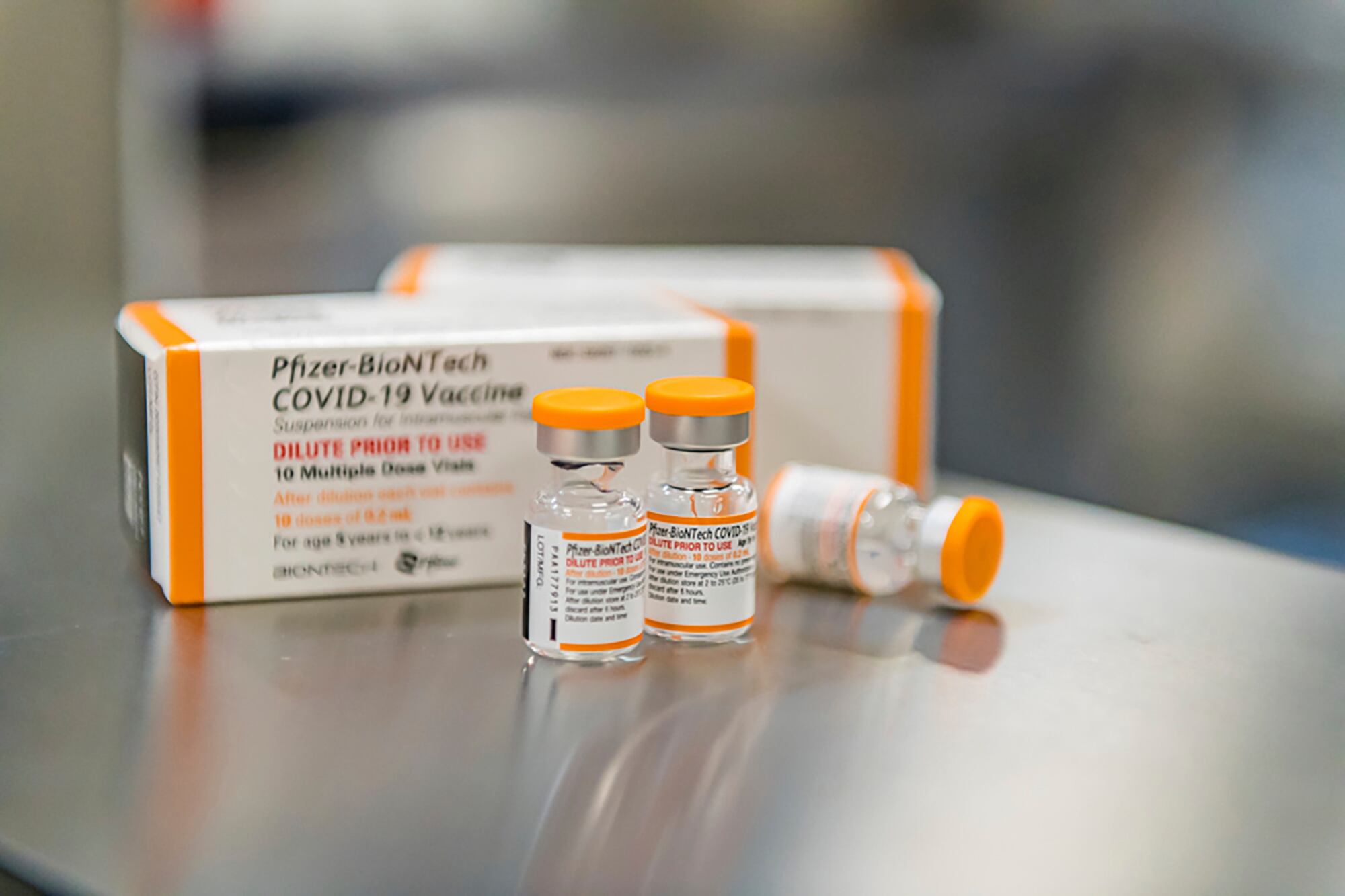
U.S. health advisers have endorsed kid-size doses of Pfizer's COVID-19 vaccine for younger children.
Last spring, as false claims about vaccine safety threatened to undermine the world's response to COVID-19, researchers at Facebook found they could reduce vaccine misinformation by tweaking how vaccine posts show up on users' newsfeeds.
New York City's first immersive cannabis experience, The Stone Age, is seeking to change the narrative about cannabis, just in time for legalization.