The Centers for Disease Control and Prevention (CDC) on Monday warned that a deadly fungus called Candida auris (C. auris) is spreading at an "alarming rate" in the U.S. healthcare facilities.
“The rapid rise and geographic spread of cases is concerning and emphasizes the need for continued surveillance, expanded lab capacity, quicker diagnostic tests, and adherence to proven infection prevention and control,” said CDC epidemiologist Dr. Meghan Lyman, lead author of the paper, in a press release.
Adding to the agency's concerns, the number of infections that were resistant to echinocandins, which is the antifungal medicine most commonly used to treat C. auris infections, tripled in 2021.
The CDC classified C. auris as an "urgent antimicrobial resistance (AR) threat," meaning "it is often resistant to multiple antifungal drugs, spreads easily in healthcare facilities, and can cause severe infections with high death rates."
Between 2016, when C. auris was first reported, and 2021, there have been a total of 3,270 clinical cases reported and 7,413 screening cases.
The agency said "poor general infection prevention and control (IPC) practices in healthcare facilities" are responsible for the spread. However, expanded efforts to detect cases is also responsible for the jump in reported cases.
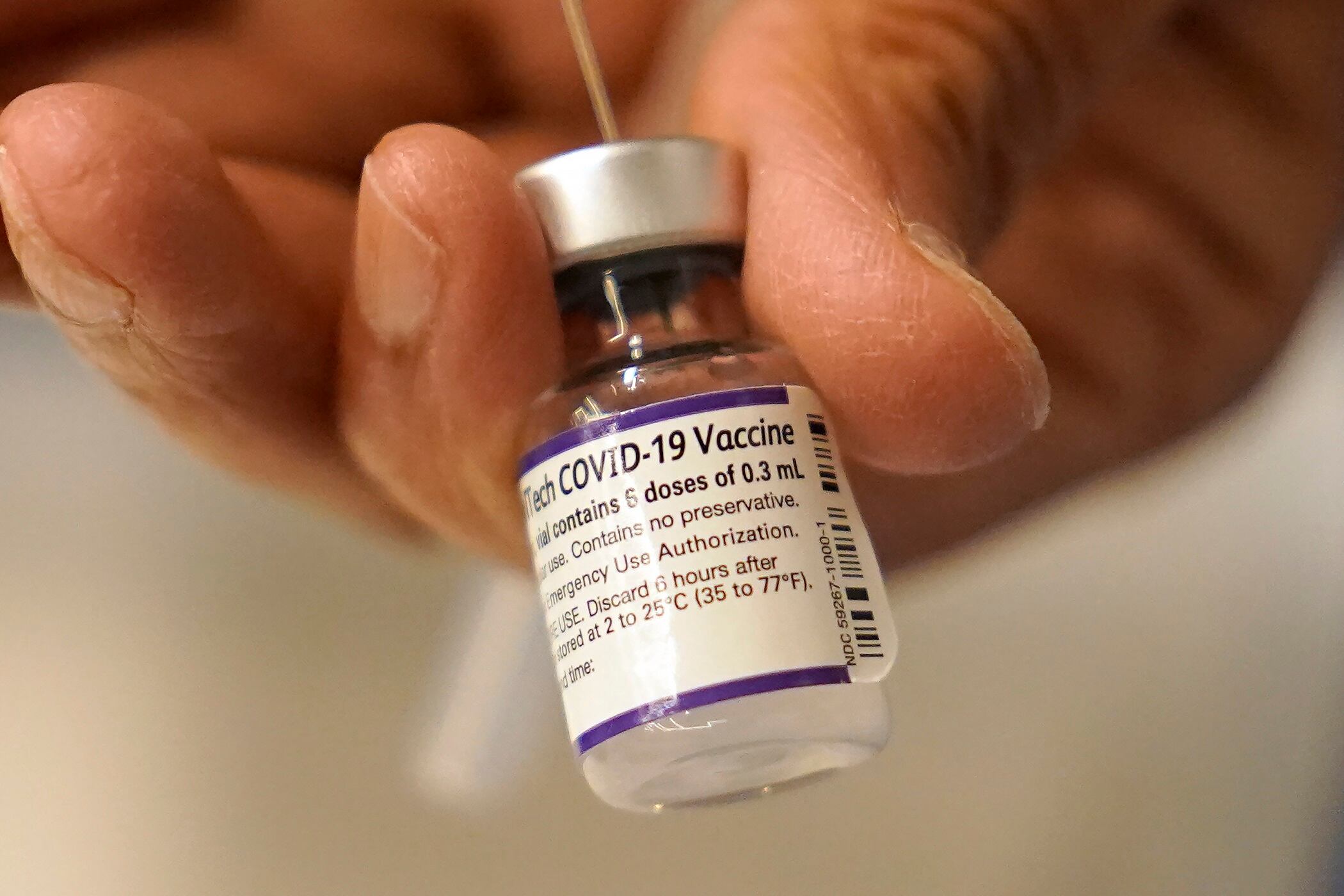
Pfizer says a booster dose of its COVID-19 vaccine appears to offer important protection against the new omicron variant.
A Japanese billionaire and his producer rocketed to space on Wednesday and reached the International Space Station several hours later.
Hawaii Flooding, Beijing Boycott & Disrupting Death
With rising numbers of COVID-19 cases predicted this winter, President Joe Biden is appealing for Americans to get their boosters and get behind his plan to tackle the new omicron variant through wider availability of vaccines and shots.
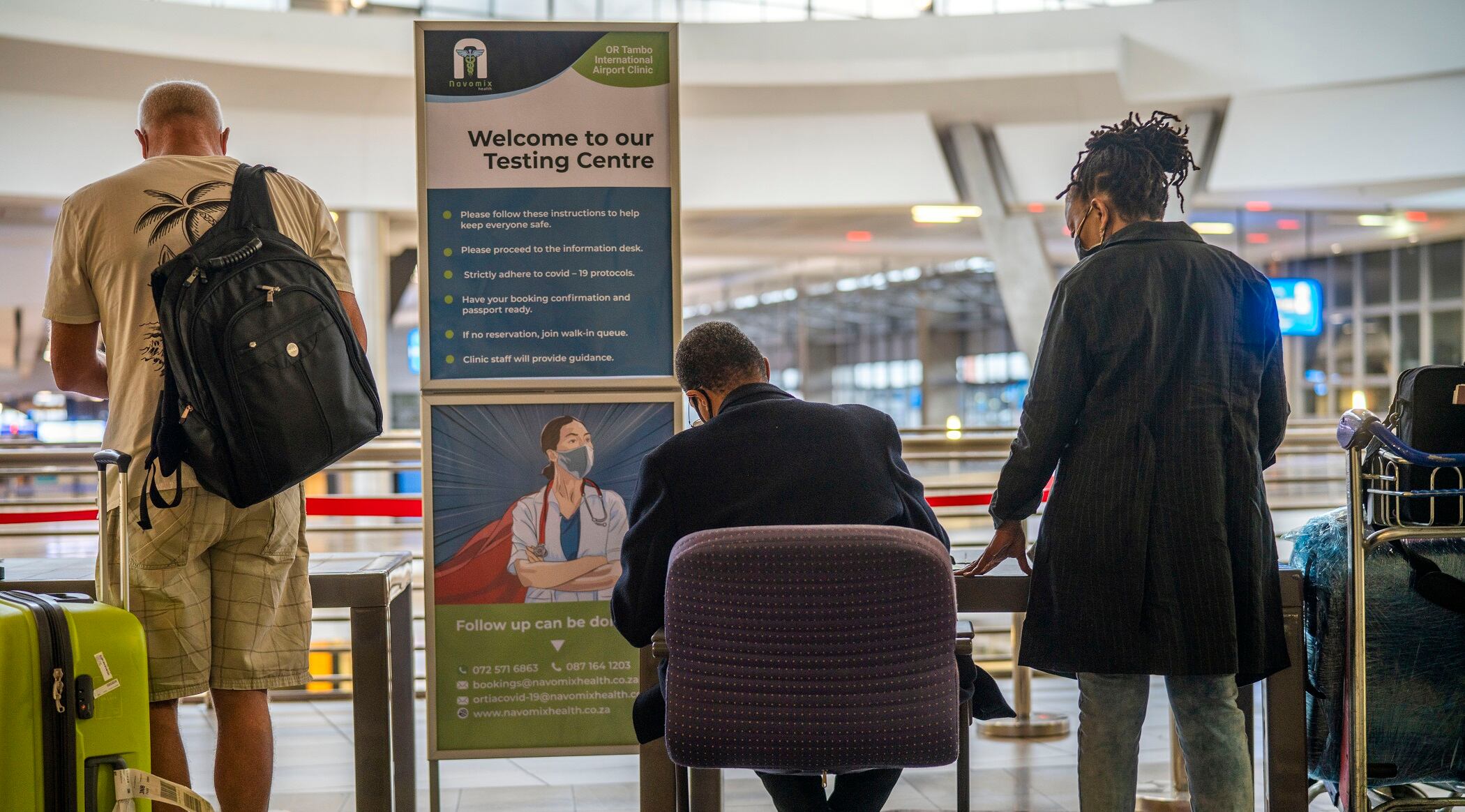
The U.S. identified its first known case of the omicron variant Wednesday — in a vaccinated traveler returning to California from South Africa — as scientists around the world raced to establish whether the new, mutant version of the coronavirus is more dangerous than the previous ones.
A person in California has become the first in the U.S. to have an identified case of the omicron variant of COVID-19.
The Supreme Court’s conservative majority is signaling it will uphold Mississippi’s 15-week ban on abortion — and may go much further to overturn the nationwide right to abortion that has existed for nearly 50 years.
The world is confronting a new coronavirus variant, and officials have named it “omicron." A World Health Organization panel has classified it as a highly transmissible virus of concern.
Australia’s Great Barrier Reef is spawning in an explosion of color as the World Heritage-listed natural wonder recovers from life-threatening coral bleaching episodes.
Climate change that may have contributed to a lobster boom in Maine could soon lead to a bust. Chloe Aiello reports.