"Cardi with a cause" is at the center of a new collaboration between the nonprofit Dress for Success, O Magazine, and women's retailer Talbots, which launched Tuesday.
Five cardigans are part of the capsule collection, but women can also donate professional clothes to Talbots to participate.
CBS's Gayle King, while wearing one of the cardigans, told Cheddar the effort offers a way for women to look good in all work situations.
"It's one of those win-win-win situations," she said. "When you look good, you feel good, you do good, and that's what Dress for Success does."
This is the fifth year that Oprah Winfrey's magazine and Talbots have teamed up to benefit the cause, which aims to help women achieve economic independence.
King said the partnership has continued because of its success and because "we all actually like each other."
O Creative Director Adam Glassman said the partnership has raised over $6 million and helped 150,000 women. During the event, Talbots will donate 30 percent of proceeds to the nonprofit.
"With Dress for Success, they've figured out a way for women to look good in all social work situations and Talbots just adds to that," said King, who is also editor-at-large of O Magazine.
It's important to empower women in the workplace to pay it forward because she said research shows the inclusion of women in the workplace improves companies and helps foster better work environments.
"All the statistics show when women are involved they're more collaborative, they tend to have a really good success rate," she said.
Social media giants including Twitter, Meta, Alphabet, and Pinterest all report earnings this week, and there's plenty to keep an eye on. One big earnings report to watch will be Twitter's, after the company today accepted Tesla CEO Elon Musk's $44 billion bid to take the company private. Investors will also be keeping an eye on ad revenue, user numbers, and more when it comes to Meta's social media networks like Facebook and Instagram. Ted Mortonson, technology strategist at Baird, joins Closing Bell to discuss Musk's Twitter takeover, how Apple's iOS privacy change could continue to impact ad revenue, and more.
Brian Moody, Executive Editor at Autotrader, joined Closing Bell's Ken Buffa to look ahead at what to expect from legacy automakers GM and Ford, as the auto industry attempts to navigate a combination of issues, including supply chain constraints and rising interest rates.
U.S. stocks fell sharply to close Tuesday's session, with the Nasdaq dropping 3.95% and hitting a new one-year low. Frances Newton Stacy, Director of Strategy for Optimal Capital, joins Cheddar News to discuss her reaction to how markets closed the session, and to break down Q3 2022 earnings from Microsoft. "Netflix was sort of the big warning, and I think Big Tech was down today in anticipation of these earnings," she says.
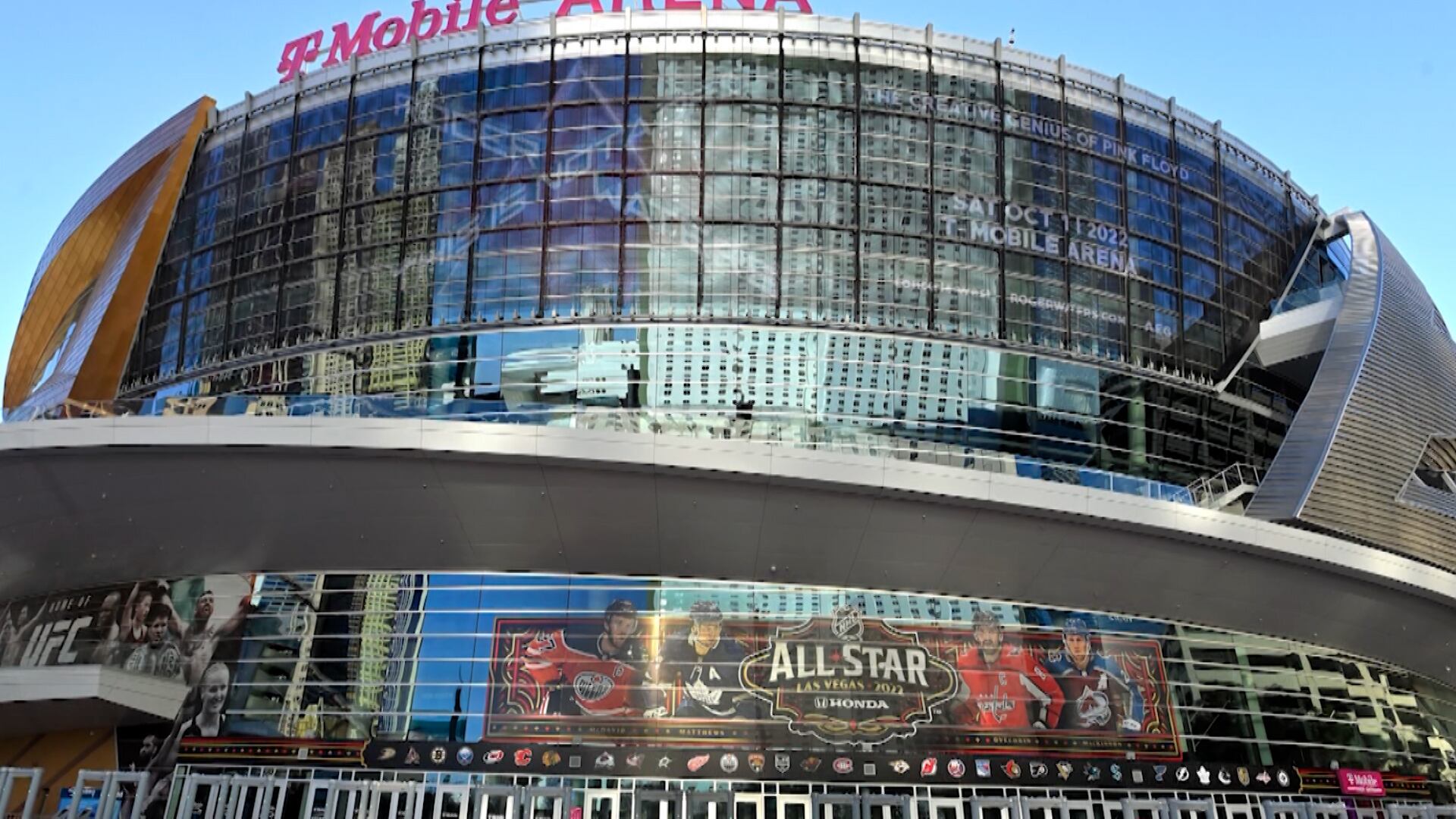
Ryan Glasspiegel, sports and entertainment reporter for the New York Post, explains why we're seeing teams and leagues gravitate towards Las Vegas, and sheds light on the recent report that Amazon is pushing for a Black Friday NFL game.
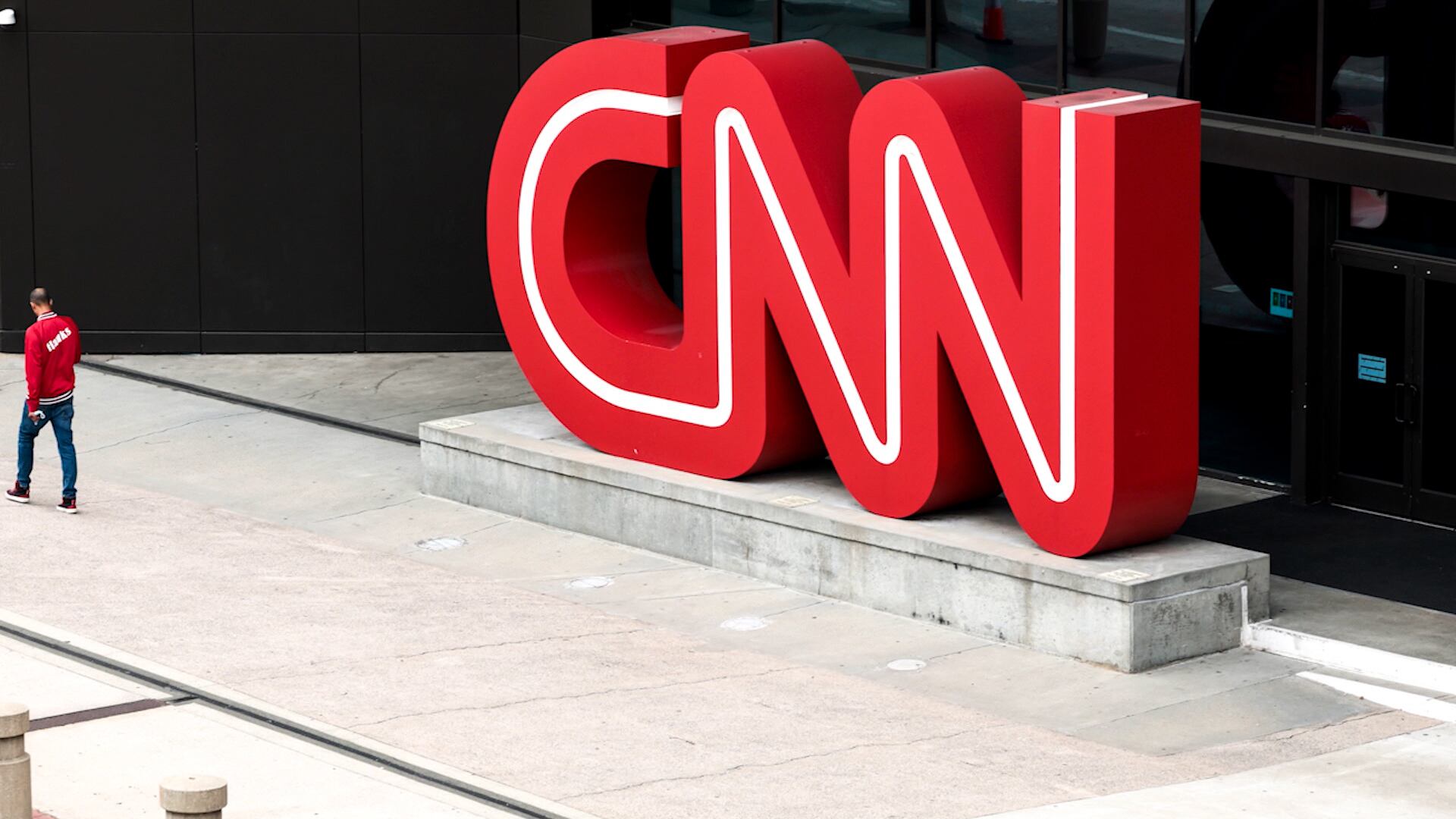
With Netflix losing 200,000 subscribers in one quarter, and CNN+ shutting down just weeks after launch, the streaming industry is in a place of uncertainty. Hundreds of people who once thought they had steady jobs now face potential unemployment as streamers figure out how to navigate the constantly changing landscape. Greg Martin, co-founder of Rainmaker Securities, joined Cheddar's Opening Bell to discuss the state of streaming, its troubles, and how its impacting hundreds of workers.
Lance Ippolito, Head Trader at the Future Of Wealth, breaks down the most significant headwinds facing big tech and highlights how companies will fair amid high inflation.
In honor of Earth Day, Peter Krull, Founder and CEO of Earth Equity Advisors, joined Cheddar's Opening Bell to discuss how we can keep corporations accountable to their climate change promises. He argued the recent focus on ESGs and sustainable investing in some ways "has made it easier and more accessible to folks, but it's also made it easier for companies to be misleading in how they portray themselves."