U.S. Capitol Police with guns drawn stand near a barricaded door as protesters try to break into the House Chamber at the U.S. Capitol on Wednesday, Jan. 6, 2021, in Washington. (AP Photo/Andrew Harnik)
By Ben Fox, Ashraf Khalil, and Michael Balsamo
Protesters backing President Donald Trump breached the U.S. Capitol on Wednesday in violent clashes with police that force a delay in the constitutional process to affirm Joe Biden’s victory in the November election.
Trump had urged his supporters to come to Washington to protest Congress’ formal approval of Biden’s win. Several Republican lawmakers have backed his calls, despite there being no evidence of fraud or wrongdoing in the election.
Both chambers abruptly recessed as dozens of people breached security perimeters at the Capitol and lawmakers inside the House chamber were told to put on gas masks as tear gas was fired in the Rotunda.
A chaplain prayed as police guarded the doors to the chamber and lawmakers tried to gather information about what was happening.
An announcement was played inside the Capitol as lawmakers were meeting and expected to vote to affirm Biden's victory. Due to an “external security threat,” no one could enter or exit the Capitol complex, the recording said.
Both chambers abruptly went into recess. The District of Columbia's Mayor, Muriel Bowser, issued a curfew for 6 p.m.
The skirmishes occurred outside in the very spot where president-elect Biden will be inaugurated in just two weeks.
Protesters tore down metal barricades at the bottom of the Capitol’s steps and were met by officers in riot gear. Some tried to push past the officers who held shields and officers could be seen firing pepper spray into the crowd to keep them back. Some in the crowd were shouting “traitors” as officers tried to keep them back.
A suspicious package was also reported in the area, Capitol Police said.
The skirmishes came just shortly after Trump addressed thousands of his supporters, riling up the crowd with his baseless claims of election fraud at a rally near the White House on Wednesday ahead of Congress' vote.
“We will not let them silence your voices,” Trump told the protesters, who had lined up before sunrise to get a prime position to hear the president.
Updated on January 6, 2021, at 3:09 p.m. ET with the latest information.
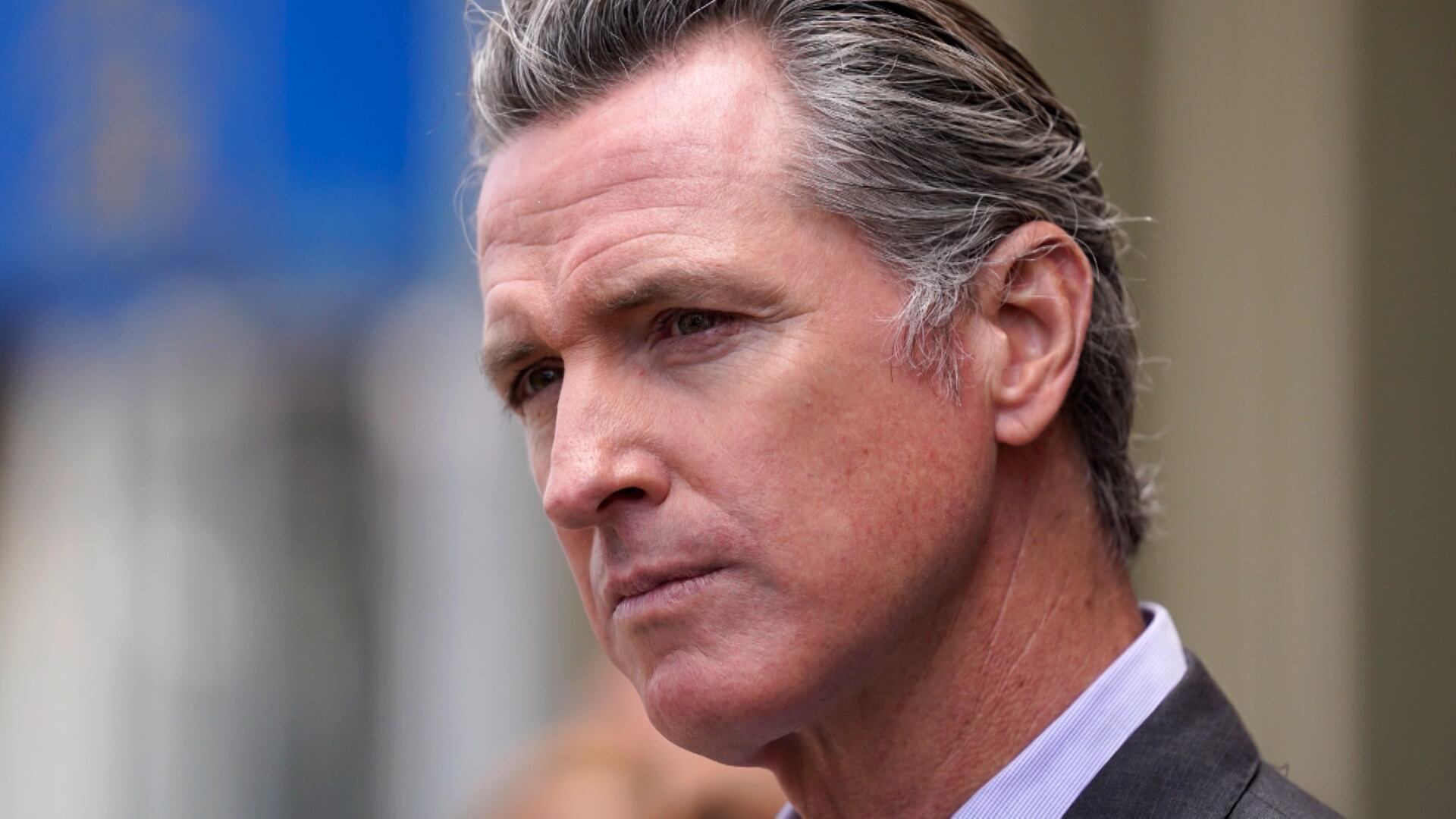
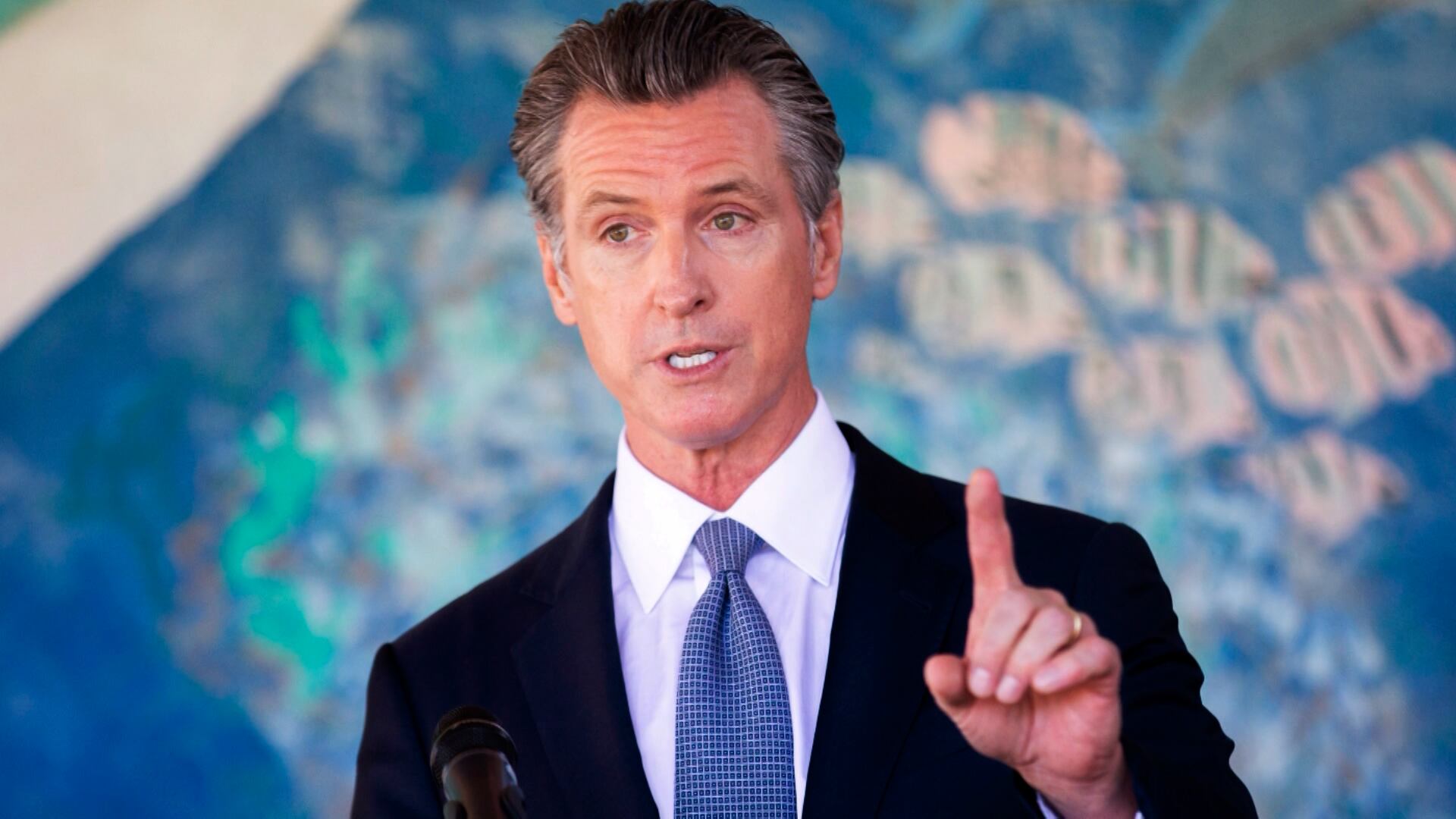
Emily Hoeven, newsletter editor at CalMatters, joins Cheddar News to discuss California Governor Gavin Newsom's gun law modeled after Texas's abortion law.
Chuck Rocha, host of 'Nuestro' podcast and opinion contributor at The New York Times, joins Cheddar News to discuss why Democrats are losing Hispanic voters.
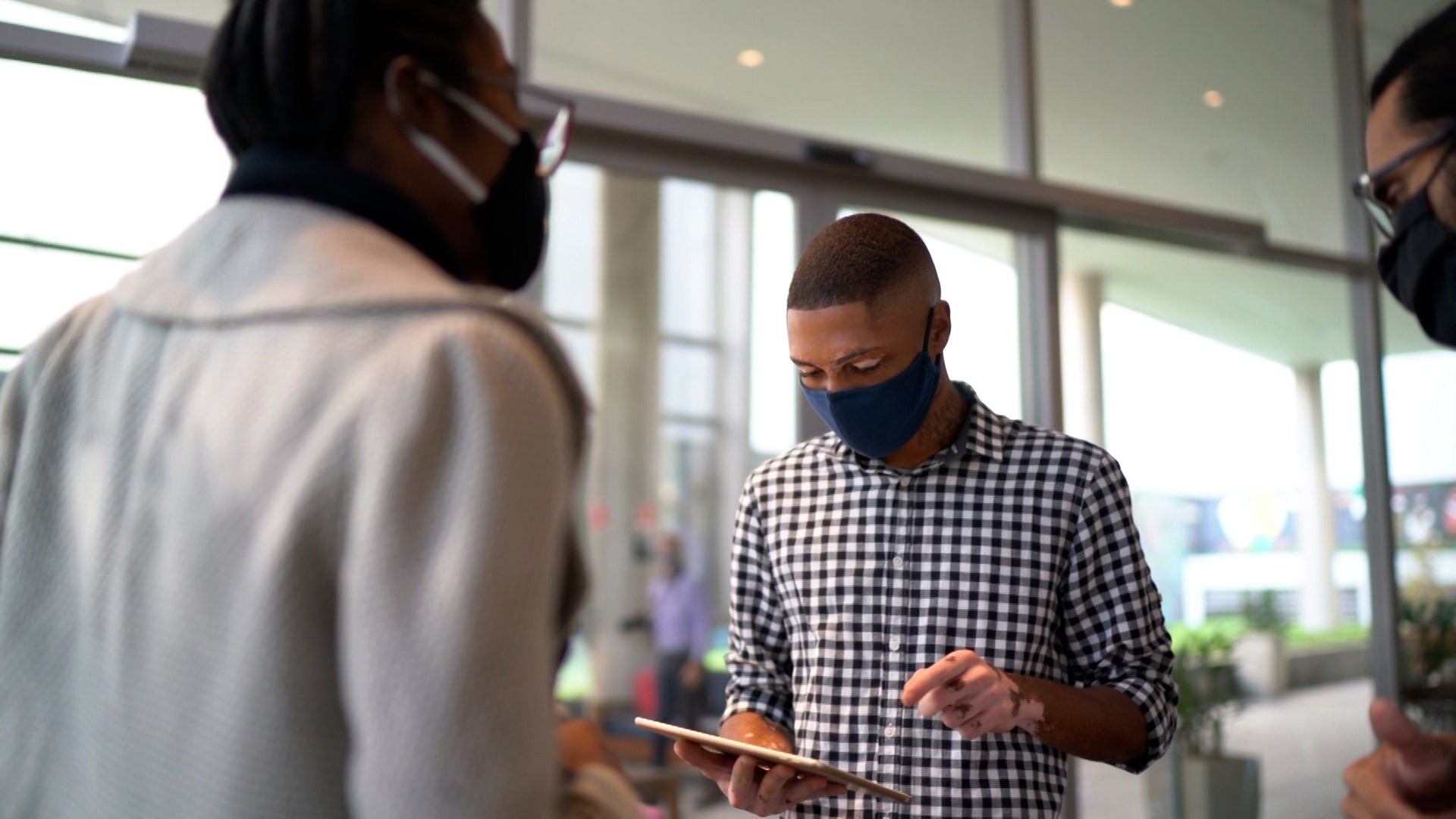
More businesses are requiring workers to return to the office, but there is concern that many employees in the middle class, especially women and people of color, need remote work options for reasons including childcare and financial security. Joan Williams, director of the Center for WorkLife Law at the University of California, joined Cheddar to discuss why office mandates could be detrimental to the middle class. She noted that while companies claim a return to offices would help foster more collaboration and efficiency, reports show that they are successfully able to do their jobs from home.
The U.S. postal service has confirmed that it secretly developed and tested a blockchain-based mobile voting system ahead of the 2020 election. Susan Greenhalgh, senior advisor on election security, Free Speech for People, joins Cheddar News to discuss the cybersecurity complications of a mobile voting system.
The U.S. Supreme Court ruled to allow the controversial Texas abortion law to remain in effect, banning abortion at six weeks and allowing any private citizen to sue a person or doctor aiding or abetting someone seeking an abortion. Outraged at this decision, California Governor Gavin Newsom is working to draft a proposal in line with the law as it relates to guns. Shawn Hubler, California correspondent at the New York Times, joins Cheddar News to discuss.
Even as tech giant Google implements a vaccination mandate, charging its employees to declare their vaccine status within a time frame or risk dismissal, the federal government is tangled up in the court system trying to impose one of its own. Cindy Cohn, the executive director of the Electronic Frontier Foundation, and Harry Nelson, founder and managing partner of Nelson Hardiman LLP, joined Cheddar to debate the ethics, efficacy, and legality surrounding the issue. While Cohn noted that she thinks the federal mandate might be legally sound, her organization is also concerned with a separate question of privacy. "At EFF what we're most interested in is the digital surveillance that's going along with some of these attempts to try to track and confirm whether people are vaccinated or not," she said.