Rep. Eric Swalwell (D-Calif. 15th District) is urging his Republican colleagues to get onboard with President Joe Biden's sweeping $2.3 trillion infrastructure plan, saying that the bill addresses many issues that plagued the country even before the onset of the coronavirus pandemic.
"We know that as Americans get back to work, as the economy reopens, we'll be reminded of our crumbling infrastructure," Swalwell told Cheddar.
"Americans want to spend less time in their cars and more time with their families, so that means investing in rails, additional highways, roads, bridges, tunnels."
Swalwell also noted the potential for broadband expansion under the Biden proposal, particularly for students who have lacked access to adequate internet service during the establishment of distance learning.
The president's infrastructure plan calls for a hike in corporate taxes from 21 percent to 28 percent, a move that many Republicans have come out against though the proposal is still below the 35 percent rate that existed before the Trump administration. Swalwell said the GOP has to be "a part of this process" and hopes some are willing to cross the aisle for the benefit of the country at large.
"President Biden ran on a uniting-the-country agenda, and he is reaching across the aisle," Swalwell said. "And I hope he will find partners that will work with him."
"I'm confident, on our side, in the House, we will do what is needed to get done. I hope that on the Republican side in the Senate, that they can achieve 60 votes, meaning at least 10 Republicans cross the aisle for the infrastructure needs that are there."
In hopes of enticing Republican lawmakers to support Biden's plan, the California representative also pointed to the return of earmarks or "member-directed spending," which allow lawmakers to direct funds to specific projects or groups in their districts. Earmarks were temporarily banned by each party in 2011 after President Obama promised to veto any bill containing them during his State of the Union address.
Senate Republicans voted to permanently ban the practice in 2019 but have shown signs they may be willing to re-embrace them, according to The Hill.
Swalwell noted that not only are Democratic lawmakers supporting the American Jobs Plan, their constituents are also backing it.
"I just think good policy is good politics, and if we keep this country open, if the unemployment rate is low, and the economy grows, like Goldman Sachs predicted at 8 percent by the end of the year, I think Americans will want to return to responsible governance to Washington come 2022," he said.
Jill and Carlo discuss the scenes of joy at American airports as borders reopen, another tool in the Covid toolbox, the latest in the Astroworld crowd crush tragedy and more.
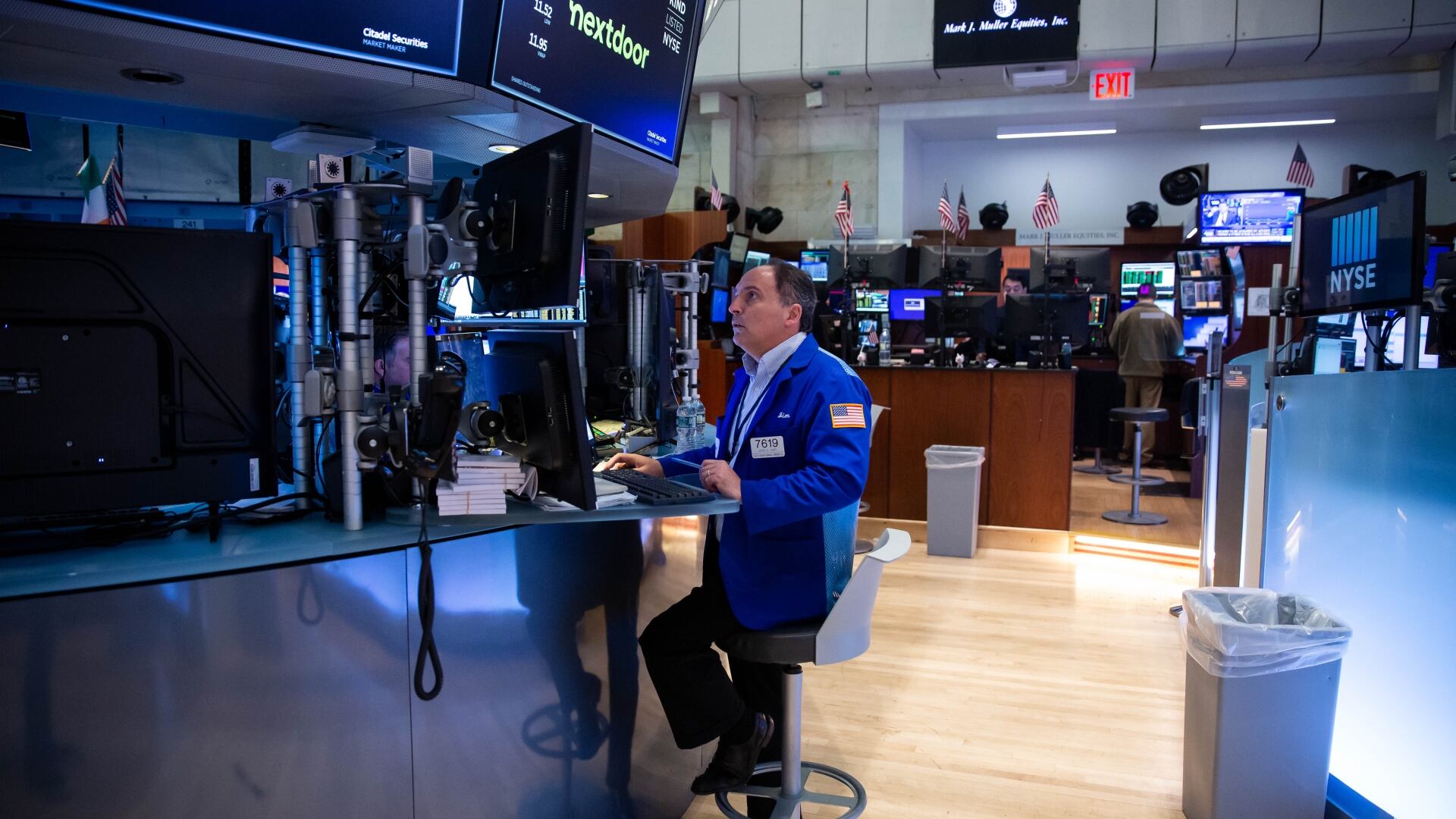
Frank Lee, Managing Director at Miracle Mile Advisors, joins Cheddar News' Closing Bell, where he explains why markets are soaring after the Dow, S&P, Nasdaq, and the Russell 2000 all reached new record closes to begin the trading week.
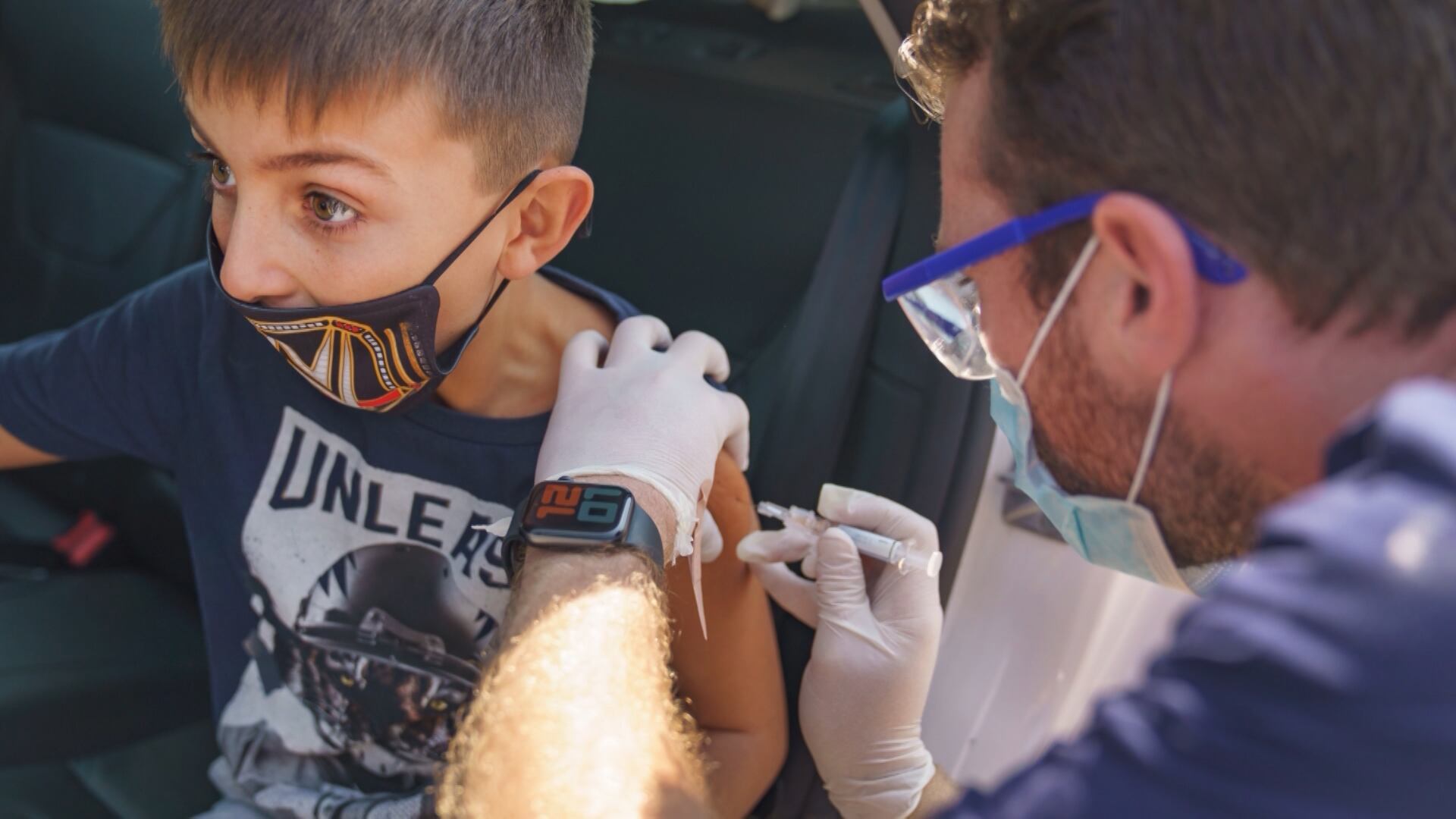
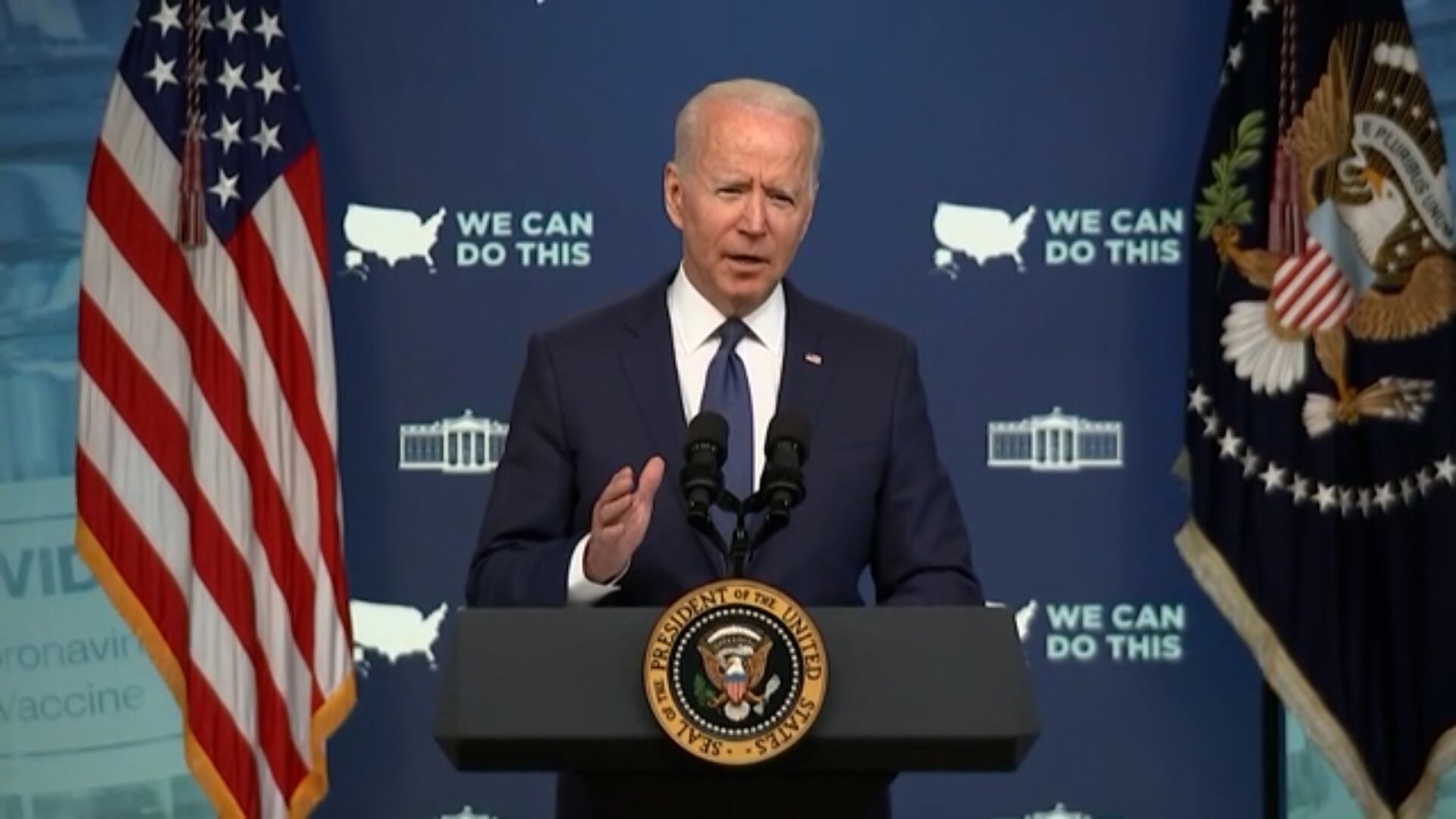
The Biden Administration's mandate for COVID vaccinations by large employers has been put on hold by federal courts as GOP-led states and some businesses push back on the order's legality. Jonathan Adler, a law professor at Case Western Reserve University, joined Cheddar to discuss the legal challenges to implementing such mandates through OSHA (Occupational Safety and Health Administration). "Certainly expanding vaccinations is a good thing, and as vaccination rates go up that's better for all of us," Adler said. "But there are some legal questions about whether or not it's appropriate to use a law about occupational safety and health as the means to do that."
The Biden administration is giving businesses a deadline to implement a vaccination mandate, saying companies can take until after the holiday season. Andew Noymer, Associate Professor of Population Health and Disease Prevention at the University of California, Irvine, joined Cheddar to discuss.
Jacob Rubashkin, reporter and analyst at Inside Elections, joined Cheddar to discuss Republicans' wins on election night and what they mean for Democrats going forward.
James Astill, Washington Bureau Chief at The Economist, joins Cheddar News to discuss the latest issue, 'ONE YEAR ON: The calamity facing Joe Biden and the Democrats.'
Elon Musk asked Twitter if he should sell about $20 billion worth of his Tesla stock and about 58 percent of those who answered said yes. The Tesla CEO pledged to abide by the results of the poll, whichever way it went. Arun Sundararajan, NYU Stern professor & author of "The Sharing Economy: The End of Employment and the Rise of Crowd-Based Capitalism," joined Cheddar to discuss what the Twitter poll says about America's attitude towards billionaires and the nation's tax system.
Dr. Nasia Safdar, Doctor at UW Madison, joined Wake Up With Cheddar to discuss the implications of Merck sharing its antiviral pill, which has been shown in early trials to cut hospitalizations and deaths by half, with poorer nations around the globe.
The Federal Reserve finally announced its taper plan on Wednesday saying that it planned to scale back on bond purchases as growth slows, and would not rush to raise interest rates. Ross Mayfield, Investment Strategy Analyst at Baird spoke on whether or not a decrease in inflation could be in the country’s future amidst comments made by Fed chairman Jerome Powell. Baird also broke down ADP jobs numbers ahead of the Labor Department's October jobs report.