If you've ever used an at-home genetic test, there is a chance your information is not as protected as you think it is. This week, California State Senator Tom Umberg introduced legislation to regulate the sharing of specimens collected through DNA analysis.
"What consumers don't know is the recipient of the specimen, those doing the analysis, may provide that to other entities," Umberg told Cheddar Friday. He said the new legislation will protect consumers and provide them the opportunity to make their own decisions about their data.
Illinois and New York have similar laws on the books. Illinois at the start of 2020 expanded protections for users of genetic testing kits like 23andMe and Ancestry.com
One of the concerns around the sharing of genetic testing is the disclosure of information that may have "health implications and insurance implications and maybe even employment implications," Umberg said. Tests can reveal a predisposition to a disease, information that, if sold to an entity like an insurance company, may affect the user beyond simply taking a test.
He said he became more concerned after the Department of Defense warned personnel not to use home DNA tests.
"If it's affecting national defense, I think consumers should know what's what that information is being used for," the legislator and retired U.S. Army colonel said.
The legislation Umberg introduced, California Senate Bill 980, provides for users to opt-in to letting companies pass on their information to third parties, like if the company offers some kind of compensation.
As commercial options tighten, more travelers are turning to private aviation. Wheels Up CEO George Mattson breaks down capacity and demand challenges.
Layoffs, hiring slowdowns, and shifting skill demands dominate this year’s job talk. LinkedIn’s Kory Kantenga explains what workers should watch for next.
Retailers face tariffs and cost challenges this holiday season. Wells Fargo's Lauren Murphy shares insights on pricing, promotions, and shopping trends.
Dateability, founded by sisters Jacqueline and Alexa Child, is the only dating app for disabled and chronically ill communities, fostering love without limits.
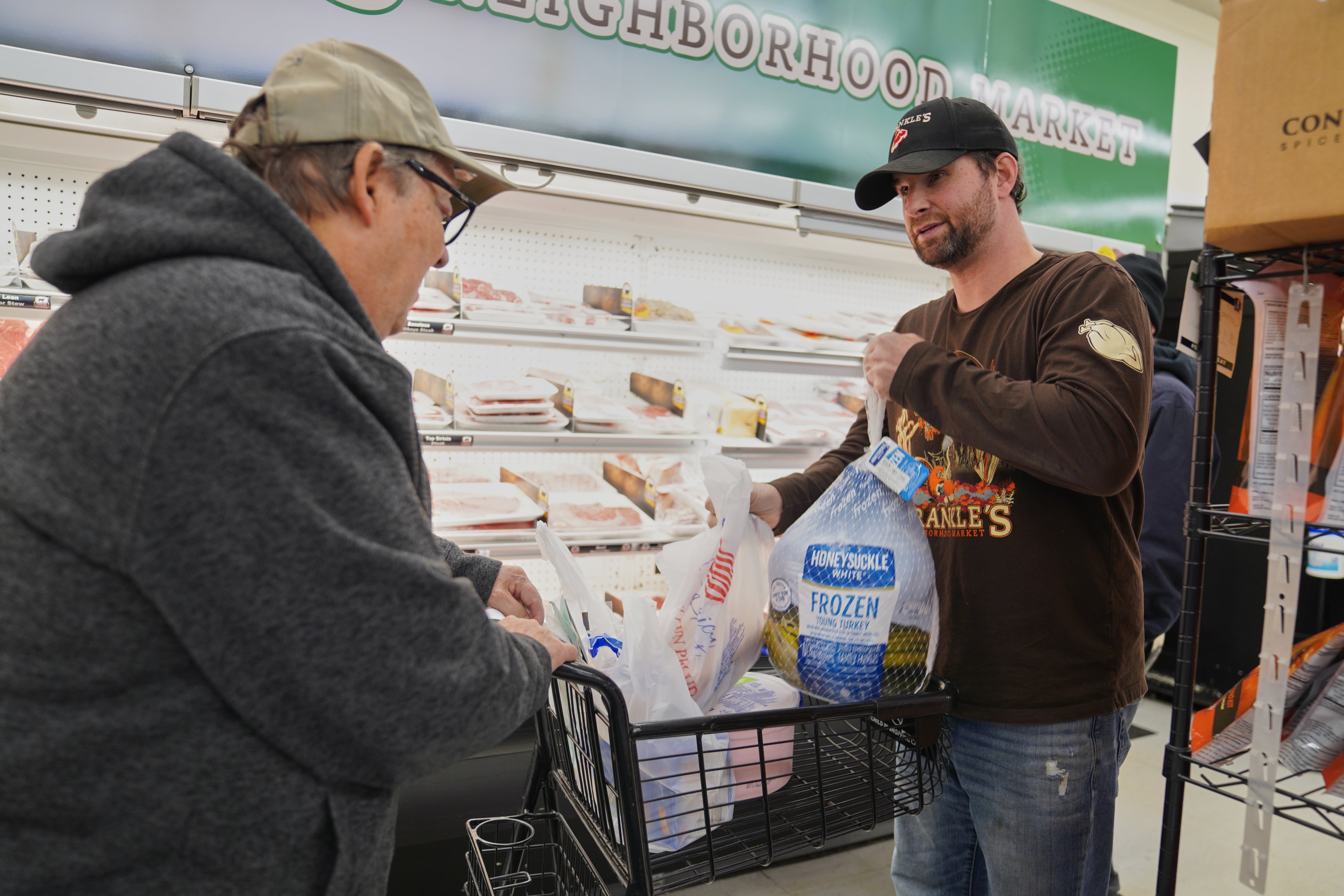
Some small grocery stores and neighborhood convenience stores are eager for the U.S. government shutdown to end and for their customers to start receiving federal food aid again. Late last month, the Trump administration froze funding for the SNAP benefits that about 42 million Americans use to buy groceries. The U.S. Department of Agriculture says about 74% of the assistance was spent last year at superstores like Walmart and supermarkets like Kroger. Around 14% went to smaller stores that are more accessible to SNAP beneficiaries. A former director of the United Nations World Food Program says SNAP is not only a social safety net for families but a local economic engine that supports neighborhood businesses.
Andy Baehr, Head of Product at CoinDesk Indices, breaks down crypto’s Black Friday crash, Bitcoin dipping under $100K, and what’s driving the market rout.