By Danica Kirka
The British Museum said Wednesday that a member of its staff has been dismissed after items dating back as far as the 15th century B.C. were found to be missing, stolen or damaged.
The museum said it has also ordered an independent review of security and a ‘‘vigorous program to recover the missing items.″
The stolen artifacts include gold jewelry and gems of semi-precious stones and glass dating from the 15th century B.C. to the 19th century A.D. Most were small items kept in a storeroom and none had been on display recently, the museum said.
“Our priority is now threefold: first, to recover the stolen items; second, to find out what, if anything, could have been done to stop this; and third, to do whatever it takes, with investment in security and collection records, to make sure this doesn’t happen again,″ said George Osborne, the museum’s chair.
“This incident only reinforces the case for the reimagination of the museum we have embarked upon," Osborne said.
The museum said legal action would be taken against the dismissed staff member and that the matter was under investigation by London’s Metropolitan Police Service.
The 264-year-old British Museum is a major London tourist attraction, drawing visitors from around the world who come to see a vast collection of artifacts ranging from the Rosetta Stone that unlocked the language of ancient Egypt to scrolls bearing 12th century Chinese poetry and masks created by the indigenous people of Canada.
But the museum has also attracted controversy because it has resisted calls from communities around the world to return items of historical significance that were acquired during the era of the British Empire. The most famous of these disputes include marble carvings from the Parthenon in Greece and the Benin bronzes from west Africa.
Hartwig Fischer, the director of the British Museum, apologized and said the institution was determined to put things right.
“This is a highly unusual incident,'' said Fischer said. “I know I speak for all colleagues when I say that we take the safeguarding of all the items in our care extremely seriously.''
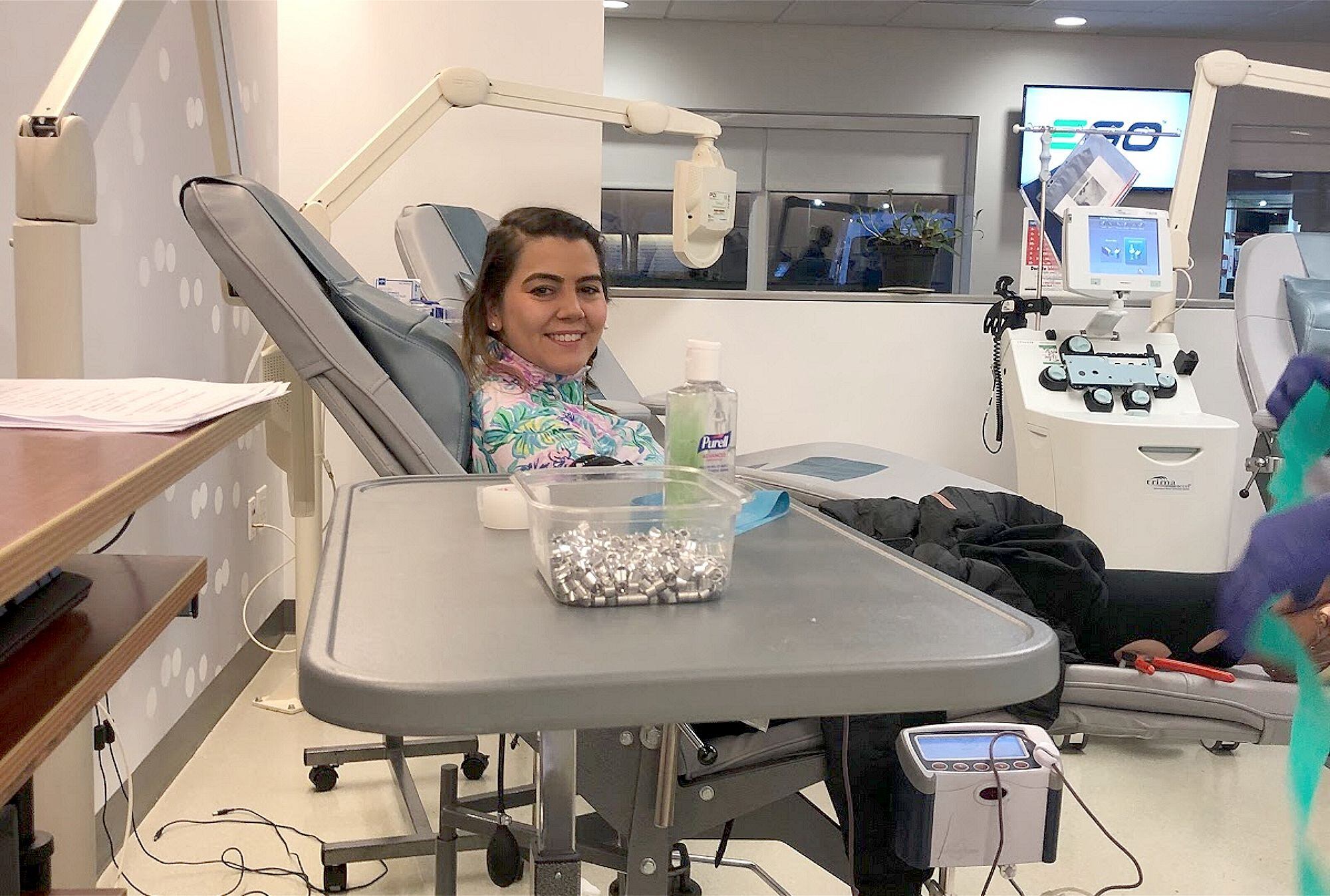
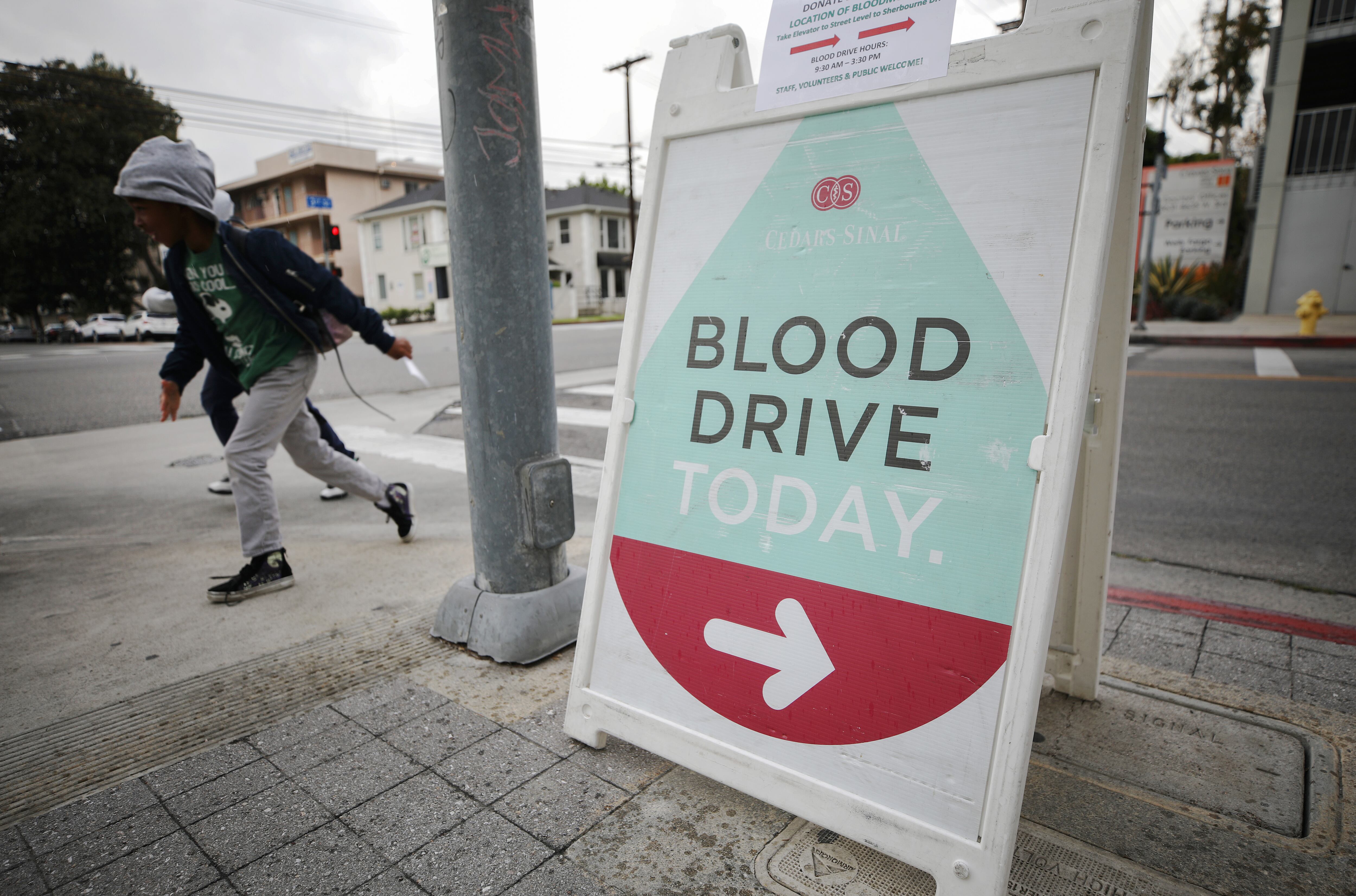
The U.S. facing severe blood shortages due the cancellation of multiple blood drives nationwide in the midst of the pandemic. But, Aly Ellis at Cheddar shows us how she safely donated blood during this time of crisis.
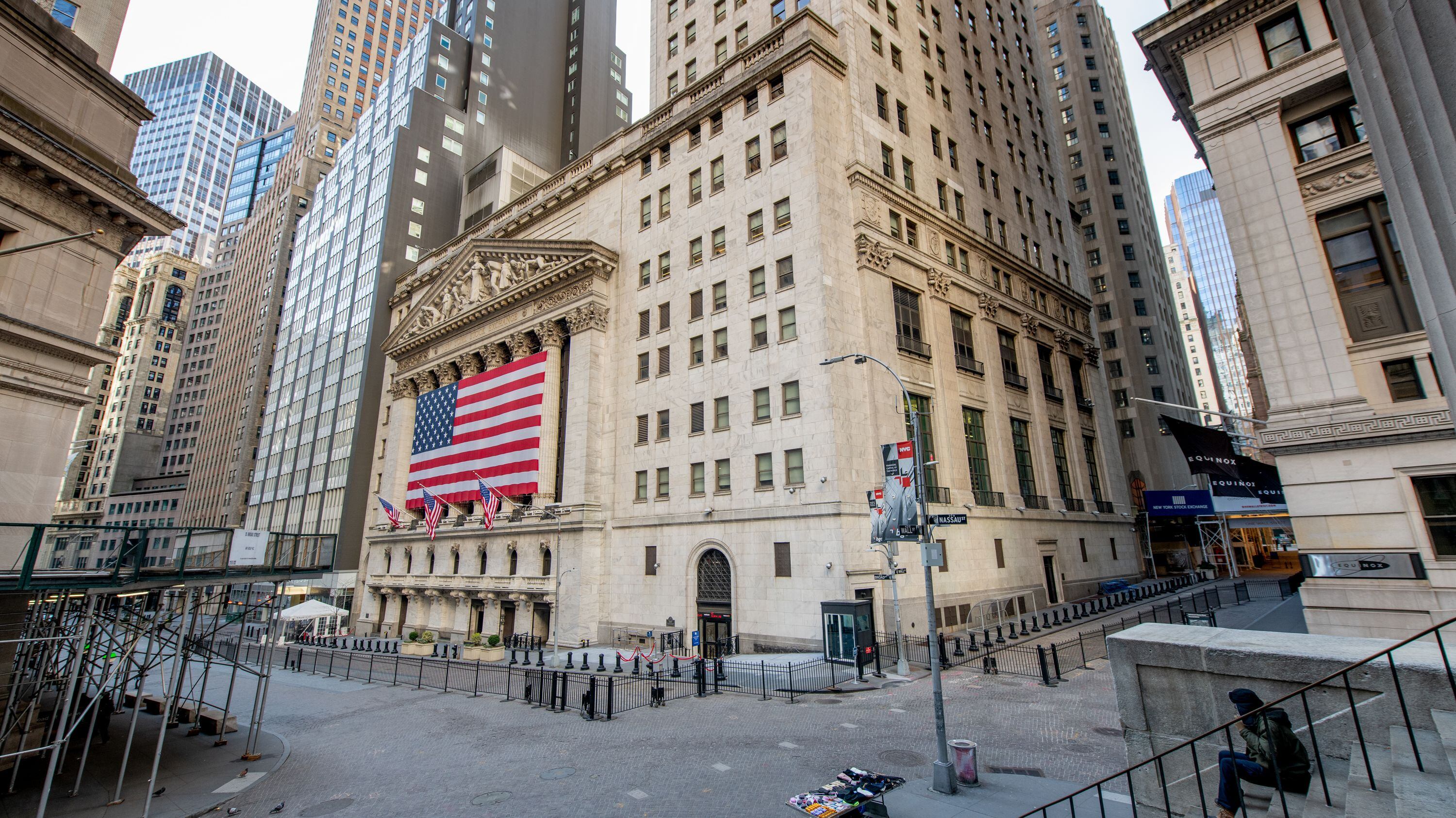
Stocks are rising more than 3% early Thursday, putting the market on track for its first three-day rally in six weeks, even as the astonishing scale of the downturn slamming the economy because of the coronavirus becomes more apparent.
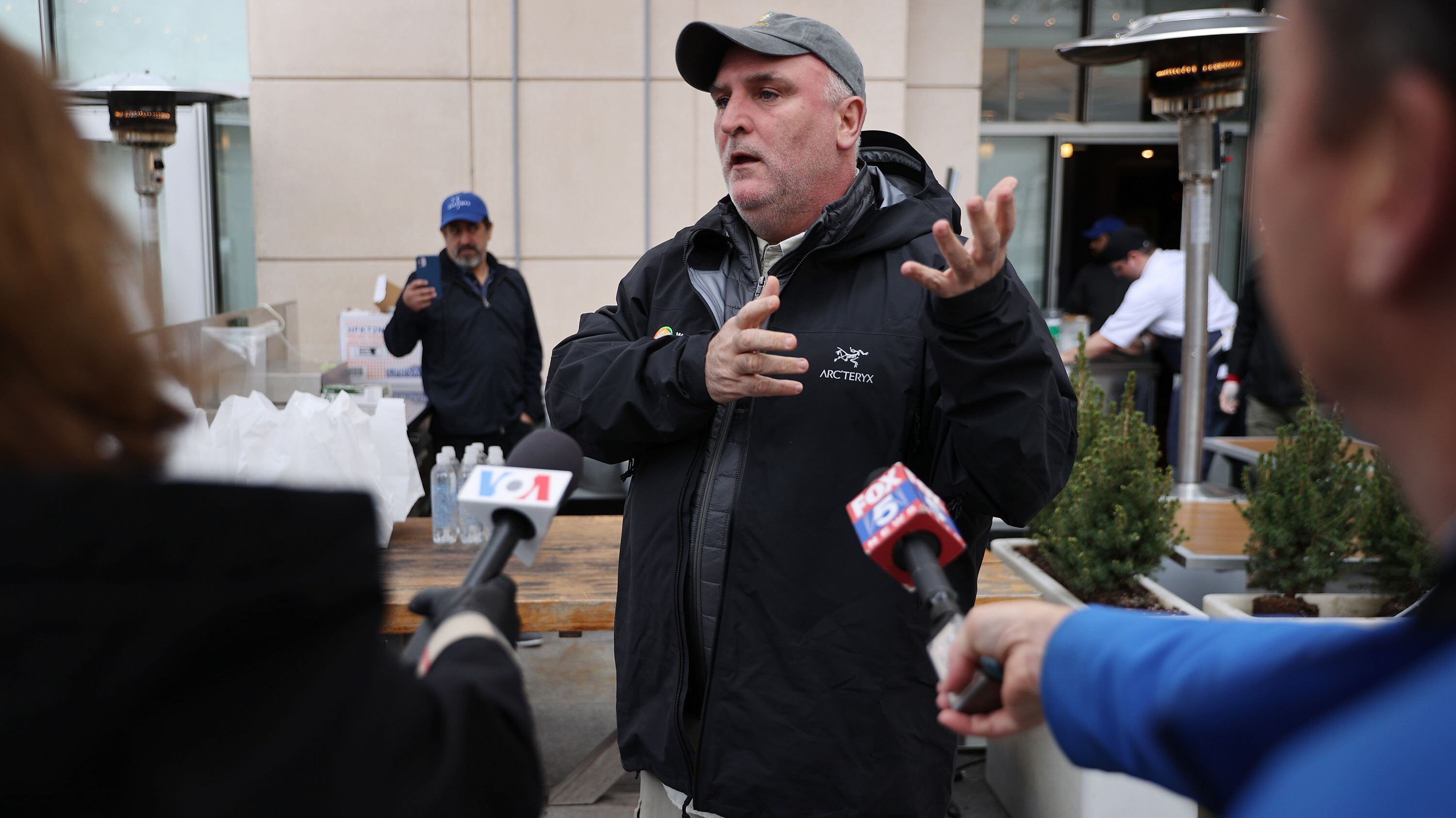
This special double issue report — Apart. Not Alone — features the cover profile of Chef José Andrés, who is helping to feed people, profiles doctors and nurses who are fighting the virus on the front line, and others.
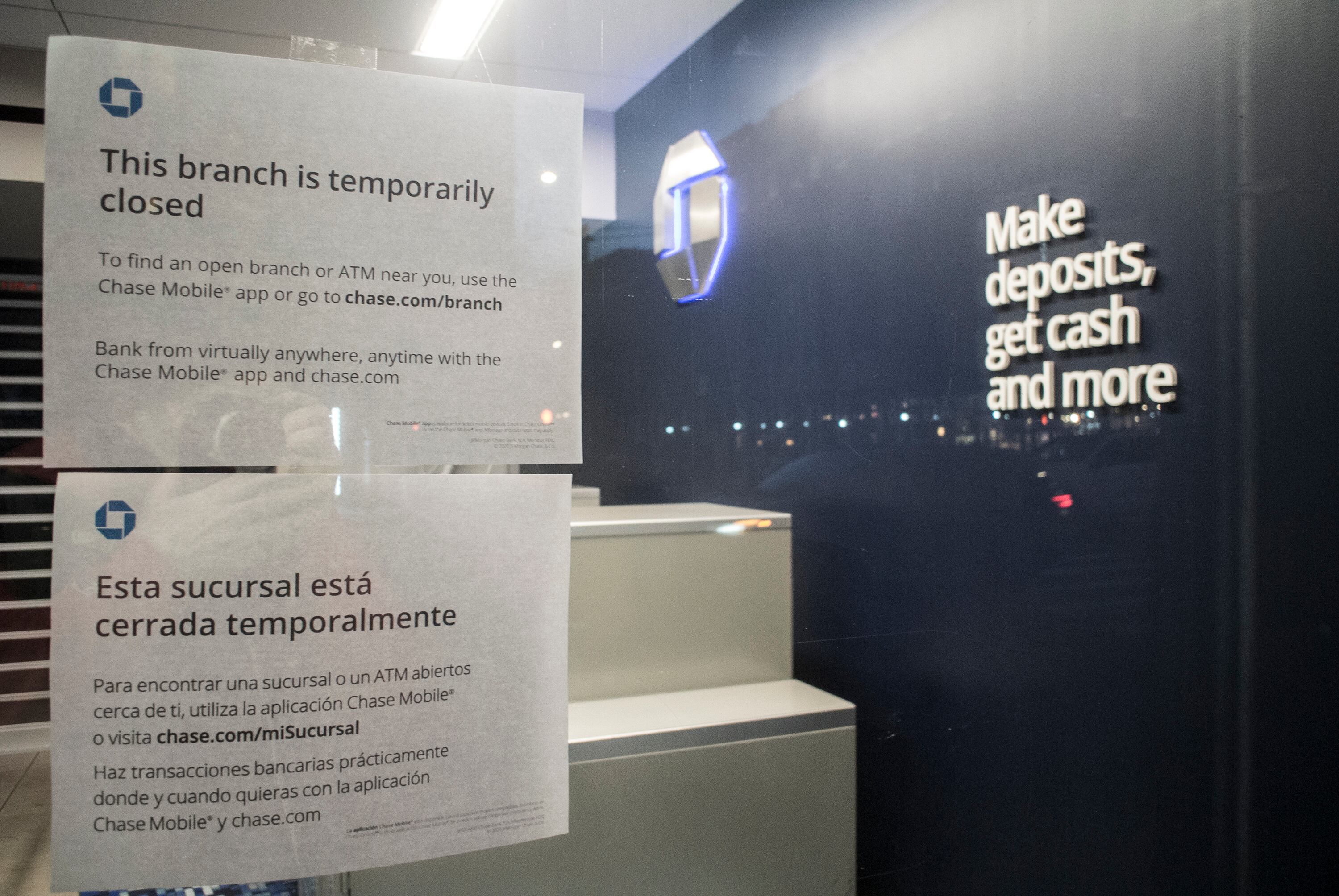
On Tuesday the chairman of the FDIC put out a public service announcement urging people to keep their cash in the bank, as customers of U.S. banks and credit unions have been making big withdrawals in the midst of the coronavirus pandemic and recession.
American Red Cross is facing a shortage of blood donations in the coming weeks as blood drives run by workplaces and schools are canceled due to coronavirus-related closures.
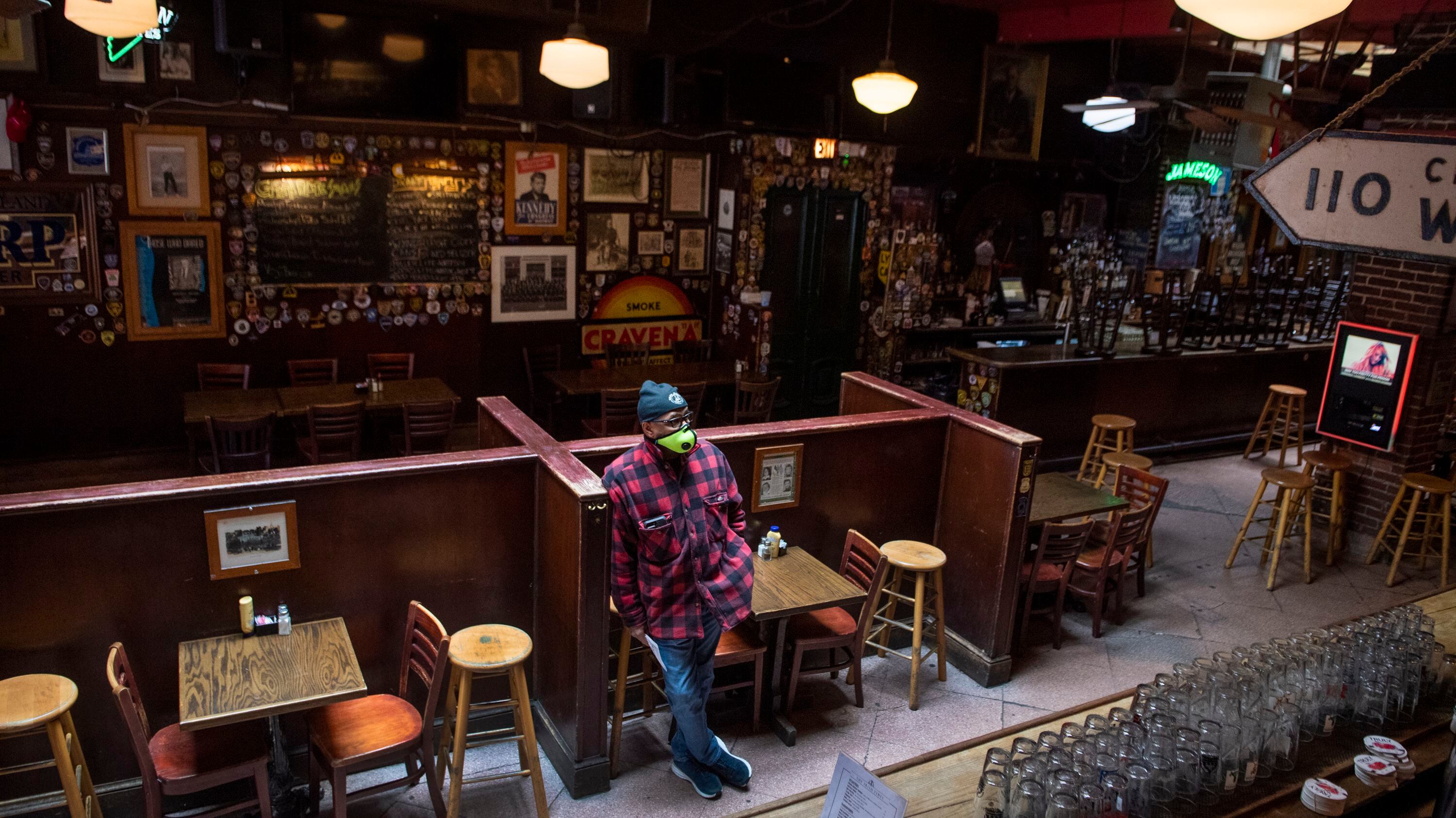
The new feature, which is being rolled out in the hardest-hit areas this week, will appear on pages for businesses like restaurants, bars, beauty parlors, and gyms.
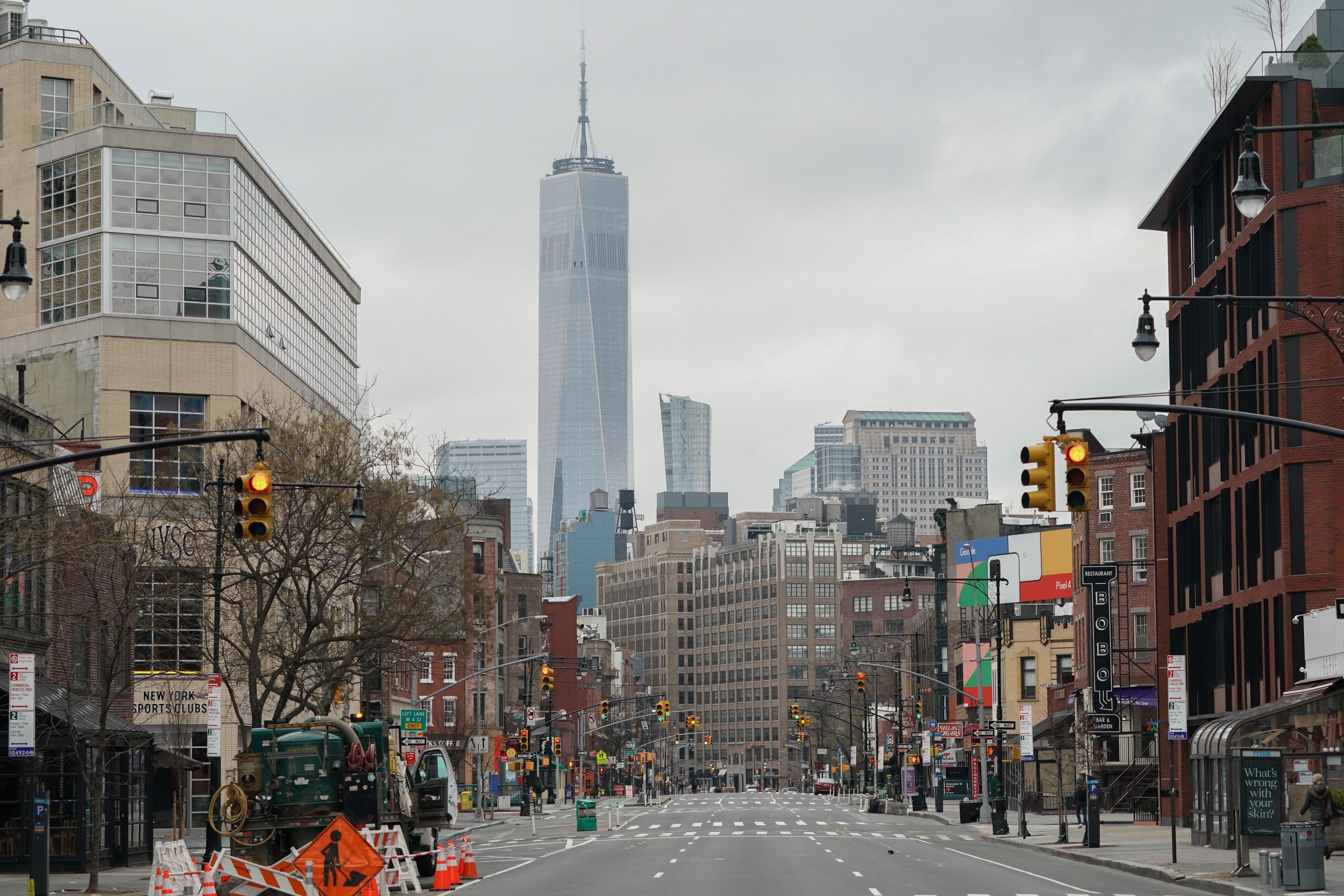
New York Governor Andrew Cuomo Wednesday afternoon said the greatest strain on the state’s health care system from the coronavirus could come in approximately 21 days, while also providing early indications about steps the state might eventually take to restart the economy.
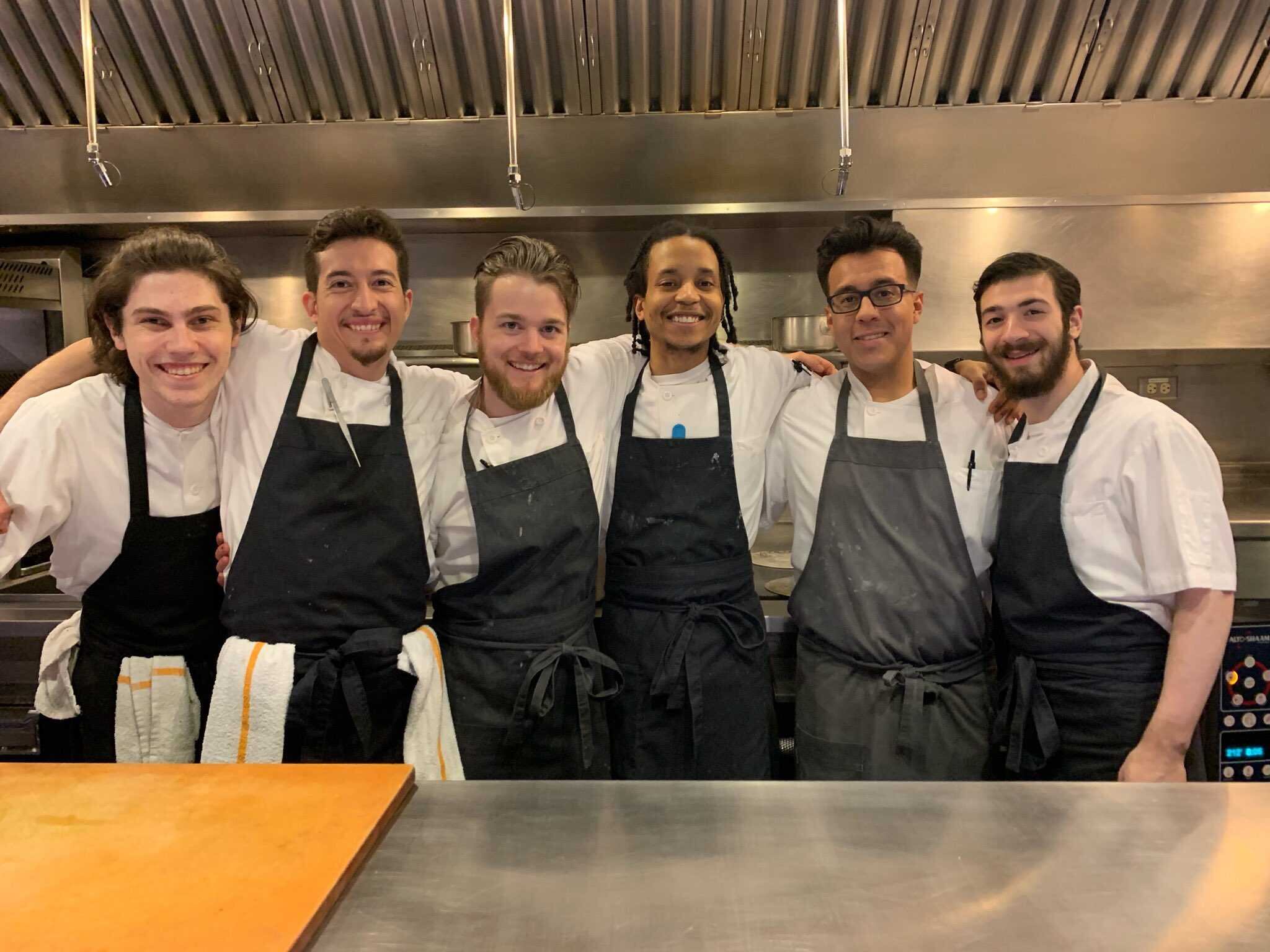
As the coronavirus outbreak forces millions to stay home, businesses are facing mass closings - and mass layoffs. Cheddar is speaking to those who have found themselves unexpectedly unemployed in today's turbulent environment.
Andrea Flores, the deputy director of policy for the Equality Division of the American Civil Liberties Union, said the virus is weighing on the immigrant population.
Despite localized reductions in emissions and pollution due to coronavirus-related shutdowns, it doesn't mean that the pandemic and ensuing economic crisis will somehow turbocharge the globe's glacial steps toward reducing humanity's impact on the environment.