The British Museum said Wednesday that a member of its staff has been dismissed after items dating back as far as the 15th century B.C. were found to be missing, stolen or damaged.
The museum said it has also ordered an independent review of security and a ‘‘vigorous program to recover the missing items.″
The stolen artifacts include gold jewelry and gems of semi-precious stones and glass dating from the 15th century B.C. to the 19th century A.D. Most were small items kept in a storeroom and none had been on display recently, the museum said.
“Our priority is now threefold: first, to recover the stolen items; second, to find out what, if anything, could have been done to stop this; and third, to do whatever it takes, with investment in security and collection records, to make sure this doesn’t happen again,″ said George Osborne, the museum’s chair.
“This incident only reinforces the case for the reimagination of the museum we have embarked upon," Osborne said.
The museum said legal action would be taken against the dismissed staff member and that the matter was under investigation by London’s Metropolitan Police Service.
The 264-year-old British Museum is a major London tourist attraction, drawing visitors from around the world who come to see a vast collection of artifacts ranging from the Rosetta Stone that unlocked the language of ancient Egypt to scrolls bearing 12th century Chinese poetry and masks created by the indigenous people of Canada.
But the museum has also attracted controversy because it has resisted calls from communities around the world to return items of historical significance that were acquired during the era of the British Empire. The most famous of these disputes include marble carvings from the Parthenon in Greece and the Benin bronzes from west Africa.
Hartwig Fischer, the director of the British Museum, apologized and said the institution was determined to put things right.
“This is a highly unusual incident,'' said Fischer said. “I know I speak for all colleagues when I say that we take the safeguarding of all the items in our care extremely seriously.''
Digital mental health company Little Otter recently announced it closed a $22 million Series A round. Little Otter was founded in 2020 by a mother-daughter team, which based the company on the idea that a child's mental health can only be addressed by treating the whole family through technology available to everyone. Little Otter CEO and co-founder Rebecca Egger and her mother, Little Otter Chief Medical and Scientific Officer and co-founder Dr. Helen Egger joined Cheddar News' Closing Bell to discuss.
Adi Robertson, senior reporter at The Verge, joins Cheddar News to break down the battle between two NFT collections by Phunky Ape Yacht Club and PHAYC that are selling plagiarized Bored Ape Yacht Club designs.
Covid-19 has changed the way we view wellness. Jillian Hughes, communications director of Mental Health America, joins Cheddar News to discuss breaking the stigma around mental health. Justin Davis, CEO and co-founder of Spectrum Labs, weighs in on how social media impacts our wellbeing. Lastly, Precision Nutrition CEO Timothy Jones advices us on what trends to watch in 2022.
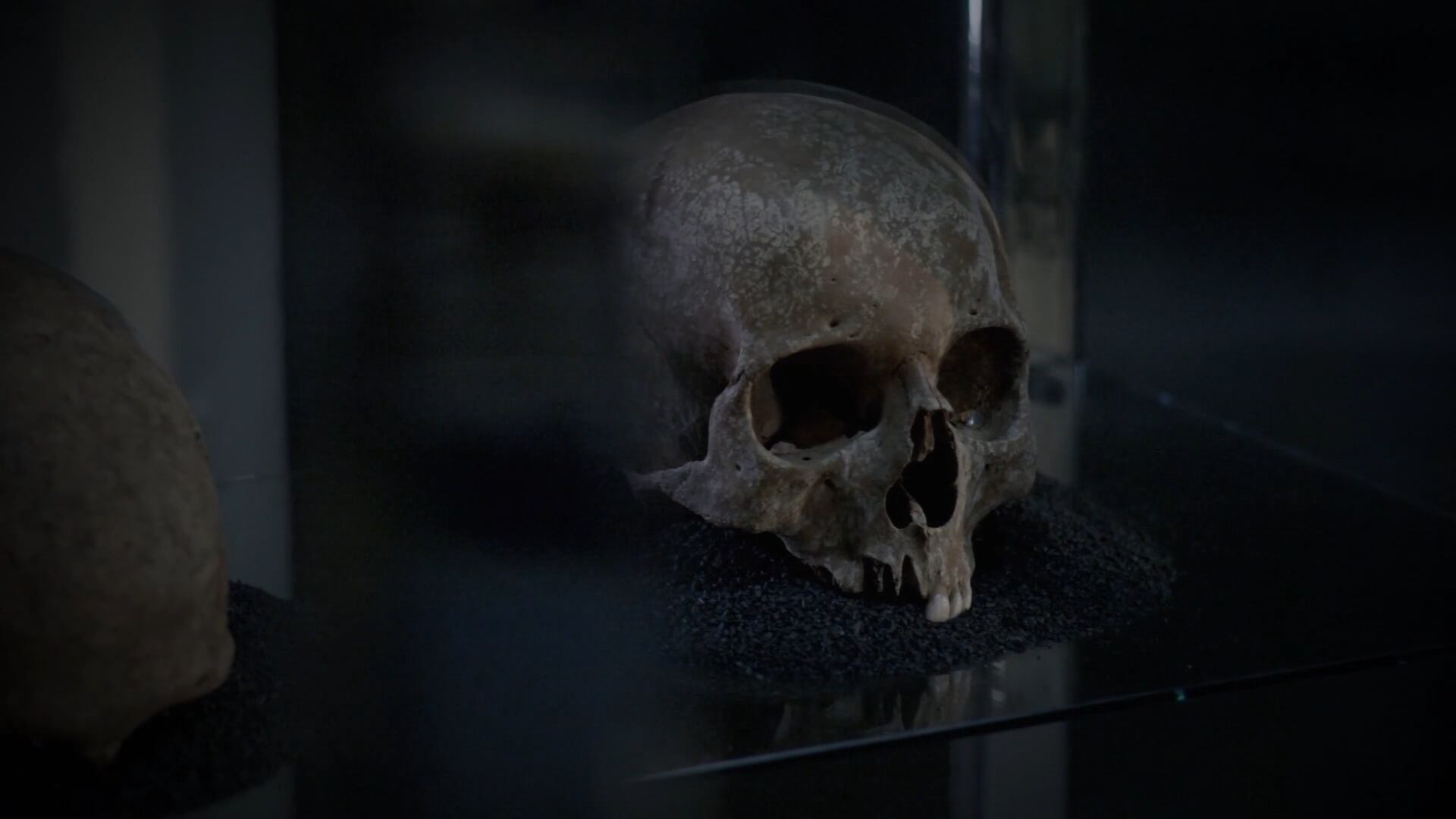
On this episode of Cheddar Innovates: Founder of Unlimited Tomorrow breaks down how he is creating completely 3D printed prosthetics to make them more affordable, customizable, and accessible; Chief Technology Officer of Zebra Technologies explains what the future of collaboration between robots and humans may look like; A look at Curiosity Stream's 'Mystery of the Roman Skulls.'
According to a recent analysis from ProPublica and the Wall Street Journal an analysis of Facebook posts, internal company documents, and interviews reveal key evidence about the social media giant's role in January 6 insurrection. National Reporter at ProPublica Craig Silverman, joined Cheddar to discuss more.
In the fight against climate change, much of the conversation revolves around reducing greenhouse gases like carbon dioxide or methane - and attempting to raise oxygen levels. But there's another gas - hydrogen - that could play a big role in the fight for the climate. Marco Alvera, CEO of Italian energy infrastructure company Snam and author of the book, 'The Hydrogen Revolution,' joined Cheddar Climate to explain the role hydrogen plays in helping achieve a net-zero future.
Vietnam's first global automaker is coming to the United States. VinFast unveiled the company's full EV lineup of five models at CES 2022. A reservation program for its first two electric vehicles, the VF 326 and the VF e35, officially opened on Wednesday, with the company set to announce the vehicle's retail prices in the U.S. and Vietnamese markets. VinFast is also one of the world's first automakers to apply blockchain technologies to the process of certifying reservations, payments, and eventually vehicle ownership. VinFast CEO Le Thi Thu Thuy joined Cheddar News' Closing Bell to discuss.