The British Museum said Wednesday that a member of its staff has been dismissed after items dating back as far as the 15th century B.C. were found to be missing, stolen or damaged.
The museum said it has also ordered an independent review of security and a ‘‘vigorous program to recover the missing items.″
The stolen artifacts include gold jewelry and gems of semi-precious stones and glass dating from the 15th century B.C. to the 19th century A.D. Most were small items kept in a storeroom and none had been on display recently, the museum said.
“Our priority is now threefold: first, to recover the stolen items; second, to find out what, if anything, could have been done to stop this; and third, to do whatever it takes, with investment in security and collection records, to make sure this doesn’t happen again,″ said George Osborne, the museum’s chair.
“This incident only reinforces the case for the reimagination of the museum we have embarked upon," Osborne said.
The museum said legal action would be taken against the dismissed staff member and that the matter was under investigation by London’s Metropolitan Police Service.
The 264-year-old British Museum is a major London tourist attraction, drawing visitors from around the world who come to see a vast collection of artifacts ranging from the Rosetta Stone that unlocked the language of ancient Egypt to scrolls bearing 12th century Chinese poetry and masks created by the indigenous people of Canada.
But the museum has also attracted controversy because it has resisted calls from communities around the world to return items of historical significance that were acquired during the era of the British Empire. The most famous of these disputes include marble carvings from the Parthenon in Greece and the Benin bronzes from west Africa.
Hartwig Fischer, the director of the British Museum, apologized and said the institution was determined to put things right.
“This is a highly unusual incident,'' said Fischer said. “I know I speak for all colleagues when I say that we take the safeguarding of all the items in our care extremely seriously.''
Dr. Celeste González de Bustamante, professor and director of the Center for Border and Global Journalism at the Univerity of Arizona, and Dr. Jeannine E. Relly, professor and director of Global Initiatives at the Center for Border and Global Journalism at the University of Arizona, join Cheddar News to discuss the recent journalist killings in Mexico.
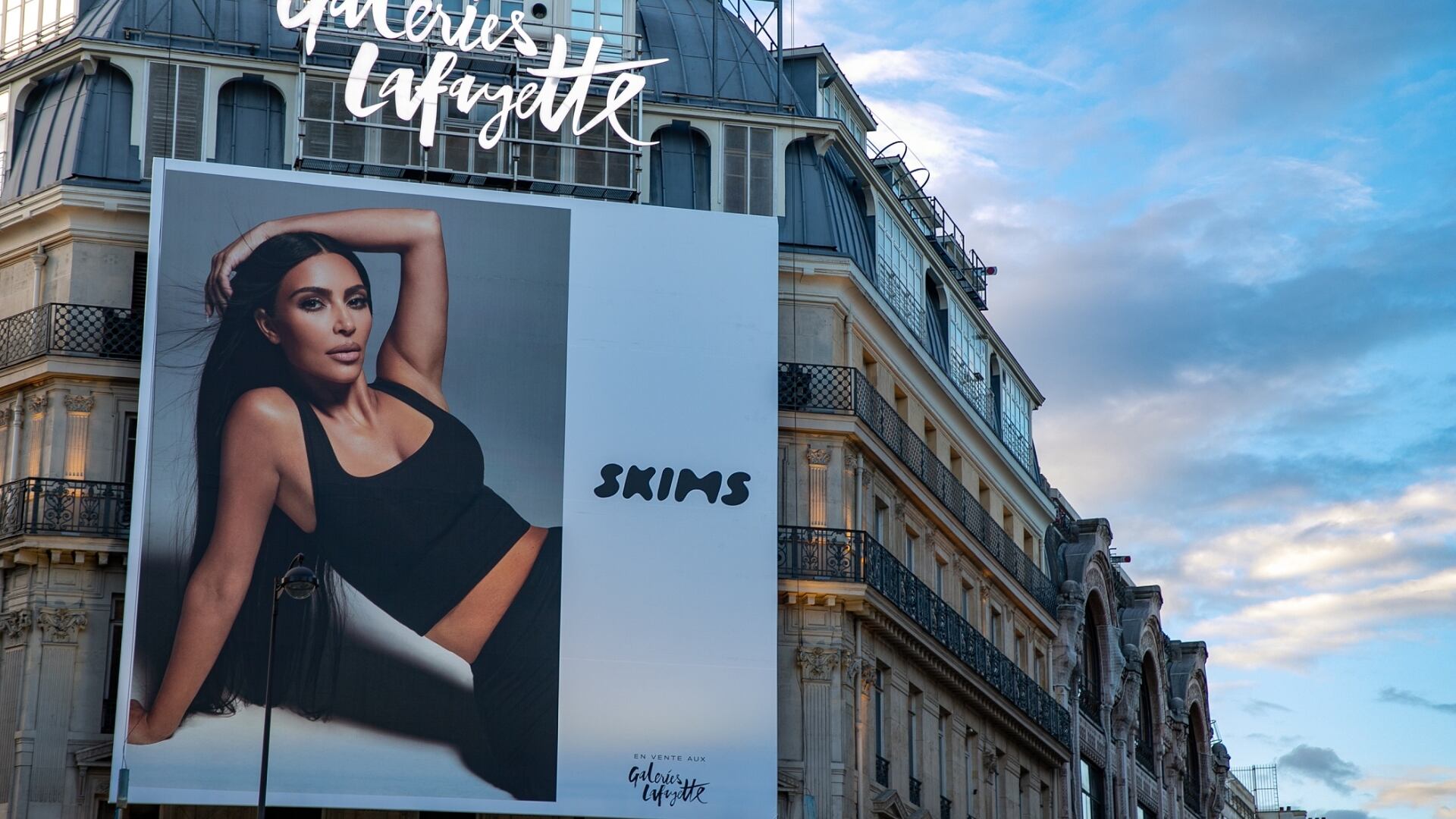
Kim Kardashian’s shapewear brand Skims has doubled its valuation to $3.2 billion. Investors have taken a bet on the success of this brand in the form of fresh funds for the two-year-old company.
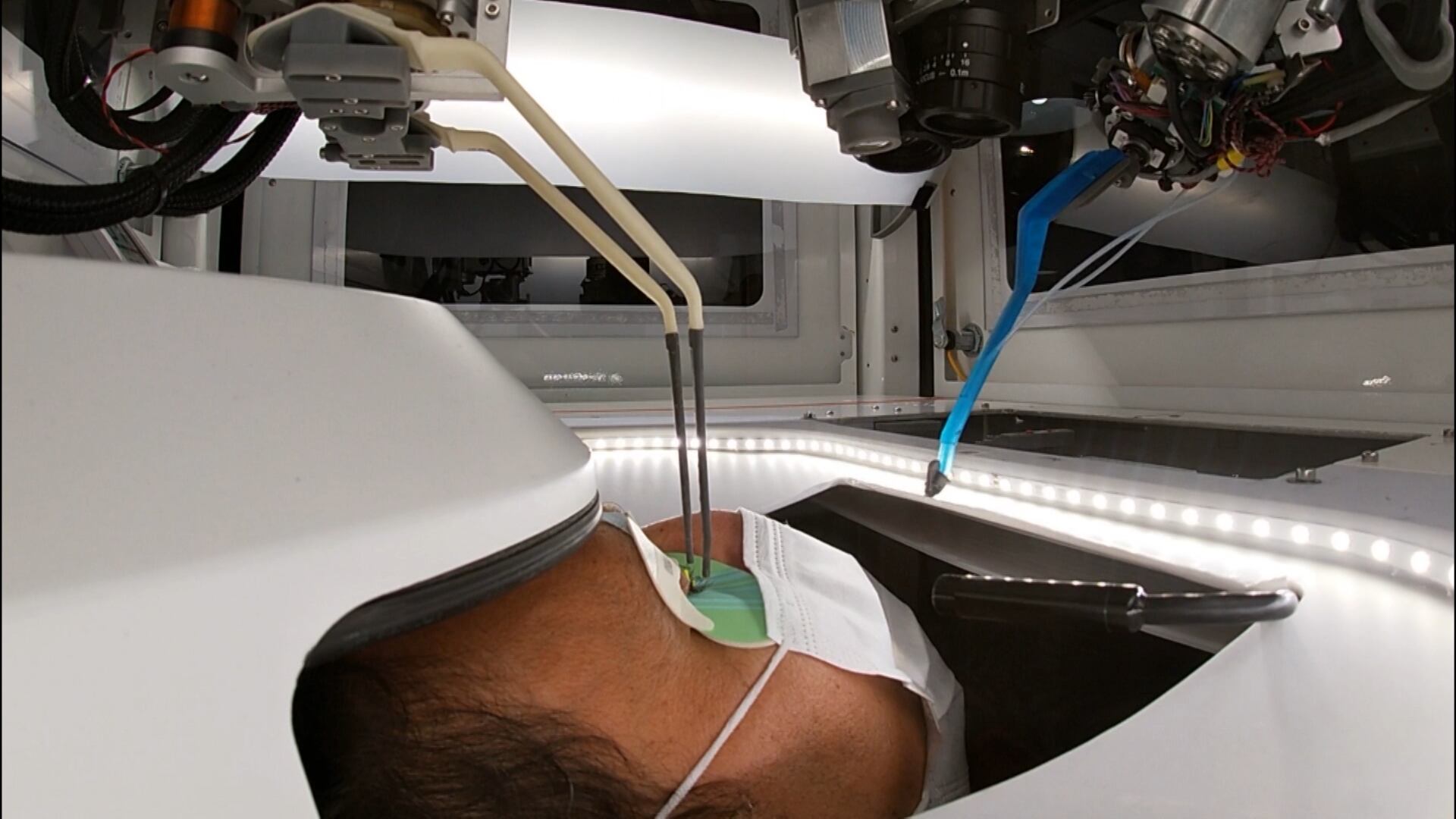
Nathan Harding, CEO of Luum, joins Cheddar Innovates to discuss the process of having a robot put on eyelash extensions, and how automation is making its way into the beauty industry
Kevin Yu, Founder and CEO of Sidechef, joins Cheddar Innovates to discuss how it's building a platform to make recipe shopping easy, and how its features help you discover new recipes with the same ingredients to fight the massive problem of food waste.
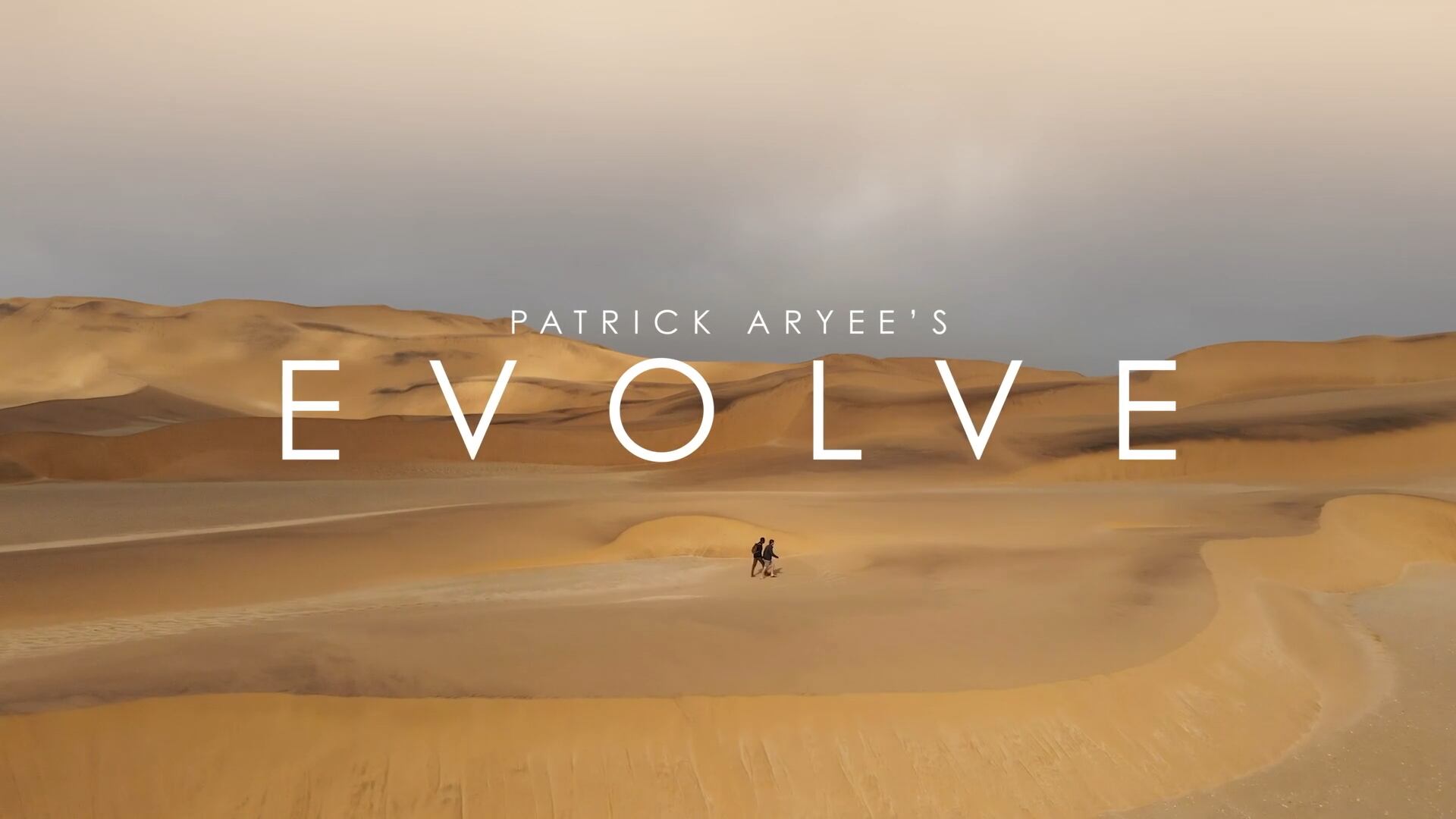
On this episode of Cheddar Innovates: Sidechef CEO breaks down how it's building a platform to make recipe shopping easy; Luum CEO explains the process of having a robot put on eyelash extensions; A look at Curiosity Stream's new original series, 'Evolve.'
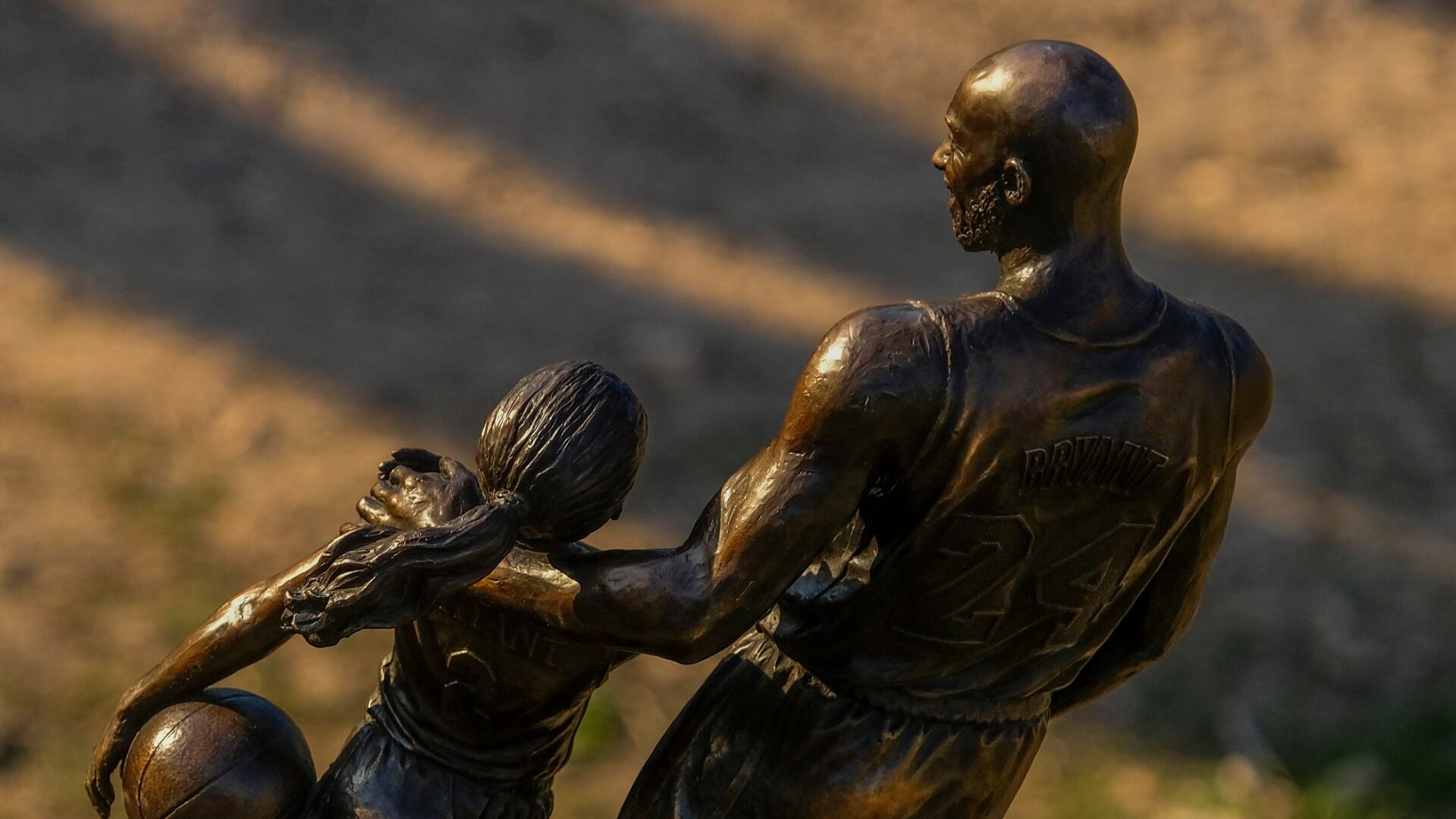
Wednesday marked two years since the basketball legend Kobe Bryant, his daughter Gianna, and seven others died in a tragic helicopter crash. In remembrance, a bronze statue has been temporarily placed at the site with all of the passenger's names included on the memorial.
McDonald's missed on both the top and bottom lines in its Q4 earnings, marking the fourth loss for the fast-food giant in the past eight quarters. It comes as higher costs from food to wages ate into the blue-chip company's profits. George Seay, CEO of investment advisor Annandale Capital, joined Wake Up with Cheddar to discuss the recent numbers and the better-than-expected success of the McPlant burger made with plant-based Beyond Meat. "They're changing with the times, and they have to," Seay noted. "You can just sell a Big Mac to everybody. There's a lot of people who don't want to eat a Big Mac anymore."