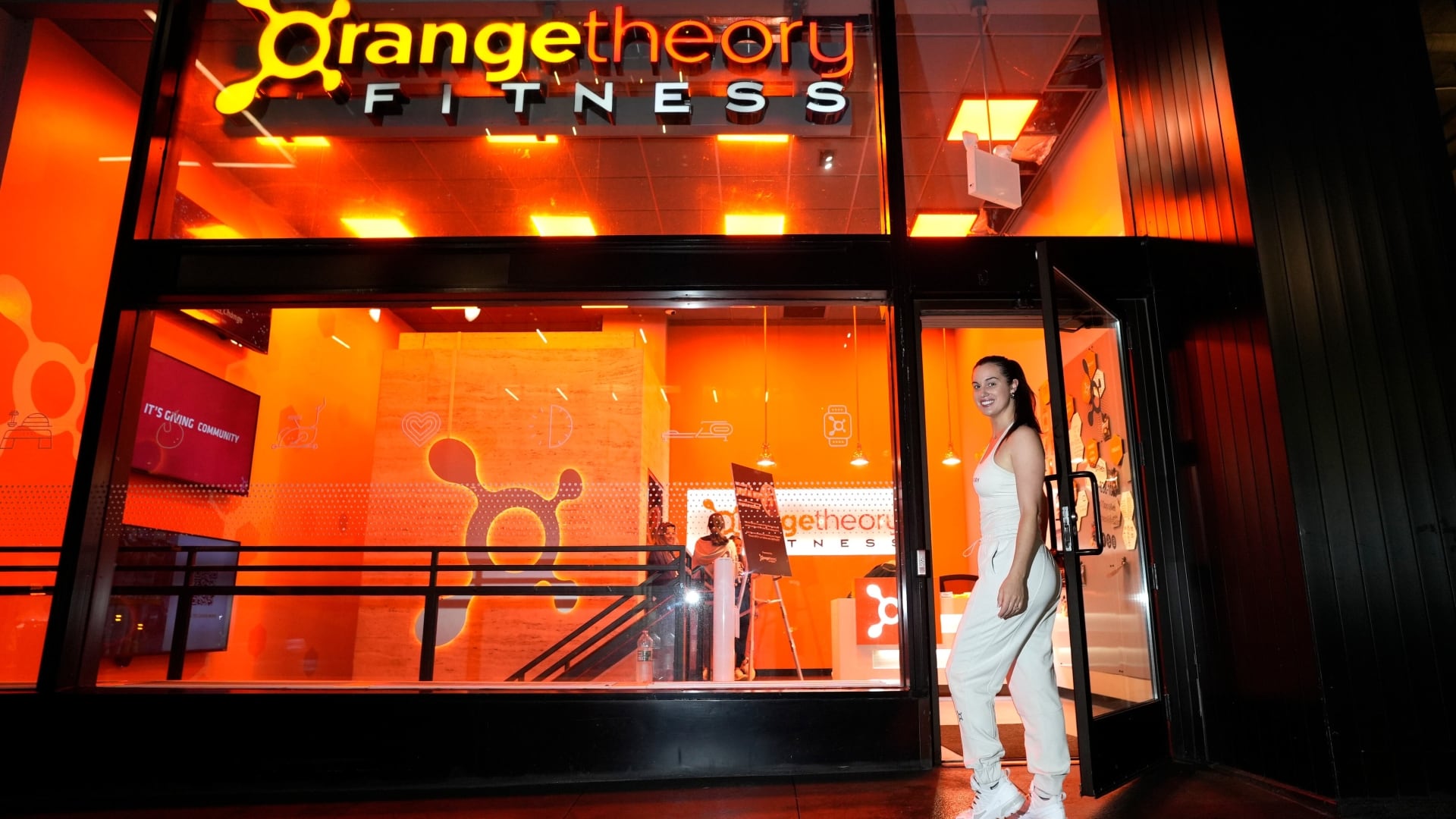
Breaking Bad's RJ Mitte Takes New York Fashion Week
*By Conor White*
For five seasons, actor RJ Mitte embodied Walt Jr., the son of Bryan Cranston's Walter White, protagonist (and antagonist, for that matter) of AMC's beloved series "Breaking Bad."
Mitte's performance as a teen dealing with cerebral palsy seemed incredibly real ー mostly because the actor was dealing with the issue himself. The now 26-year-old was diagnosed with motor disability CP when he was three, but when he first became a public figure, he shied away from becoming an advocate.
"I try to normalize what my disability is and what cerebral palsy is," Mitte said Wednesday in an interview on Cheddar.
The actor is now the official ambassador for the United Cerebral Palsy organization, but he said he's still treading carefully. Disabilities, he added, should be normalized, not marginalized.
"It shouldn't be something that is abnormal," he said. "It shouldn't be something special ー it is special, but it shouldn't be something that is out of the norm and that taboo thing."
Mitte is helping kick off New York Fashion Week on Wednesday evening. He will emcee the Runway of Dreams Foundation's "Fashion Revolution" show, which will preview "adaptive" clothing constructed for those with disabilities. Mitte's personal love of fashion made the event a natural fit for him, and it's the kind of cause he's been searching for.
"I've always tried to take my advocacy and not glorify it," he said. "Not put it first before my other careers."
The former "Breaking Bad" star insists on being fully committed to any cause he chooses. And at this point in his career, he's very selective.
Mitte's reasoning is simple.
"People always say, 'Look at me I'm an advocate!' But are you an advocate? Do you really go and do these things?"
For full interview [click here](https://cheddar.com/videos/former-breaking-bad-star-rj-mitte-breaks-good).
Retailers face tariffs and cost challenges this holiday season. Wells Fargo's Lauren Murphy shares insights on pricing, promotions, and shopping trends.
Dateability, founded by sisters Jacqueline and Alexa Child, is the only dating app for disabled and chronically ill communities, fostering love without limits.
Some small grocery stores and neighborhood convenience stores are eager for the U.S. government shutdown to end and for their customers to start receiving federal food aid again. Late last month, the Trump administration froze funding for the SNAP benefits that about 42 million Americans use to buy groceries. The U.S. Department of Agriculture says about 74% of the assistance was spent last year at superstores like Walmart and supermarkets like Kroger. Around 14% went to smaller stores that are more accessible to SNAP beneficiaries. A former director of the United Nations World Food Program says SNAP is not only a social safety net for families but a local economic engine that supports neighborhood businesses.
Andy Baehr, Head of Product at CoinDesk Indices, breaks down crypto’s Black Friday crash, Bitcoin dipping under $100K, and what’s driving the market rout.
Billionaire Warren Buffett warned shareholders Monday that many companies will fare better than his Berkshire Hathaway in the decades ahead as Father Time catches up
Chris Marquette of POLITICO breaks down how the FAA is cutting flights and facing a critical shortage of air‑traffic controllers amid the government shutdown.