By Darlene Superville
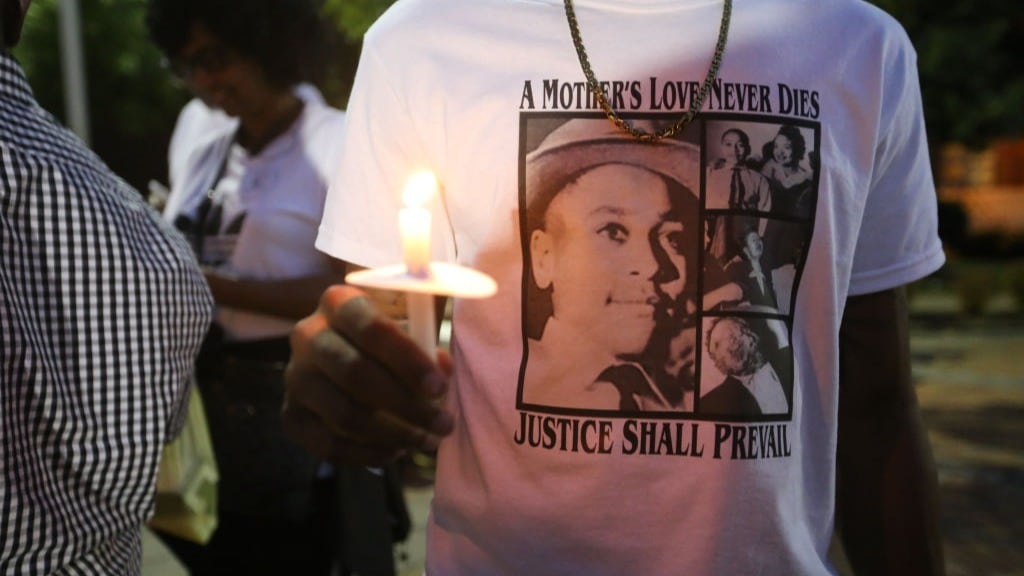
President Joe Biden will establish a national monument honoring Emmett Till, the Black teenager from Chicago who was abducted, tortured and killed in 1955 after he was accused of whistling at a white woman in Mississippi, and his mother, a White House official said Saturday.
Biden will sign a proclamation on Tuesday to create the Emmett Till and Mamie Till-Mobley National Monument across three sites in Illinois and Mississippi, according to the official. The individual spoke on condition of anonymity because the White House had not formally announced the president's plans.
Tuesday is the anniversary of Emmett Till's birth in 1941.
The monument will protect places that are central to the story of Till's life and death at age 14, the acquittal of his white killers and his mother's activism. Till's mother's insistence on an open casket to show the world how her son had been brutalized and Jet's magazine's decision to publish photos of his mutilated body helped galvanize the Civil Rights Movement.
Biden's decision also comes at a fraught time in the United States over matters concerning race. Conservative leaders are pushing back against the teaching of slavery and Black history in public schools, as well as the incorporation of diversity, equity and inclusion programs from college classrooms to corporate boardrooms.
On Friday, Vice President Kamala Harris criticized a revised Black history curriculum in Florida that includes teaching that enslaved people benefited from the skills they learned at the hands of the people who denied them freedom. The Florida Board of Education approved the curriculum to satisfy legislation signed by Gov. Ron DeSantis, a Republican presidential candidate who has accused public schools of liberal indoctrination.
“How is it that anyone could suggest that in the midst of these atrocities that there was any benefit to being subjected to this level of dehumanization?” Harris asked in a speech delivered from Jacksonville, Florida.
DeSantis said he had no role in devising his state’s new education standards but defended the components on how enslaved people benefited.
“All of that is rooted in whatever is factual,” he said in response.
The monument to Till and his mother will include three sites in the two states.
The Illinois site is Roberts Temple Church of God in Christ in Bronzeville, a historically Black neighborhood on Chicago’s South Side. Thousands of people gathered at the church to mourn Emmett Till in September 1955.
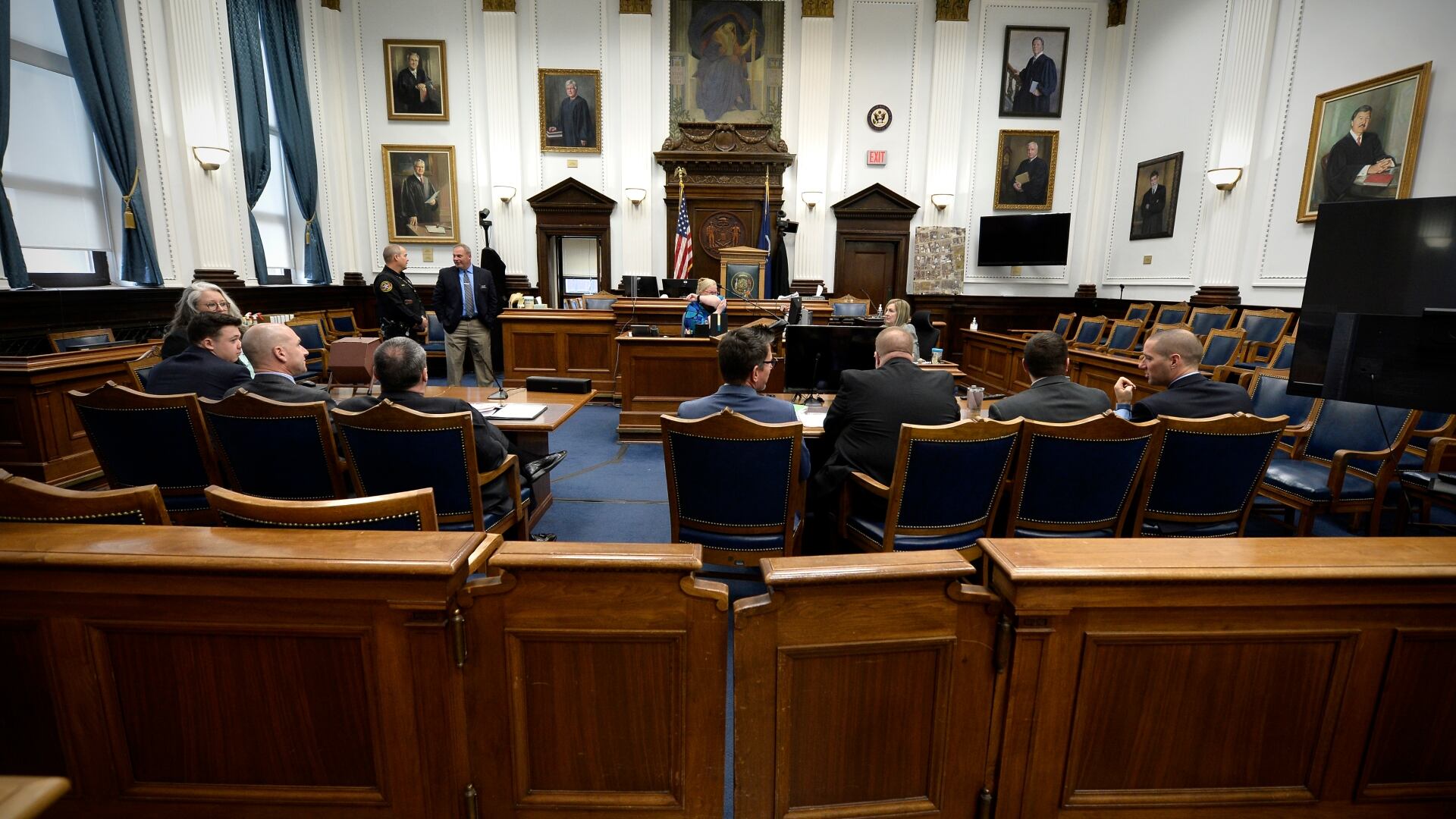
The Mississippi locations are Graball Landing, believed to be where Till’s mutilated body was pulled from the Tallahatchie River, and the Tallahatchie County Second District Courthouse in Sumner, Mississippi, where Till’s killers were tried and acquitted by an all-white jury.
Till was visiting relatives in Mississippi when Carolyn Bryant Donham said the 14-year-old Till whistled and made sexual advances at her while she worked in a store in the small community of Money.
Till was later abducted and his body eventually pulled from the Tallahatchie River, where he had been tossed after he was shot and weighted down with a cotton gin fan.
Two white men, Roy Bryant and his half-brother J.W. Milam, were tried on murder charges about a month after Till was killed, but an all-white Mississippi jury acquitted them. Months later, they confessed to killing Till in a paid interview with Look magazine. Bryant was married to Donham in 1955. She died earlier this year.
The monument will be the fourth Biden has created since taking office in 2021, and just his latest tribute to the younger Till.
For Black History Month this year, Biden hosted a screening of the movie “Till,” a drama about his lynching.
In March 2022, Biden signed the Emmett Till Anti-Lynching Act into law. Congress had first considered such legislation more than 120 years ago.
The Justice Department announced in December 2021 that it was closing its investigation into Till's killing.