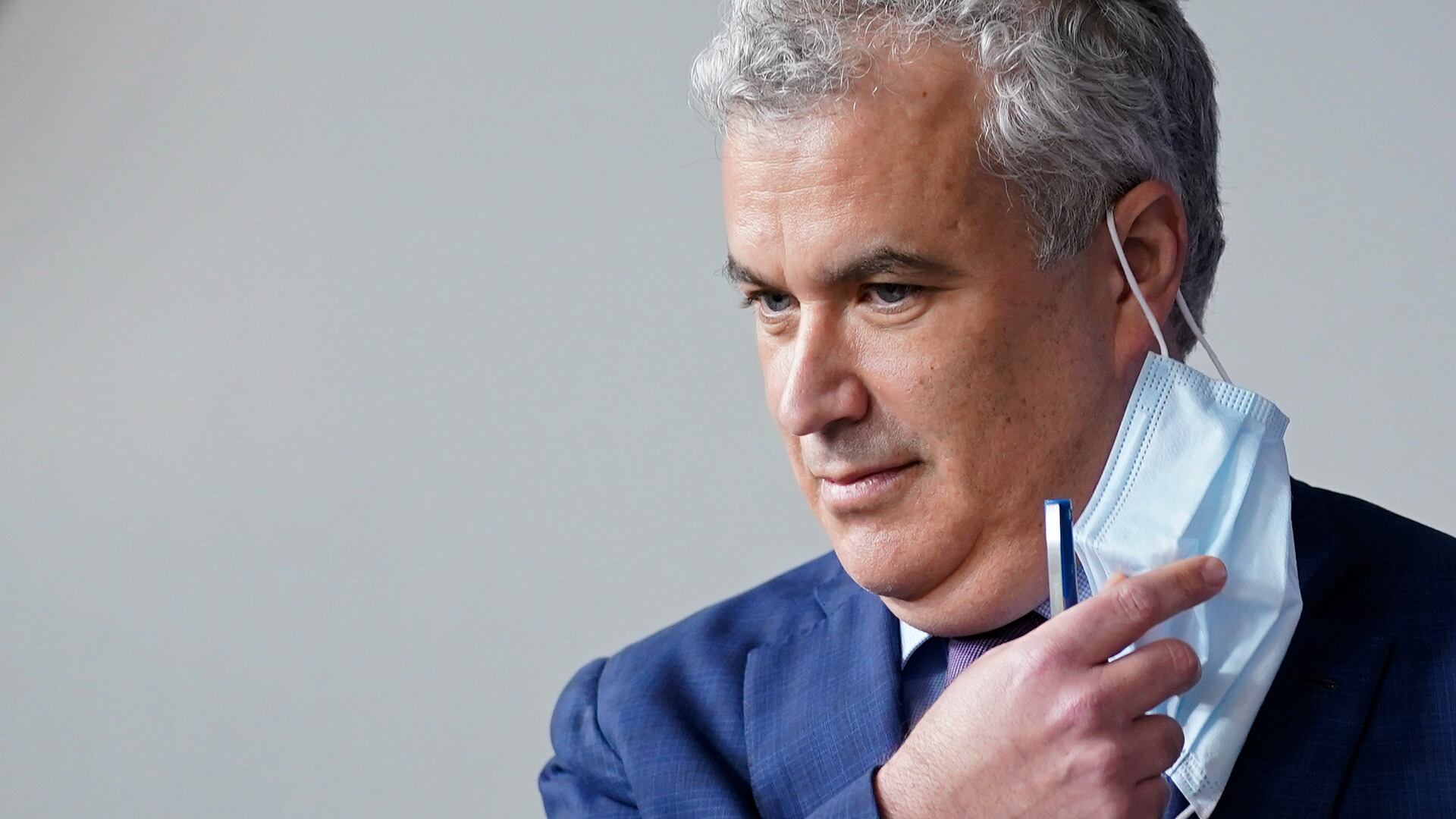
White House COVID-19 Response Coordinator Jeff Zients removes a face mask as he prepares to speak at a press briefing at the White House, April 13, 2021, in Washington. (AP Photo/Patrick Semansky, File)
President Joe Biden is expected to tap Jeff Zients, the administration’s former COVID-19 response coordinator, as his next chief of staff.
Biden’s current chief of staff, Ron Klain, is likely to leave the job following Biden’s State of the Union address on Feb. 7, The New York Times reported. Klain has held the position for the past two years.
The chief of staff heads the Executive Office of the President and is a cabinet position widely recognized as one of the most important, influential jobs in the White House. The details of the role differ across administrations, but generally, the chief of staff serves as the President’s primary aide and adviser across many different fronts.
For example, the chief of staff oversees the President’s daily operations as well as broader policy development. The staffer in the role also maintains the president’s schedule, advises the president on policy, hires and organizes staff, and controls the flow of information to the president, among other duties.
In his previous role Zients helped increase the distribution of COVID-19 vaccines, but left the administration last April. Prior to that he held several positions under President Barack Obama, including director of the National Economic Council.
If appointed, Zients would begin the role at a critical time for Biden as he may soon announce his 2024 reelection bid and faces a special counsel investigation over mishandled classified documents.
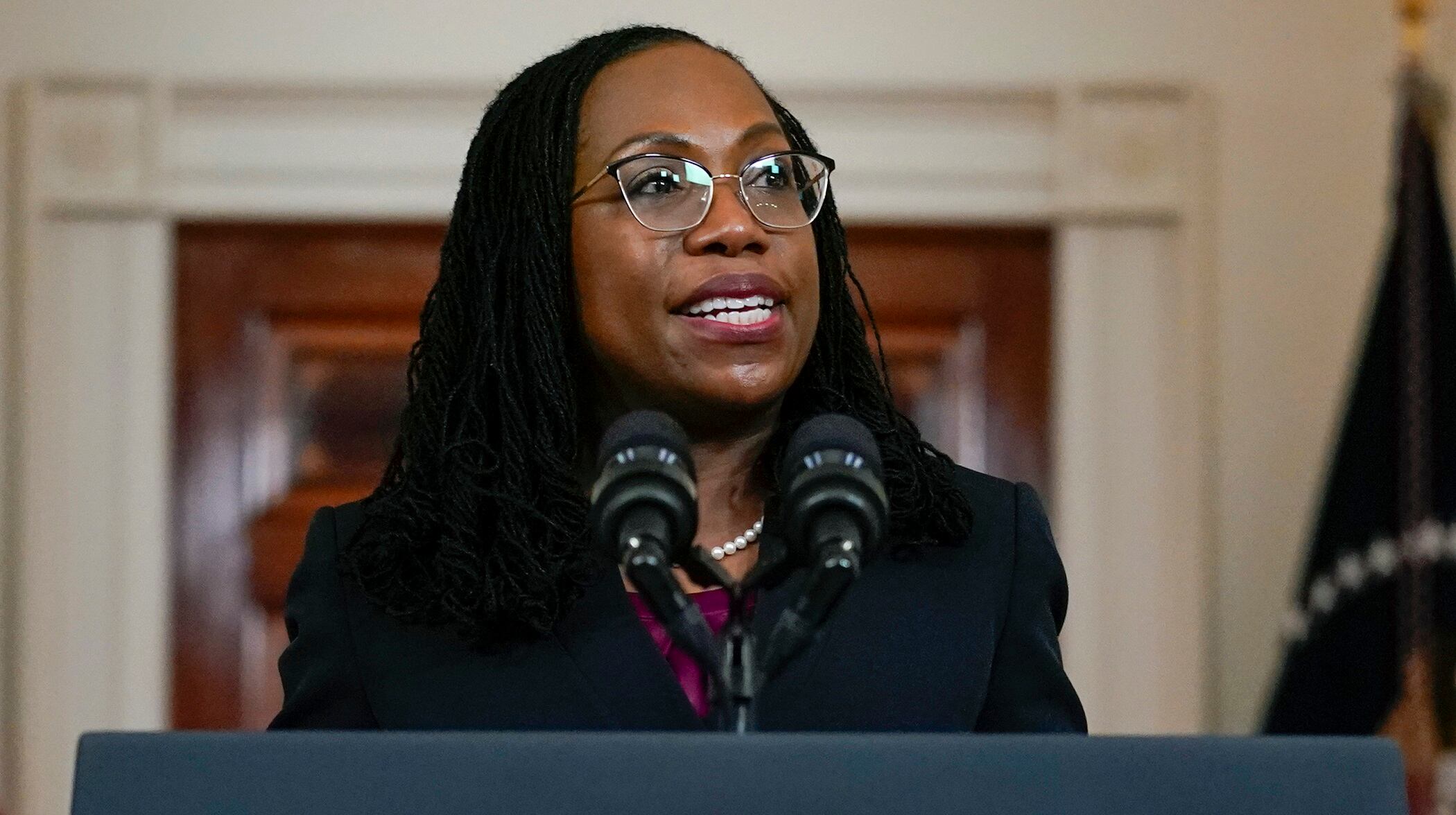
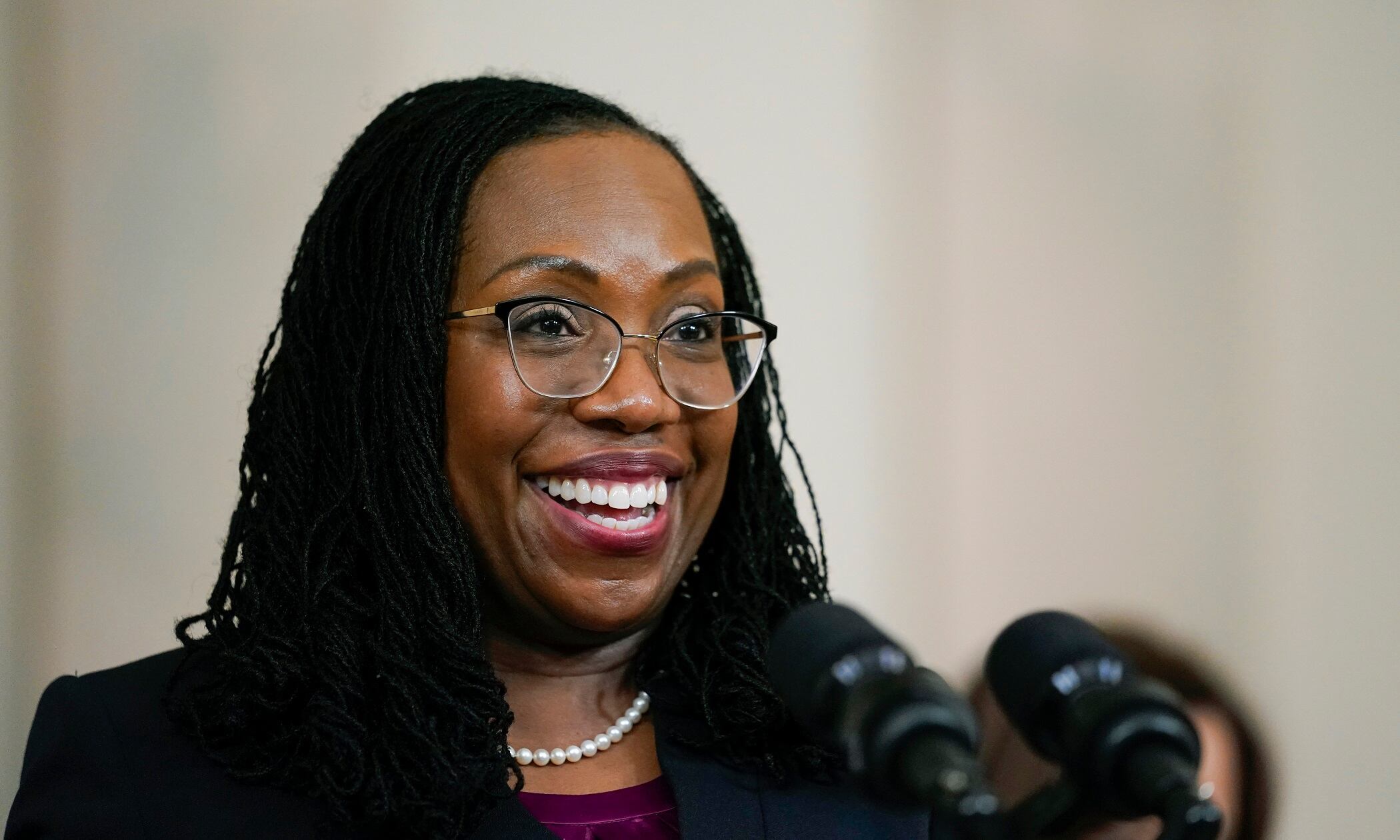
As we celebrate Black History Month, Cheddar is highlighting prominent Black Americans who are carving their own historic paths and trailblazing in their fields. Today we feature Ketanji Brown Jackson, the first Black woman SCOTUS nominee.
Russia's invasion of Ukraine went hand in hand with cyberattacks against Ukrainian government websites and financial institutions. Cheddar News speaks with cybersecurity expert Karim Hijazi, CEO of Prevaillon, on why the Russian cyberwarfare is concerning to other nations.
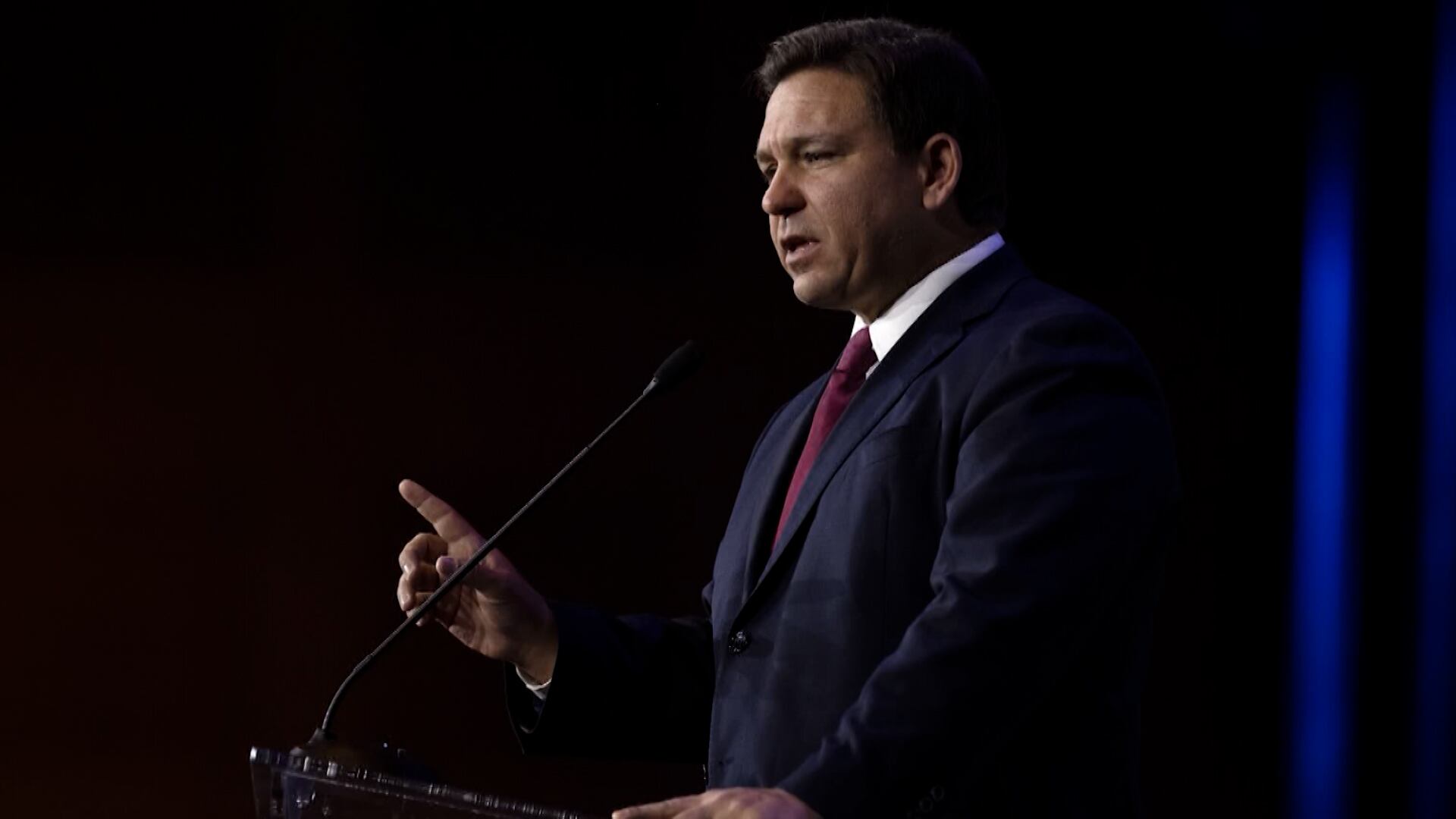
Florida legislation being called the 'Don't Say Gay' bill would restrict some discussion of sexual orientation and gender identity in classrooms with young students. Jon Harris Maurer, public policy director at Equality Florida, joins Cheddar News to discuss.
President Joe Biden promised during his campaign to focus on stable and ally-focused foreign policy, and the Russia-Ukraine crisis seems like an opportunity for him to focus on that tactic after last year's chaotic Afghanistan withdrawal. So far, Biden and western allies have banned together to sanction Russian banks, billionaires, and even President Vladimir Putin himself. Meanwhile, Biden has not deployed U.S. troops to intervene directly in Ukraine. Jack Detsch, national security reporter at Foreign Policy, joins Closing Bell to discuss why Biden is focusing on a sanctions-based, ally-focused strategy, what impact sanctions could have on Russia's economy, and more.
As Russia continues its attack on Ukraine, protests are popping up in major cities across the U.S., including across the street from the United Nations in New York City.. Chloe Aiello reports.