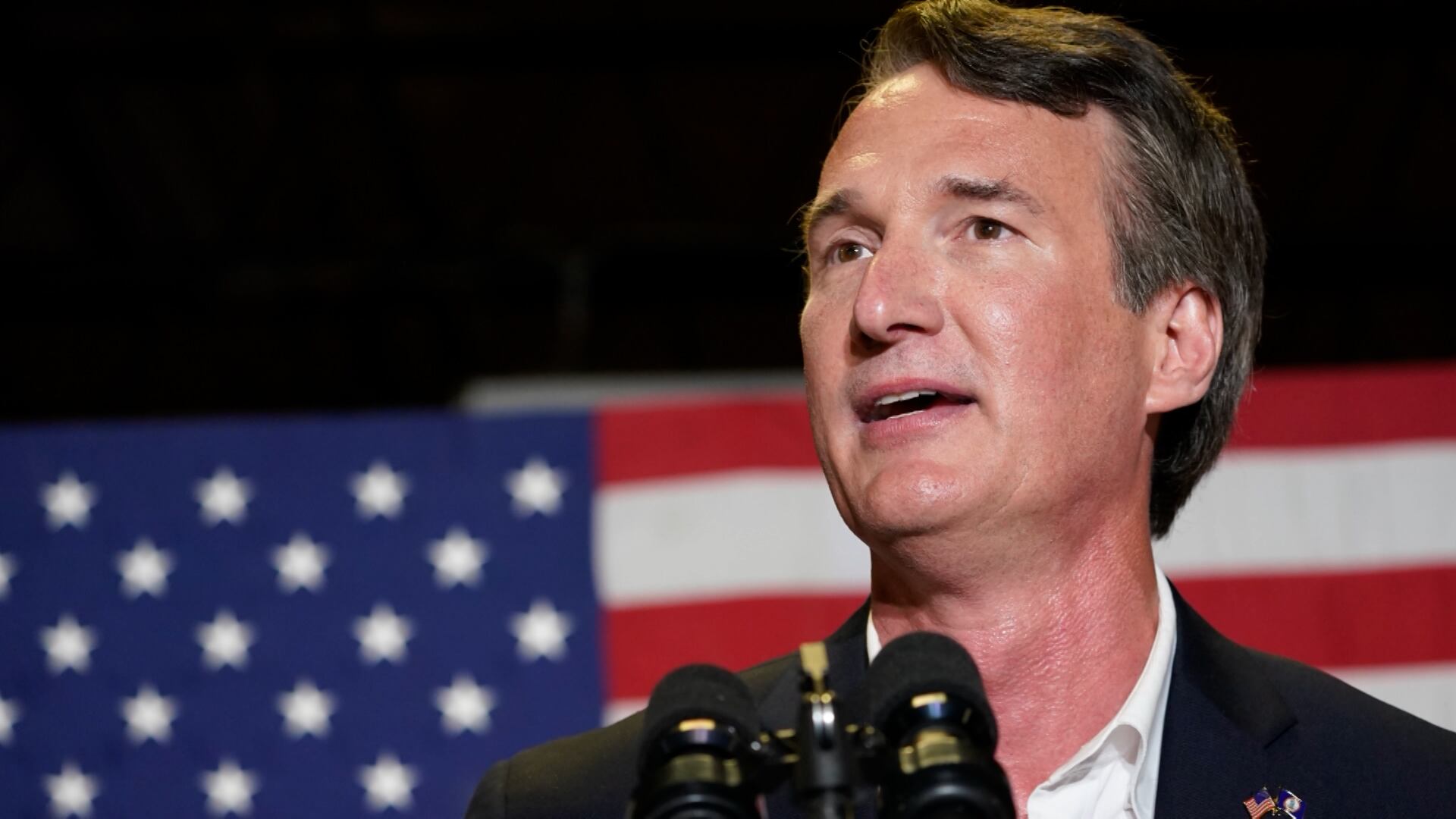
White House COVID-19 Response Coordinator Jeff Zients removes a face mask as he prepares to speak at a press briefing at the White House, April 13, 2021, in Washington. (AP Photo/Patrick Semansky, File)
President Joe Biden is expected to tap Jeff Zients, the administration’s former COVID-19 response coordinator, as his next chief of staff.
Biden’s current chief of staff, Ron Klain, is likely to leave the job following Biden’s State of the Union address on Feb. 7, The New York Times reported. Klain has held the position for the past two years.
The chief of staff heads the Executive Office of the President and is a cabinet position widely recognized as one of the most important, influential jobs in the White House. The details of the role differ across administrations, but generally, the chief of staff serves as the President’s primary aide and adviser across many different fronts.
For example, the chief of staff oversees the President’s daily operations as well as broader policy development. The staffer in the role also maintains the president’s schedule, advises the president on policy, hires and organizes staff, and controls the flow of information to the president, among other duties.
In his previous role Zients helped increase the distribution of COVID-19 vaccines, but left the administration last April. Prior to that he held several positions under President Barack Obama, including director of the National Economic Council.
If appointed, Zients would begin the role at a critical time for Biden as he may soon announce his 2024 reelection bid and faces a special counsel investigation over mishandled classified documents.
Kerryanne Burke, a former NYS Assembly Attorney & Government Policy Attorney joins Cheddar News to discuss recent protests by municipal city workers who oppose the city's vaccine mandate.
Dr. Rachel Cleetus, Policy Director and Lead Economist of the Climate and Energy Program for the Union of Concerned Scientists, joined Cheddar News to discuss the COP26 summit.
A Freitag pod with Carlo and Baker, talking about the upcoming federal vax-or-test deadline, the most shocking upset of this week's elections, an incredible story of selflessness and Love, Hate, Ate.
Clarence Cox III, a former police chief from Georgia, joined Cheddar to discuss Portland Mayor Ted Wheeler's plans to greatly increase the city's police budget. "I think his investments, as I read and understand, are in the right areas," Cox said. "Body-worn cameras are something that I'm a very big proponent of, and I think the mayor's going in the right direction with some of the initiatives."
Alysa McCall, director of conservation outreach and staff scientist at Polar Bears International, joined Cheddar to discuss the ongoing fight to protect polar bears from extinction while world leaders gathered to discuss the climate crisis. McCall explained her organization's mission "to ensure the long term survival of polar bears by helping ensure their arctic sea ice habitat remains intact." McCall said she hopes actionable steps are taken after the UN climate summit to mitigate the crisis and not just more promises.
Carlo and Baker discuss the fallout from Tuesday's election and the flashing warning sign for Dems ahead of the midterms. Also, a big 2A case at the Supreme Court, Aaron Rodgers has Covid and is in big trouble, and a first for the MCU.
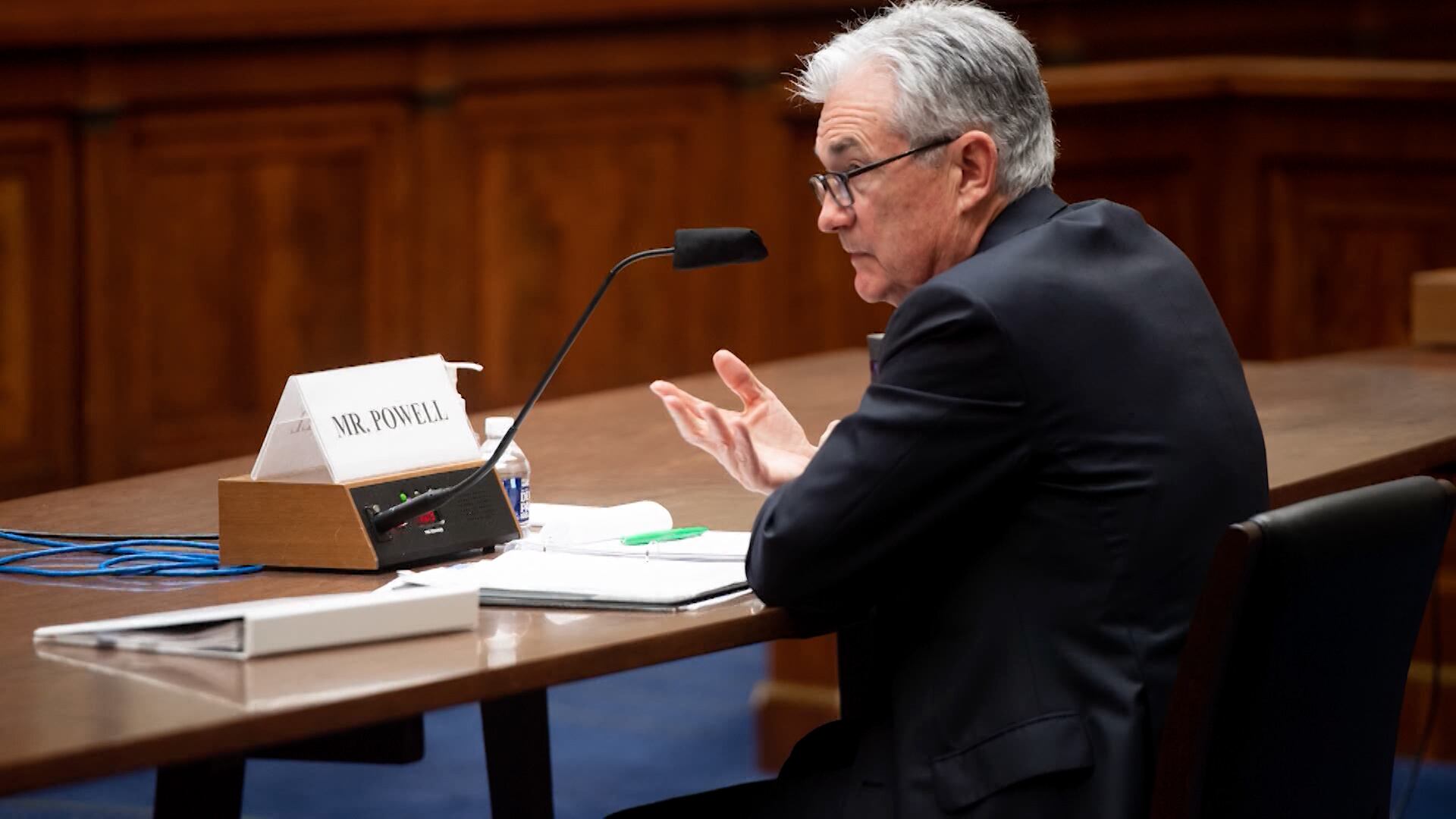
Milton Ezrati, Chief Economist at Vested, joins Cheddar News' Closing Bell, where he breaks down the Federal Reserve's latest policy decision and discusses what he will be listening for most closely when Fed Chair Jerome Powell takes the podium.