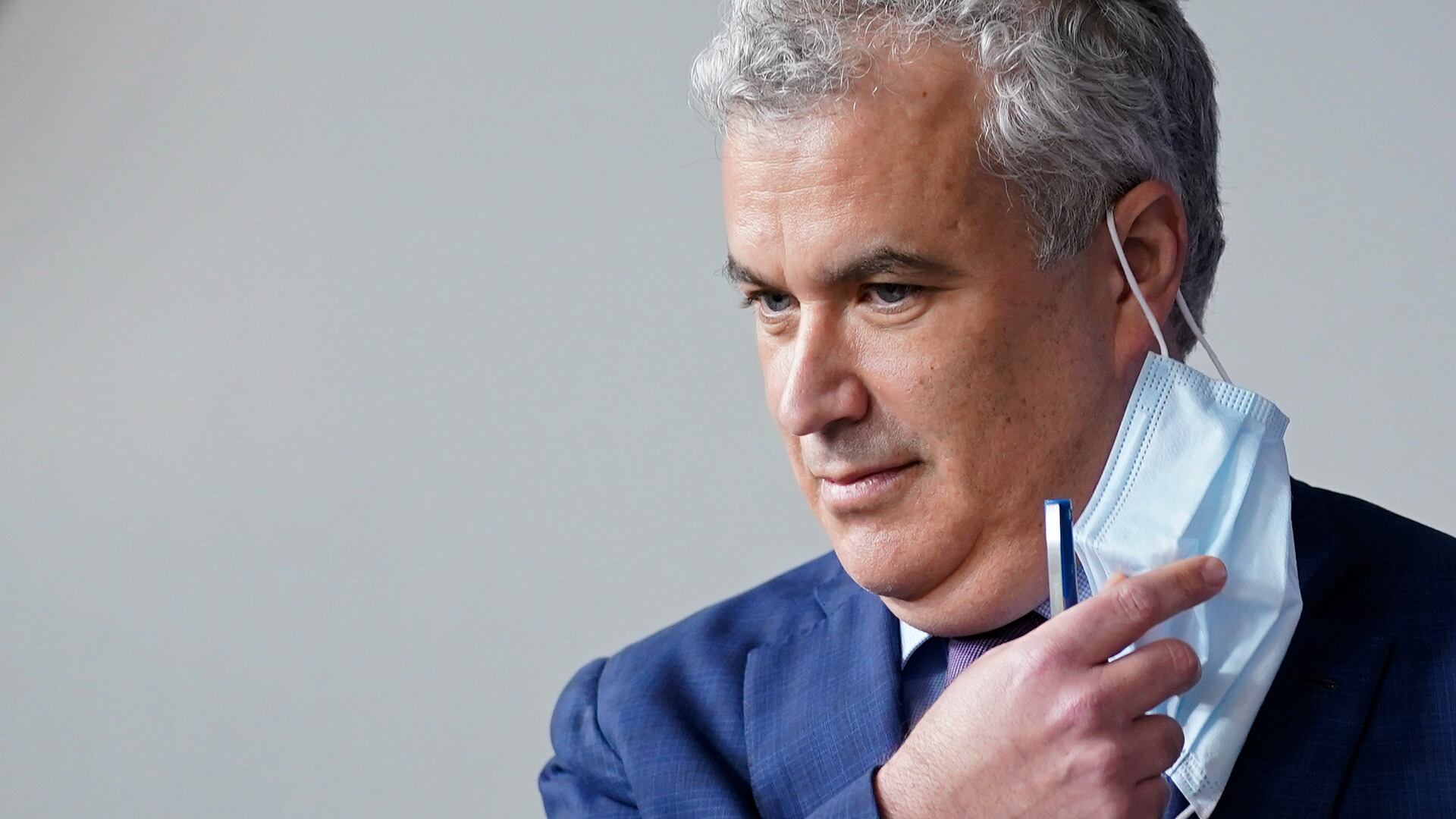
White House COVID-19 Response Coordinator Jeff Zients removes a face mask as he prepares to speak at a press briefing at the White House, April 13, 2021, in Washington. (AP Photo/Patrick Semansky, File)
President Joe Biden is expected to tap Jeff Zients, the administration’s former COVID-19 response coordinator, as his next chief of staff.
Biden’s current chief of staff, Ron Klain, is likely to leave the job following Biden’s State of the Union address on Feb. 7, The New York Times reported. Klain has held the position for the past two years.
The chief of staff heads the Executive Office of the President and is a cabinet position widely recognized as one of the most important, influential jobs in the White House. The details of the role differ across administrations, but generally, the chief of staff serves as the President’s primary aide and adviser across many different fronts.
For example, the chief of staff oversees the President’s daily operations as well as broader policy development. The staffer in the role also maintains the president’s schedule, advises the president on policy, hires and organizes staff, and controls the flow of information to the president, among other duties.
In his previous role Zients helped increase the distribution of COVID-19 vaccines, but left the administration last April. Prior to that he held several positions under President Barack Obama, including director of the National Economic Council.
If appointed, Zients would begin the role at a critical time for Biden as he may soon announce his 2024 reelection bid and faces a special counsel investigation over mishandled classified documents.
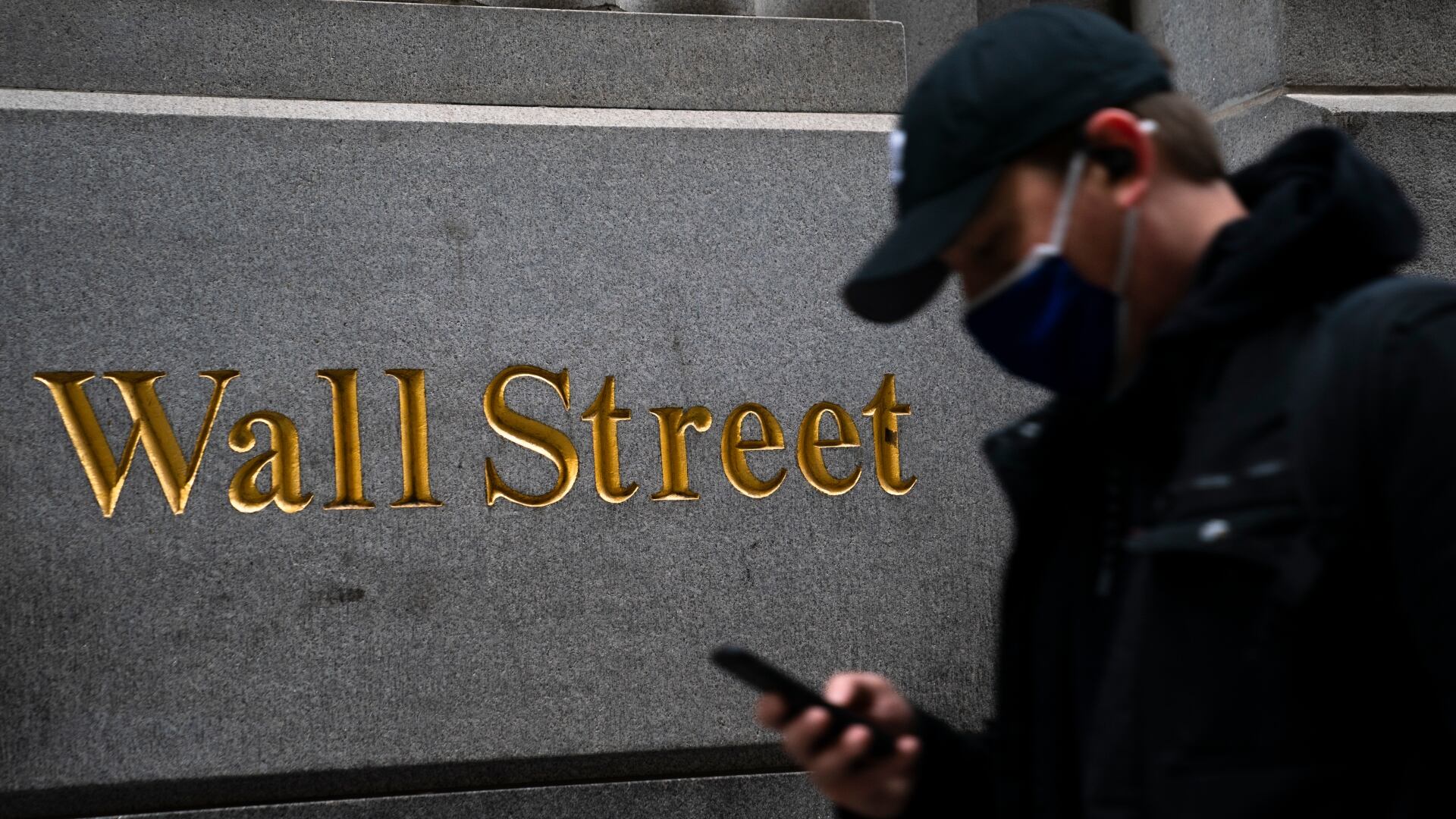
Markets opened slightly higher to kick off the final trading week of the year as investors continue to watch the Omicron variant in the U.S. Sean O'Hara, President, Pacer ETFs joined Cheddar's Opening Bell to discuss what drove early market activity.
Carlo and Baker kick off the weirdest week of the year with all the news you missed over the holiday weekend, including calls for the CDC to shorten its isolation window as Omicron sweeps through the country.
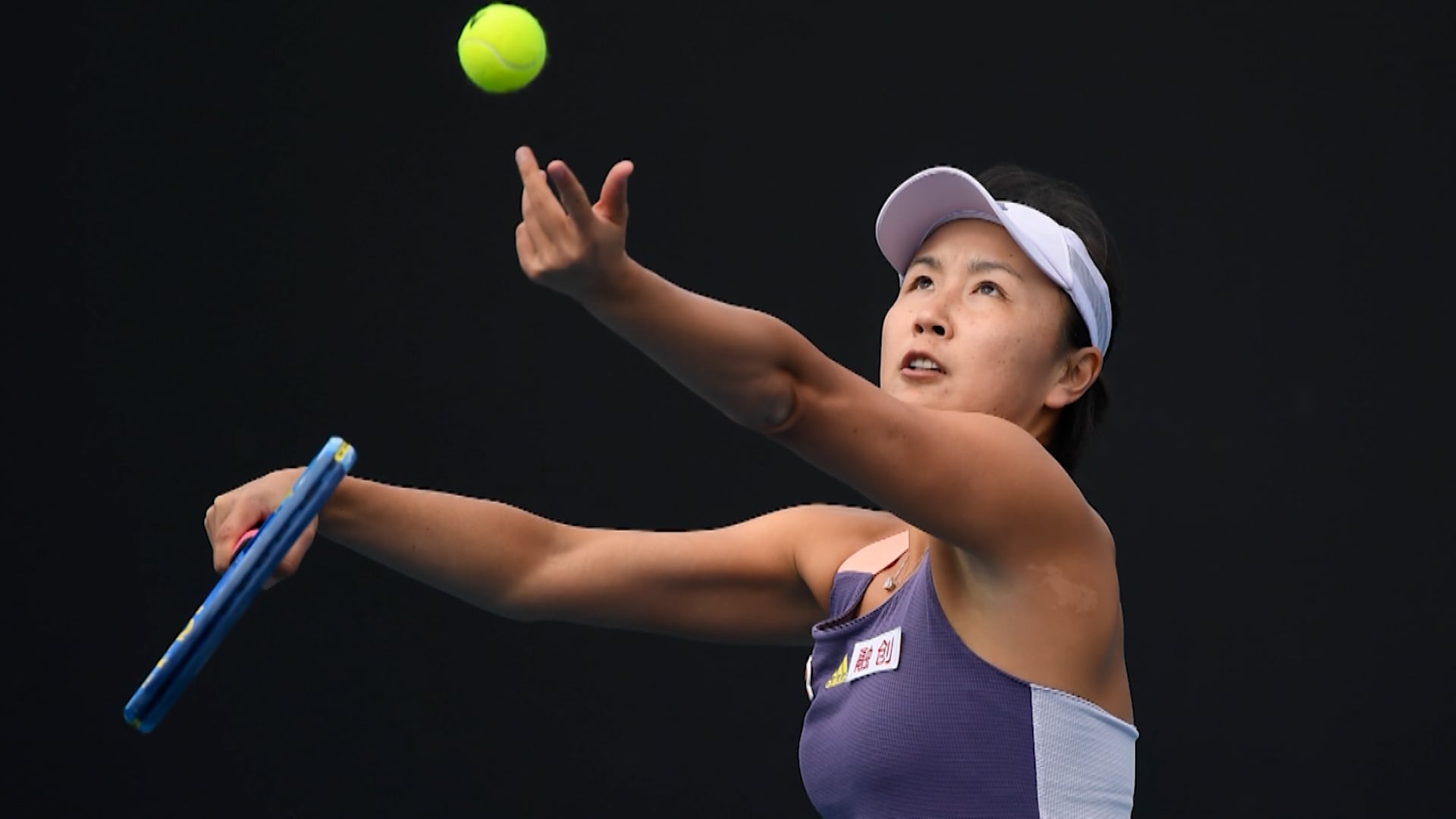
Former professional tennis player Patrick McEnroe joined Cheddar to discuss the troubling issues surrounding player Peng Shuai who appeared potentially to have been silenced following her social media post accusing former Vice-Premier Zhang Gaoli of sexual assault. Shuai's subsequent disappearance, reappearance, and apparent retraction of the accusation in an interview only added to worries. "When this happened, all of us in the tennis community were very concerned. And, by the way, another thing Peng said in this interview was that she doesn't speak very good English," McEnroe noted. "Well I can assure you, she speaks darn good English, 'cause I spoke to her on many occasions over the last 15 years."
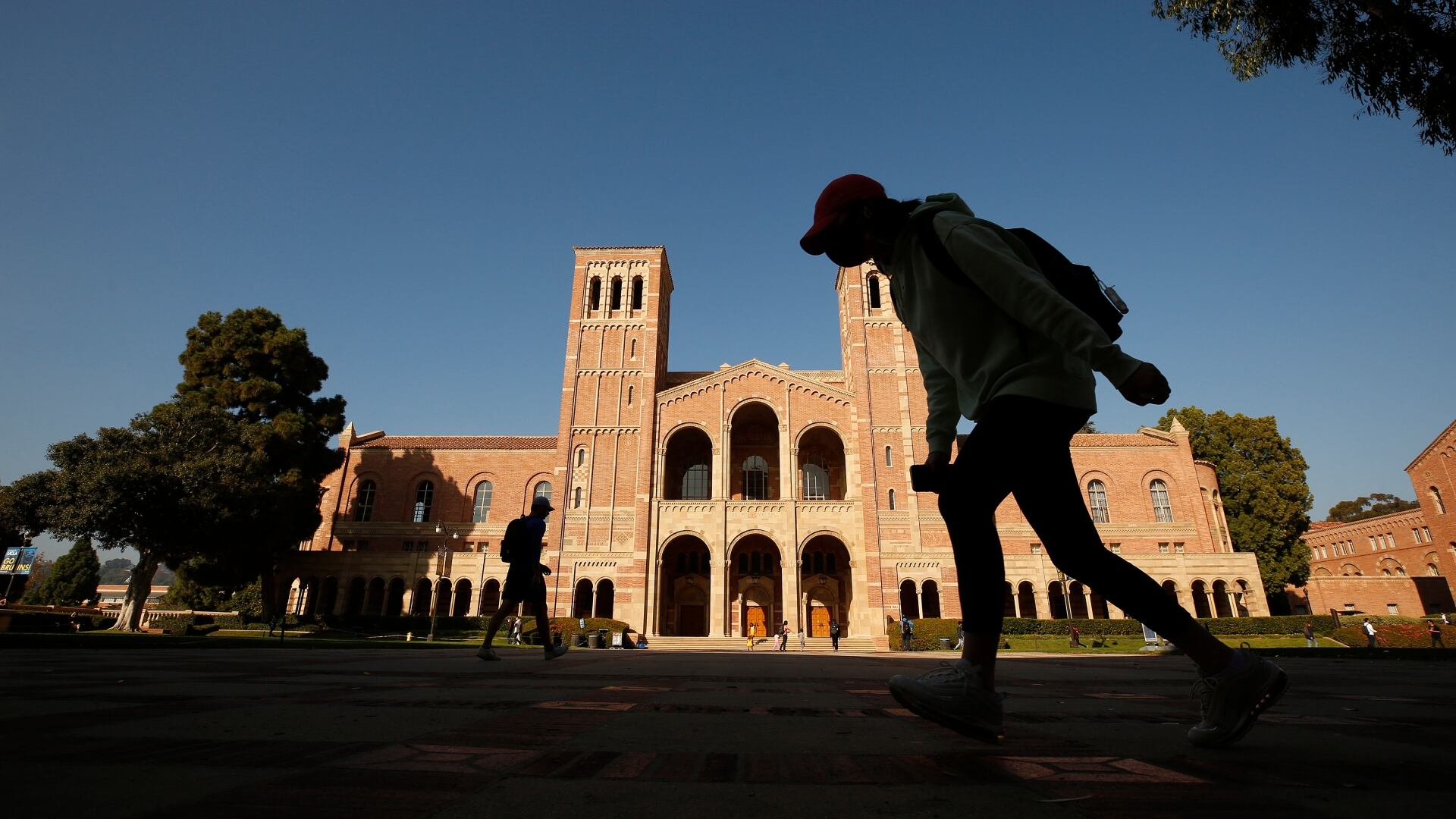
Universities like UCLA, Yale, and Duke have announced they're implementing remote learning amid the COVID omicron variant surge, despite President Biden recommending that K-12 schools should continue in-person education. Jared C. Bass, senior director for Higher Education at American Progress, joined Cheddar to break down what institutions of higher education might be considering differently. "I think some universities are allowing periods of a bit of a respite to allow students to get testing and make sure when they do return back to campus that they're healthy," he noted.
The S&P closed at a record at the major markets ended Thursday's session higher for a third straight day. Adam Coons, Portfolio Manager at Winthrop Capital Management, joins Cheddar News' Closing Bell, where he discusses what has investors feeling jolly before Christmas, and gifts investors with winning buying opportunities entering 2022.
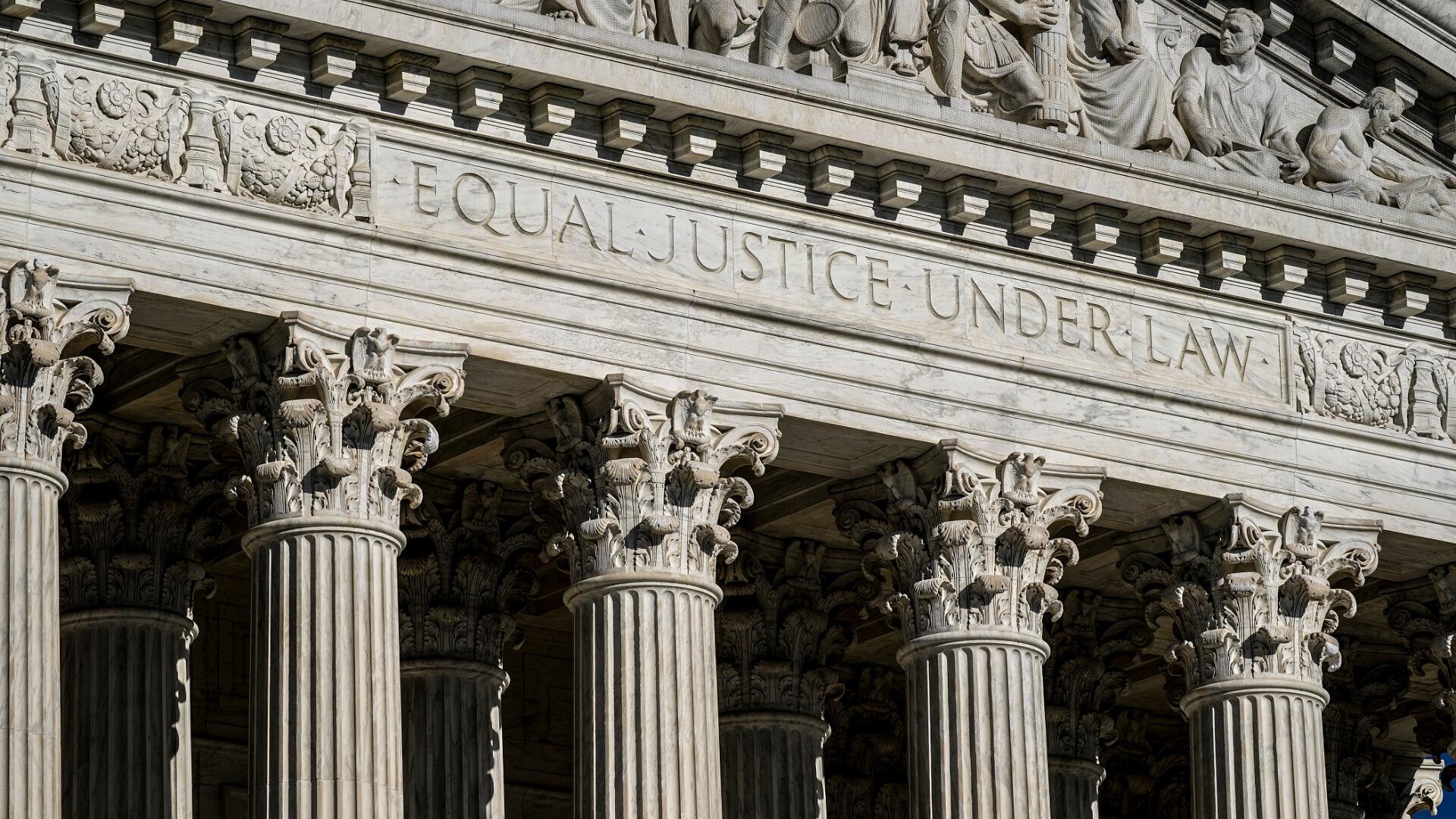
The Supreme Court will hear arguments on President Joe Biden's vaccine mandates for large companies and health care workers on January 7, 2022. The mandates will remain in place until then.
Carlo and Baker cover the heartening news on the Covid front ahead of the holiday, plus President Biden punting student loan repayments again, a new space telescope and Love, Hate, Ate: Christmas Eve Eve Edition!
This year's worldwide semiconductor shortage limited the supply of everything from new cars to smartphones; and now, many in the chip industry expect the shortage to continue deep into 2022, and maybe even 2023. Semiconductor senior research analyst for Robert W. Baird & Co., Tristan Gerra, joins Cheddar News' Closing Bell to discuss.