The number of COVID-19 cases is hitting a record high all across the U.S., suggesting the second coronavirus wave is underway. President-elect Joe Biden said fighting the pandemic will be his top order of business, but with his inauguration more than two months away, there is concern the fight against the virus could be insurmountable by then.
Among those vying for immediate action to be taken is Rep. Ami Bera (D-Calif. 7th District), who worked as a doctor before he was elected to Congress.
"We all know the outcome of this presidential election. I would hope the career scientists and others at the FDA, at the CDC, would start working with the Biden administration. And you're seeing some of that messaging change a little bit, but Donald Trump's unpredictable," Bera told Cheddar.
It's not just Americans' health at stake; it is also the health of the U.S. economy Bera is concerned about. Last week 709,000 Americans applied for first-time unemployment benefits. While that number better than expected, jobless claims are still exceedingly high across the U.S., a sign that relief for Americans should remain a priority, Bera said.
"I don't think we can wait until January 20th. I think we've got to get something done in this Congress, in the lame-duck session," he continued.
Getting the Vaccine Out
The California congressman suggested that the Biden administration will provide a "180-degrees difference" when it comes to strategizing the country's way out of the pandemic and will be led by science. Still, he believes there will be difficulty in distributing a vaccine once it becomes widely available.
"This is going to be a major logistical lift here in terms of how you get that out there, particularly if it is the Moderna or Pfizer vaccine because of the cold storage issues. They have to be kept at very cold temperatures," he explained.
When it comes to distributing the vaccine, Bera said workers on the frontlines of the pandemic, those at high risk of infection, and people in the hardest-hit communities should be tended to first.
With the holidays just weeks away, the pandemic is only expected to worsen and until a vaccine is ready, Bera said Americans must do their part and move responsibly.
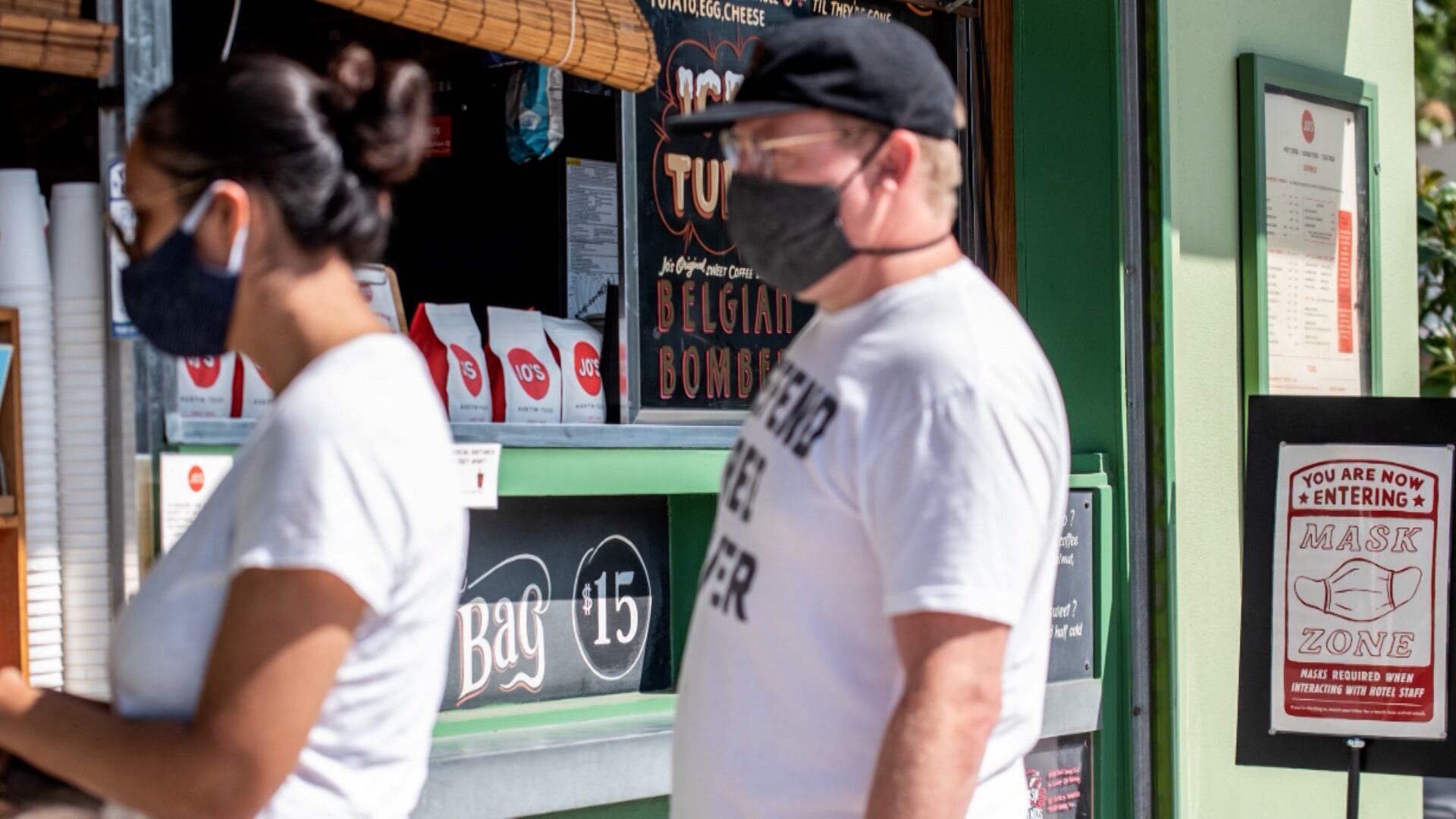
"Everyone really should take the caution, wear a mask, avoid big gatherings, particularly big indoor gatherings," he said.
The government should also prepare the public for a vaccine, if and when it becomes available. "Between now and when that vaccine's available, let's have positive messaging and reassure the public that the science is going to drive when that vaccine is ready," he said
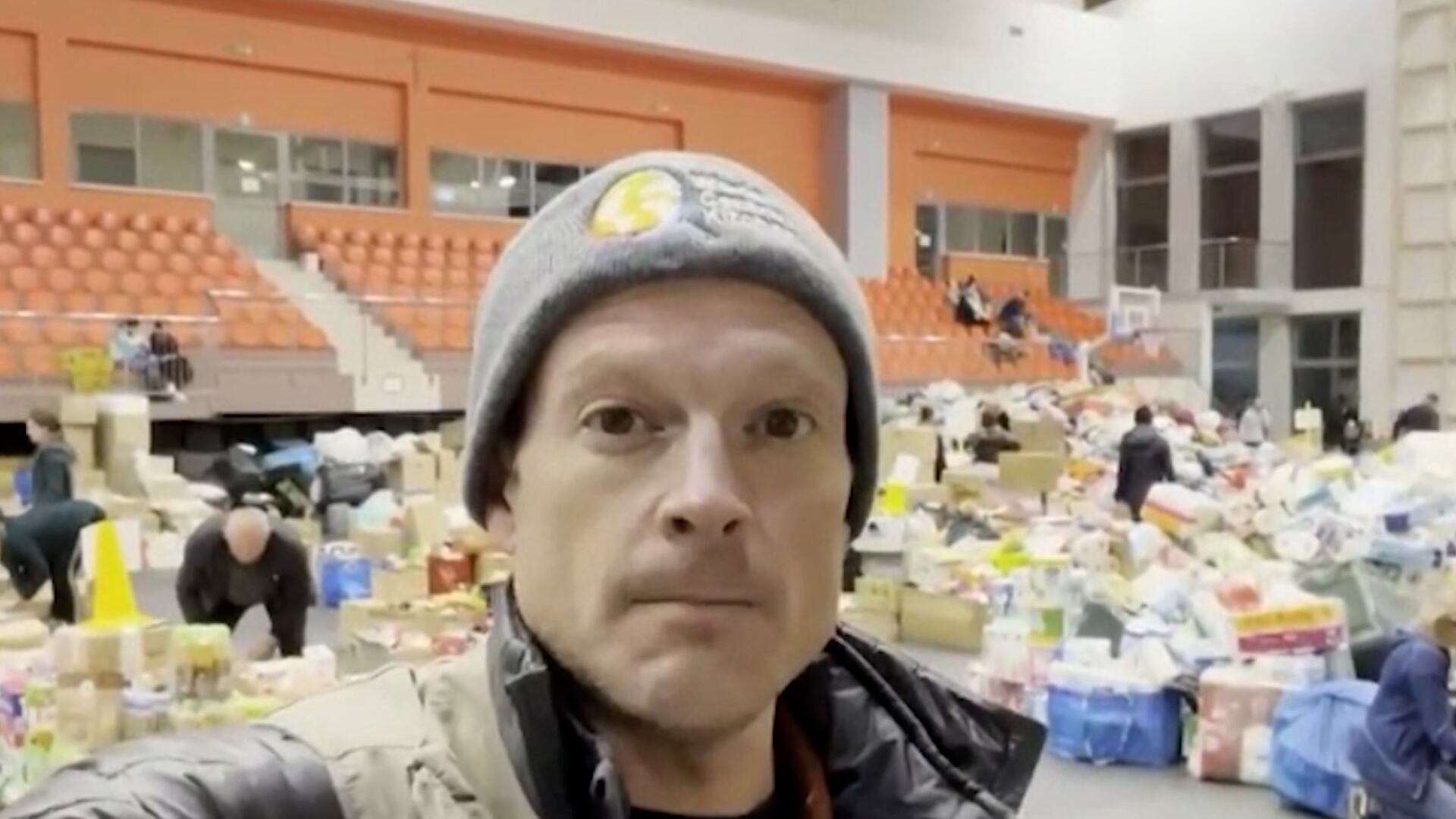
World Central Kitchen is Ukraine helping to feed people remaining in the country or fleeing from the Russian forces. Nate Mook, CEO for the non-profit, joined Cheddar New to discuss the efforts being made to help those in need in a very tenuous situation and how the invasion disrupted the lives of Ukrainian people."We met a young woman from Kyiv who had crossed into Poland, she had a great job, she just moved into a new apartment. She was really excited about decorating her apartment. You know, things that we all do on a day-to-day basis, and she had to just abandon her life," he said.
Bina Venkataraman, Boston Globe Editorial Page Editor & former White House disaster policy adviser joins Cheddar News to discuss the current state of the pandemic as well as Biden's handling of the crisis
Michael Li senior counsel for the Brennan Center's Democracy Program joins Cheddar News to discuss gerrymandering and how it's impacting American politics
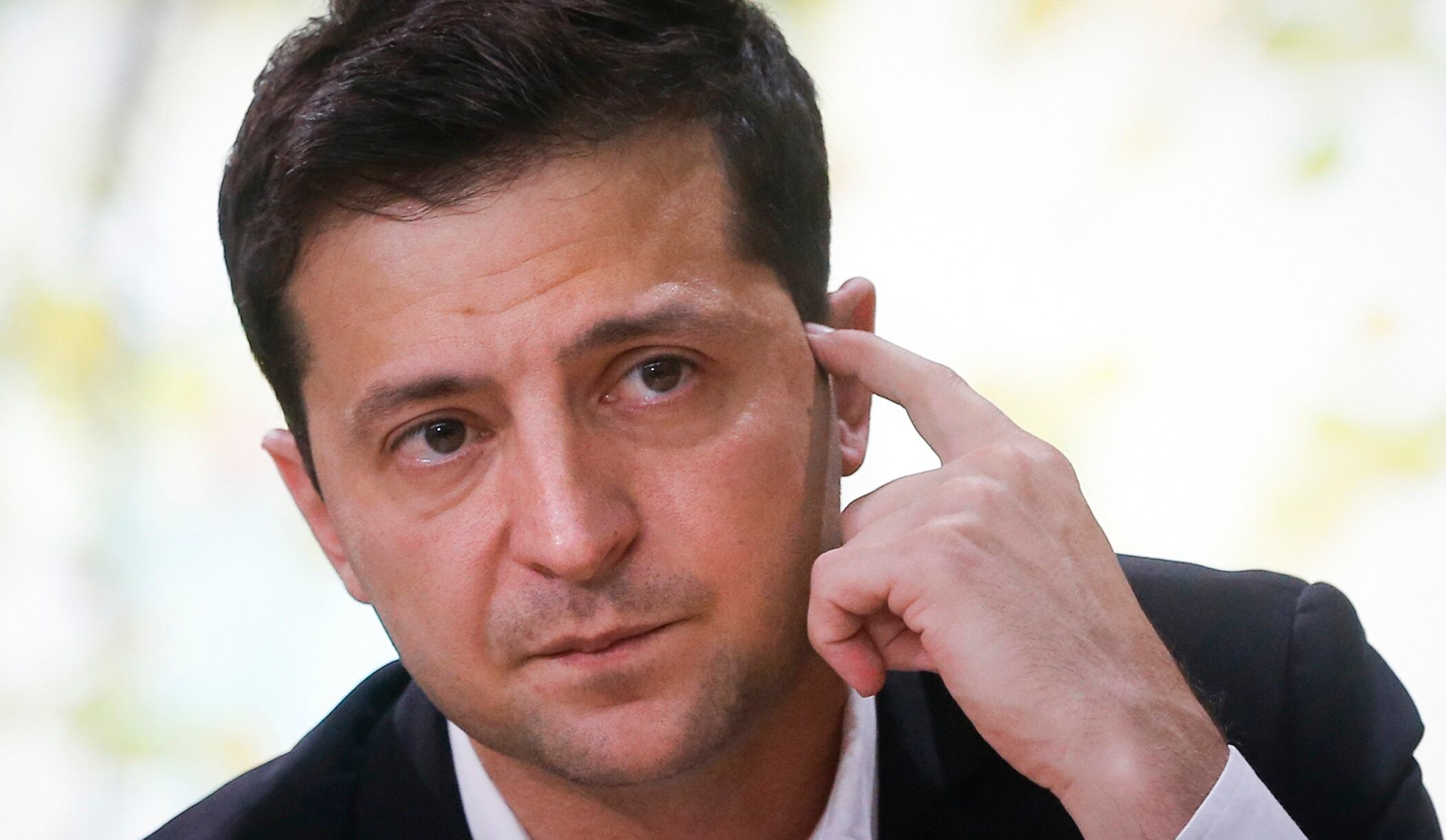
As half a million Ukrainians fled when Russia invaded its neighbor, some civilians chose to stay in harm's way. Igor Gamaniuk, a 17-year-old Ukrainian college student, joined Cheddar News to talk about his decision to remain in his beloved country and volunteer to support soldiers with food, clothing, and supplies. "Right now people are pretty calm in my town. We are trying not to panic. But we have to be cautious because every day and every night the siren could sound and we have to move away from the window or go to the nearest shelter," Gamaniuk explained.
As Russia continues to invade Ukraine, its tech outsourcing sector is at risk. Over the past few years, the country has become a popular outsourcing destination for American and European tech companies, but now the future of that industry is uncertain. Isabelle Bousquette, enterprise technology reporter, for The Wall Street Journal, discusses what repercussions the crisis might have on the industry, and what companies are doing to mitigate possible disruptions.
In a nearly 3,700 page UN report, climate scientists outline the imminent dangers caused by climate change, saying fossil fuels are 'choking humanity.' The report calls some of the impacts of global warming 'irreversible,' warning of extreme consequences in the near future. Kristie L. Ebi, Professor of Global Health and Environmental and Occupational Health Sciences, University of Washington joined Cheddar's Opening Bell to discuss.