The number of COVID-19 cases is hitting a record high all across the U.S., suggesting the second coronavirus wave is underway. President-elect Joe Biden said fighting the pandemic will be his top order of business, but with his inauguration more than two months away, there is concern the fight against the virus could be insurmountable by then.
Among those vying for immediate action to be taken is Rep. Ami Bera (D-Calif. 7th District), who worked as a doctor before he was elected to Congress.
"We all know the outcome of this presidential election. I would hope the career scientists and others at the FDA, at the CDC, would start working with the Biden administration. And you're seeing some of that messaging change a little bit, but Donald Trump's unpredictable," Bera told Cheddar.
It's not just Americans' health at stake; it is also the health of the U.S. economy Bera is concerned about. Last week 709,000 Americans applied for first-time unemployment benefits. While that number better than expected, jobless claims are still exceedingly high across the U.S., a sign that relief for Americans should remain a priority, Bera said.
"I don't think we can wait until January 20th. I think we've got to get something done in this Congress, in the lame-duck session," he continued.
Getting the Vaccine Out
The California congressman suggested that the Biden administration will provide a "180-degrees difference" when it comes to strategizing the country's way out of the pandemic and will be led by science. Still, he believes there will be difficulty in distributing a vaccine once it becomes widely available.
"This is going to be a major logistical lift here in terms of how you get that out there, particularly if it is the Moderna or Pfizer vaccine because of the cold storage issues. They have to be kept at very cold temperatures," he explained.
When it comes to distributing the vaccine, Bera said workers on the frontlines of the pandemic, those at high risk of infection, and people in the hardest-hit communities should be tended to first.
With the holidays just weeks away, the pandemic is only expected to worsen and until a vaccine is ready, Bera said Americans must do their part and move responsibly.
"Everyone really should take the caution, wear a mask, avoid big gatherings, particularly big indoor gatherings," he said.
The government should also prepare the public for a vaccine, if and when it becomes available. "Between now and when that vaccine's available, let's have positive messaging and reassure the public that the science is going to drive when that vaccine is ready," he said
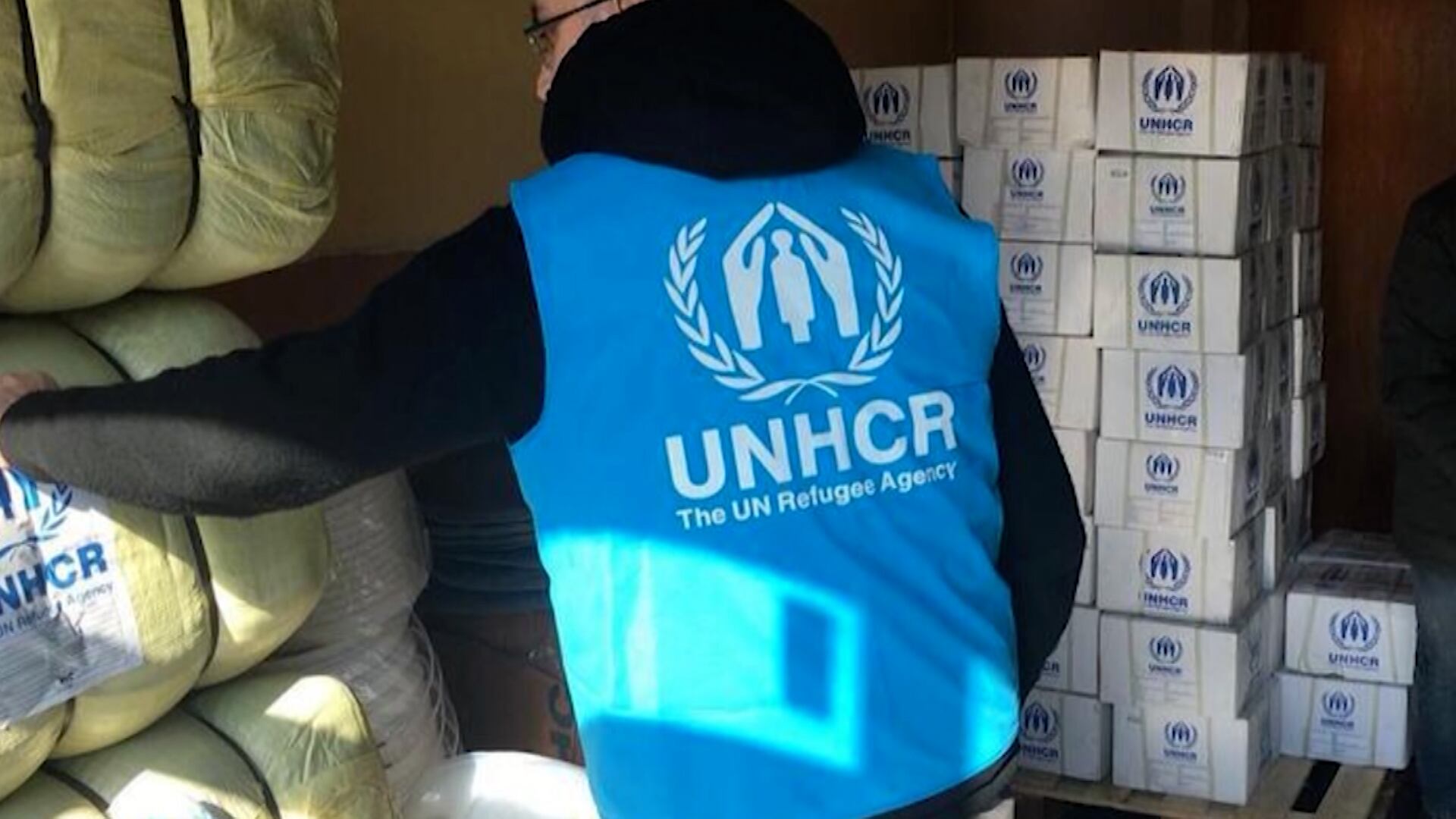
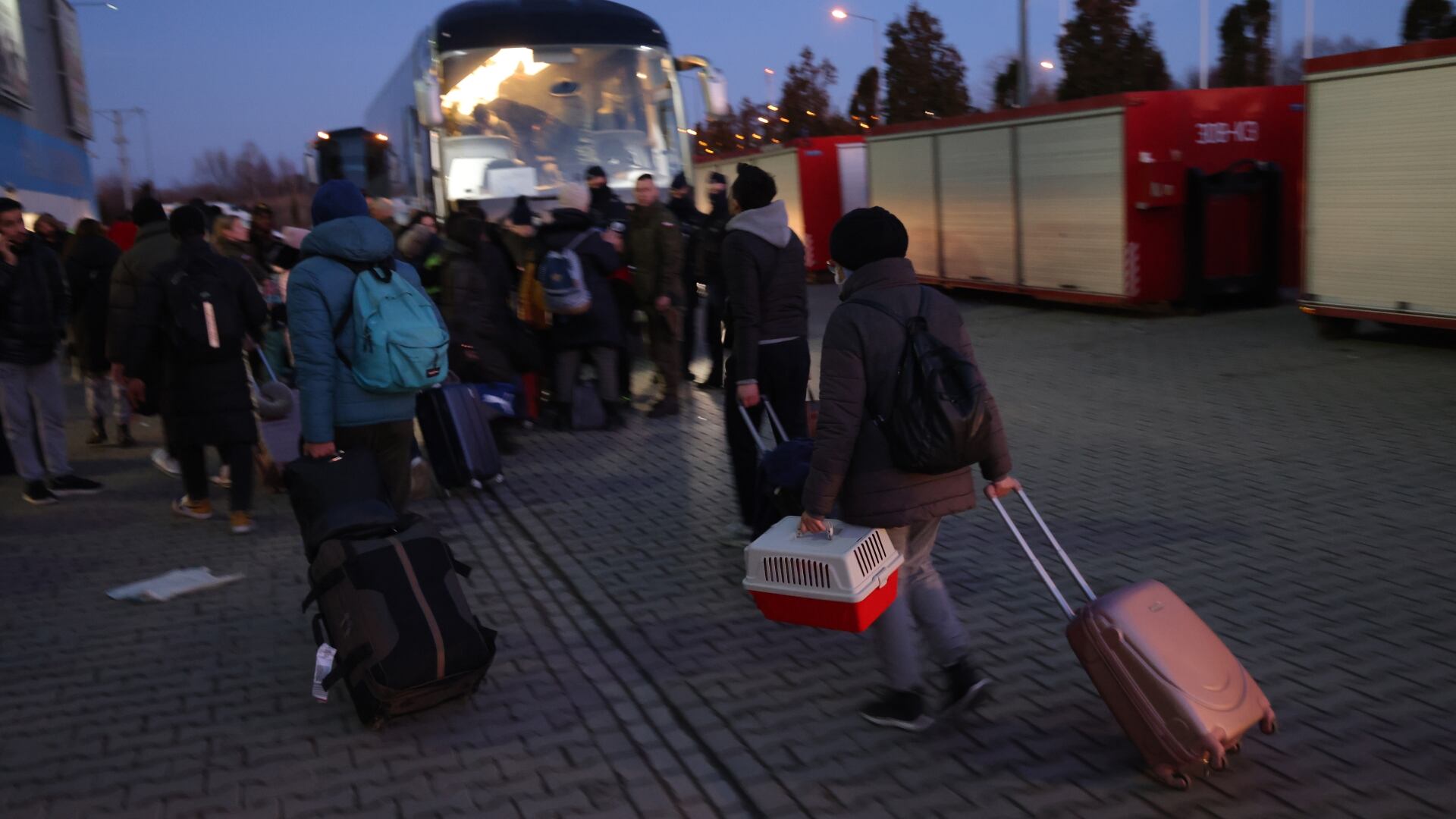
The United Nations High Commissioner for Refugees (UNHCR) has reported that an estimated one million people have fled from Ukraine since Russia invaded. Christopher Boian, senior communications officer at UNHCR, joined Cheddar News to report on the current refugee crisis and what the world might expect if conditions continue to worsen. "We have planning figures that forecast as many as four million people could be forced to flee Ukraine," he said. "But that very much depends on how the conflict underway in that country at the moment unfolds in the days and possibly weeks ahead."
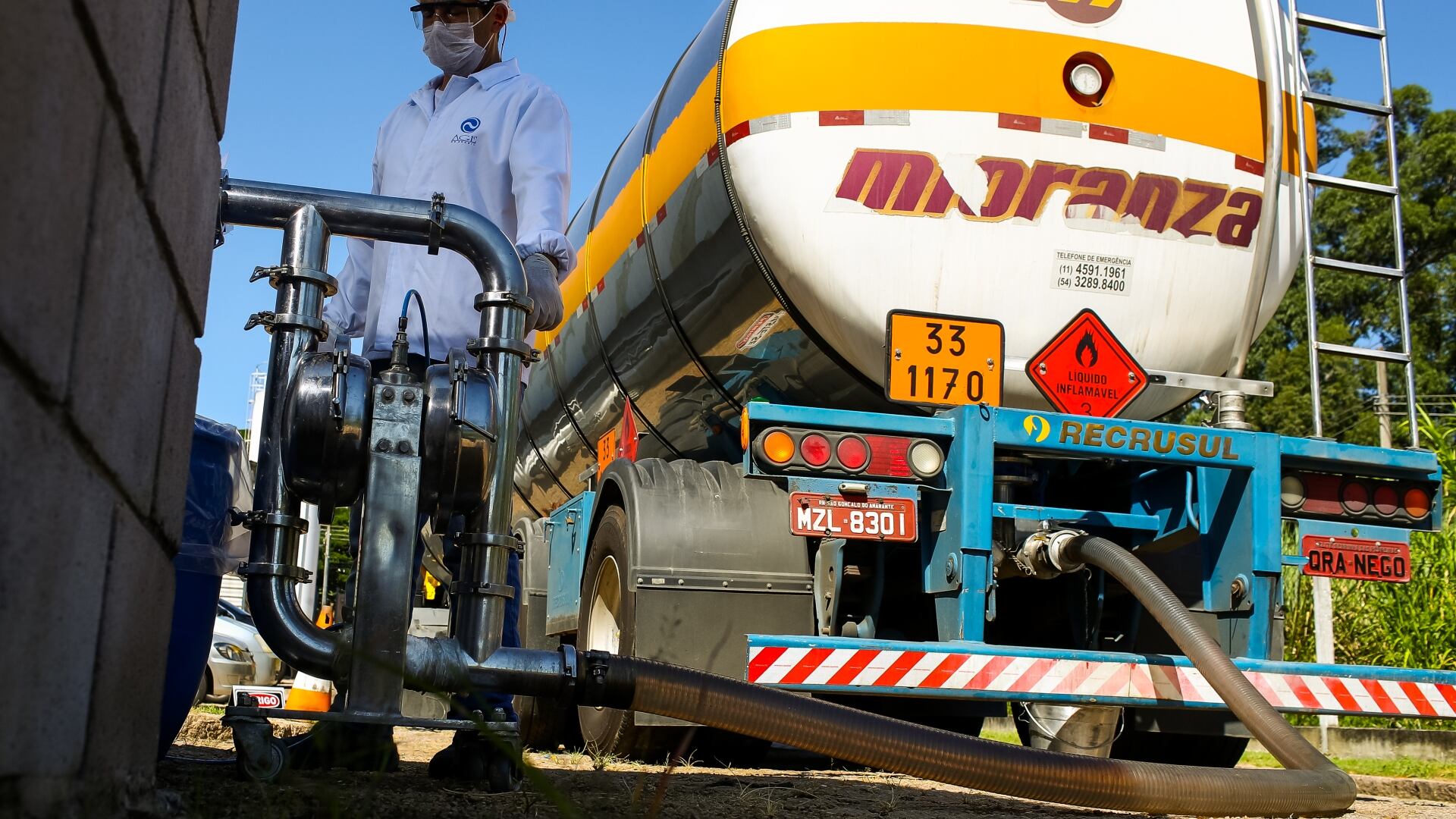
Under the U.S. Renewable Fuel Standard (RFS), corn-based ethanol has been mixed into gasoline sold at pumps in the U.S. since 2005, when a policy was enacted aimed at reducing emissions. Corn-based ethanol had been thought to be a relatively greener energy source compared to other biofuels, but now, a new study published in the Proceedings of the National Academy of Sciences reports it may be actually worse for the climate than straight gasoline. Tyler Lark, an assistant scientist at the University of Wisconsin-Madison's Center for Sustainability, joined Cheddar News' Closing Bell and discussed the pushback against the study. "Essentially when you need to produce more corn to meet the demand for use as ethanol as fuel, farmers respond and they switch more crops like soybeans and wheat into corn," Lark said. "They also bring more land into production, so things that used to be pasture grassland, and both those activities are associated with increased greenhouse gas emissions."
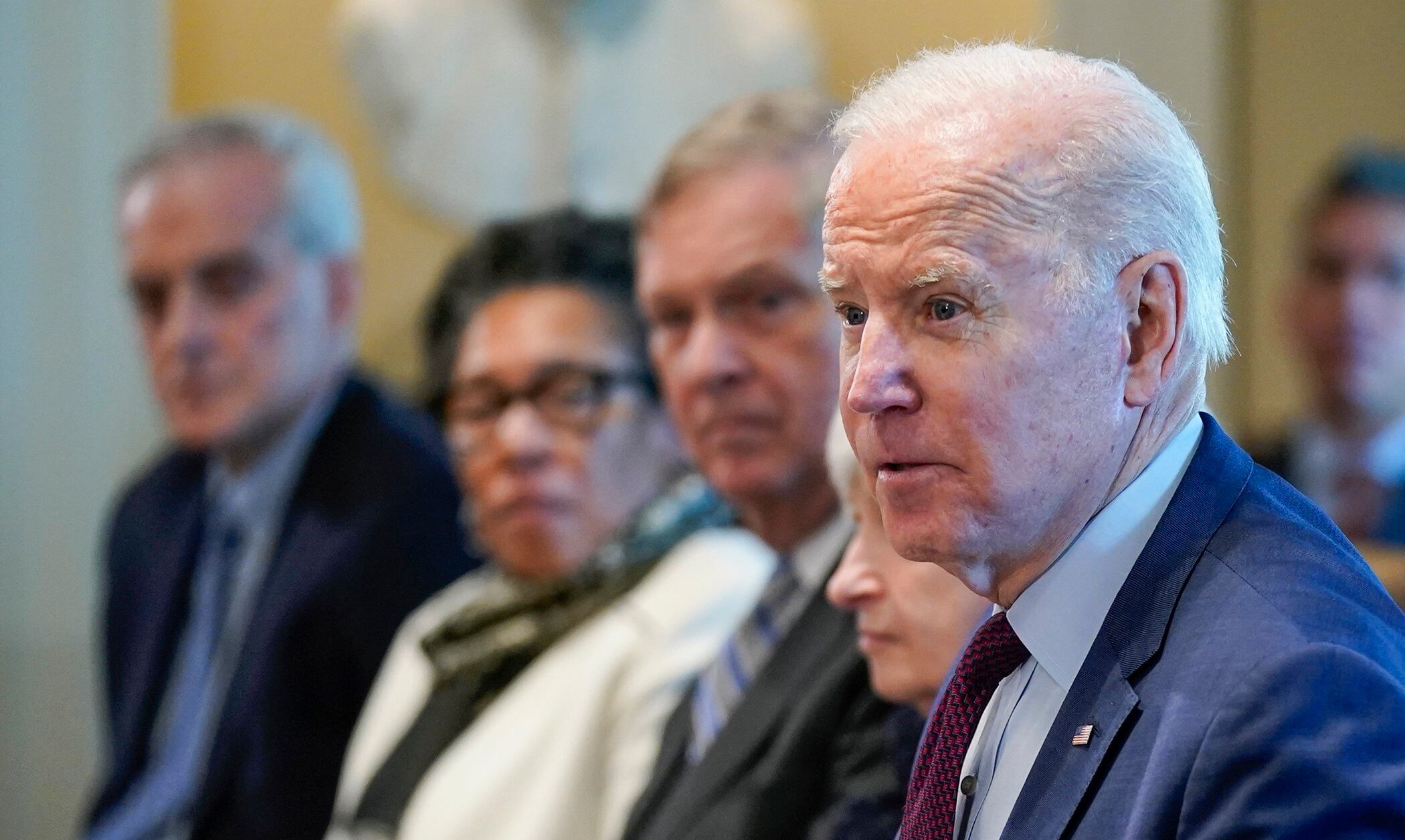
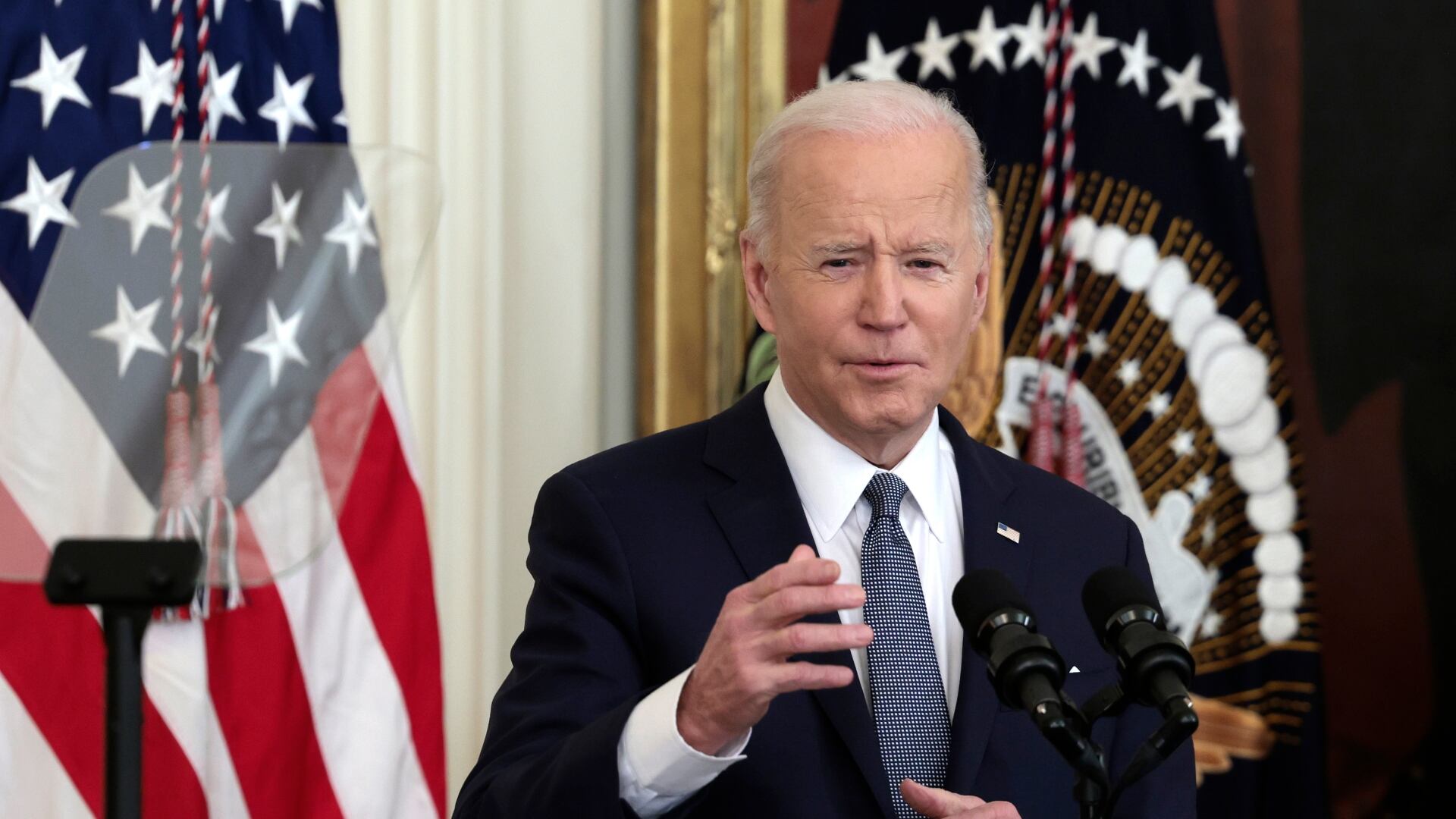
U.S. President Joe Biden’s administration on Thursday announced new sanctions against Russian oligarchs and others in President Vladimir Putin’s inner circle.
Christian Blauvelt, executive managing editor at IndieWire, joins Cheddar News to discuss the growing number of studios pulling content from Russia over Ukraine invasion.
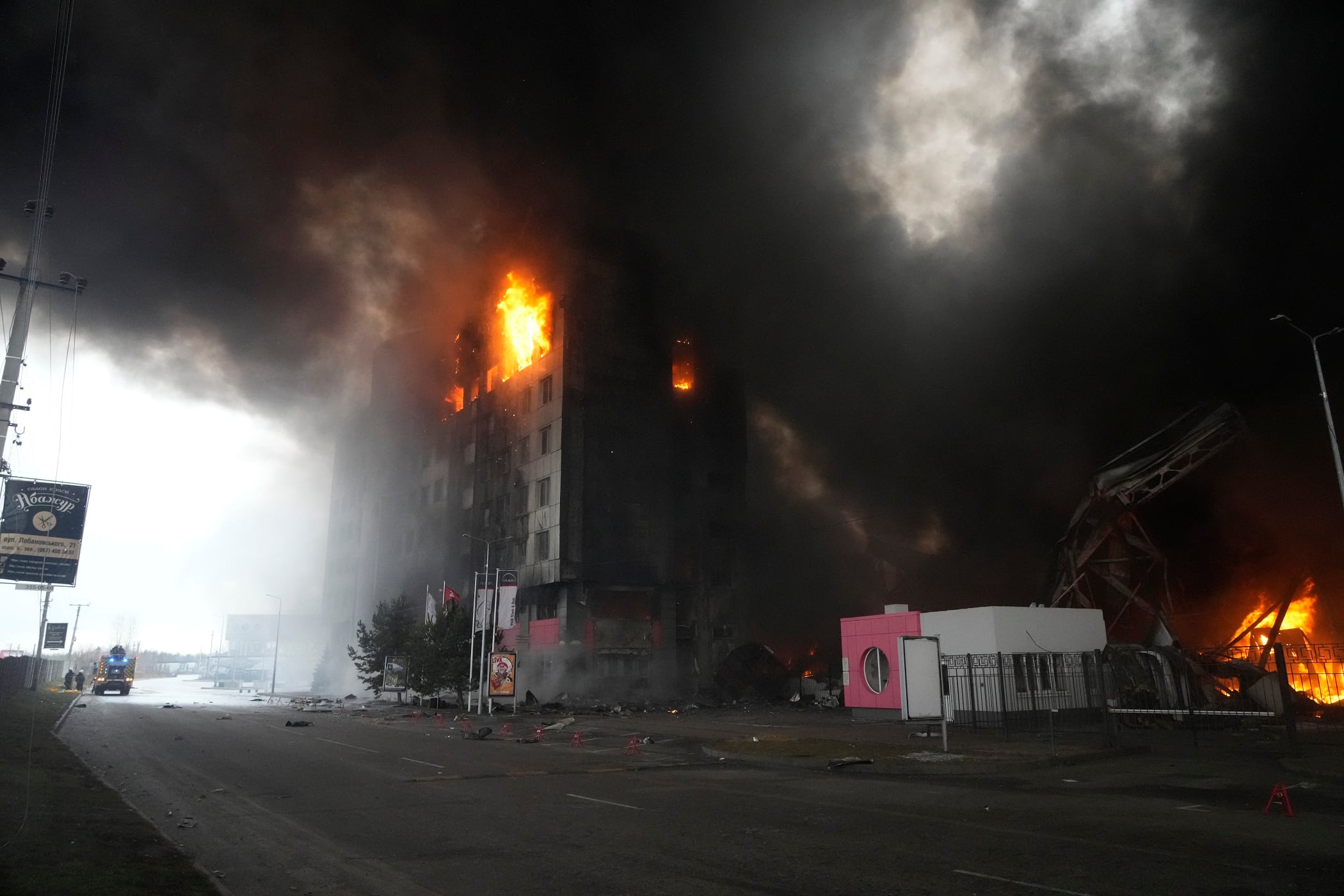
Russian forces are battling for control of a crucial energy-producing city in Ukraine’s south and gaining ground in their bid to cut off the country from the sea.
In the past few years, Betthany Frankel has made a major name for herself as a philanthropist after founding the
BStrong initiative, which has provided relief to people impacted by natural disasters as well as the COVID-19 pandemic. Now, BStrong is shifting its focus to Ukraine, raising millions of dollars in donations for those impacted by Russia's invasion. Bethenny Frankel, the founder of BStrong, joins Cheddar News' Closing Bell to discuss.
Bryan Lee, Chief Investment Officer at Blue Zone Wealth Advisors, joins Cheddar News' Closing Bell, where he elaborates on the volatility we've seen in the markets this week fueled by rising oil prices and the ongoing Russian invasion of Ukraine.
Francesca Chambers, White House correspondent for McClatchy, joins Cheddar News to discuss all the topics President Biden has to juggle in his State of the Union address.