The number of COVID-19 cases is hitting a record high all across the U.S., suggesting the second coronavirus wave is underway. President-elect Joe Biden said fighting the pandemic will be his top order of business, but with his inauguration more than two months away, there is concern the fight against the virus could be insurmountable by then.
Among those vying for immediate action to be taken is Rep. Ami Bera (D-Calif. 7th District), who worked as a doctor before he was elected to Congress.
"We all know the outcome of this presidential election. I would hope the career scientists and others at the FDA, at the CDC, would start working with the Biden administration. And you're seeing some of that messaging change a little bit, but Donald Trump's unpredictable," Bera told Cheddar.
It's not just Americans' health at stake; it is also the health of the U.S. economy Bera is concerned about. Last week 709,000 Americans applied for first-time unemployment benefits. While that number better than expected, jobless claims are still exceedingly high across the U.S., a sign that relief for Americans should remain a priority, Bera said.
"I don't think we can wait until January 20th. I think we've got to get something done in this Congress, in the lame-duck session," he continued.
Getting the Vaccine Out
The California congressman suggested that the Biden administration will provide a "180-degrees difference" when it comes to strategizing the country's way out of the pandemic and will be led by science. Still, he believes there will be difficulty in distributing a vaccine once it becomes widely available.
"This is going to be a major logistical lift here in terms of how you get that out there, particularly if it is the Moderna or Pfizer vaccine because of the cold storage issues. They have to be kept at very cold temperatures," he explained.
When it comes to distributing the vaccine, Bera said workers on the frontlines of the pandemic, those at high risk of infection, and people in the hardest-hit communities should be tended to first.
With the holidays just weeks away, the pandemic is only expected to worsen and until a vaccine is ready, Bera said Americans must do their part and move responsibly.
"Everyone really should take the caution, wear a mask, avoid big gatherings, particularly big indoor gatherings," he said.
The government should also prepare the public for a vaccine, if and when it becomes available. "Between now and when that vaccine's available, let's have positive messaging and reassure the public that the science is going to drive when that vaccine is ready," he said
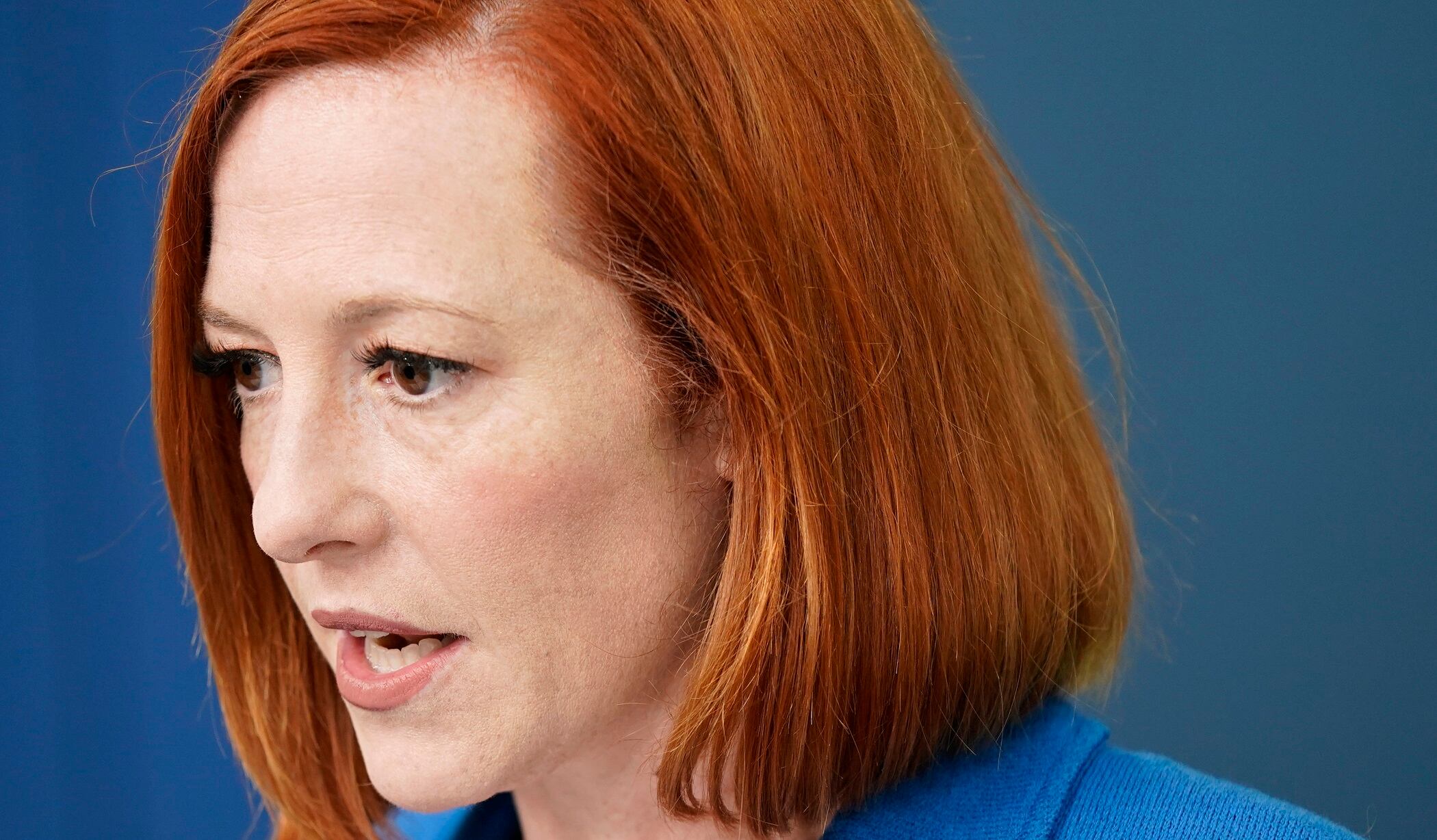
White House press secretary Jen Psaki said Tuesday that she has tested positive again for COVID-19 and will not accompany President Joe Biden to Europe for meetings on Russia’s invasion of Ukraine.
Reshma Saujani, the founder of the nonprofit Girls Who Code, discusses the workplace inequities further exposed by the pandemic and her latest book, "Pay Up: The Future of Women and Work (and Why It's Different Than You Think).
Since Russia invaded Ukraine, the United States, along with much of the Western world, has imposed economic sanctions on Russia’s economy and its oligarchs. And these measures are costing these oligarchs — billions. So what exactly is an oligarch and what are their ties to Putin and the ongoing invasion? And will sanctioning them work?
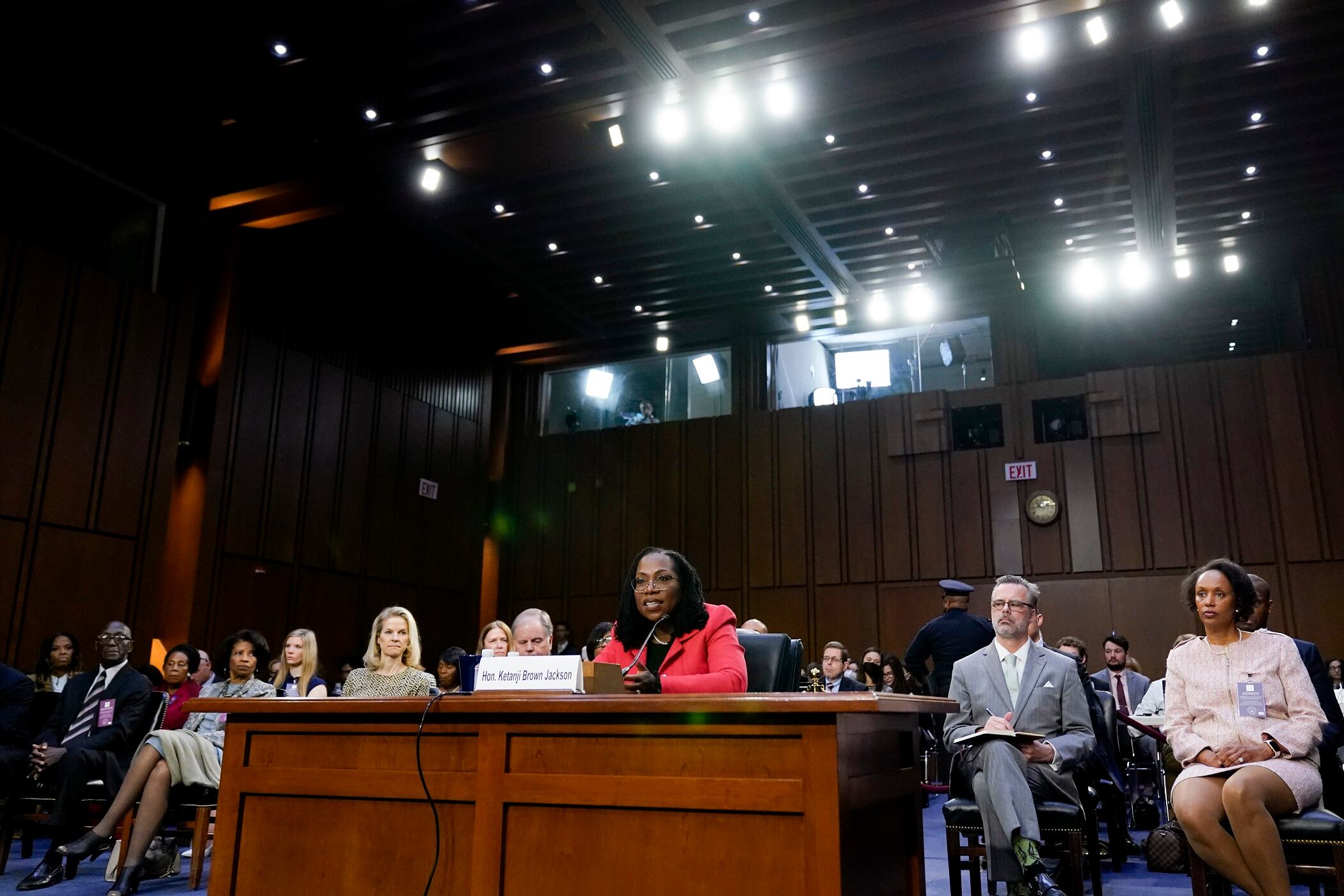
Ketanji Brown Jackson is forcefully defending her record as a federal judge, telling senators she will rule “from a position of neutrality” if she is confirmed as the first Black woman on the high court.
Ukraine remains defiant as the Russian invasion is approaching its fourth week. Cheddar News speaks with Former Obama Campaign Foreign Policy Advisor David Tafuri, on Russia’s war efforts so far and how it might shift tactics moving forward.
While investors soured on Fed Chair Jerome Powell's remarks on interest rates Monday, Anthony Saccaro, Founder and President at Providence Financial explains why he is supportive of the Fed's approach on Cheddar News' Closing Bell.
As Russia continues to wage war in Ukraine, 10 million of its citizens have fled their homes according to the UN, with more and more refugees flooding into other European countries. Nancy Dent, senior global communications officer for Europe and Asia at the aid group International Rescue Committee, joined Cheddar News to discuss the deteriorating conditions. “What's really clear from my time at the border today, in particular, is that people really are fleeing for their lives now," she said. "Two million people, 60 percent of the refugee population from Ukraine is now in Poland, and people are arriving with smaller bags really unprepared."
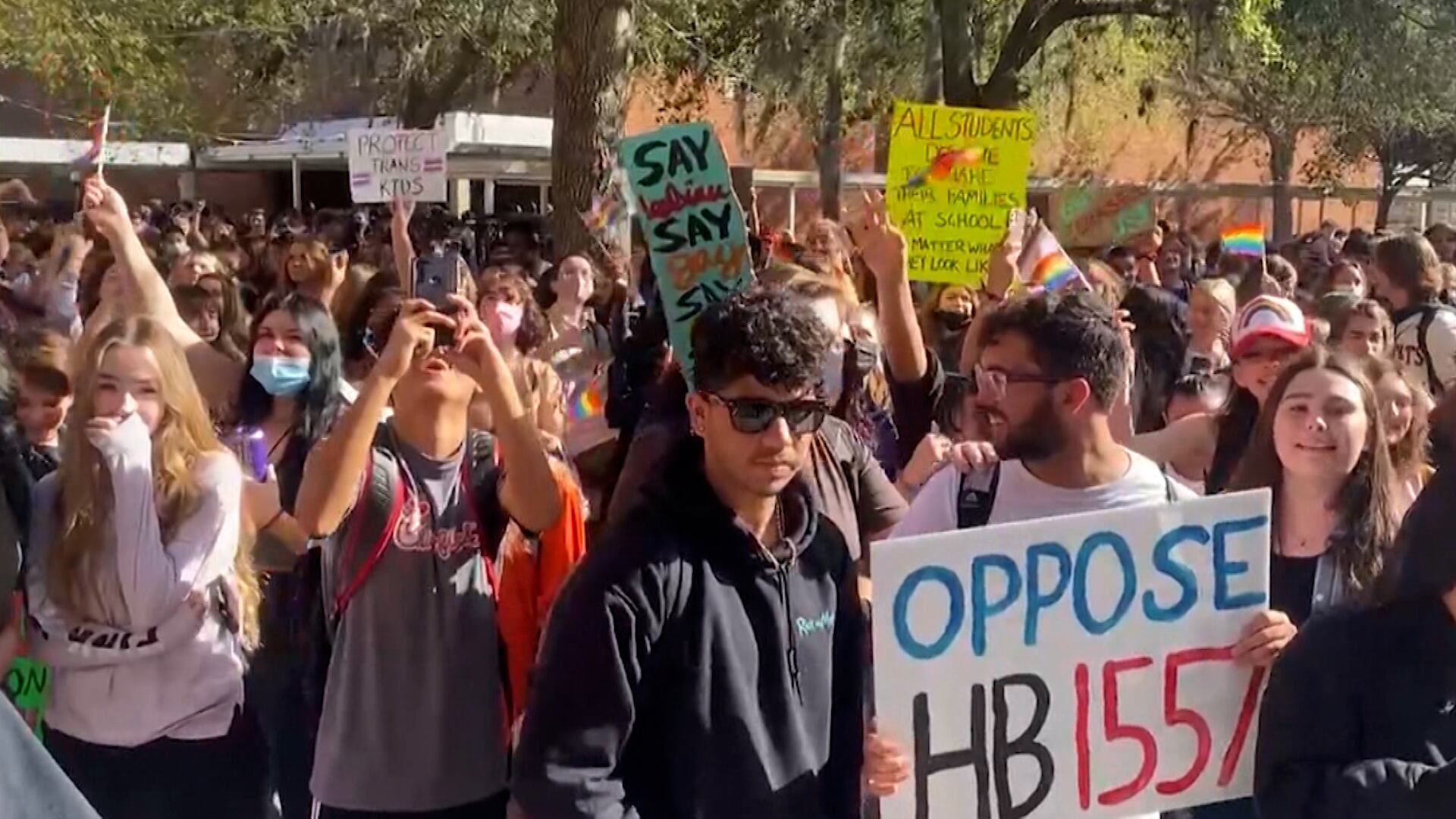
Will Larkins, president and co-founder of Winter Park High School's Queer Student Union and one of the organizers of its
'Say Gay Anyway' walkout, joined Cheddar News to discuss their recent opinion piece for The New York Times titled "Florida's 'Don't Say Gay' Bill Will Hurt Teens Like Me."
Russia's military advances in Ukraine appear to have stalled, as heavy casualties, equipment losses, and a lack of progress on the ground take a toll. Despite the horrific damage caused by the attack, Ukraine's military has held up better than many experts predicted. Elliot Ackerman, author and Marine Corps Veteran, joined Cheddar's Opening Bell to discuss why Ukraine's defense response been such a surprise, and what a stalemate in the war might look like.