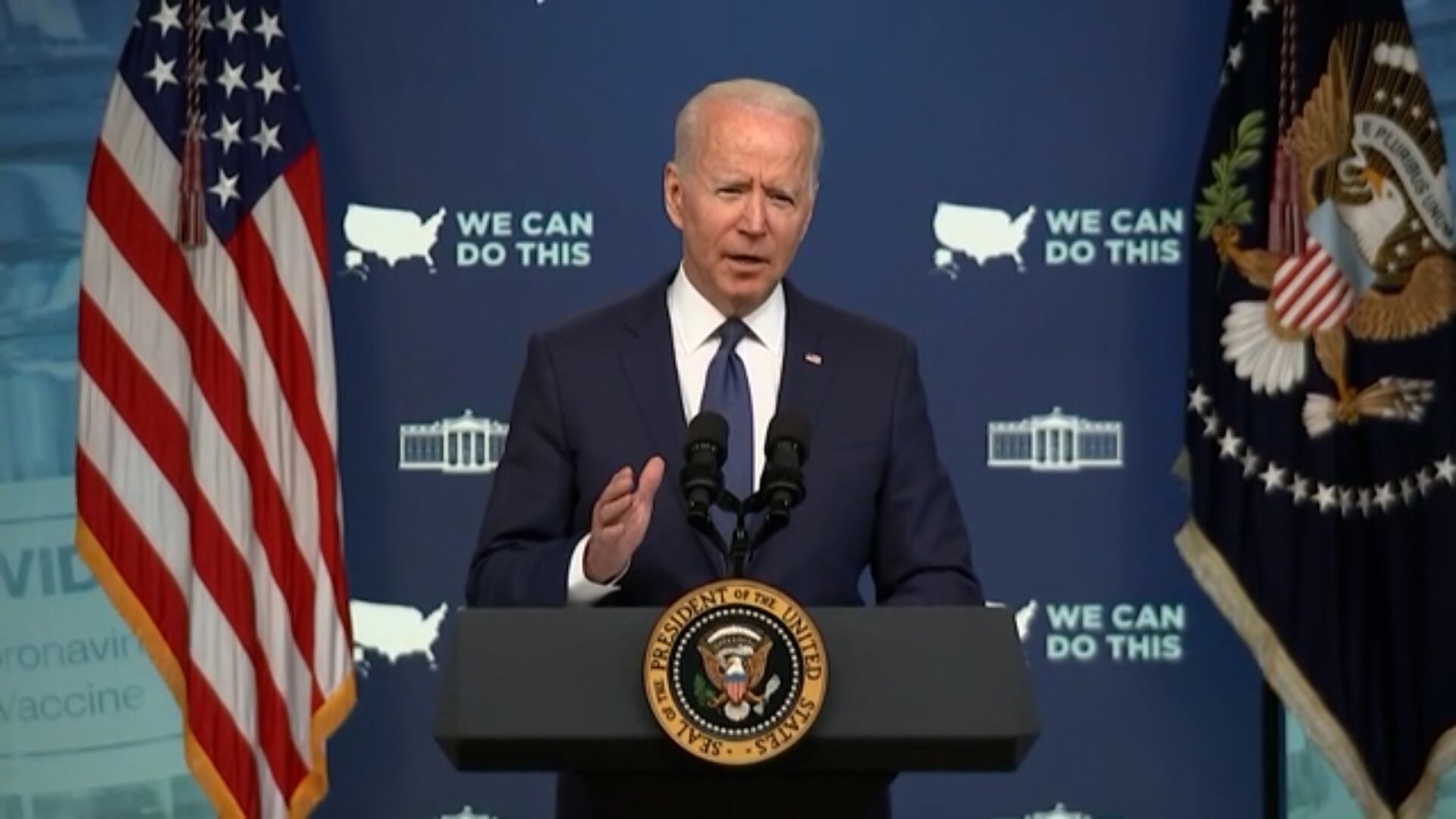
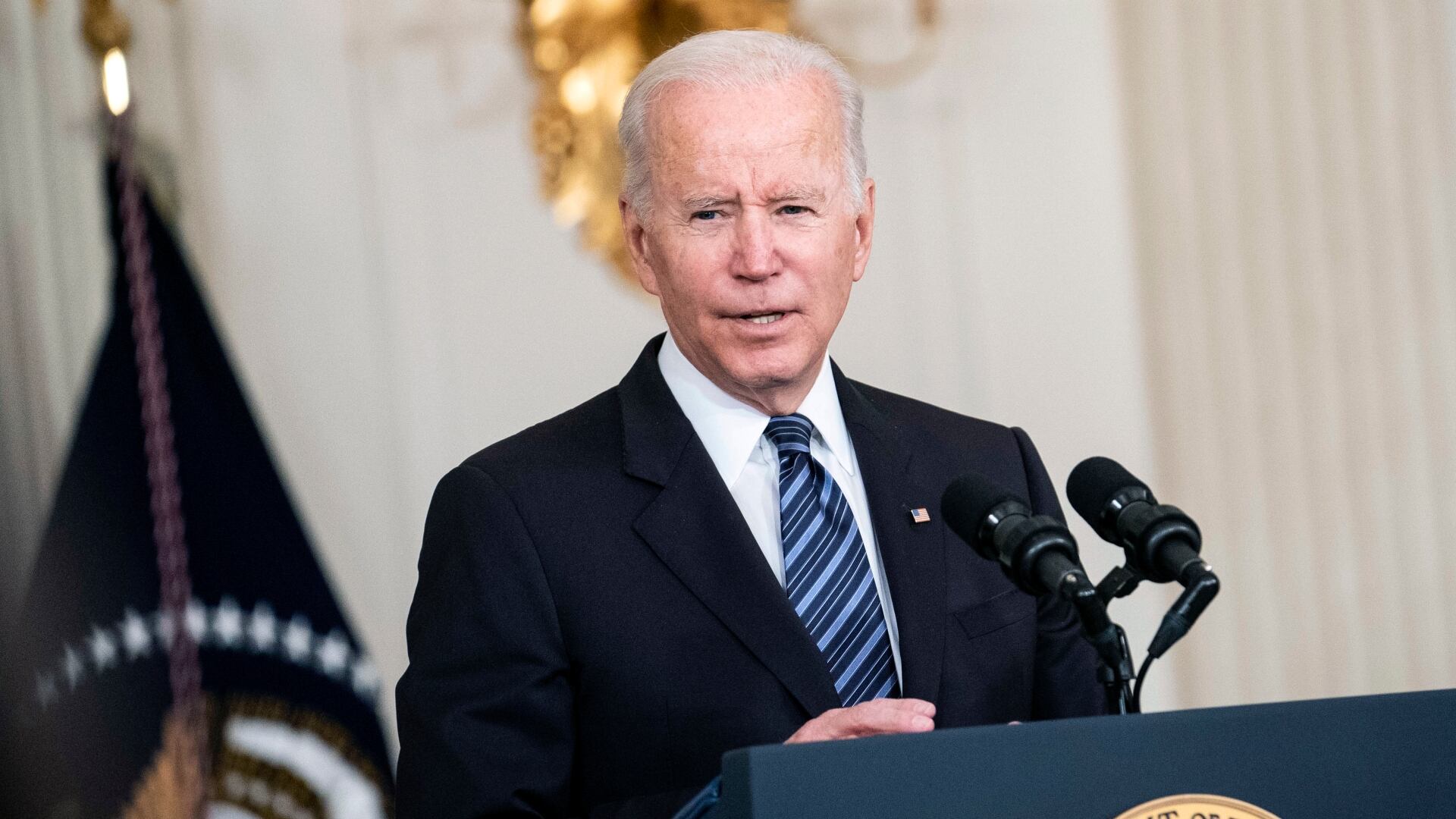
The number of COVID-19 cases is hitting a record high all across the U.S., suggesting the second coronavirus wave is underway. President-elect Joe Biden said fighting the pandemic will be his top order of business, but with his inauguration more than two months away, there is concern the fight against the virus could be insurmountable by then.
Among those vying for immediate action to be taken is Rep. Ami Bera (D-Calif. 7th District), who worked as a doctor before he was elected to Congress.
"We all know the outcome of this presidential election. I would hope the career scientists and others at the FDA, at the CDC, would start working with the Biden administration. And you're seeing some of that messaging change a little bit, but Donald Trump's unpredictable," Bera told Cheddar.
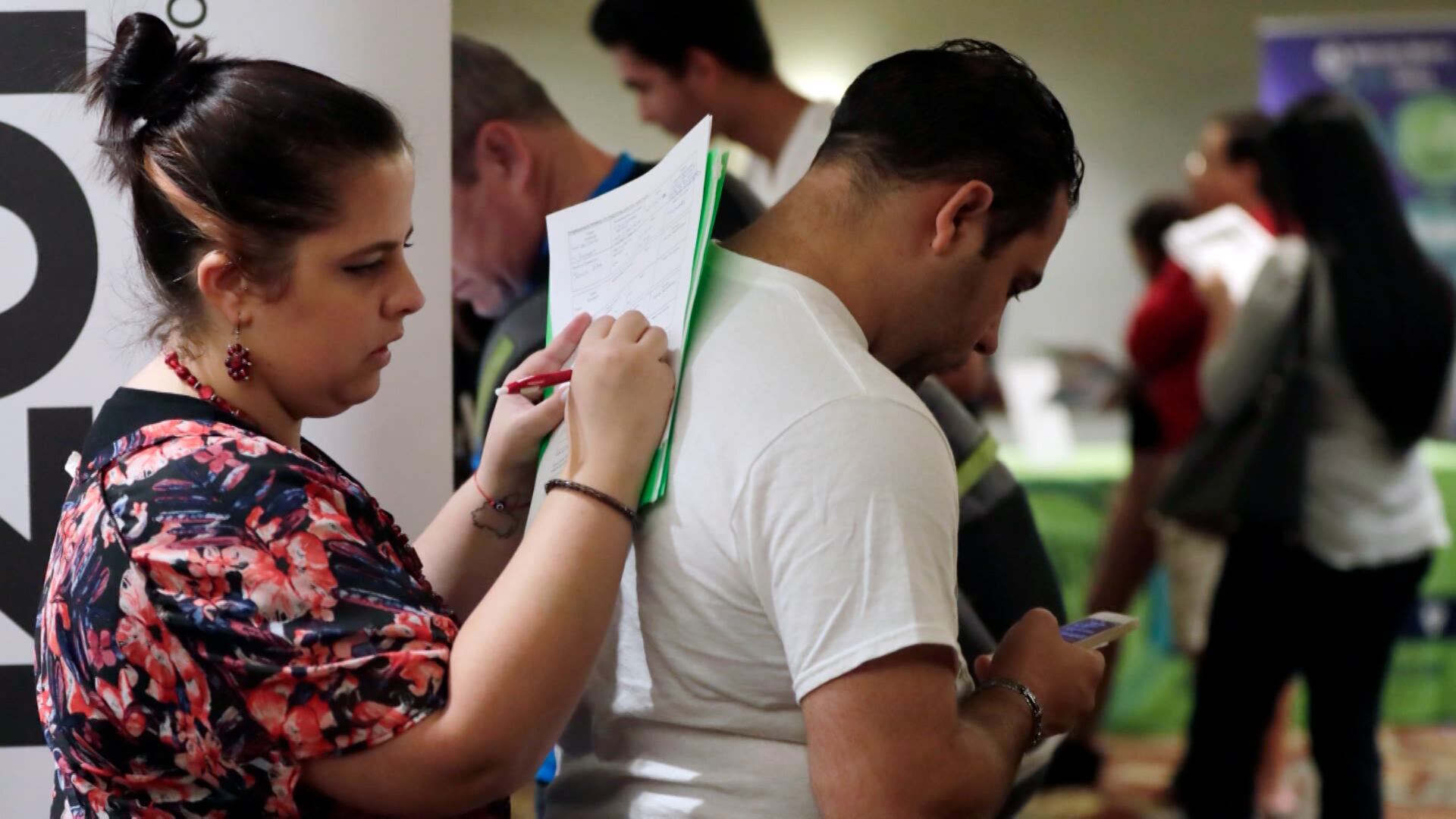
It's not just Americans' health at stake; it is also the health of the U.S. economy Bera is concerned about. Last week 709,000 Americans applied for first-time unemployment benefits. While that number better than expected, jobless claims are still exceedingly high across the U.S., a sign that relief for Americans should remain a priority, Bera said.
"I don't think we can wait until January 20th. I think we've got to get something done in this Congress, in the lame-duck session," he continued.
Getting the Vaccine Out
The California congressman suggested that the Biden administration will provide a "180-degrees difference" when it comes to strategizing the country's way out of the pandemic and will be led by science. Still, he believes there will be difficulty in distributing a vaccine once it becomes widely available.
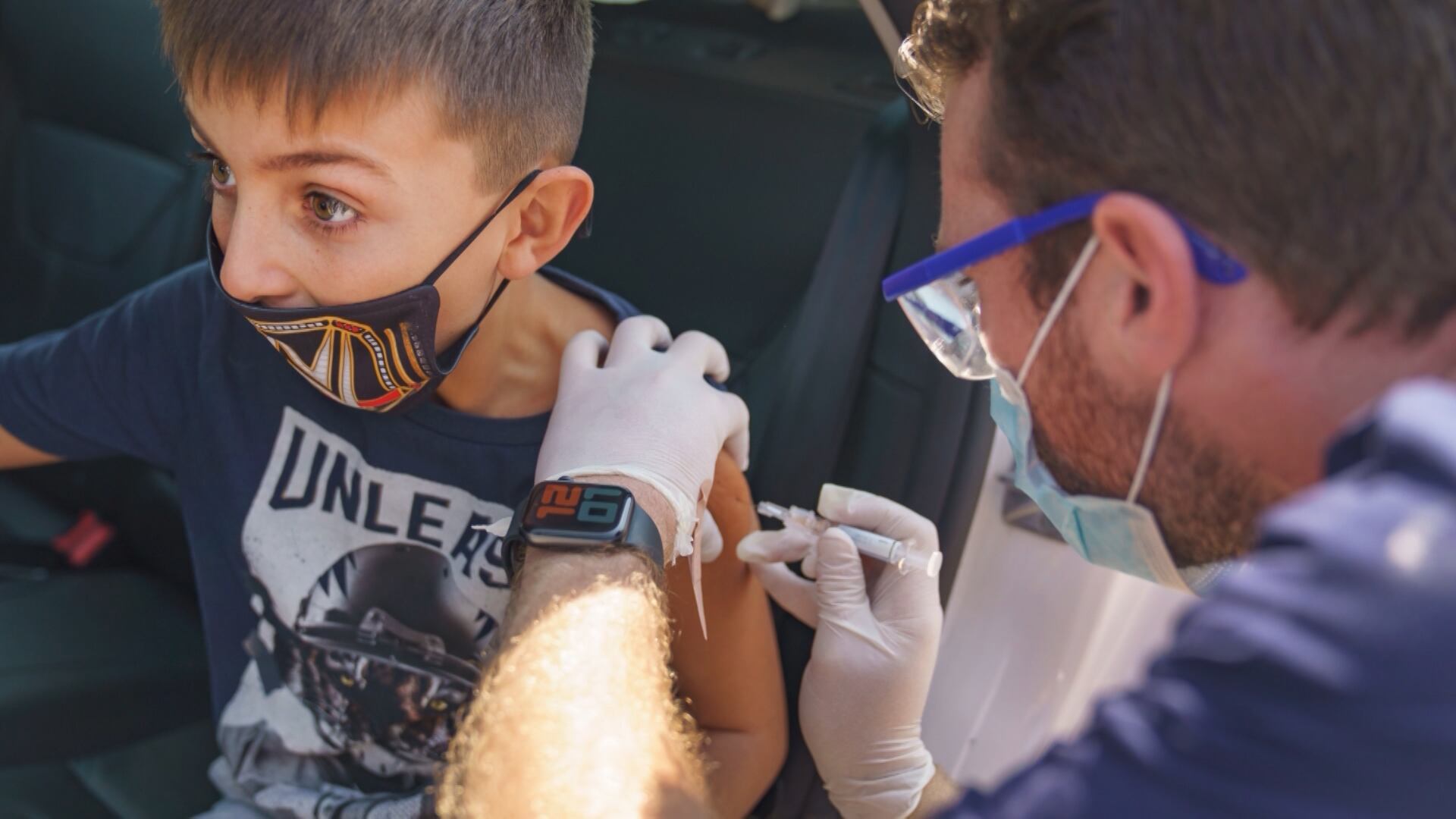
"This is going to be a major logistical lift here in terms of how you get that out there, particularly if it is the Moderna or Pfizer vaccine because of the cold storage issues. They have to be kept at very cold temperatures," he explained.
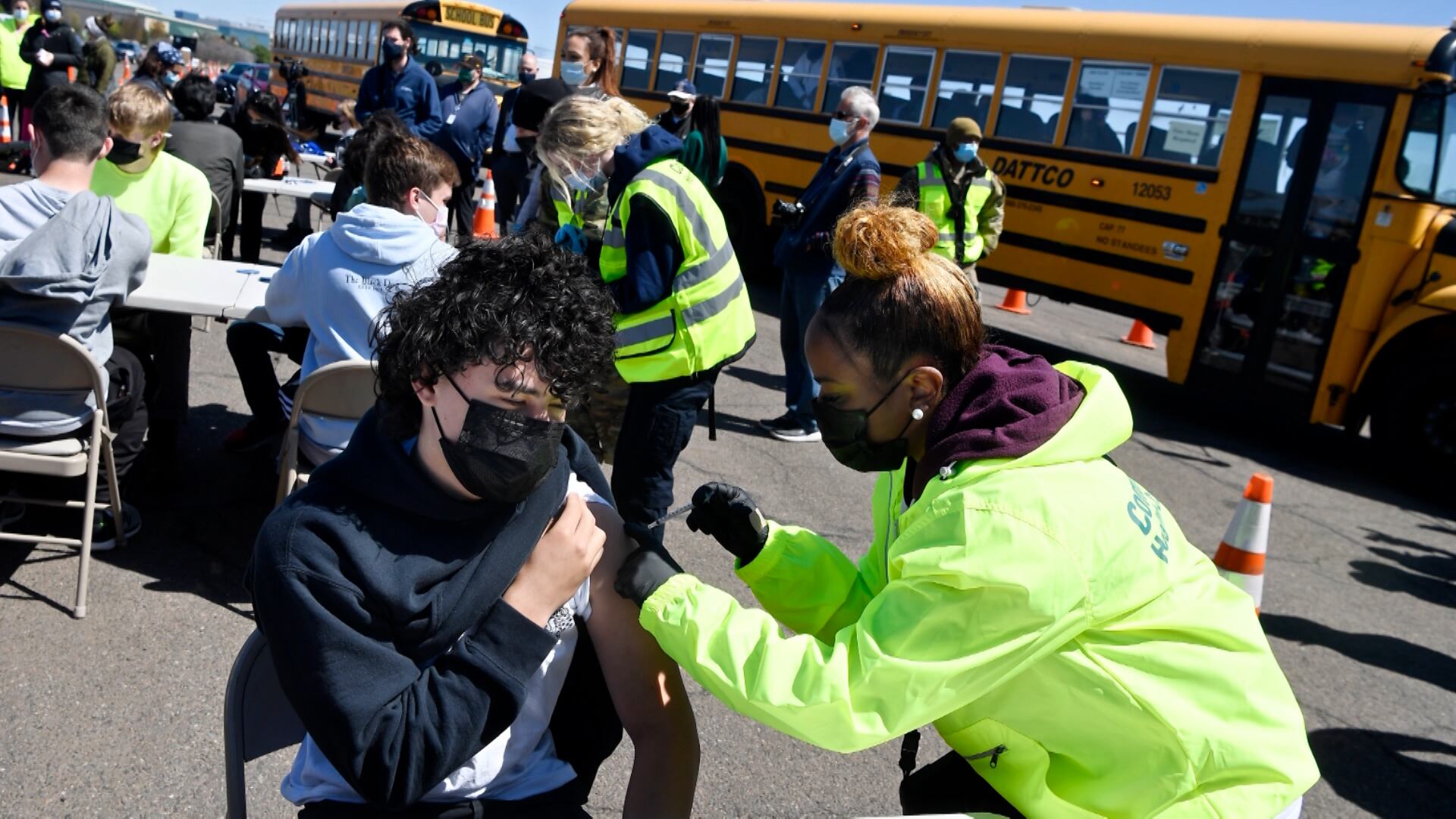
When it comes to distributing the vaccine, Bera said workers on the frontlines of the pandemic, those at high risk of infection, and people in the hardest-hit communities should be tended to first.
With the holidays just weeks away, the pandemic is only expected to worsen and until a vaccine is ready, Bera said Americans must do their part and move responsibly.
"Everyone really should take the caution, wear a mask, avoid big gatherings, particularly big indoor gatherings," he said.
The government should also prepare the public for a vaccine, if and when it becomes available. "Between now and when that vaccine's available, let's have positive messaging and reassure the public that the science is going to drive when that vaccine is ready," he said
Jill and Carlo discuss the scenes of joy at American airports as borders reopen, another tool in the Covid toolbox, the latest in the Astroworld crowd crush tragedy and more.
Frank Lee, Managing Director at Miracle Mile Advisors, joins Cheddar News' Closing Bell, where he explains why markets are soaring after the Dow, S&P, Nasdaq, and the Russell 2000 all reached new record closes to begin the trading week.
The Biden Administration's mandate for COVID vaccinations by large employers has been put on hold by federal courts as GOP-led states and some businesses push back on the order's legality. Jonathan Adler, a law professor at Case Western Reserve University, joined Cheddar to discuss the legal challenges to implementing such mandates through OSHA (Occupational Safety and Health Administration). "Certainly expanding vaccinations is a good thing, and as vaccination rates go up that's better for all of us," Adler said. "But there are some legal questions about whether or not it's appropriate to use a law about occupational safety and health as the means to do that."
The Biden administration is giving businesses a deadline to implement a vaccination mandate, saying companies can take until after the holiday season. Andew Noymer, Associate Professor of Population Health and Disease Prevention at the University of California, Irvine, joined Cheddar to discuss.
Jacob Rubashkin, reporter and analyst at Inside Elections, joined Cheddar to discuss Republicans' wins on election night and what they mean for Democrats going forward.
James Astill, Washington Bureau Chief at The Economist, joins Cheddar News to discuss the latest issue, 'ONE YEAR ON: The calamity facing Joe Biden and the Democrats.'
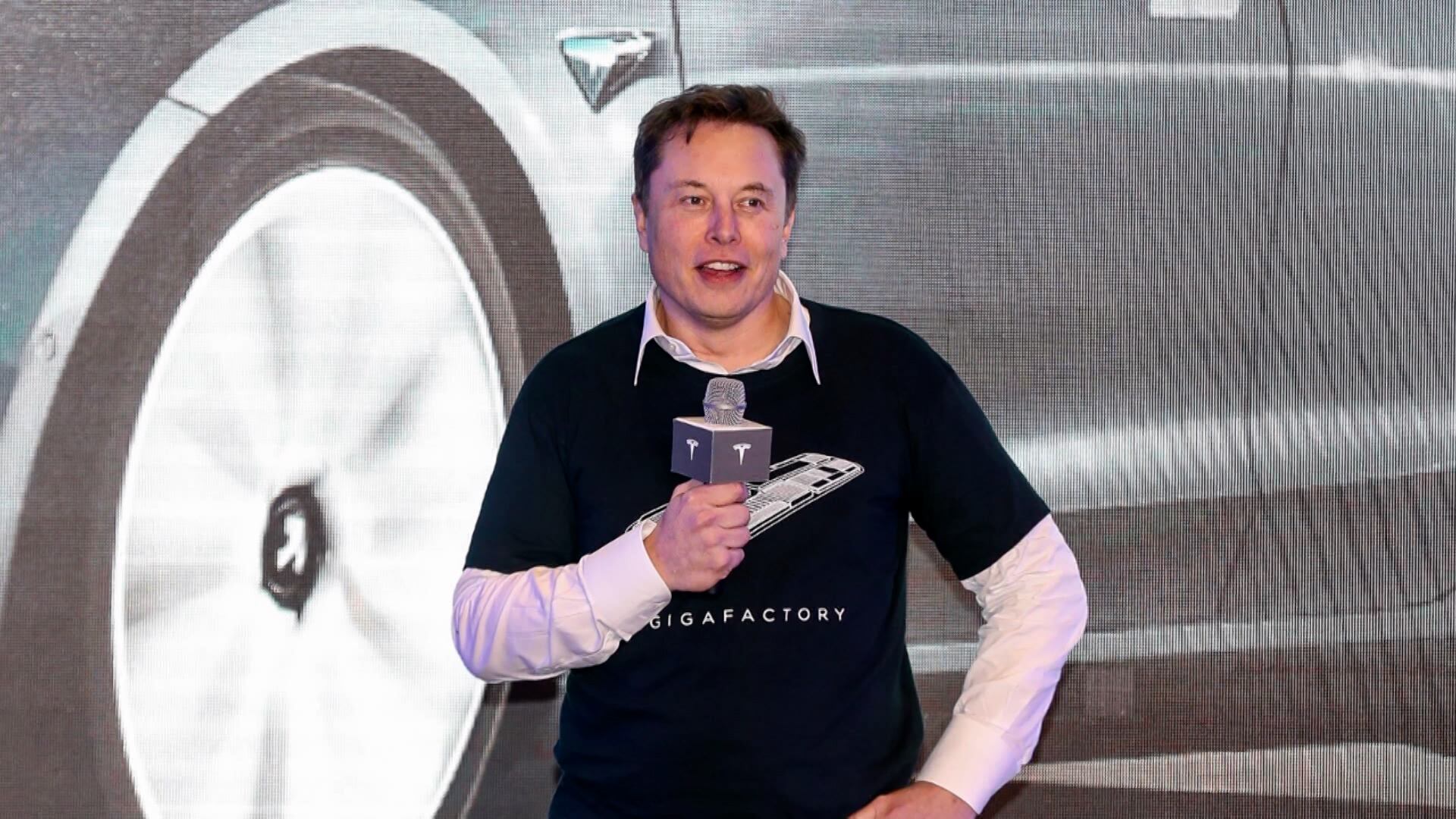
Elon Musk asked Twitter if he should sell about $20 billion worth of his Tesla stock and about 58 percent of those who answered said yes. The Tesla CEO pledged to abide by the results of the poll, whichever way it went. Arun Sundararajan, NYU Stern professor & author of "The Sharing Economy: The End of Employment and the Rise of Crowd-Based Capitalism," joined Cheddar to discuss what the Twitter poll says about America's attitude towards billionaires and the nation's tax system.
Dr. Nasia Safdar, Doctor at UW Madison, joined Wake Up With Cheddar to discuss the implications of Merck sharing its antiviral pill, which has been shown in early trials to cut hospitalizations and deaths by half, with poorer nations around the globe.
The Federal Reserve finally announced its taper plan on Wednesday saying that it planned to scale back on bond purchases as growth slows, and would not rush to raise interest rates. Ross Mayfield, Investment Strategy Analyst at Baird spoke on whether or not a decrease in inflation could be in the country’s future amidst comments made by Fed chairman Jerome Powell. Baird also broke down ADP jobs numbers ahead of the Labor Department's October jobs report.