The number of COVID-19 cases is hitting a record high all across the U.S., suggesting the second coronavirus wave is underway. President-elect Joe Biden said fighting the pandemic will be his top order of business, but with his inauguration more than two months away, there is concern the fight against the virus could be insurmountable by then.
Among those vying for immediate action to be taken is Rep. Ami Bera (D-Calif. 7th District), who worked as a doctor before he was elected to Congress.
"We all know the outcome of this presidential election. I would hope the career scientists and others at the FDA, at the CDC, would start working with the Biden administration. And you're seeing some of that messaging change a little bit, but Donald Trump's unpredictable," Bera told Cheddar.
It's not just Americans' health at stake; it is also the health of the U.S. economy Bera is concerned about. Last week 709,000 Americans applied for first-time unemployment benefits. While that number better than expected, jobless claims are still exceedingly high across the U.S., a sign that relief for Americans should remain a priority, Bera said.
"I don't think we can wait until January 20th. I think we've got to get something done in this Congress, in the lame-duck session," he continued.
Getting the Vaccine Out
The California congressman suggested that the Biden administration will provide a "180-degrees difference" when it comes to strategizing the country's way out of the pandemic and will be led by science. Still, he believes there will be difficulty in distributing a vaccine once it becomes widely available.
"This is going to be a major logistical lift here in terms of how you get that out there, particularly if it is the Moderna or Pfizer vaccine because of the cold storage issues. They have to be kept at very cold temperatures," he explained.
When it comes to distributing the vaccine, Bera said workers on the frontlines of the pandemic, those at high risk of infection, and people in the hardest-hit communities should be tended to first.
With the holidays just weeks away, the pandemic is only expected to worsen and until a vaccine is ready, Bera said Americans must do their part and move responsibly.
"Everyone really should take the caution, wear a mask, avoid big gatherings, particularly big indoor gatherings," he said.
The government should also prepare the public for a vaccine, if and when it becomes available. "Between now and when that vaccine's available, let's have positive messaging and reassure the public that the science is going to drive when that vaccine is ready," he said
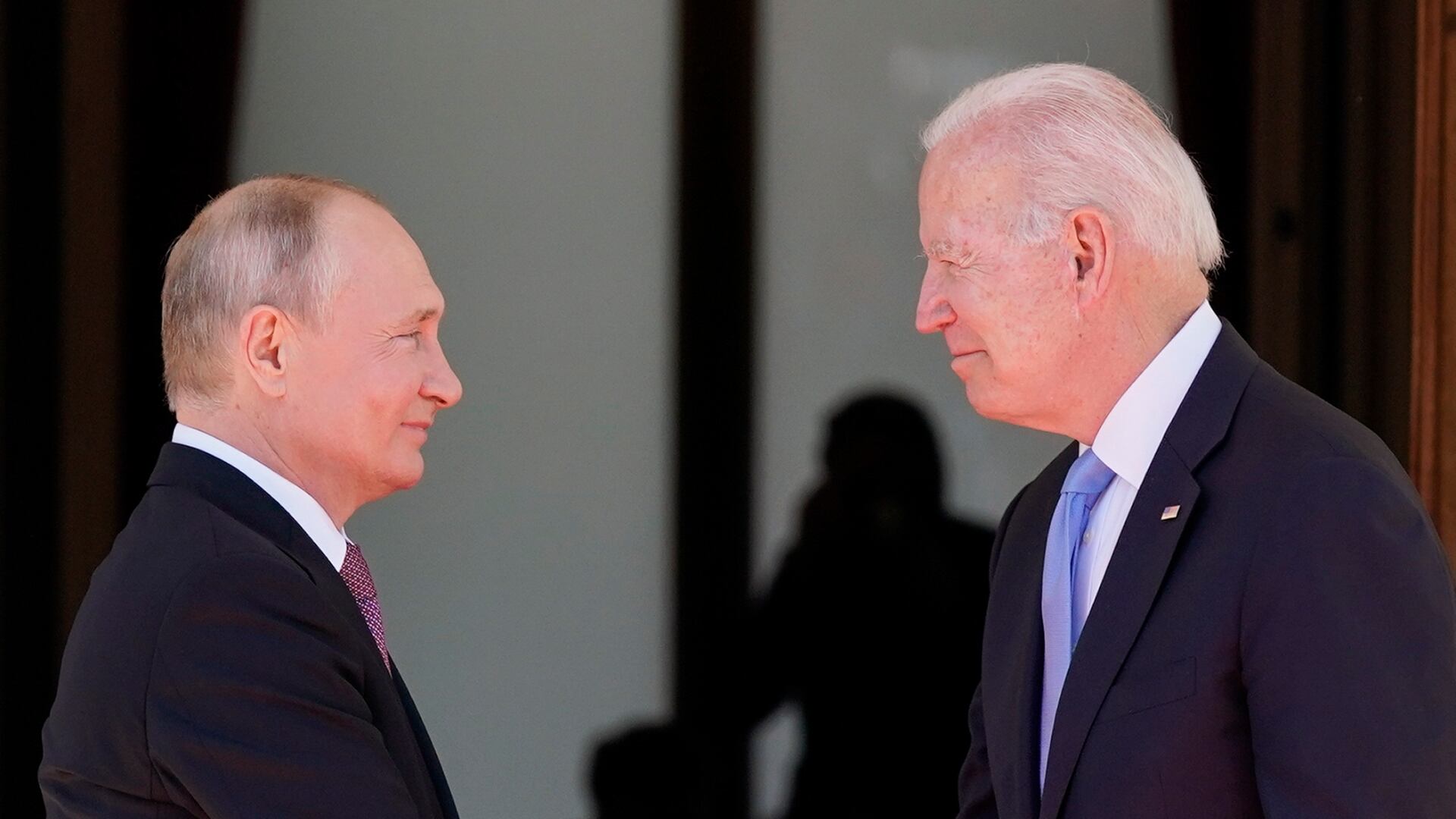
Face to face for just over two hours, President Joe Biden and Russia’s Vladimir Putin squared off in a secure video call Tuesday as the U.S. president put Moscow on notice that an invasion of Ukraine would bring enormous harm to the Russian economy.
Ahead of Instagram head Adam Mosseri's congressional hearing on the mental impact of the social platform on teens, the company announced a number of updates aimed at teen safety.
Troubled Chinese real estate giant Evergrande is once again nearing the brink of collapse. Shares of Evergrande sunk to a new record low on Monday, closing down 20 percent, as debt default fears resurfaced. Drew Bernstein, co-chairman at consultancy MarcumBP, joined Cheddar's Opening Bell to discuss. He said U.S. investors have to understand that "there is no company in China that's too big to fail, that's for sure," and that the Chinese government will be prioritizing the social welfare of the populace. Bernstein did note that it would be a managed collapse in some form.
Joan Greve, a politics reporter at The Guardian US, joined Wake Up With Cheddar to break down the implications of the Biden administration announcing a diplomatic boycott of the 2022 Beijing games in response to allegations of human rights abuses against Uyghur Muslims. She noted the significance of the move, assessing the already frayed relationship between the U.S. and China. "The Chinese have said that a boycott would be politically manipulative, and now they are actually threatening countermeasures," she said. "And that will certainly have an impact on the spirit of the games at the very least."
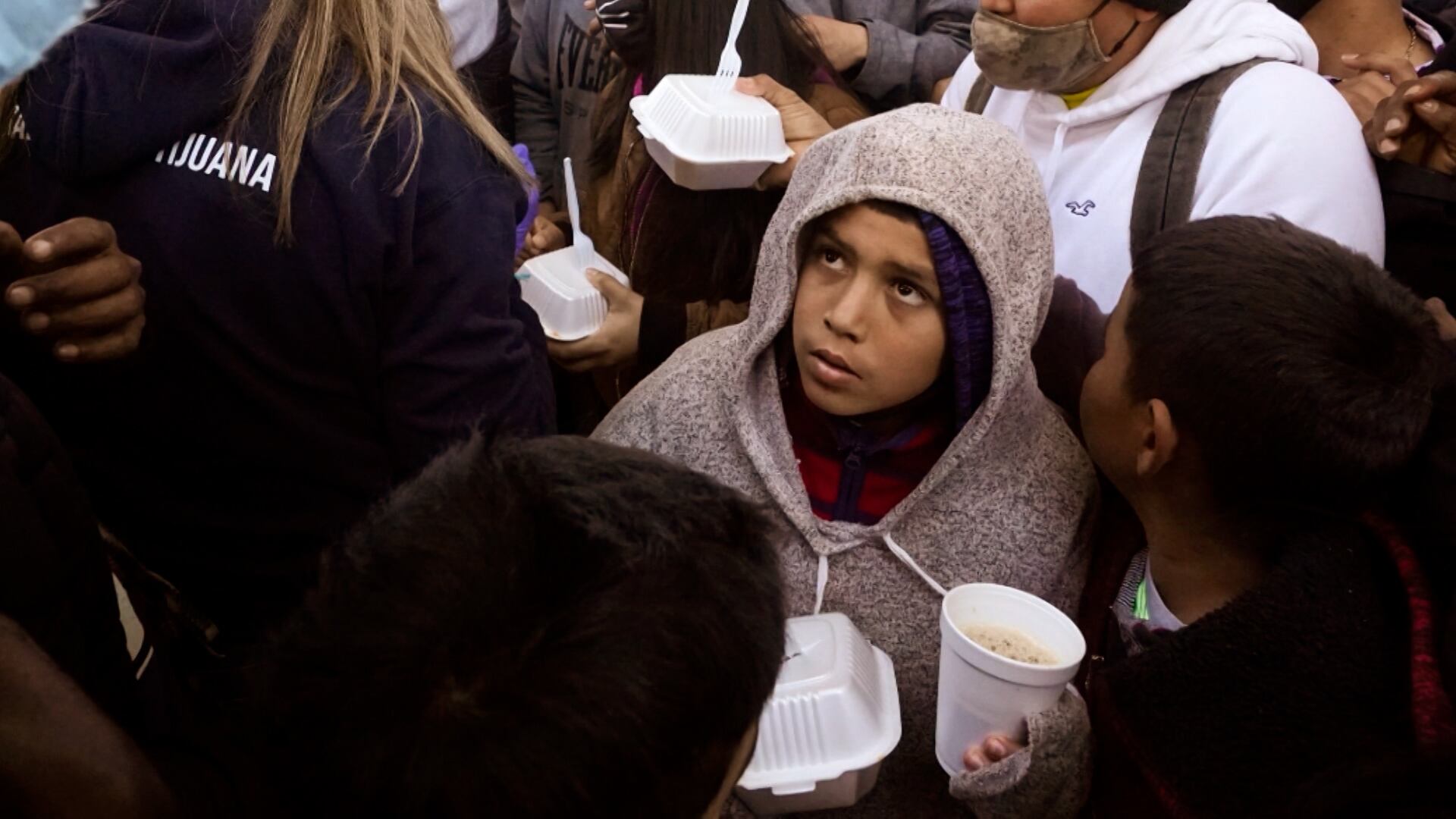
The Biden administration has reached an agreement with the Mexican government to resume the "Remain-in-Mexico" policy under court order. By reinstating a Trump-era border policy, asylum-seekers will be forced to stay in Mexico until their U.S. immigration court date. The program is set to resume on Monday. Ryan Devereaux, a reporter for The Intercept, joins Cheddar News to discuss.
The U.S. announced it will not send any official representation to the upcoming Beijing winter Olympics. Cheddar's Hena Doba speaks with East Asia expert Michael Swaine about the reasons behind the diplomatic move.
COVID-19 is still battering the nation's criminal justice system, causing a massive backlog in cases and delaying verdicts for months on end. This, combined with the fear of crowded prisons during a pandemic, has prompted many defendants to plead guilty in exchange for time served or probation. Tina Luongo, attorney-in-charge of the Criminal Defense Practice, joined Cheddar to discuss the court backlog, the rise in plea bargains, and why this was an issue long before the pandemic.
With so many high-profile court cases taking over the media, from the trial over the murder of Ahmaud Arbery to the trial of Kyle Rittenhouse to the ongoing Elizabeth Holmes trial, Cheddar took a look at these cases and why there is such a big interest in them. Rachel Fiset, a white collar criminal defense lawyer and partner with Zeiback, Fiset, and Coleman, and Bryan Hance, attorney-at-law, professor, and academic program director of the pre-law and paralegal studies program at National University, joined Cheddar for a roundtable discussion on why there is so much public interest in so-called courtroom drama.
Carlo and Baker discuss the sweeping new vaccine mandate in NYC that will target all private businesses. Plus, Trump's media venture gets its CEO and more.