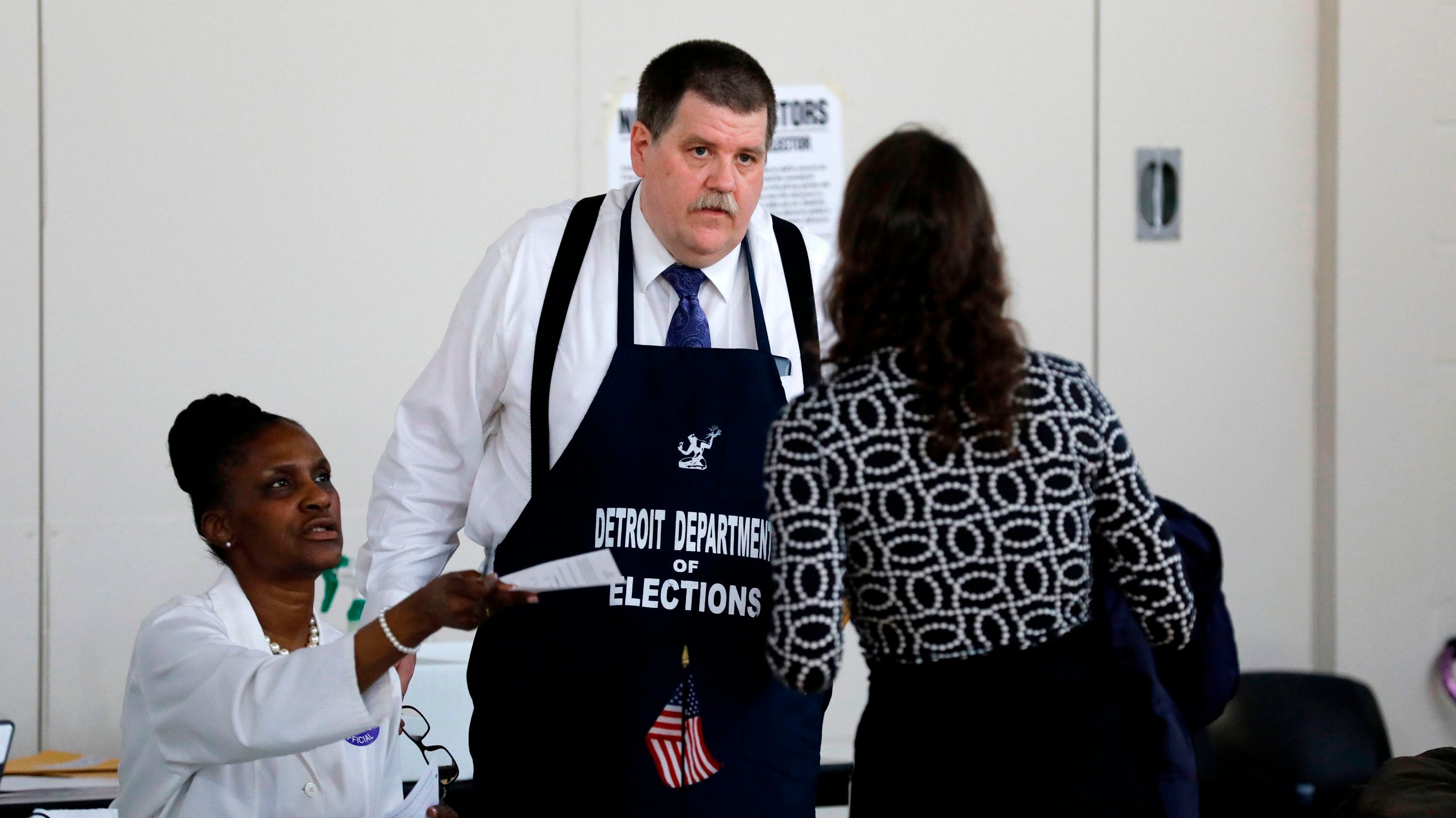
Ted Dickens (C) assists a person to get their ballot to vote in the Michigan primary election at Chrysler Elementary School in Detroit, Michigan, on March 10, 2020. (Photo by JEFF KOWALSKY/AFP via Getty Images)
Six more states will vote in the Democratic primary Tuesday night in the first contest since Senator Elizabeth Warren and former NYC Mayor Mike Bloomberg exited the field and prominent moderates coalesced around former Vice President Joe Biden.
Biden and Vermont Senator Bernie Sanders will go head to head for the 352 delegates promised on what some are calling ‘Super Tuesday 2.0,’ with a focus on the battleground state of Michigan, where Biden is up by 24 points according to the last Detroit Free Press poll out today. FiveThirtyEight also has the former VP slated to win every state tonight.
Michigan, a blue state for Obama that voted for Trump in 2016, but also awarded Sanders a surprising primary victory the same year, is potentially showing signs it may again lean blue. One Republican mayor said he is backing Biden in the primary. Michael Taylor of Sterling Heights, in Macomb County, voted for John McCain in 2008 and Mitt Romney in 2012 and his county voted for Trump in 2016.
Some states voting today are battling coronavirus outbreaks like heavily stricken Washington, which promises the second-highest delegate haul. The state, which votes-by-mail, has asked voters to use water (instead of saliva) to seal ballot envelopes. As for Michigan, election officials are advising regular cleaning of voting machines and social distancing between voters.
Though campaign rallies are still on, staffers were using hand sanitizer on those entering rallies at a Biden event in Michigan. President Trump has also said he is not changing his own campaign plans, though public health officials worldwide are advising against public gatherings.
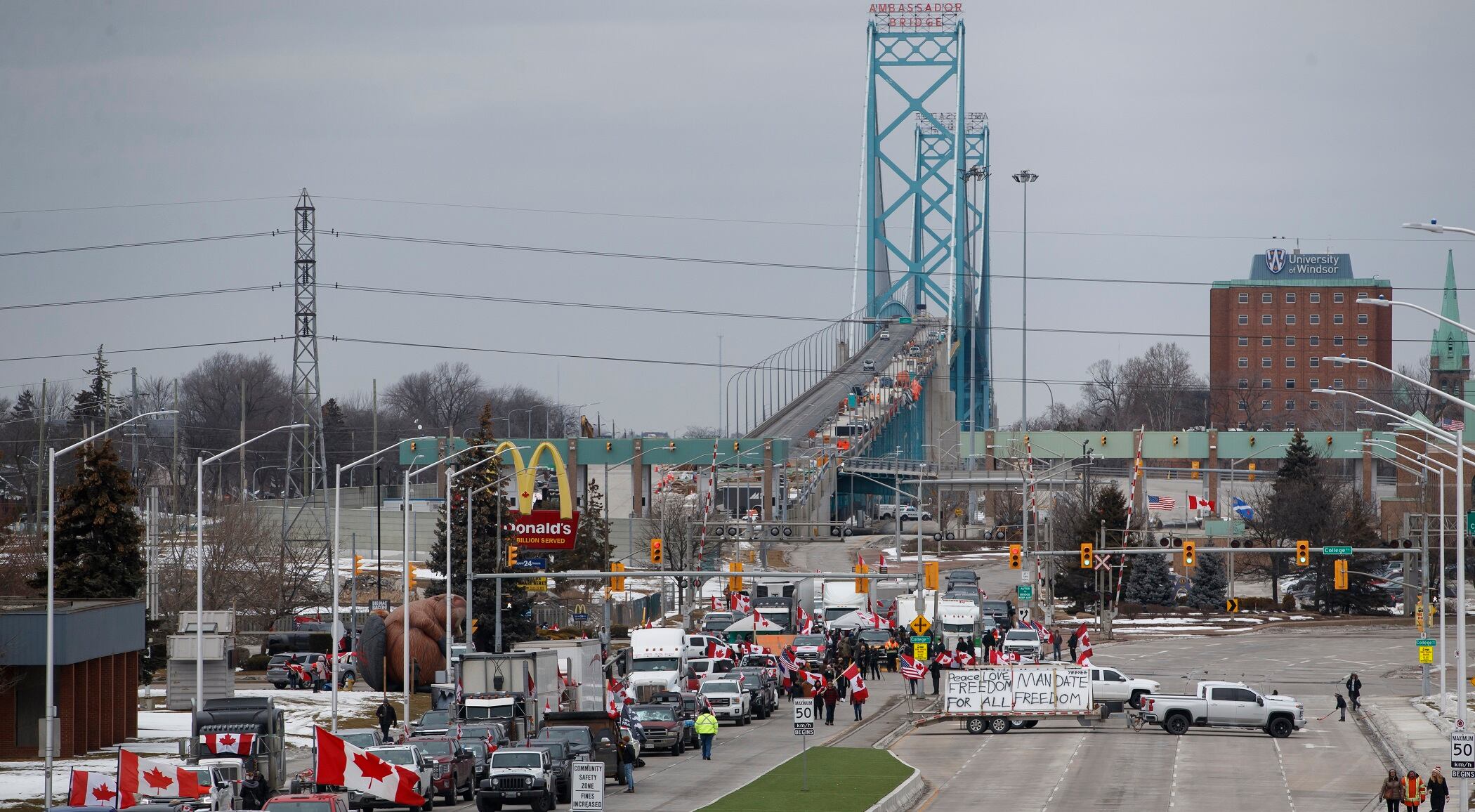
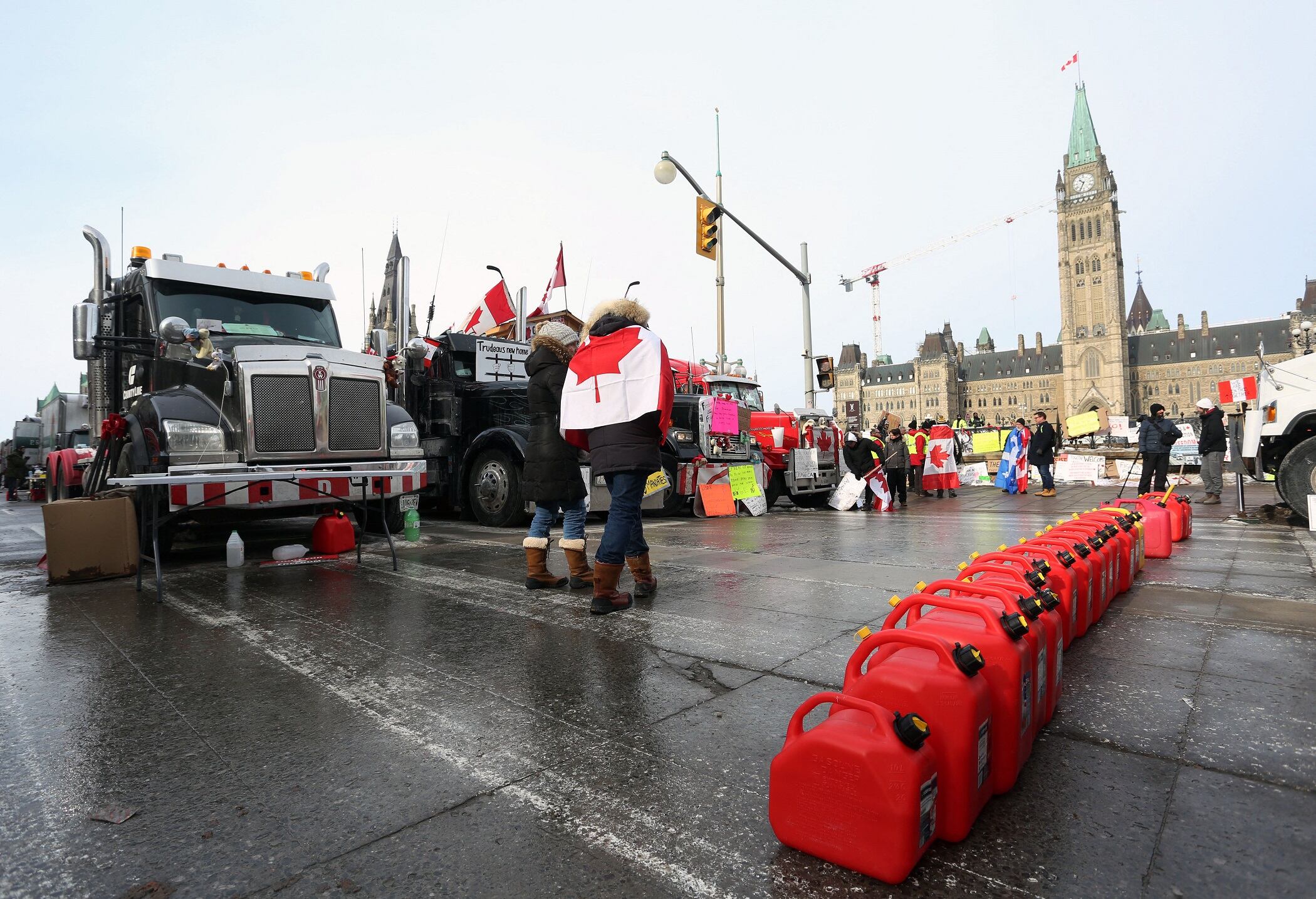
The truck blockade at the U.S. border by Canadians protesting the country’s COVID-19 restrictions is tightening the screws on the auto industry, forcing Ford, Toyota and General Motors to shut down plants or otherwise curtail production.
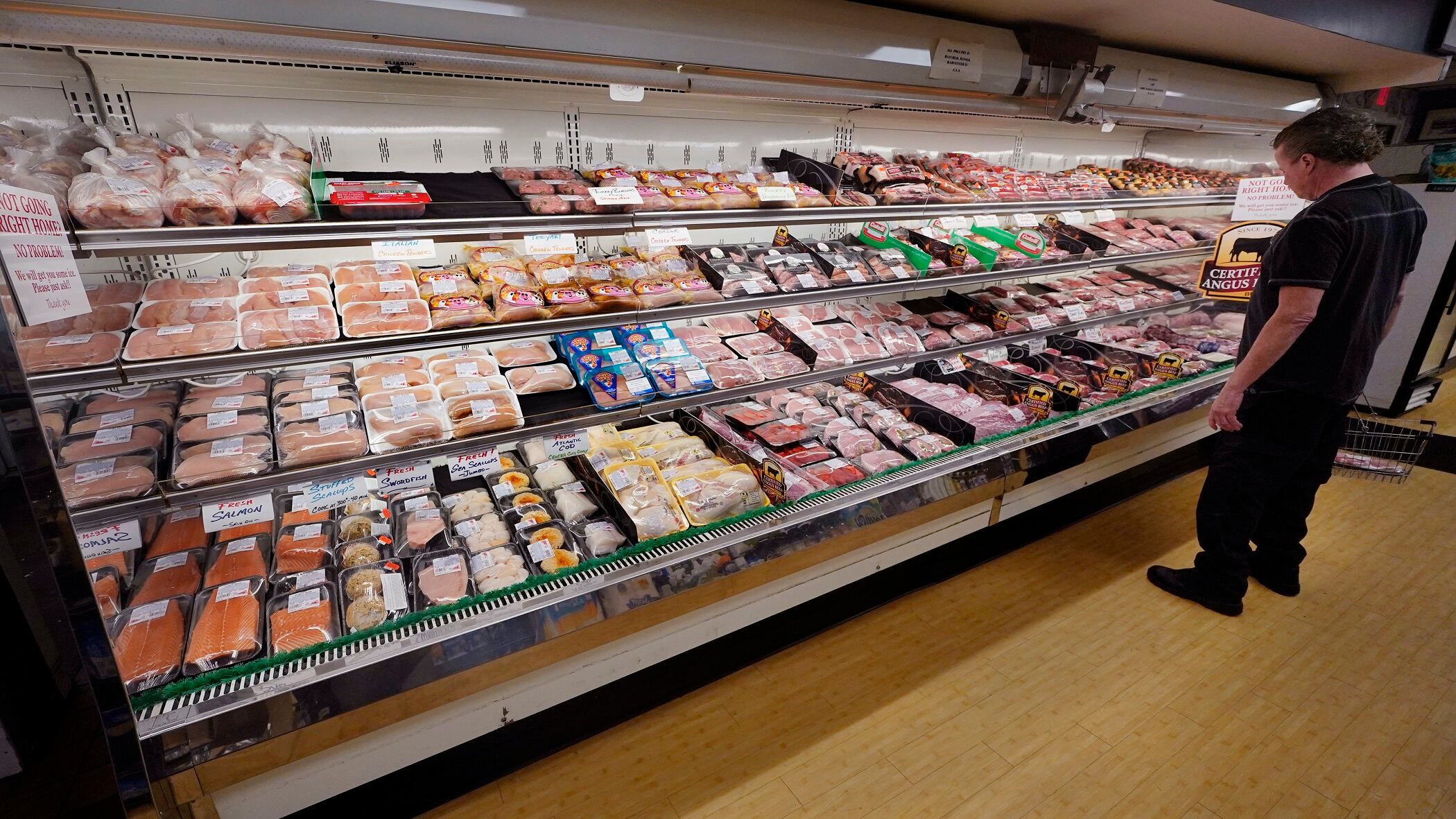
Inflation was hotter than expected in January, but the debate over what this means for the economy is getting even hotter as markets brace for a flurry of Fed rate hikes in 2022.
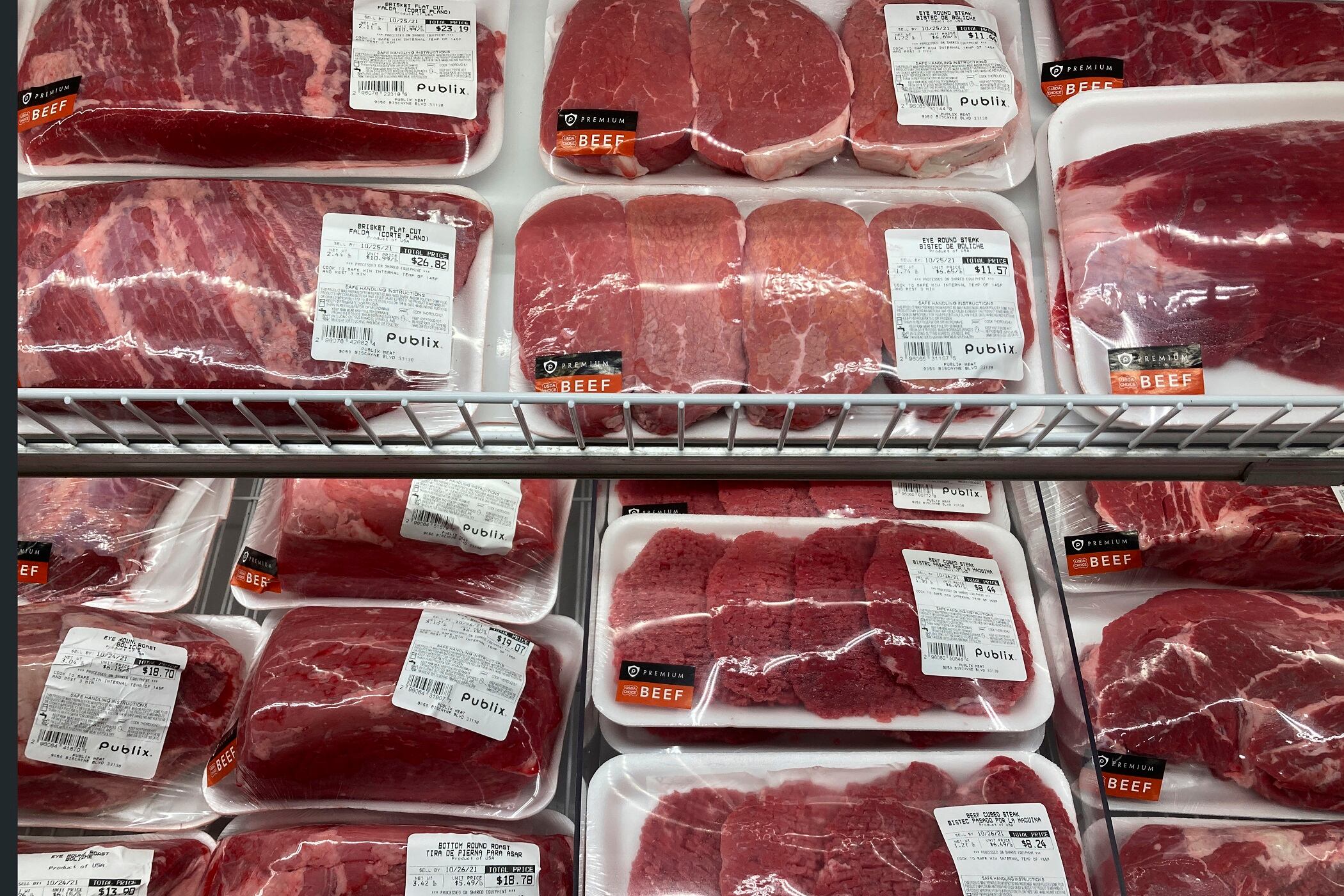
Inflation soared over the past year at its highest rate in four decades, hammering America’s consumers, wiping out pay raises and reinforcing the Federal Reserve’s decision to begin raising borrowing rates.
A rapidly growing list of Canadian provinces moved to lift their COVID-19 restrictions as protesters decrying vaccine mandates and other precautions kept up the pressure with truck blockades.
The House has approved legislation financing federal agencies for another month. It's the latest emblem of Congress’ inability to finish its budget work on time.
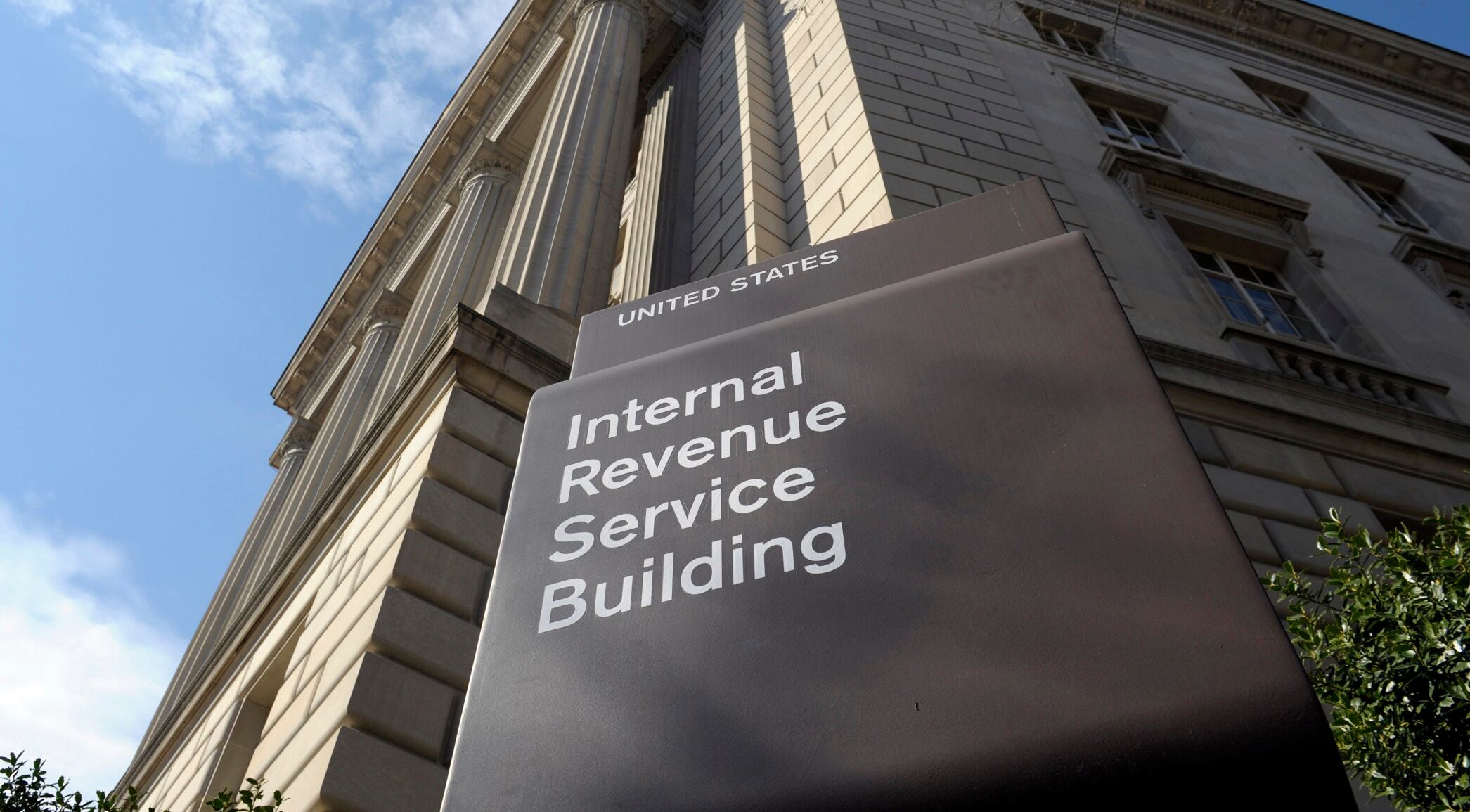
The IRS said Monday it will suspend the use of facial recognition technology to authenticate people who create online accounts after the practice was criticized by privacy advocates and lawmakers.
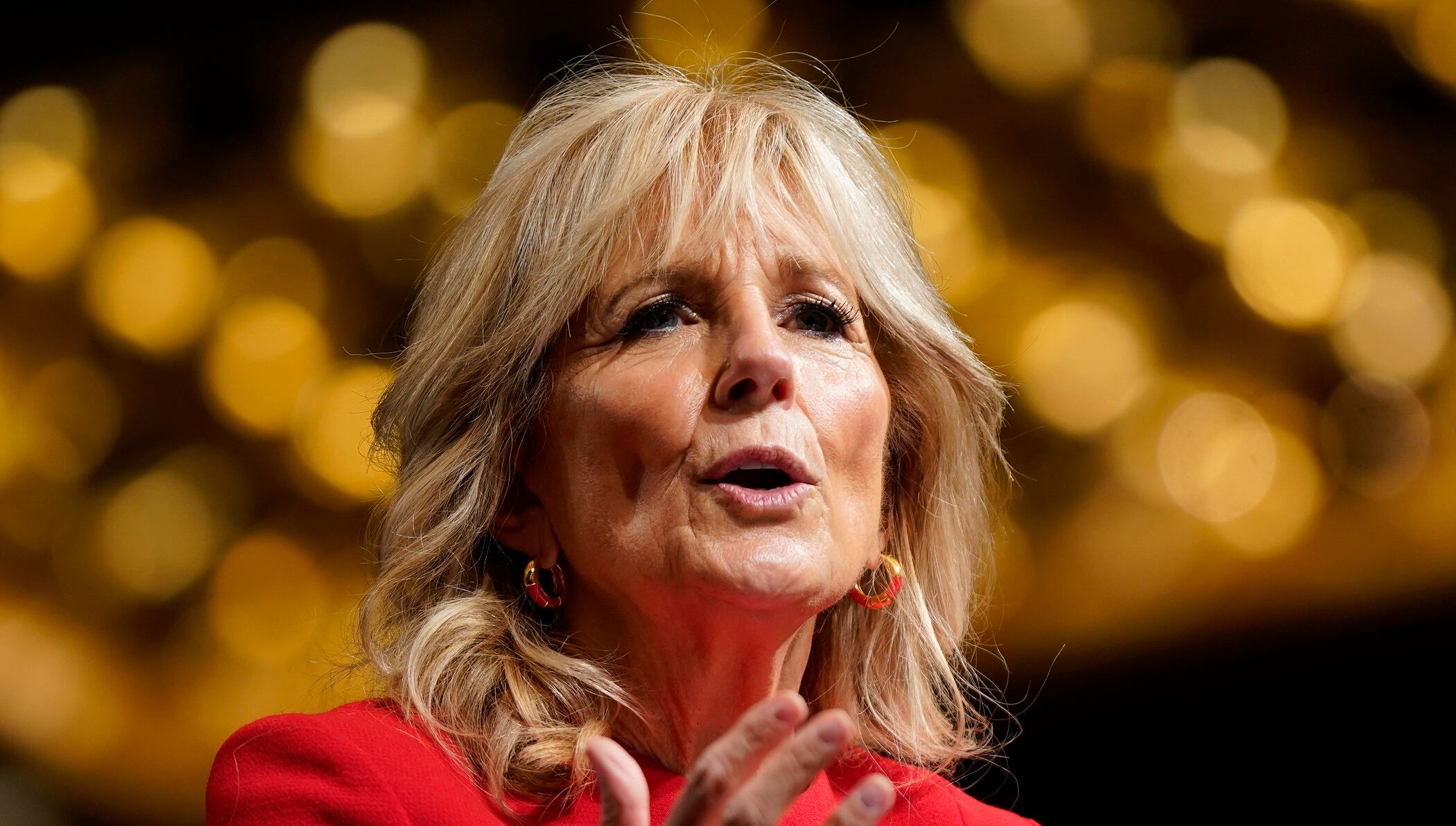
The first lady says real people often are caught in the middle. She spoke Monday in Washington about a now-stalled proposal for tuition-free community college, which she's pushed for a long time as a community college professor.
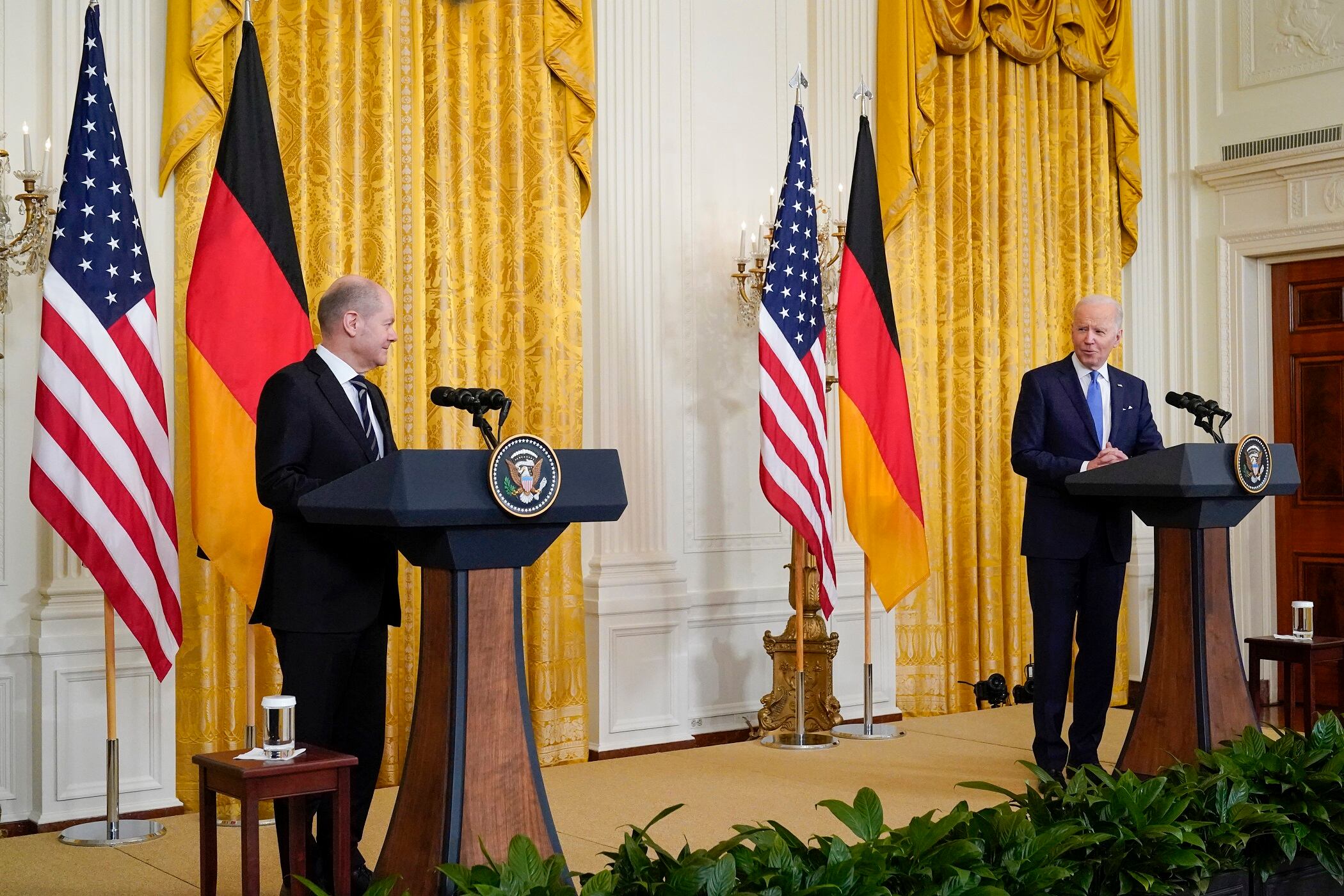
In a flurry of diplomacy across two continents, President Joe Biden emerged from a meeting with Germany’s new leader to vow the crucial Nord Stream 2 gas pipeline in Europe would be blocked if Russia further invades Ukraine.
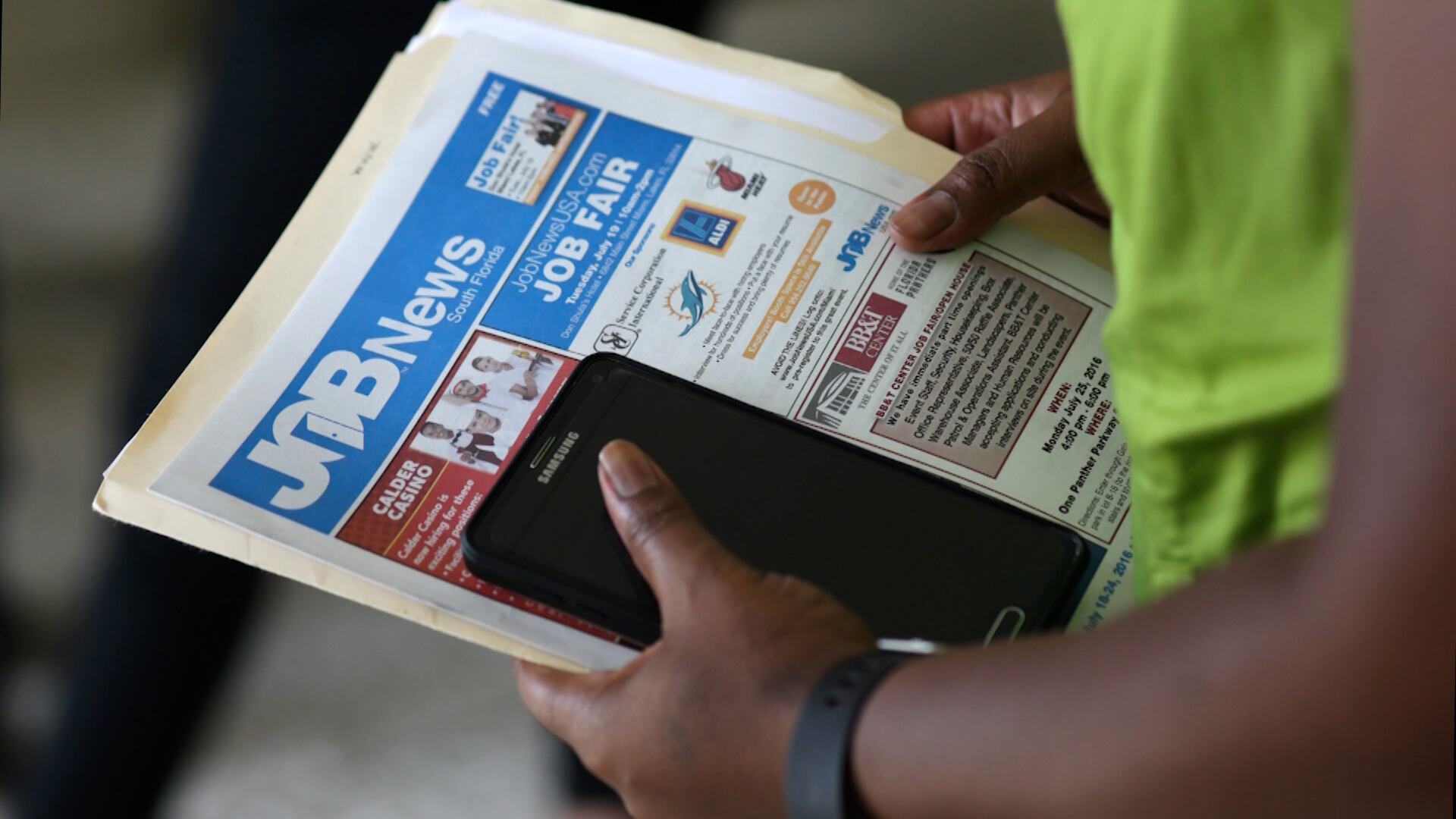
Kristin Myers, Editor-in-Chief at The Balance, joined Cheddar News to preview the January jobs report, and to break down the racial disparity in employment numbers in the U.S.