By Josh Boak
The Treasury Department said Monday that 39 million families are set to receive monthly child payments beginning on July 15.
The payments are part of President Joe Biden's $1.9 trillion coronavirus relief package, which expanded the child tax credit for one year and made it possible to pre-pay the benefits on a monthly basis. Nearly 88% of children are set to receive the benefits without their parents needing to take any additional action.
“This tax cut sends a clear and powerful message to American workers, working families with children: Help is here,” Biden said in remarks at the White House.
Qualified families will receive a payment of up to $300 per month for each child under 6 and up to $250 per month for children between the ages of 6 and 17. The child tax credit was previously capped at $2,000 and only paid out to families with income tax obligations after they filed with the IRS.
But for this year, couples earning $150,000 or less can receive the full payments on the 15th of each month, in most cases by direct deposit. The benefits total $3,600 annually for children under 6 and $3,000 for those who are older. The IRS will determine eligibility based on the 2019 and 2020 tax years, but people will also be able to update their status through an online portal. The administration is also setting up another online portal for non-filers who might be eligible for the child tax credit.
The president has proposed an extension of the increased child tax credit through 2025 as part of his $1.8 trillion families plan. Outside analysts estimate that the payments could essentially halve child poverty. The expanded credits could cost roughly $100 billion a year.
Updated on May 17, 2021, at 2:06 p.m. ET with the latest details.
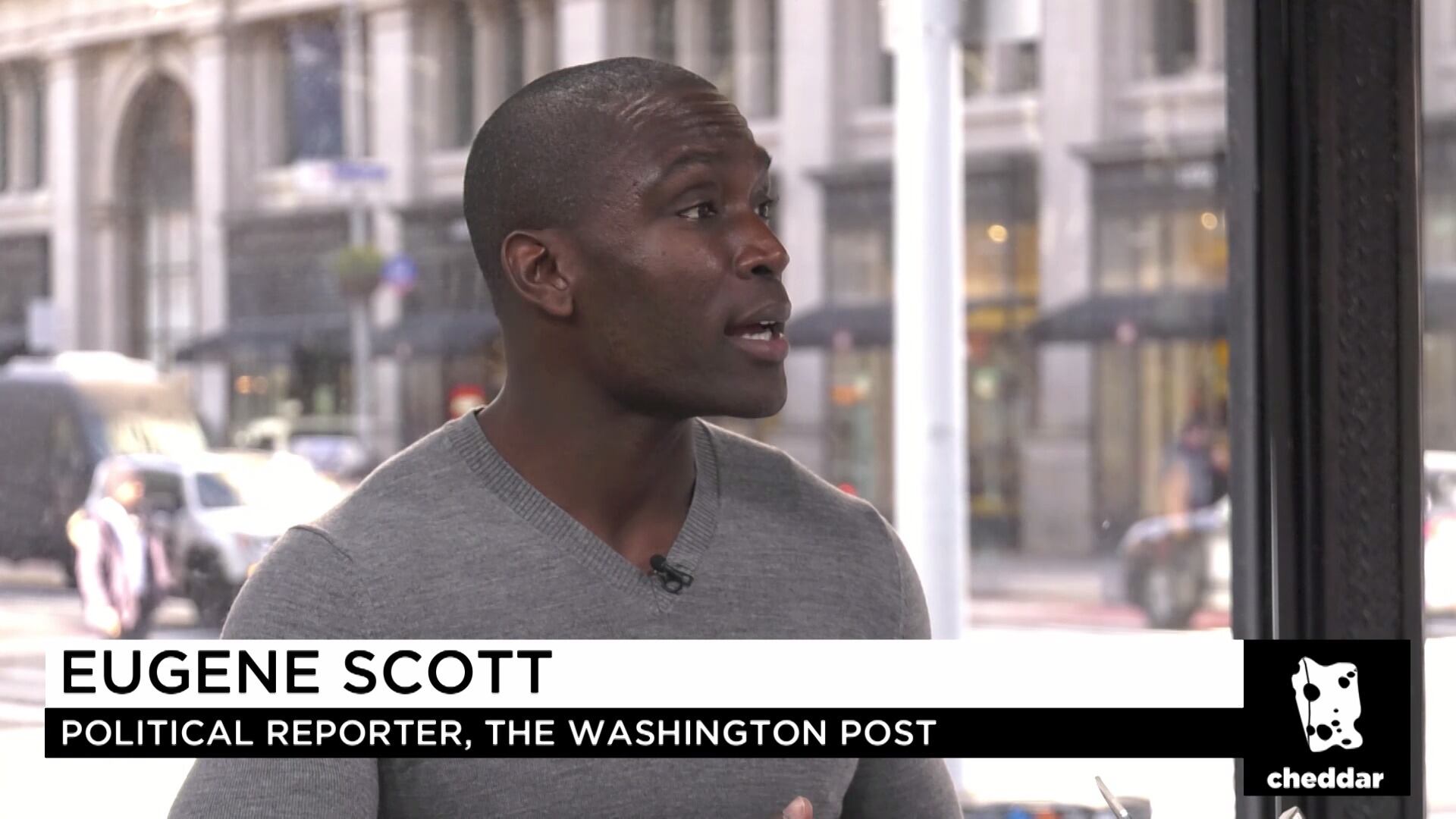
When President Trump returns to Washington in the new year, one of the first moves he could make is killing the Iran Nuclear Deal. He will only have a few weeks before coming up against legal deadlines to impose sanctions against Tehran.
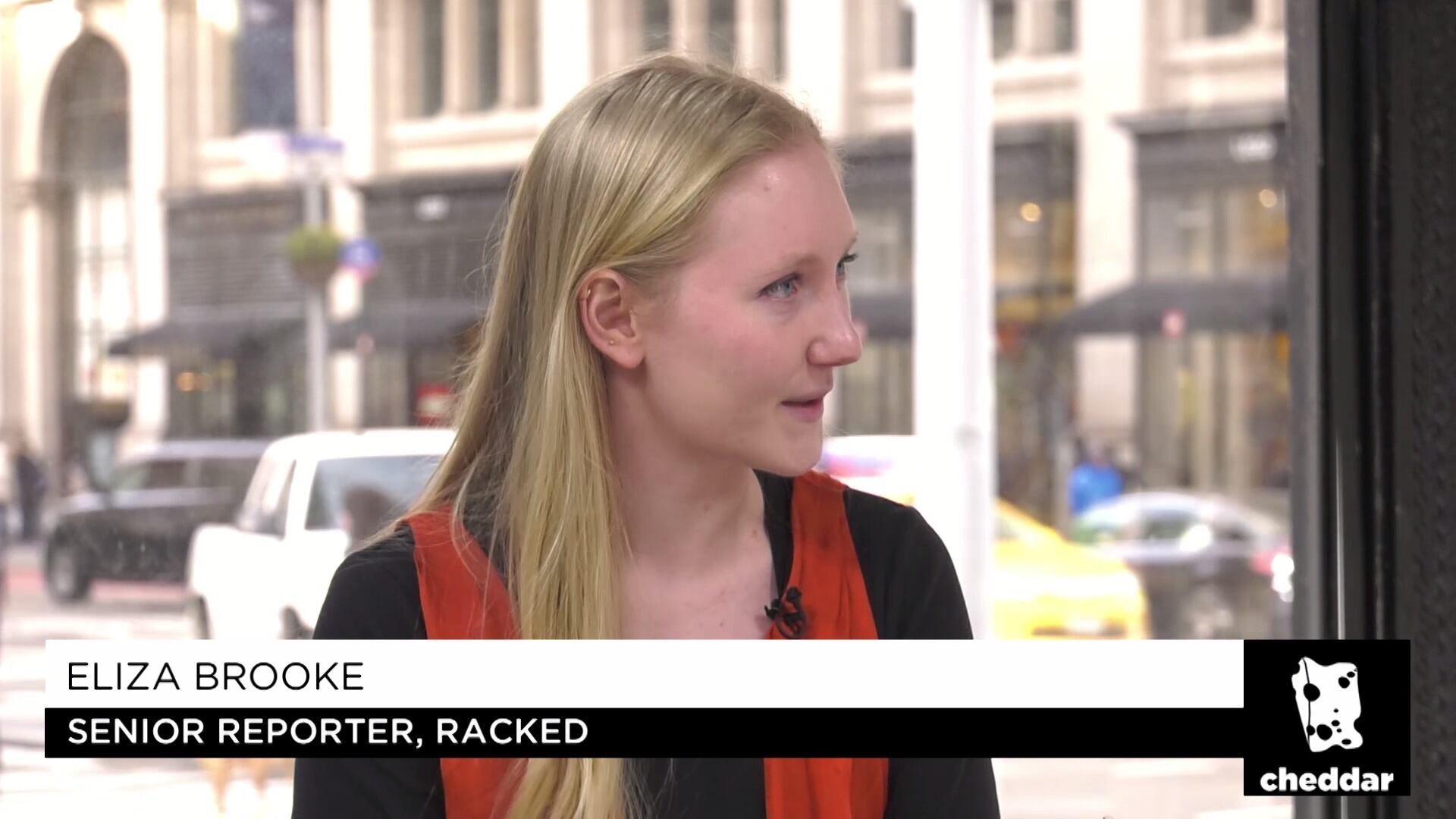
President Trump's first year in office has seen style choices turn into political controversies. Racked's Eliza Brooke joins Cheddar to explain why Americans are so fixated on fashion choices coming out of The White House.
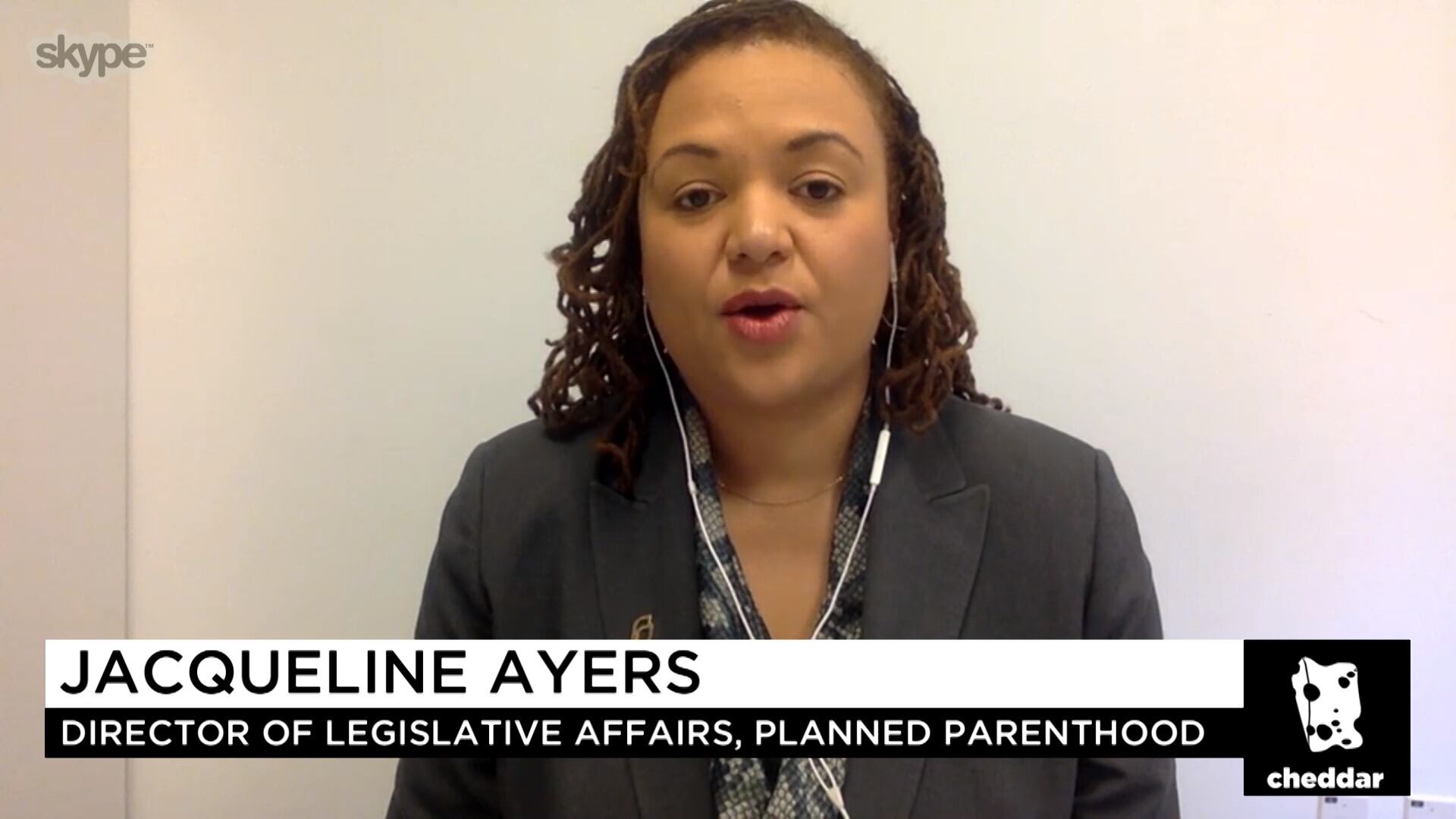
Jacqueline Ayers, Director of Legislative Affairs for Planned Parenthood, discusses 2017's historic year for women - from the women's marches that kicked off President Trump's inauguration to the #Metoo campaign.
The intersection of Washington DC, Wall Street and Silicon Valley and the egos at play in each.
Liz Wolfe, Managing Editor at Young Voices, breaks down allegations within the Department of Justice and says she's not "super optimistic" things will change.
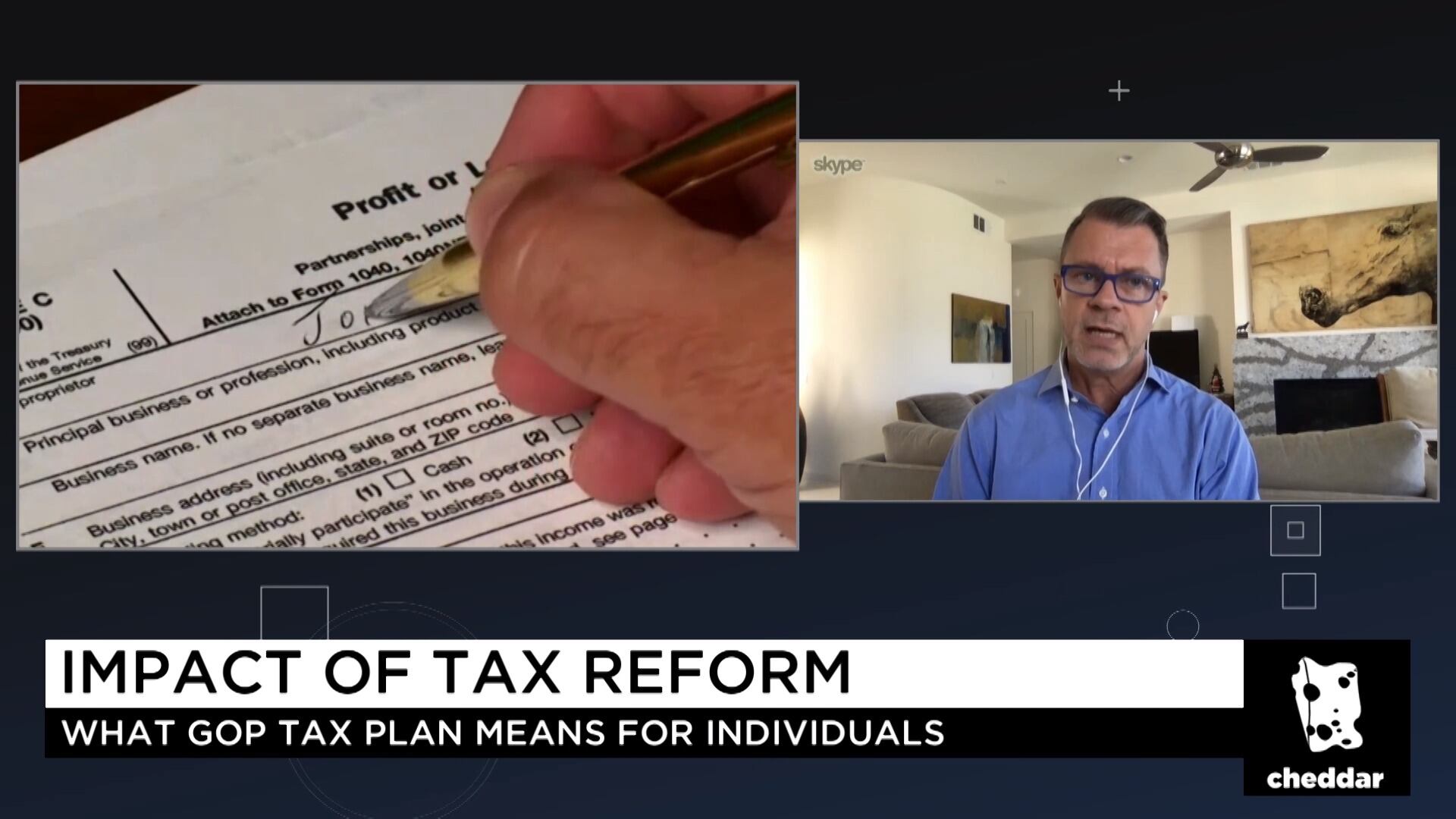
President Trump signed the Republican tax bill into law last week. While most taxpayers will not be impacted until its time to file 2018 taxes in 2019, there are ways you can be proactive now. TurboTax Chief Tax Officer Dave Williams shares his advice for planning ahead.
VF Hive + Between Bells: Vanity Fair's Hive gets candid with departing Vanity Fair Editor Graydon Carter. On Between Bells: the countdown to legal recreational weed. With New York Magazine, IMore.com: iPhone and iPad, FHM, and more.
The Department of Justice's Inspector General says that mishandling of sexual harassment complaints is a systemic problem. The Inspector's office found that complaints were mishandled in multiple instances.
While President Trump is celebrating his win on tax reform at Mar-a-Lago, everyone else is wondering what policy he will take on next. Despite his recent success, divisions within the GOP could make it hard for the president to get another major legislative win in the new year.
Michael Simon, staff writer for PCWorld, discusses President Obama's comments in an interview with Prince Harry where he warned against the misuse of social media, hinting at leaders that use platforms to divide and spread misinformation.