By Josh Boak
The Treasury Department said Monday that 39 million families are set to receive monthly child payments beginning on July 15.
The payments are part of President Joe Biden's $1.9 trillion coronavirus relief package, which expanded the child tax credit for one year and made it possible to pre-pay the benefits on a monthly basis. Nearly 88% of children are set to receive the benefits without their parents needing to take any additional action.
“This tax cut sends a clear and powerful message to American workers, working families with children: Help is here,” Biden said in remarks at the White House.
Qualified families will receive a payment of up to $300 per month for each child under 6 and up to $250 per month for children between the ages of 6 and 17. The child tax credit was previously capped at $2,000 and only paid out to families with income tax obligations after they filed with the IRS.
But for this year, couples earning $150,000 or less can receive the full payments on the 15th of each month, in most cases by direct deposit. The benefits total $3,600 annually for children under 6 and $3,000 for those who are older. The IRS will determine eligibility based on the 2019 and 2020 tax years, but people will also be able to update their status through an online portal. The administration is also setting up another online portal for non-filers who might be eligible for the child tax credit.
The president has proposed an extension of the increased child tax credit through 2025 as part of his $1.8 trillion families plan. Outside analysts estimate that the payments could essentially halve child poverty. The expanded credits could cost roughly $100 billion a year.
Updated on May 17, 2021, at 2:06 p.m. ET with the latest details.
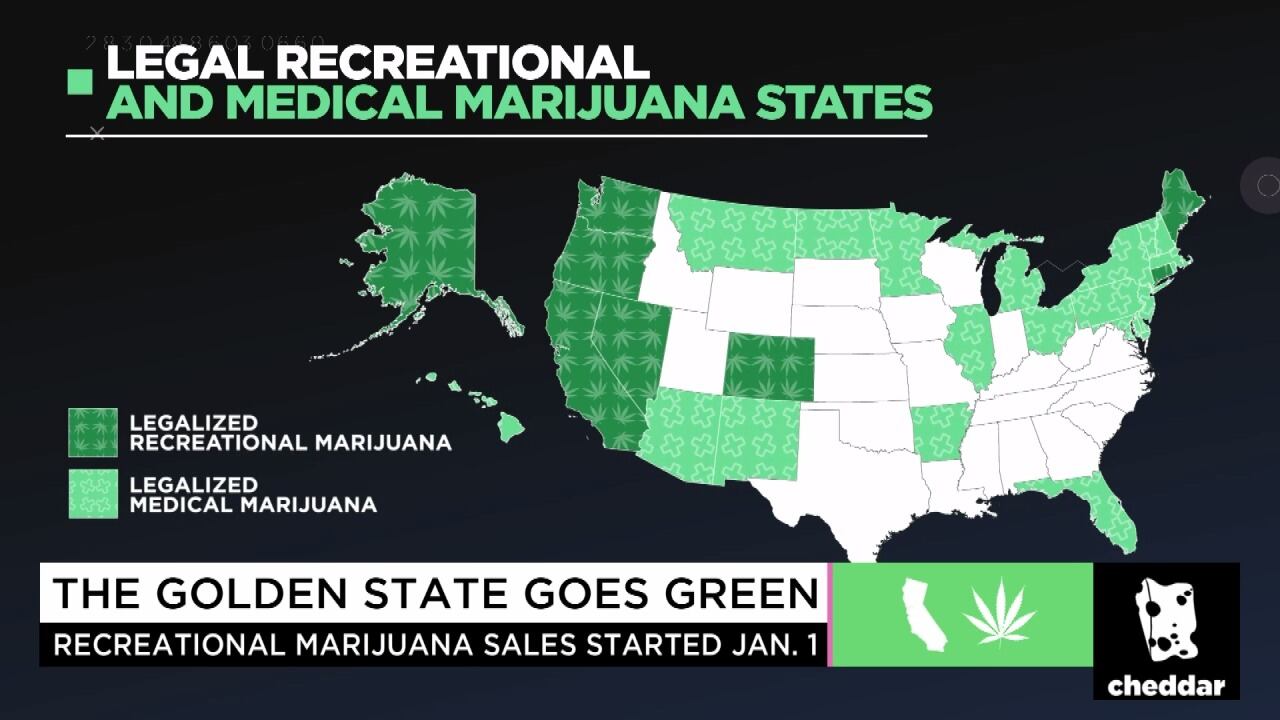
Even though California's recreational Marijuana law went into effect today, much of the country still does not have medical or recreational legalization. On top of that, the Federal government's laws are vastly different from states that have legalized. Paul Armentano is the Deputy Director of the National Organization for the Reform of Marijuana Laws and he joins Cheddar to give his take on how legalization will progress from here.
Even with California, the sixth biggest economy in the world, legalizing pot, incongruities in state and federal law hinder growth in the marijuana market. That's according to Paul Armentano, Deputy Director at NORML.
President Trump has returned from his holiday in Florida and is officially back to work. Congress is back in session tomorrow and there is a lot to get done. Lawmakers will be voting on many items like immigration, disaster relief, and more. Will the two sides of the aisle be able to work together, or will divisions hinder Washington?
The governor says Colorado learned that properly packaging edibles helps keep pot away from children.
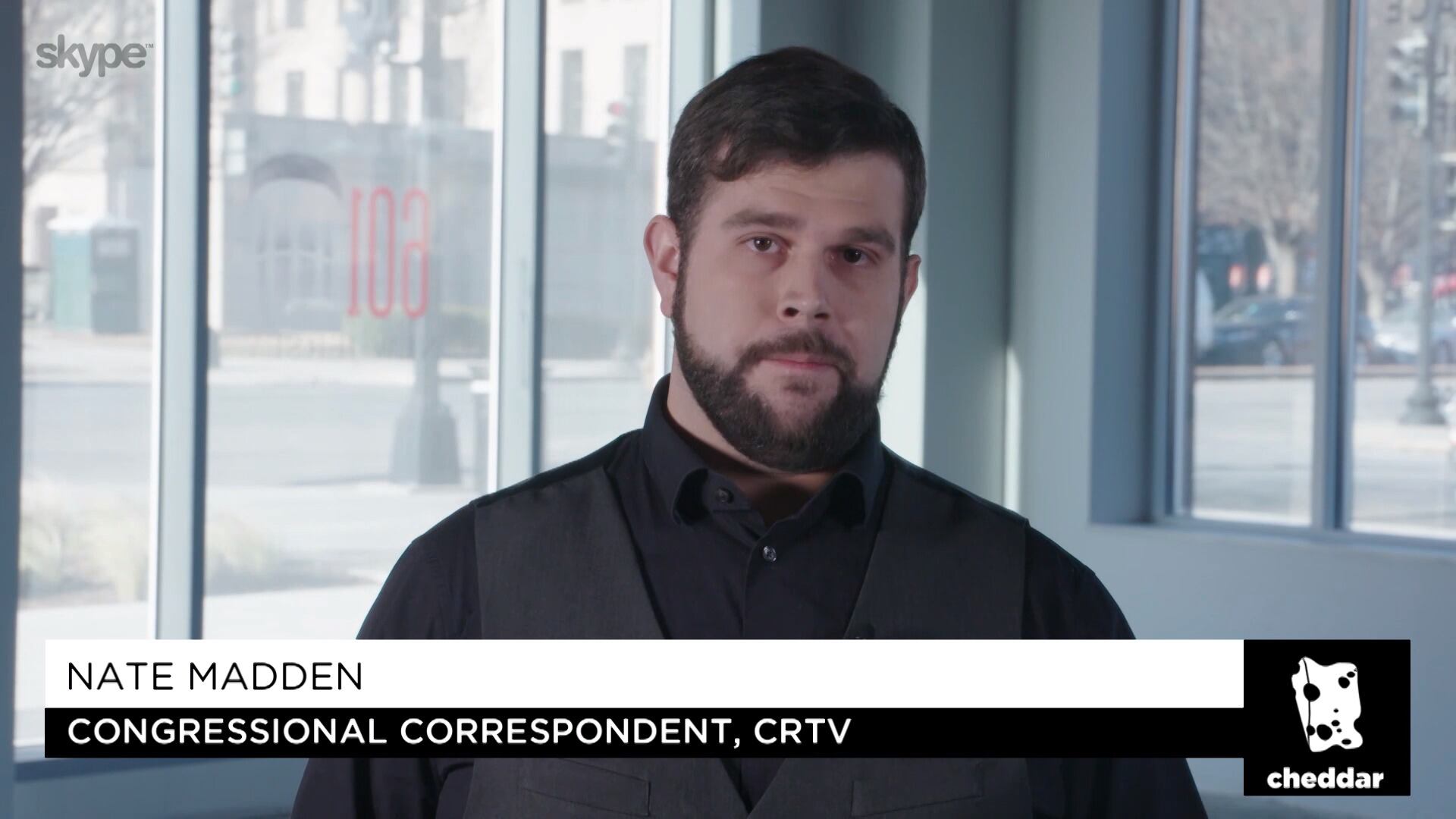
Congress is heading back to work with a packed agenda ahead of the looming government shutdown. CRTV's Nate Madden and The Democratic Coalition's Jarad Geldner join Cheddar's roundtable to discuss what awaits lawmakers when they get back from their holiday break.
The top headlines in politics, tech, and entertainment.
President Donald Trump gave an impromptu with the New York Times Washington Correspondent Michael Schmidt at his Mar-A-Lago property Thursday. Alexander Heffner, Host of PBS' "The Open Mind," explains what this interview says about the relationship between Trump and the media.
President Trump left most of America wondering what he'll say next after an impromptu interview with the New York Times. Philip Wegmann, Commentary Writer for the Washington Examiner joins Cheddar to give his thoughts on the President's statement regarding the Russia probe.
Between Bells brings you the top tech, entertainment, and political stories of the day.
Your Future Home: Housing trends and tips with Quicken Loans. On Between Bells: can gaming become a mental health condition? With GameSpot, Nerdist, and Racked.