By Josh Boak
The Treasury Department said Monday that 39 million families are set to receive monthly child payments beginning on July 15.
The payments are part of President Joe Biden's $1.9 trillion coronavirus relief package, which expanded the child tax credit for one year and made it possible to pre-pay the benefits on a monthly basis. Nearly 88% of children are set to receive the benefits without their parents needing to take any additional action.
“This tax cut sends a clear and powerful message to American workers, working families with children: Help is here,” Biden said in remarks at the White House.
Qualified families will receive a payment of up to $300 per month for each child under 6 and up to $250 per month for children between the ages of 6 and 17. The child tax credit was previously capped at $2,000 and only paid out to families with income tax obligations after they filed with the IRS.
But for this year, couples earning $150,000 or less can receive the full payments on the 15th of each month, in most cases by direct deposit. The benefits total $3,600 annually for children under 6 and $3,000 for those who are older. The IRS will determine eligibility based on the 2019 and 2020 tax years, but people will also be able to update their status through an online portal. The administration is also setting up another online portal for non-filers who might be eligible for the child tax credit.
The president has proposed an extension of the increased child tax credit through 2025 as part of his $1.8 trillion families plan. Outside analysts estimate that the payments could essentially halve child poverty. The expanded credits could cost roughly $100 billion a year.
Updated on May 17, 2021, at 2:06 p.m. ET with the latest details.
Tensions are rising in Iran as thousands of people are taking to the streets in protests against the government. Center for Human Rights in Iran's Deputy Director Omid Memarian explains the economic factors driving the unrest, and implications of social platforms being blocked inside the nation.
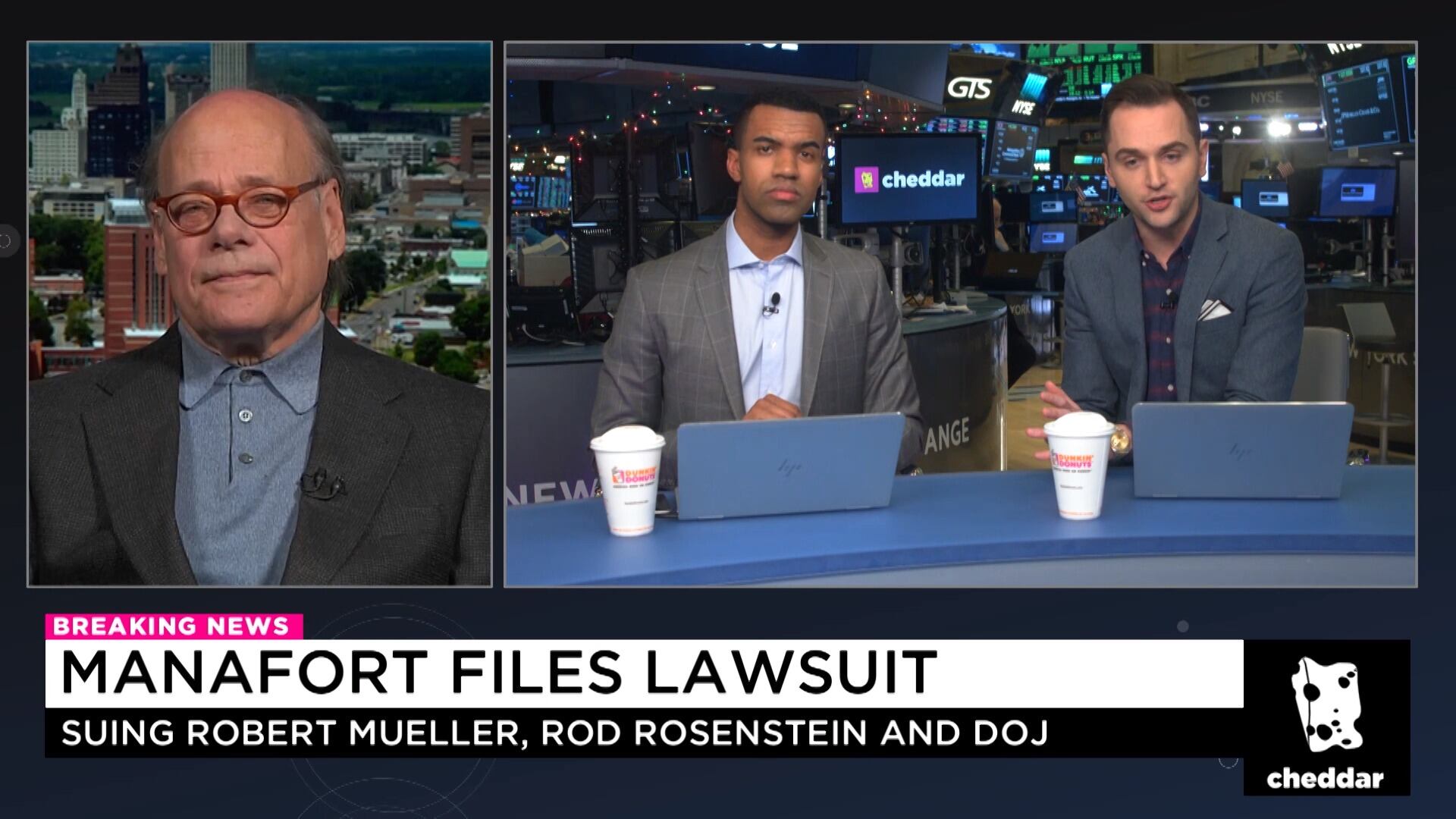
Paul Manafort is suing the Department of Justice. The suit challenges the authority of Special Counsel Robert Mueller and alleges the Justice Department violated the law in appointing Mueller. Rep. Steve Cohen (D-TN) reacts to the breaking news.
President Trump causing a firestorm Wednesday after releasing an official statement saying his former advisor Steve Bannon has "lost his mind." Washington Examiner Commentary Writer Philip Wegmann explains the significance of this statement.
Between Bells: A preview of Sunday's Golden Globes, the first major awards ceremony of the #metoo era. Plus, Rihanna and Kylie Jenner square off in a battle of the celebrity beauty brands. We're joined by Health, Racked, Mashable, TheGrio, CinemaBlend and more!
The biggest political star of the new year is the hypothetical lawmaker, "Senator Mitt Romney." The Grio's Todd Johnson joins Cheddar to evaluate the former governor's chances should he choose to run for Senator Orrin Hatch's (R-UT) seat.
New York Times reporter Steve Lohr says that the study analyzed the makes and models of cars captured by the tech giant's Street View feature to make predictions on voting and even pollution.
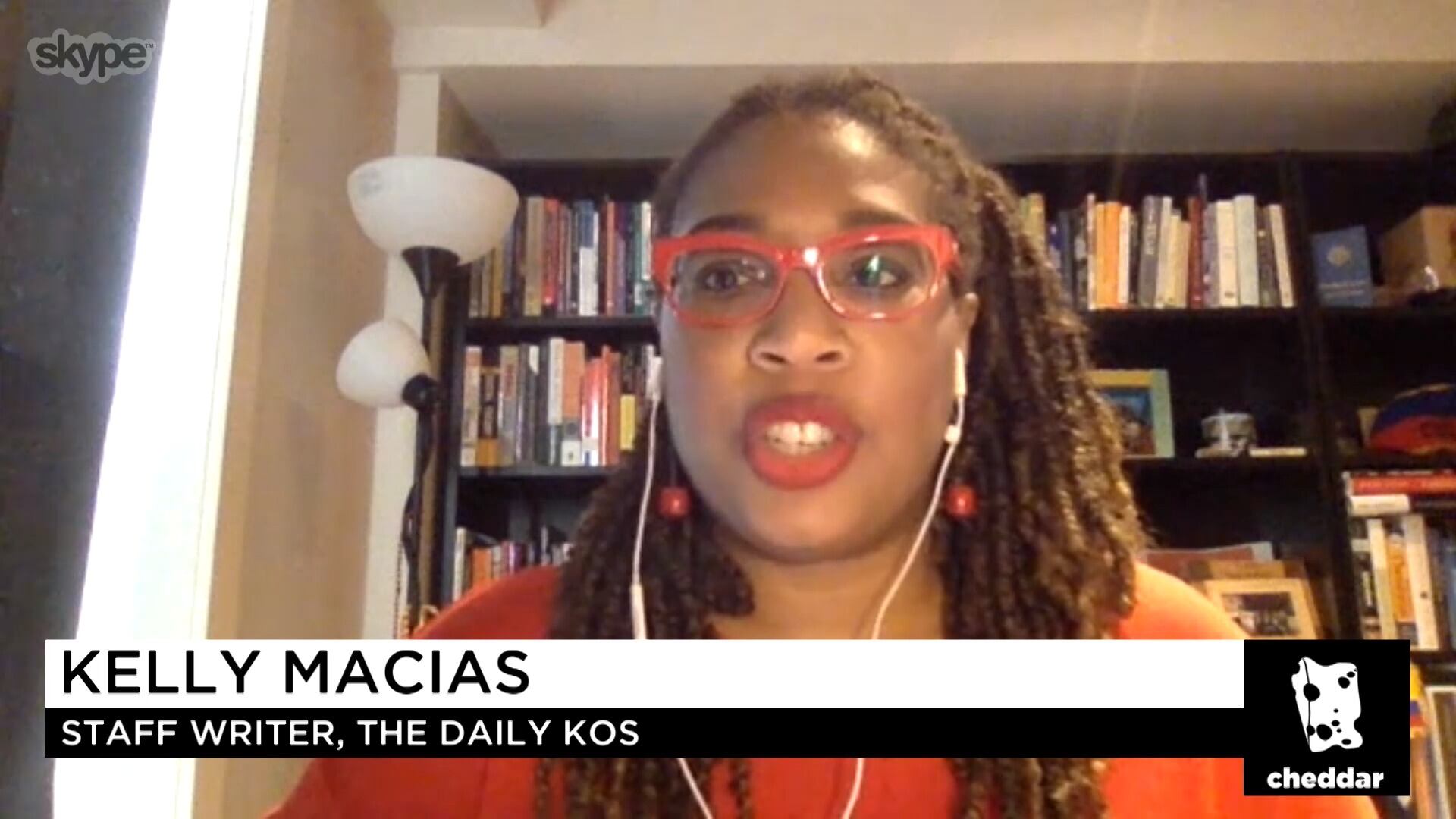
The country is in a tizzy after President Trump tweeted that his nuclear button is "bigger" and "more powerful" than that of North Korean leader Kim Jong Un. Kelly Macias, Staff Writer at The Daily Kos joins Cheddar to discuss why she believes Trump's tweets are creating danger for America.
Between Bells: Californians lining up for recreational marijuana, Hollywood's A-List women say 'Time's Up' on workplace harassment, and can Dems get a DACA deal? We're joined by Fast Company, Cannabis Culture, Bossip.com, TechnoBuffalo, Conservative Review and more.
Jodie Emery, Editor-in-Chief of Cannabis Culture, says that "the federal government would be hard-pressed to really ignore" the legalization of adult-use pot in the Golden State.
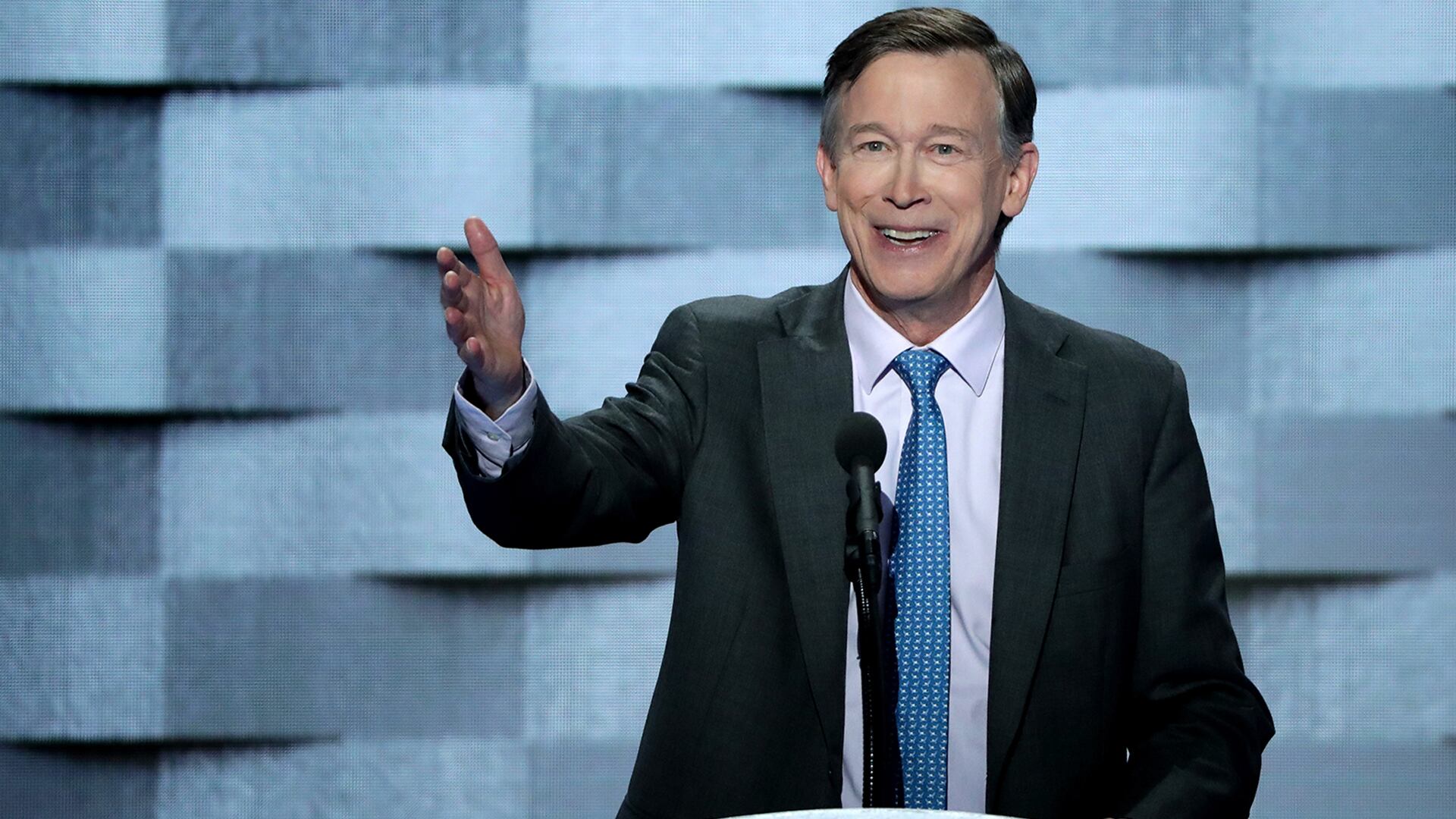
Recreational marijuana is officially legal in California. This makes it the sixth state to go green after Washington, Oregon, Alaska, Nevada, and Colorado. Governor John Hickenlooper (D-CO) shares his lessons from the legalization and regulation of marijuana in his state for California.