By Josh Boak
The Treasury Department said Monday that 39 million families are set to receive monthly child payments beginning on July 15.
The payments are part of President Joe Biden's $1.9 trillion coronavirus relief package, which expanded the child tax credit for one year and made it possible to pre-pay the benefits on a monthly basis. Nearly 88% of children are set to receive the benefits without their parents needing to take any additional action.
“This tax cut sends a clear and powerful message to American workers, working families with children: Help is here,” Biden said in remarks at the White House.
Qualified families will receive a payment of up to $300 per month for each child under 6 and up to $250 per month for children between the ages of 6 and 17. The child tax credit was previously capped at $2,000 and only paid out to families with income tax obligations after they filed with the IRS.
But for this year, couples earning $150,000 or less can receive the full payments on the 15th of each month, in most cases by direct deposit. The benefits total $3,600 annually for children under 6 and $3,000 for those who are older. The IRS will determine eligibility based on the 2019 and 2020 tax years, but people will also be able to update their status through an online portal. The administration is also setting up another online portal for non-filers who might be eligible for the child tax credit.
The president has proposed an extension of the increased child tax credit through 2025 as part of his $1.8 trillion families plan. Outside analysts estimate that the payments could essentially halve child poverty. The expanded credits could cost roughly $100 billion a year.
Updated on May 17, 2021, at 2:06 p.m. ET with the latest details.
Though FAANG stocks hit an all-time high last week, their gains could be undermined by the Trump administration's trade stand-off with China that could soon widen into the technology sector, says Jason Ware, chief investment officer at Albion Financial Group.
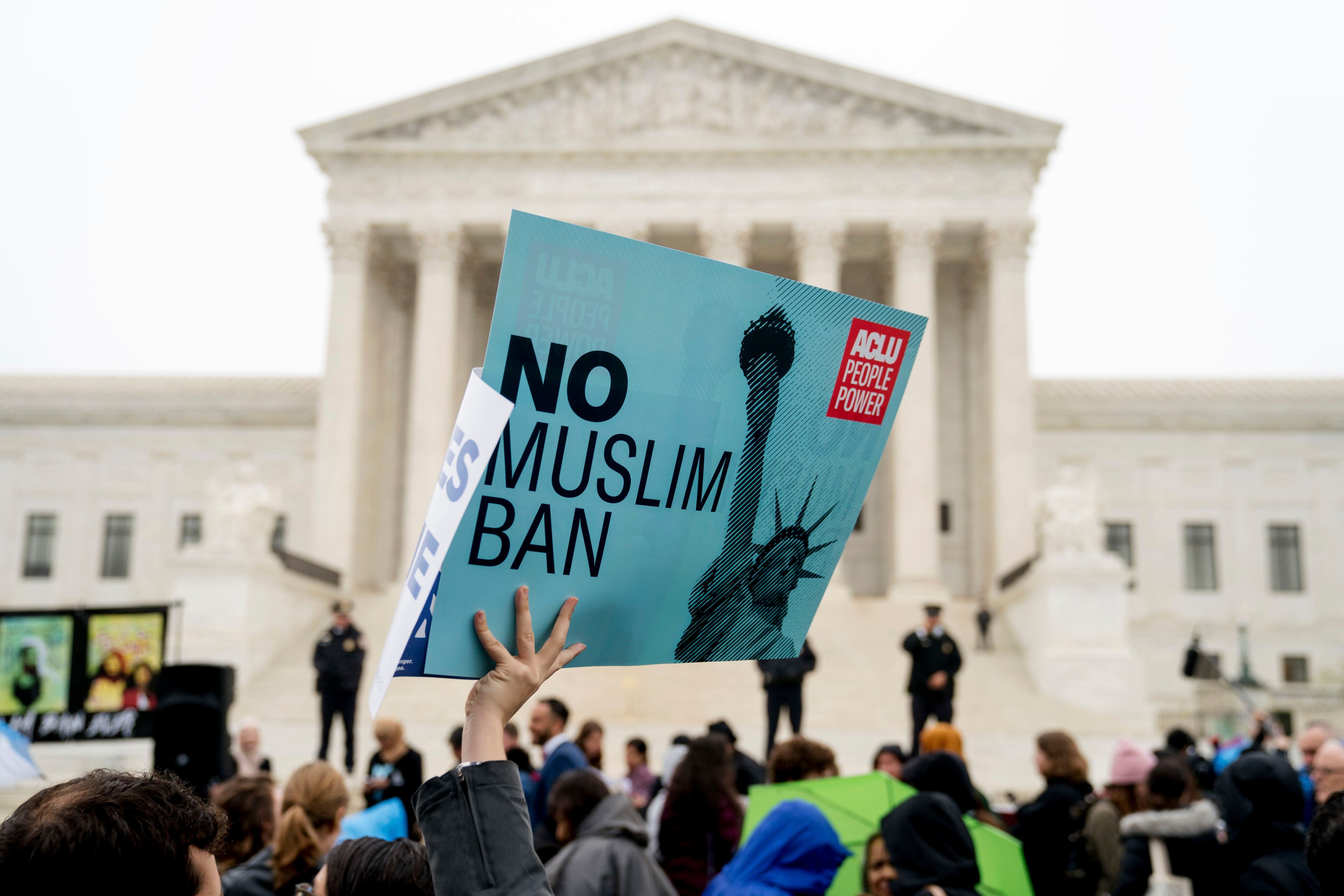
The country's highest court on Tuesday ruled in favor of the travel ban the Trump administration attempted to implement last year. The court rejected the argument that the policy exceeded the president's authority and that it discriminated against Muslims.
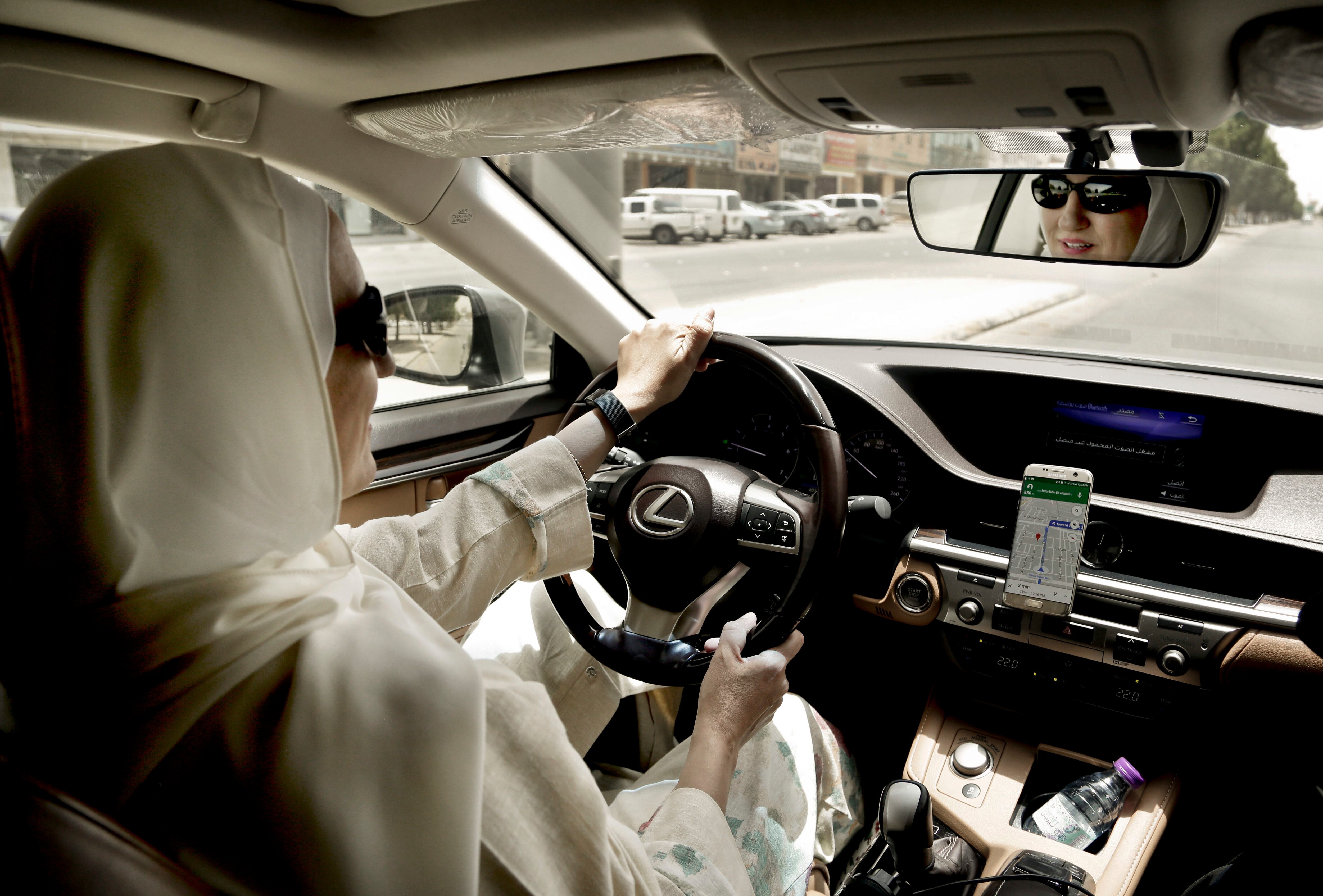
Letting women drive will make them "good workers and consumers," says Hiba Zayadin, the acting Saudi researcher at Human Rights Watch. But "the power structures and systems that keep women as second-class citizens" remain prevalent., she tells Cheddar.
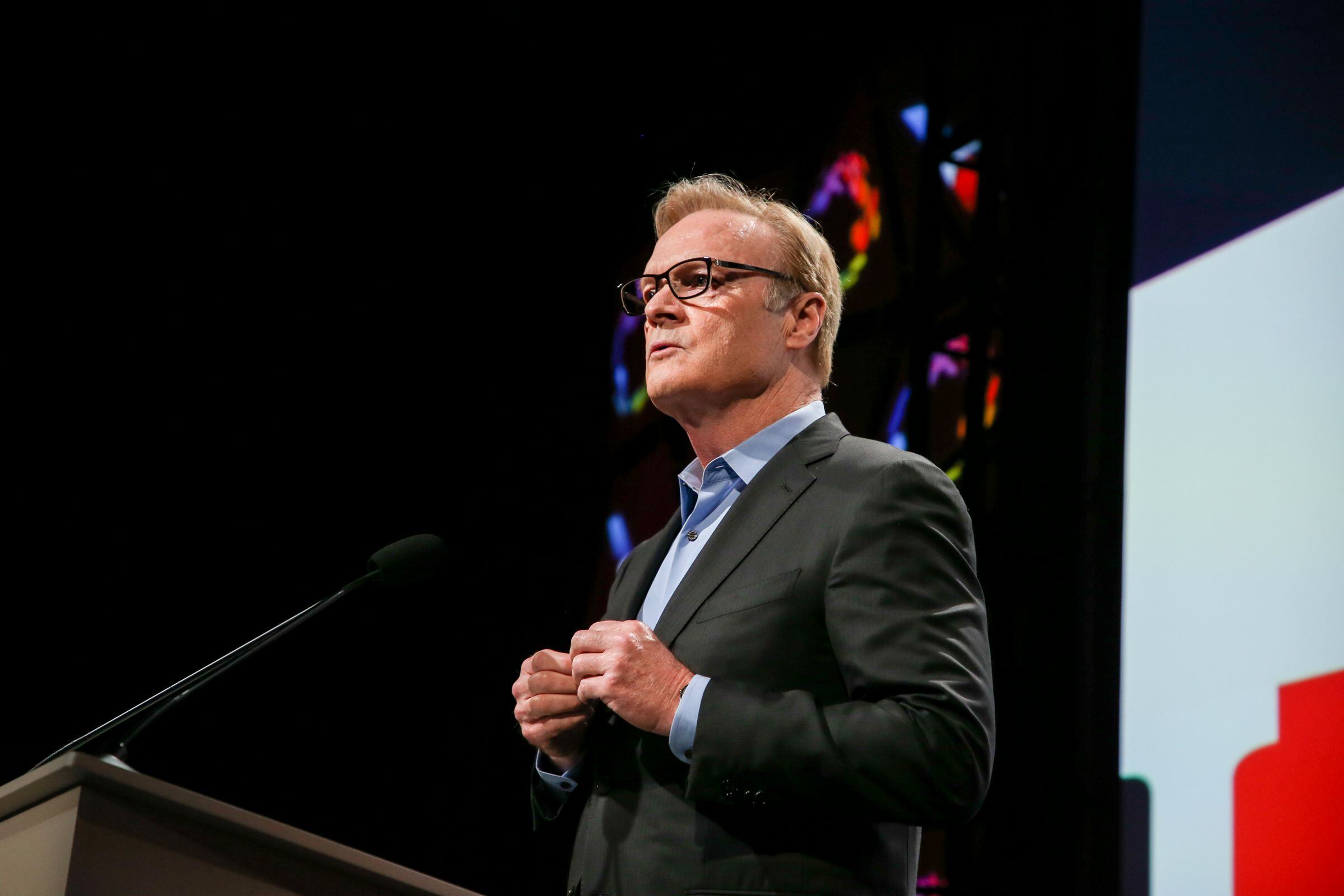
Police shootings have persisted in America for the last several decades but now personal video footage is holding officers accountable, says O'Donnell. The MSNBC host is re-publishing his book "Deadly Force" that chronicles the 1975 police shooting of an unarmed black man that was criticized as "basically a murder".
The president's consistent attacks on media outlets like CNN is "very, very good for business." But Trump has avoided directing his wrath at MSNBC since taking the White House, because the network "is much higher rated" and "he would prefer people to watch CNN," which features many pro-Trump speakers, says O'Donnell.
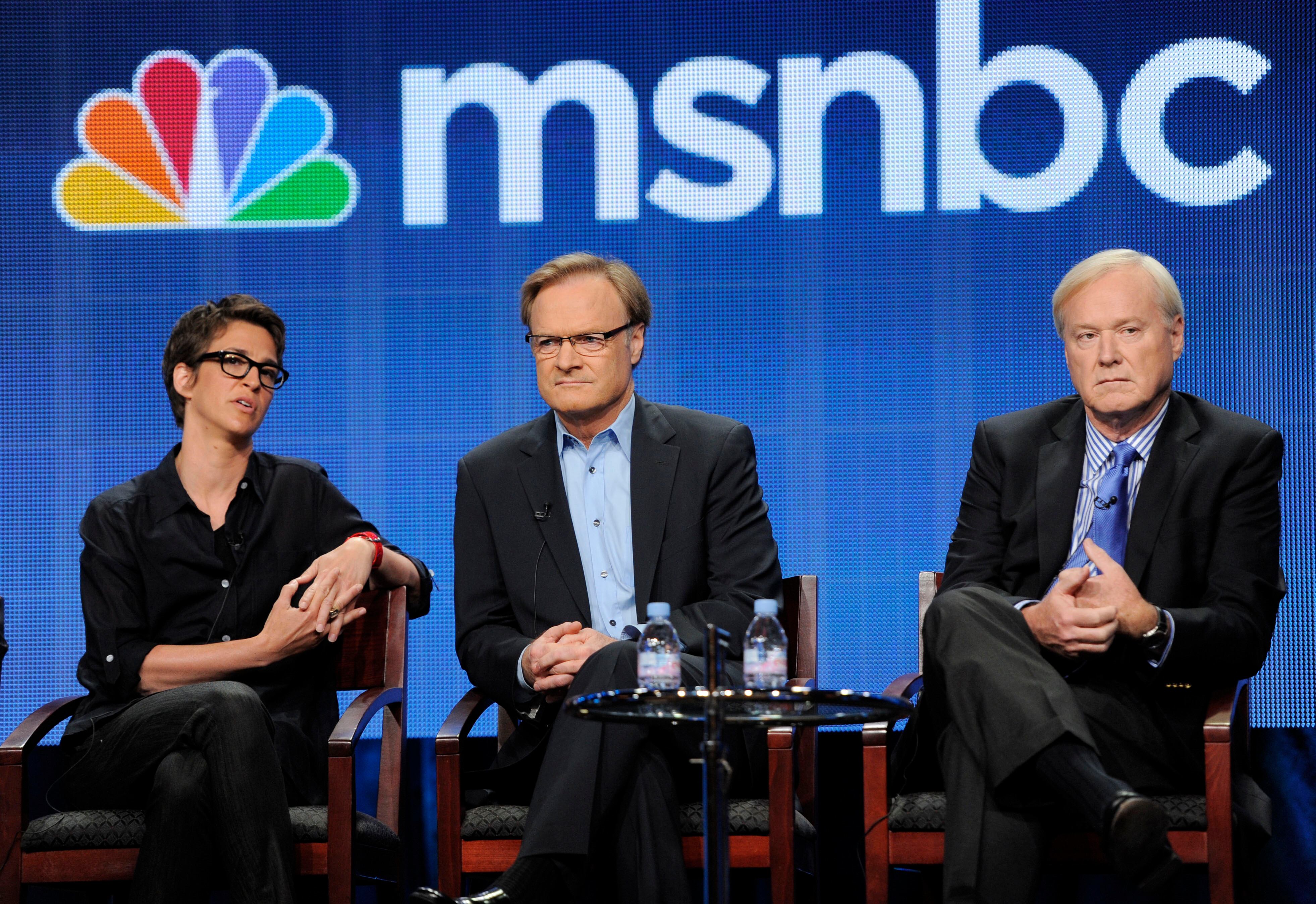
The MSNBC host explains what happened leading up to the moment when his co-worker, Rachel Maddow, broke down in tears on air while covering the border crisis. O'Donnell tells Cheddar that if he had to report the story on tender age shelters, he might have cried too.
Markets plunged on Monday as President Trump escalated already-tense trade relations with China and investors saw the first sign of American manufacturers feeling the impact of the Trump administration’s increasingly protectionist stance.
Melania Trump received a lot of criticism for wearing a jacket with the phrase "I DON'T REALLY CARE, DO U?" scrawled across the back on her way to meet with migrant children at the Texas-Mexico border. The bizarre choice, at such a heated moment, may have been "a very calculated move," said Vox reporter Rebecca Jennings.
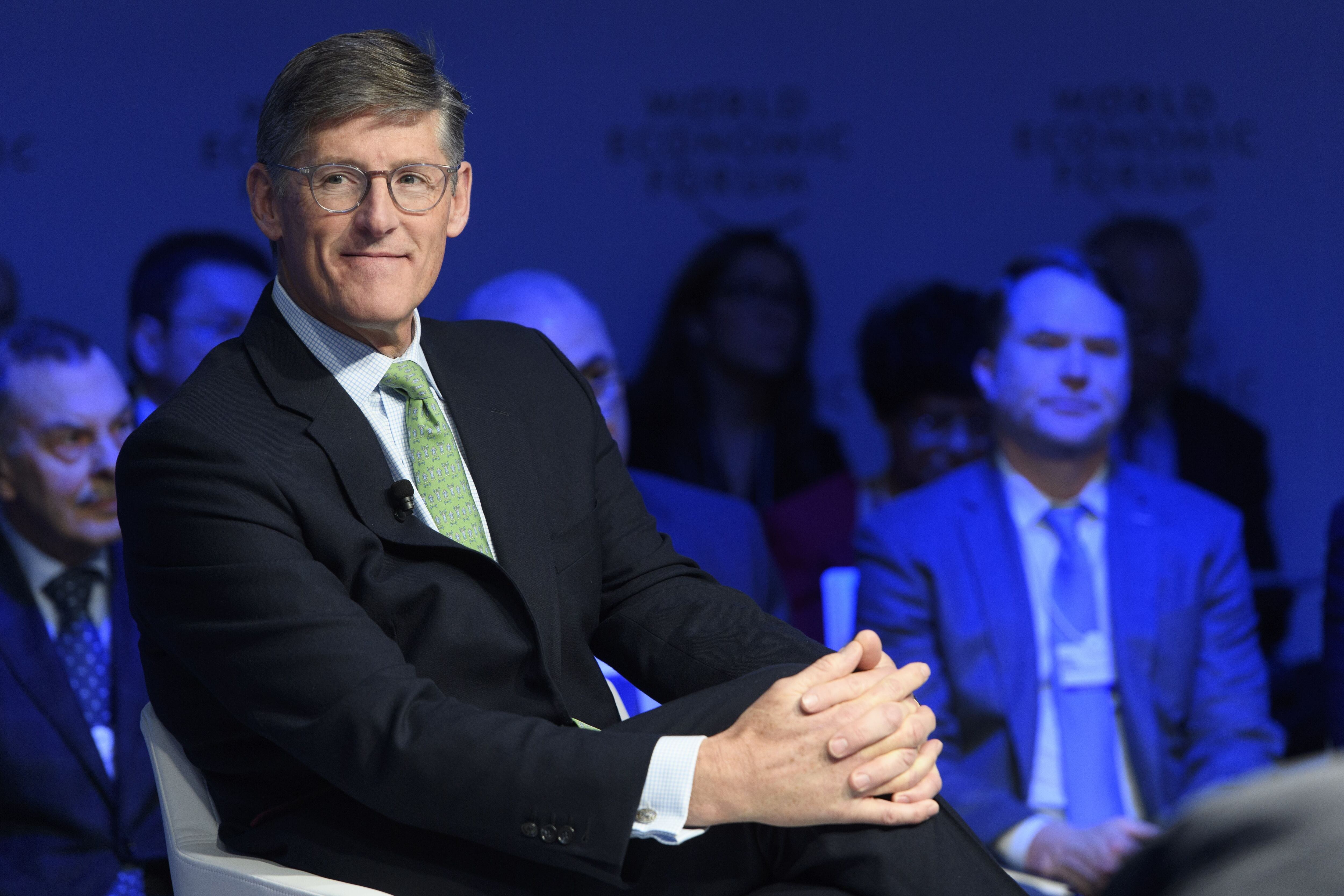
Citigroup CEO Michael Corbat weighs in on the backlash over family separation at the border and the need for immigration reform.
Image Credit: Shutterstock
The country's top court on Thursday ruled that states can force online retailers to charge sales taxes on purchases even if they don't have a physical presence in the state. D.A. Davidson's Tom Forte says Amazon may actually end up benefiting from that rule.