By Josh Boak
The Treasury Department said Monday that 39 million families are set to receive monthly child payments beginning on July 15.
The payments are part of President Joe Biden's $1.9 trillion coronavirus relief package, which expanded the child tax credit for one year and made it possible to pre-pay the benefits on a monthly basis. Nearly 88% of children are set to receive the benefits without their parents needing to take any additional action.
“This tax cut sends a clear and powerful message to American workers, working families with children: Help is here,” Biden said in remarks at the White House.
Qualified families will receive a payment of up to $300 per month for each child under 6 and up to $250 per month for children between the ages of 6 and 17. The child tax credit was previously capped at $2,000 and only paid out to families with income tax obligations after they filed with the IRS.
But for this year, couples earning $150,000 or less can receive the full payments on the 15th of each month, in most cases by direct deposit. The benefits total $3,600 annually for children under 6 and $3,000 for those who are older. The IRS will determine eligibility based on the 2019 and 2020 tax years, but people will also be able to update their status through an online portal. The administration is also setting up another online portal for non-filers who might be eligible for the child tax credit.
The president has proposed an extension of the increased child tax credit through 2025 as part of his $1.8 trillion families plan. Outside analysts estimate that the payments could essentially halve child poverty. The expanded credits could cost roughly $100 billion a year.
Updated on May 17, 2021, at 2:06 p.m. ET with the latest details.
Netflix may benefit in the short-term from its decision to pull an episode of a comedy show that criticized Saudi Arabia's royal family, but in the long-term, the move could hurt the public's trust in the brand, Jack Crowe of the National Review told Cheddar Wednesday.
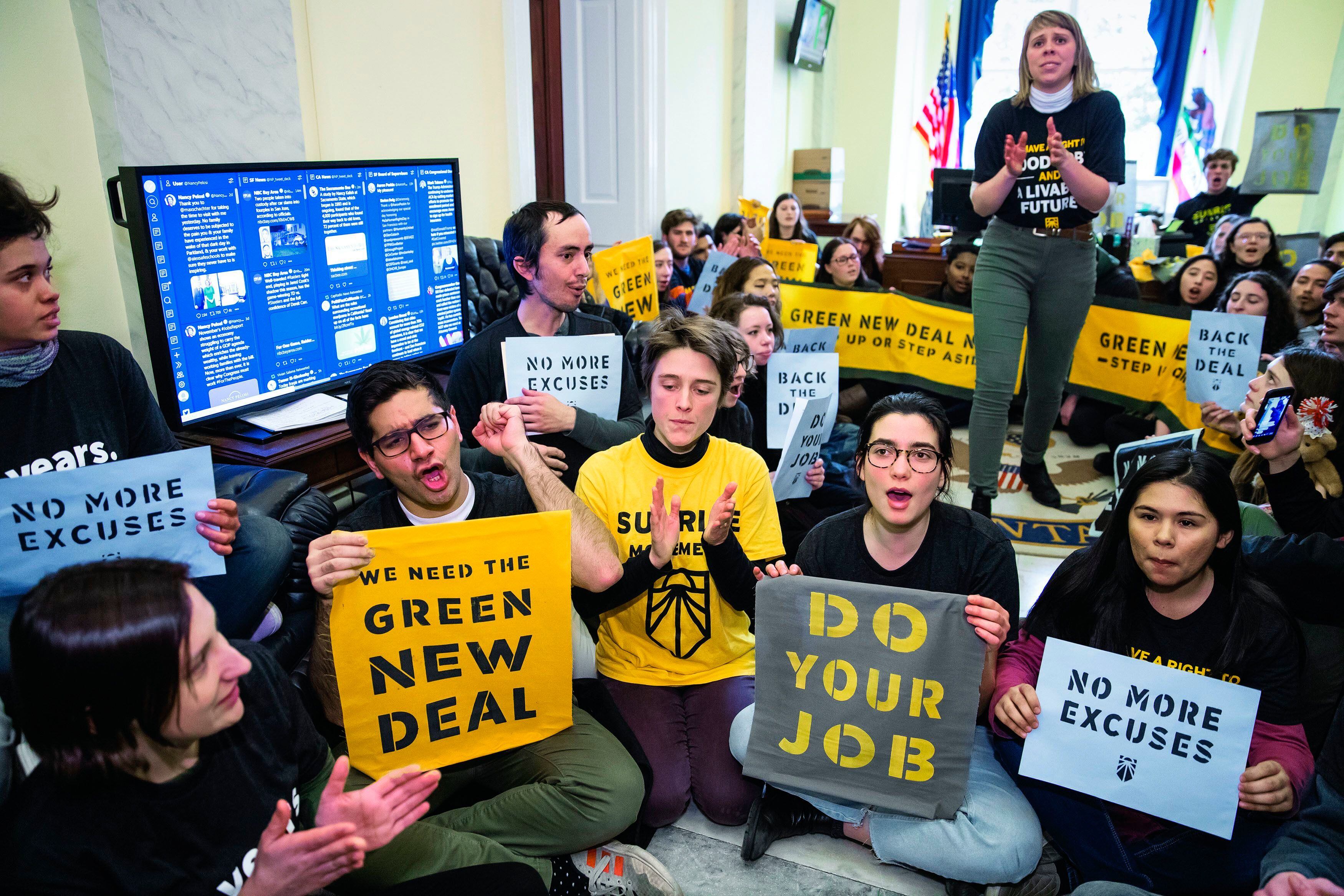
The Democratic Party establishment still have a chance to embrace the Green New Deal ー and their success in upcoming elections might just depend on it, Justice Democrats Communications Director Waleed Shahid told Cheddar on Monday.
These are the headlines you Need 2 Know for Wednesday, Jan. 2, 2019.
Elissa Slotkin is ready to swap the farmland of Michigan for the gridlock of Washington. Come Jan. 3, the incoming Democratic congresswoman, a former CIA analyst, will represent Michigan’s 8th District, which President Trump won by a nearly 7-point margin in 2016.
These are the headlines you Need 2 Know for Monday, Dec. 31, 2018.
From Wall Street to Silicon Valley, these are the top stories that moved markets and had investors, business leaders, and entrepreneurs talking this week on Cheddar.
As 2018 dwindles, we're reviewing the year's most extravagant fails as part of Cheddar's Hall of Shame.
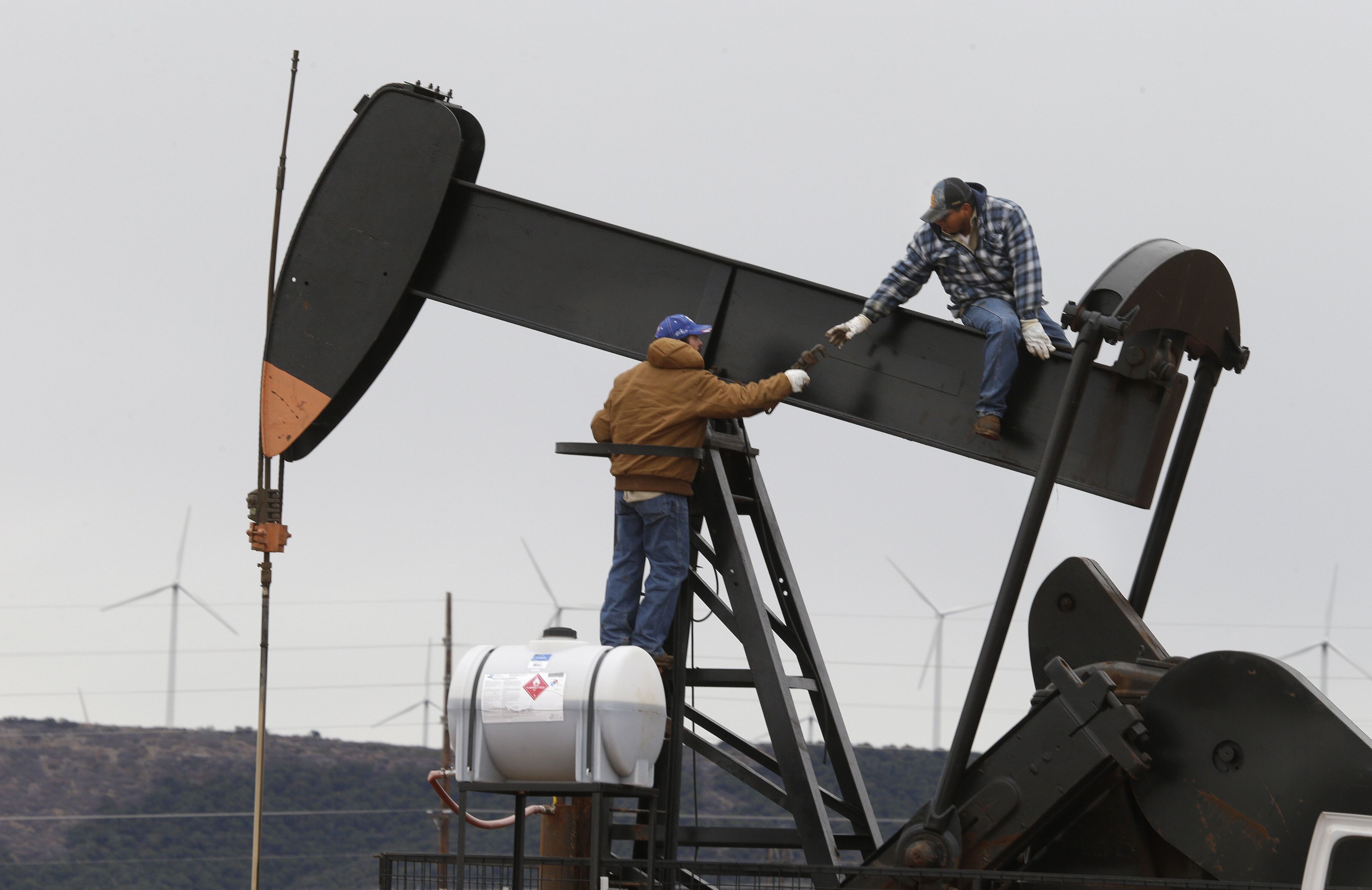
With oil prices nearing 18-month lows, John Hofmeister, former president of Shell Oil, is worried about the negative impact of lower prices. In fact, he says, if prices drop below
$40 a barrel, the cost of production will exceed the revenue it brings. That said, Hofmeister noted that lower oil prices are having a big impact on the consumer. People are driving more, and the impact hits everything from plastics to clothing and air fares.
These are the headlines you Need 2 Know for Friday, Dec. 28, 2018.
New Year's Eve is set to generate major cannabis sales, second only to the iconic marijuana holiday 420, according to MJ Freeway. The global cannabis technology and data company predicts total U.S. sales on New Year's Eve 2018 could reach up to $75 million, within striking distance of the $80 million generated in sales on April 20.