By Josh Boak
The Treasury Department said Monday that 39 million families are set to receive monthly child payments beginning on July 15.
The payments are part of President Joe Biden's $1.9 trillion coronavirus relief package, which expanded the child tax credit for one year and made it possible to pre-pay the benefits on a monthly basis. Nearly 88% of children are set to receive the benefits without their parents needing to take any additional action.
“This tax cut sends a clear and powerful message to American workers, working families with children: Help is here,” Biden said in remarks at the White House.
Qualified families will receive a payment of up to $300 per month for each child under 6 and up to $250 per month for children between the ages of 6 and 17. The child tax credit was previously capped at $2,000 and only paid out to families with income tax obligations after they filed with the IRS.
But for this year, couples earning $150,000 or less can receive the full payments on the 15th of each month, in most cases by direct deposit. The benefits total $3,600 annually for children under 6 and $3,000 for those who are older. The IRS will determine eligibility based on the 2019 and 2020 tax years, but people will also be able to update their status through an online portal. The administration is also setting up another online portal for non-filers who might be eligible for the child tax credit.
The president has proposed an extension of the increased child tax credit through 2025 as part of his $1.8 trillion families plan. Outside analysts estimate that the payments could essentially halve child poverty. The expanded credits could cost roughly $100 billion a year.
Updated on May 17, 2021, at 2:06 p.m. ET with the latest details.
A new bill in Illinois would require potential gun buyers to reveal their public social media accounts to state police. The ACLU is now speaking out against the idea, citing privacy and bias concerns. "The things that social media would show are one's political views, perhaps one's religion, and even in some instances someone's race," Edwin Yohnka, director of communications and public policy at ACLU of Illinois, told Cheddar.
For veteran congresswoman and cancer survivor Gwen Moore of Wisconsin, the issue of healthcare is both political and personal. She discussed President Trump's vow "to protect patients with pre-existing conditions" with Cheddar.
These are the headlines you Need 2 Know for Friday, Feb. 8, 2019.
President Trump's economic adviser Larry Kudlow slammed Democratic tax and banking proposals as un-American in an interview with Cheddar's J.D. Durkin on Thursday. "I'm afraid some of my Democratic friends are going back to a war on business," Kudlow said.
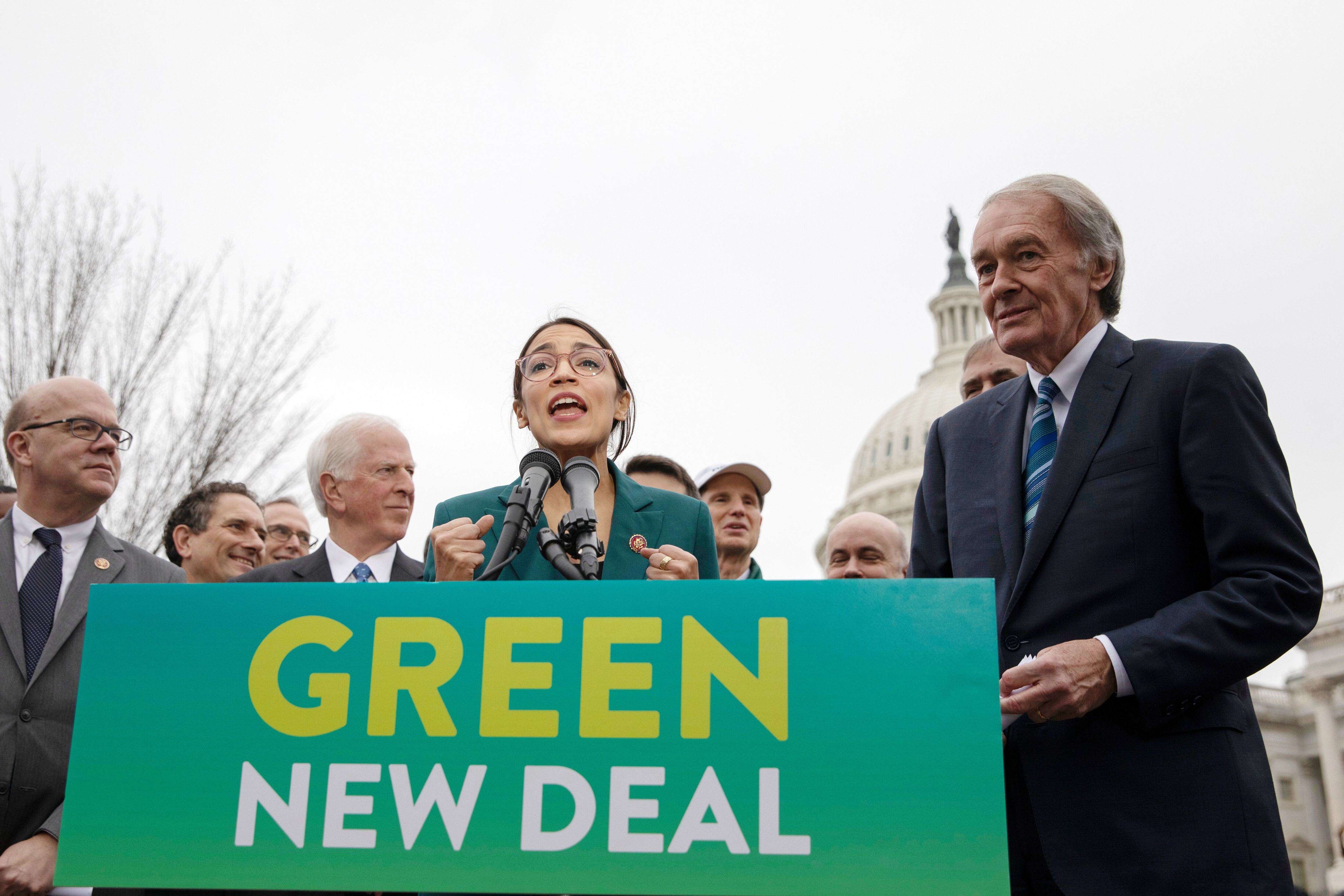
It's a topic that has evaded recent political campaigns, but thanks to a superstar representative from New York, tax and bank reform could be one of the biggest campaign issues leading into 2020. Rep. Alexandria Ocasio-Cortez (D-NY) has used her Twitter feed to call out the big banks. Pete Schroeder, who covers finance for Reuters, talked to Cheddar about how the big banks are getting ready.
These are the headlines you Need 2 Know for Thursday, Feb. 7, 2019.
If there's one issue on which President Trump and Congress can work together, it's infrastructure. That's according to Henry Cisneros, a veteran private equity investor and former HUD Secretary under President Bill Clinton.
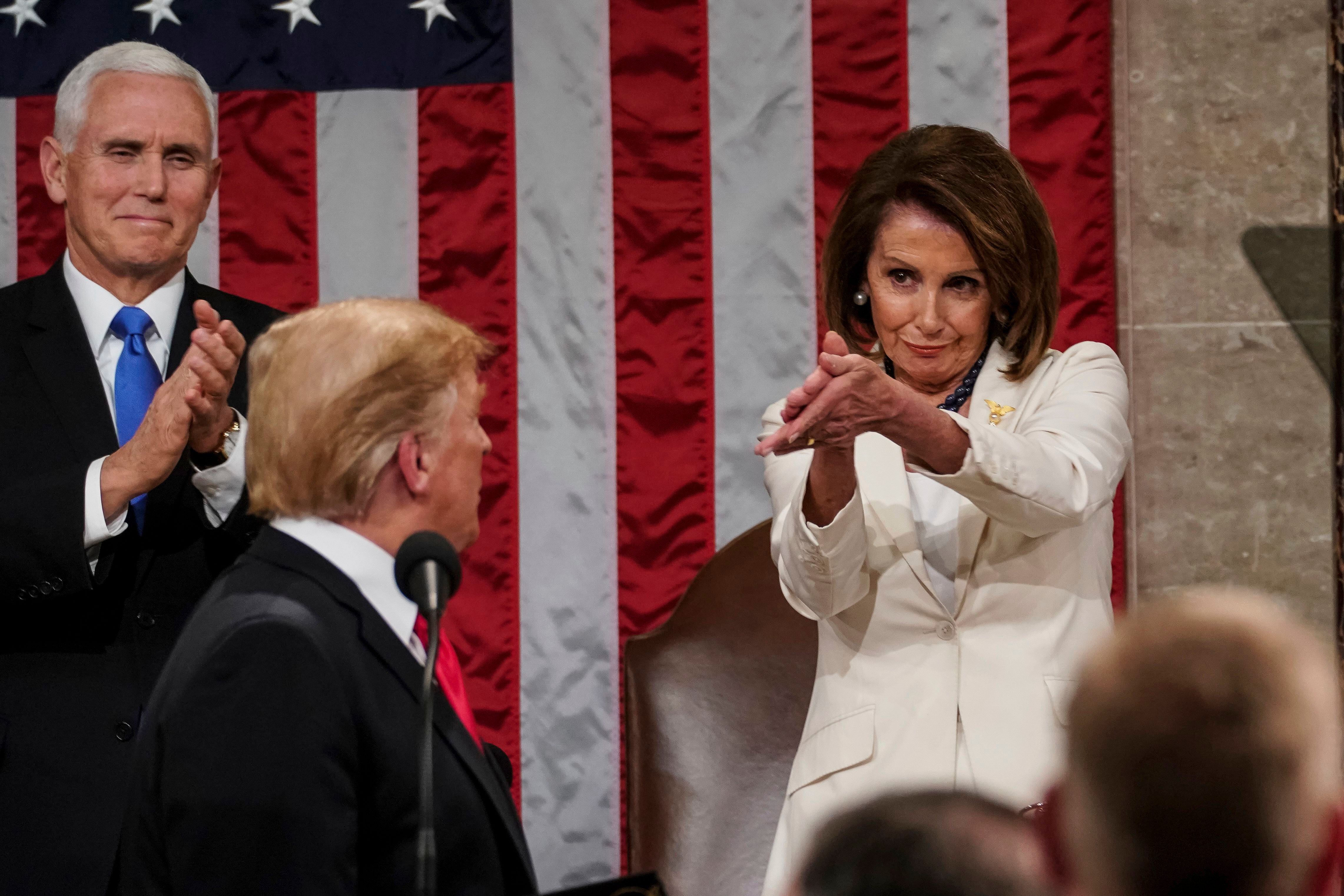
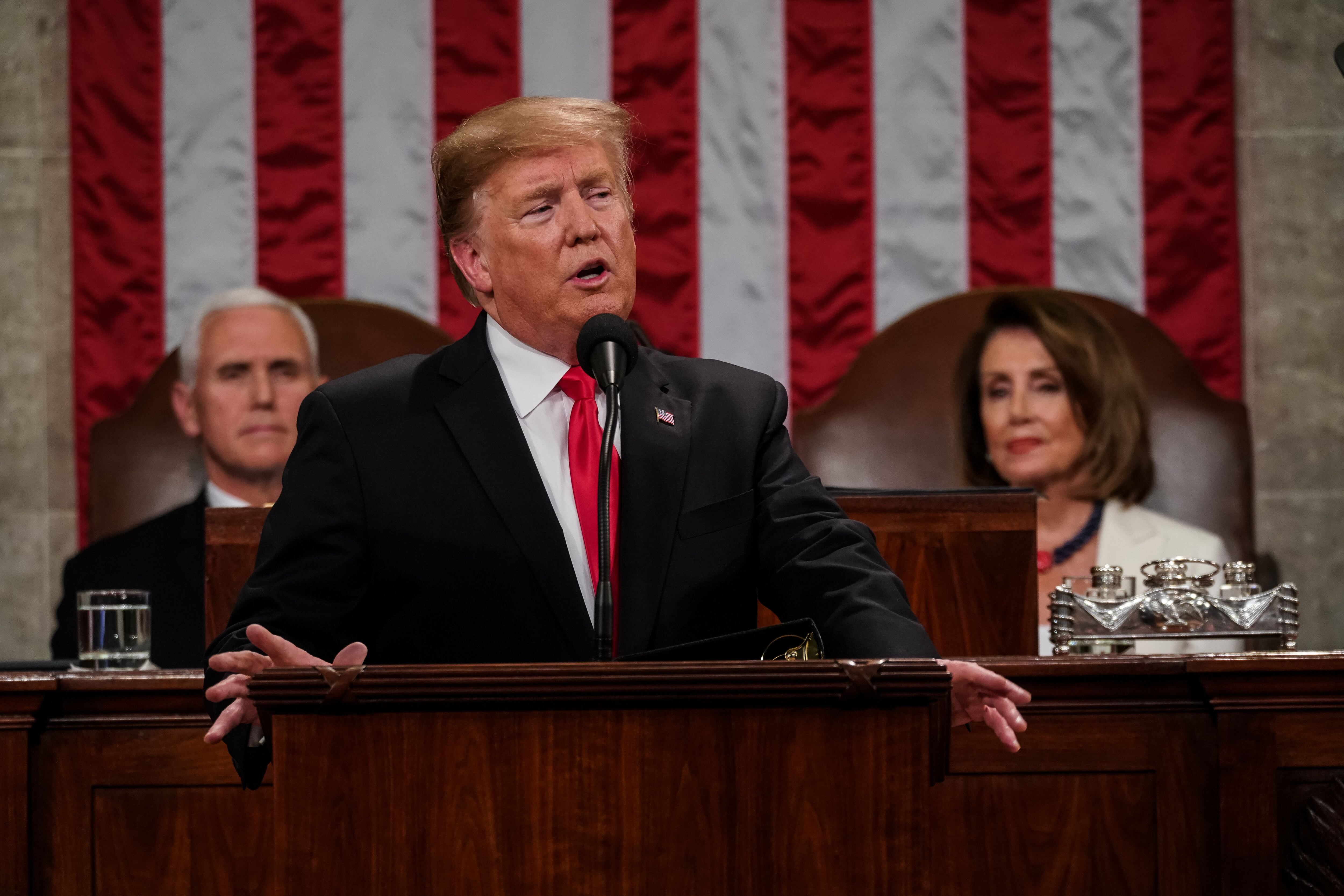
President Trump laid out his vision and for the second half of his term and took a victory lap in his annual address to the nation Tuesday night, saying "the state of our union is strong."
These are the headlines you Need 2 Know for Wednesday, Feb, 6, 2019.
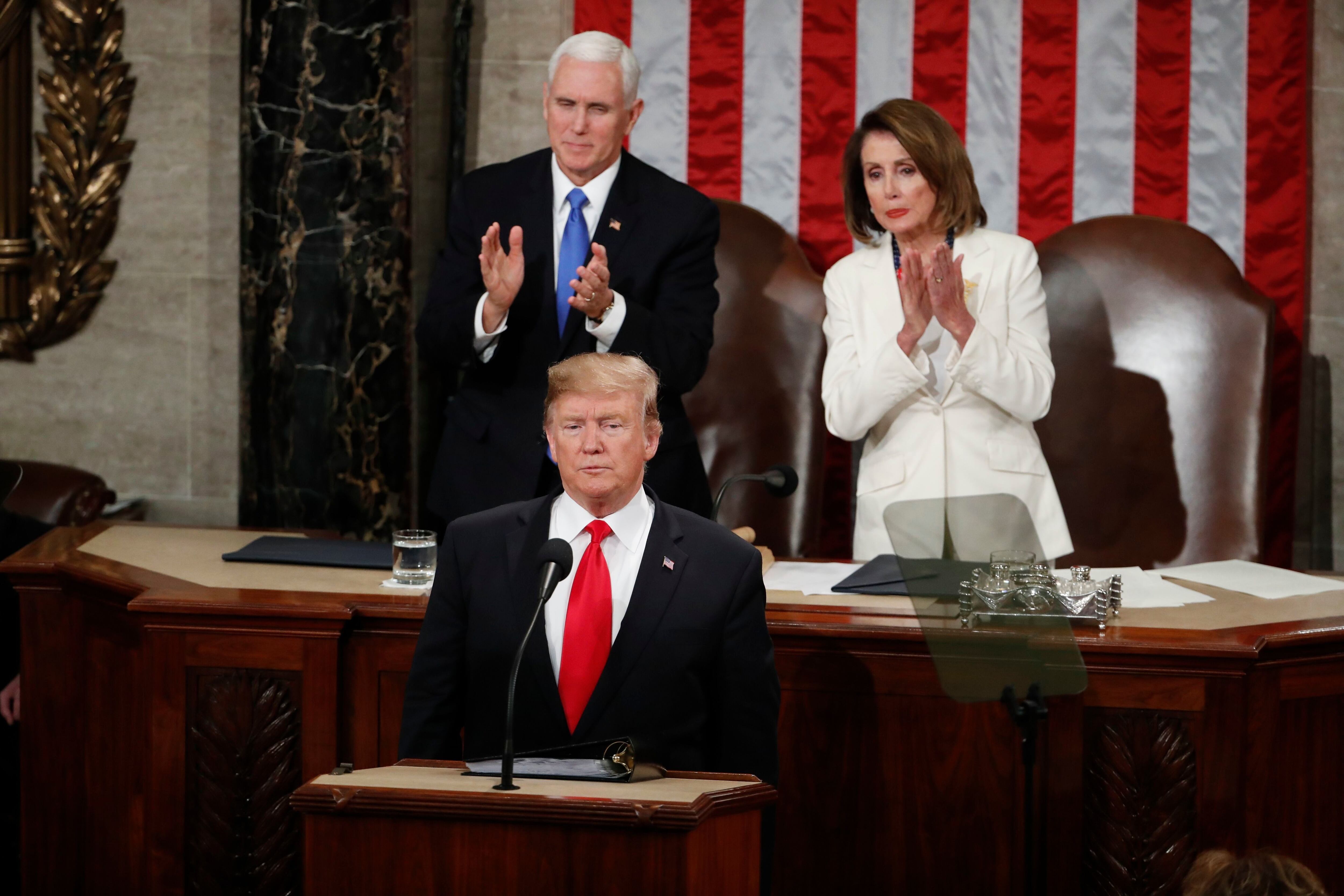
President Trump delivered his State of the Union address from the floor of the House Chamber of the U.S. Capitol on Tuesday night. In his speech, Trump touted the strength of the U.S. economy -- including gains for women, which were cheered by those on the chamber floor -- and called again for a border wall to prevent illegal immigration.