By Josh Boak
The Treasury Department said Monday that 39 million families are set to receive monthly child payments beginning on July 15.
The payments are part of President Joe Biden's $1.9 trillion coronavirus relief package, which expanded the child tax credit for one year and made it possible to pre-pay the benefits on a monthly basis. Nearly 88% of children are set to receive the benefits without their parents needing to take any additional action.
“This tax cut sends a clear and powerful message to American workers, working families with children: Help is here,” Biden said in remarks at the White House.
Qualified families will receive a payment of up to $300 per month for each child under 6 and up to $250 per month for children between the ages of 6 and 17. The child tax credit was previously capped at $2,000 and only paid out to families with income tax obligations after they filed with the IRS.
But for this year, couples earning $150,000 or less can receive the full payments on the 15th of each month, in most cases by direct deposit. The benefits total $3,600 annually for children under 6 and $3,000 for those who are older. The IRS will determine eligibility based on the 2019 and 2020 tax years, but people will also be able to update their status through an online portal. The administration is also setting up another online portal for non-filers who might be eligible for the child tax credit.
The president has proposed an extension of the increased child tax credit through 2025 as part of his $1.8 trillion families plan. Outside analysts estimate that the payments could essentially halve child poverty. The expanded credits could cost roughly $100 billion a year.
Updated on May 17, 2021, at 2:06 p.m. ET with the latest details.
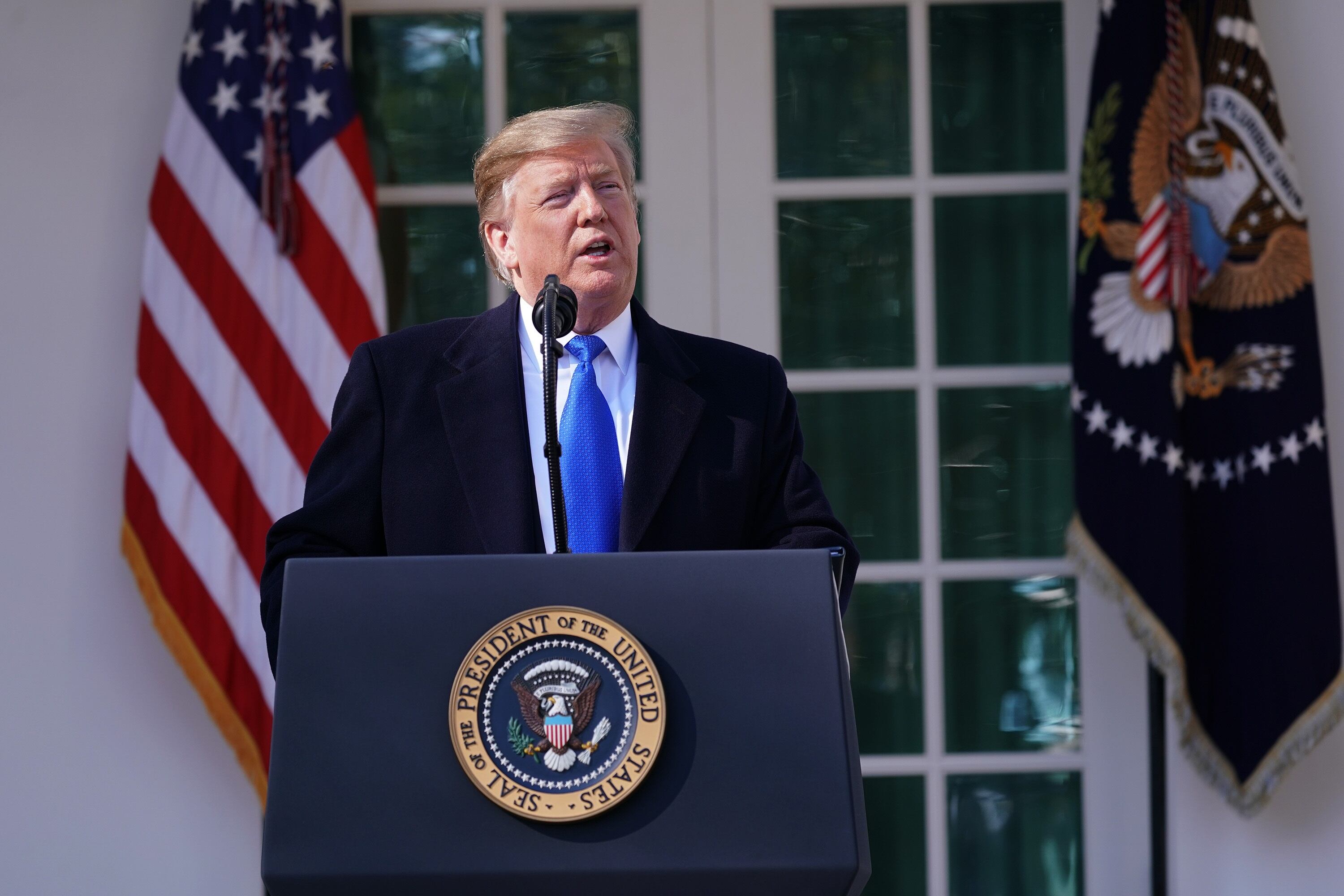
The National Emergencies Act of 1976 was passed in an attempt to regulate the president's ability to declare open-ended national emergencies. The point of the law, commentators said at the time, was to give Congress the power of oversight on matters of national urgency. It is perhaps ironic then that President Trump announced he will, under the provisions of that law, declare a national emergency as a way to circumvent Congress and build a border wall.
These are the headlines you Need 2 Know for Friday, Feb, 15, 2019.
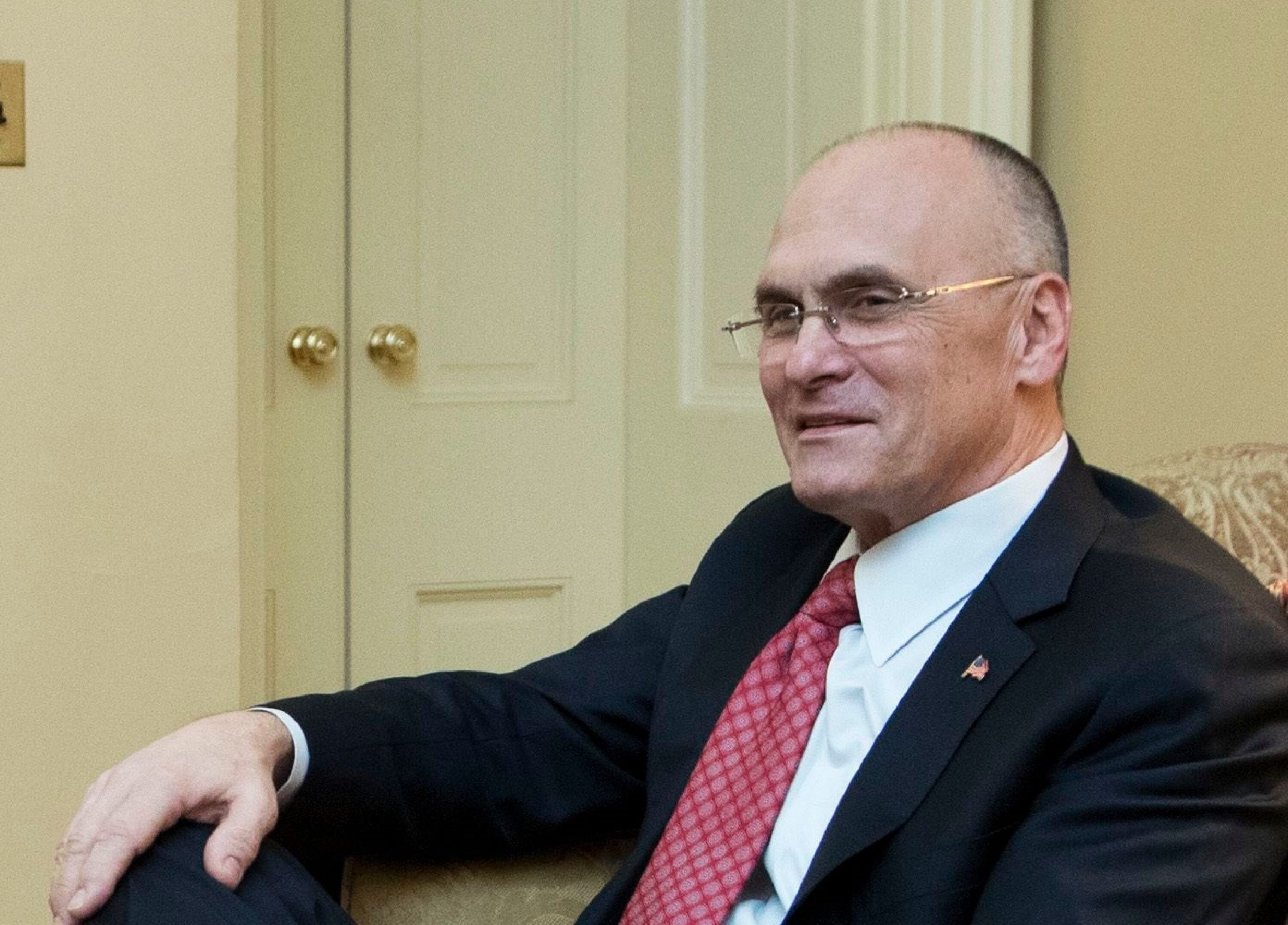
Amazon's decision to pull its new HQ2 out of New York City is very bad for the city ー and a sign that the home of Wall Street is falling victim to anti-business attitudes, according to former CKE Restaurants CEO Andy Puzder. "I think it's a hit to the New York economy. New York is a big city, it's a strong city, but it used to be the home to capitalism. Now it's coming under some of these socialist policies and it's going to lose companies like Amazon ($AMZN)," Puzder told Cheddar on Thursday.
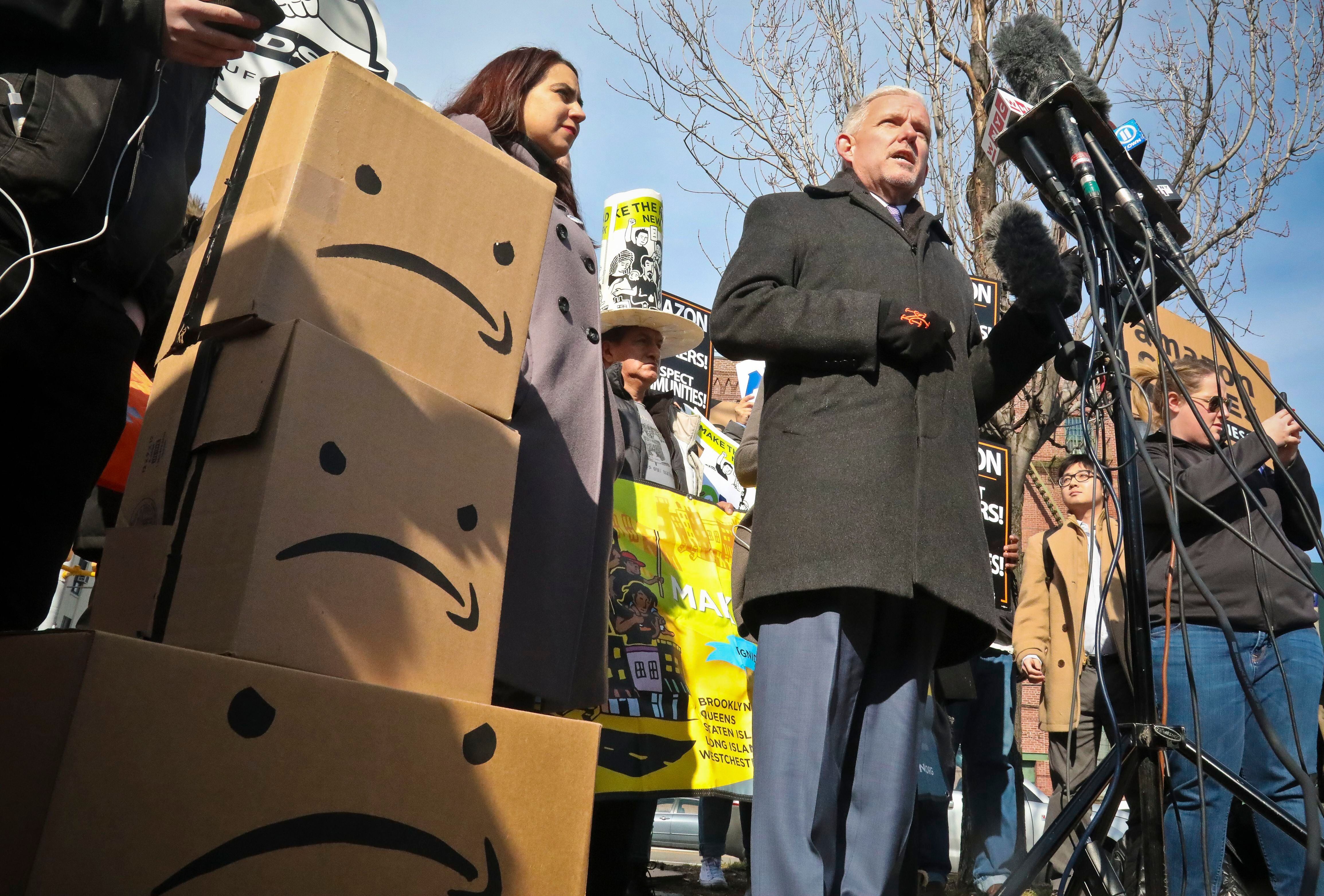
Amazon has backed out of its plan to build a second headquarters in Queens, New York. The abrupt decision shocked even those who opposed Amazon's planned expansion in Long Island City. Cheddar spoke with Jimmy Van Bramer, deputy leader of the New York City Council.
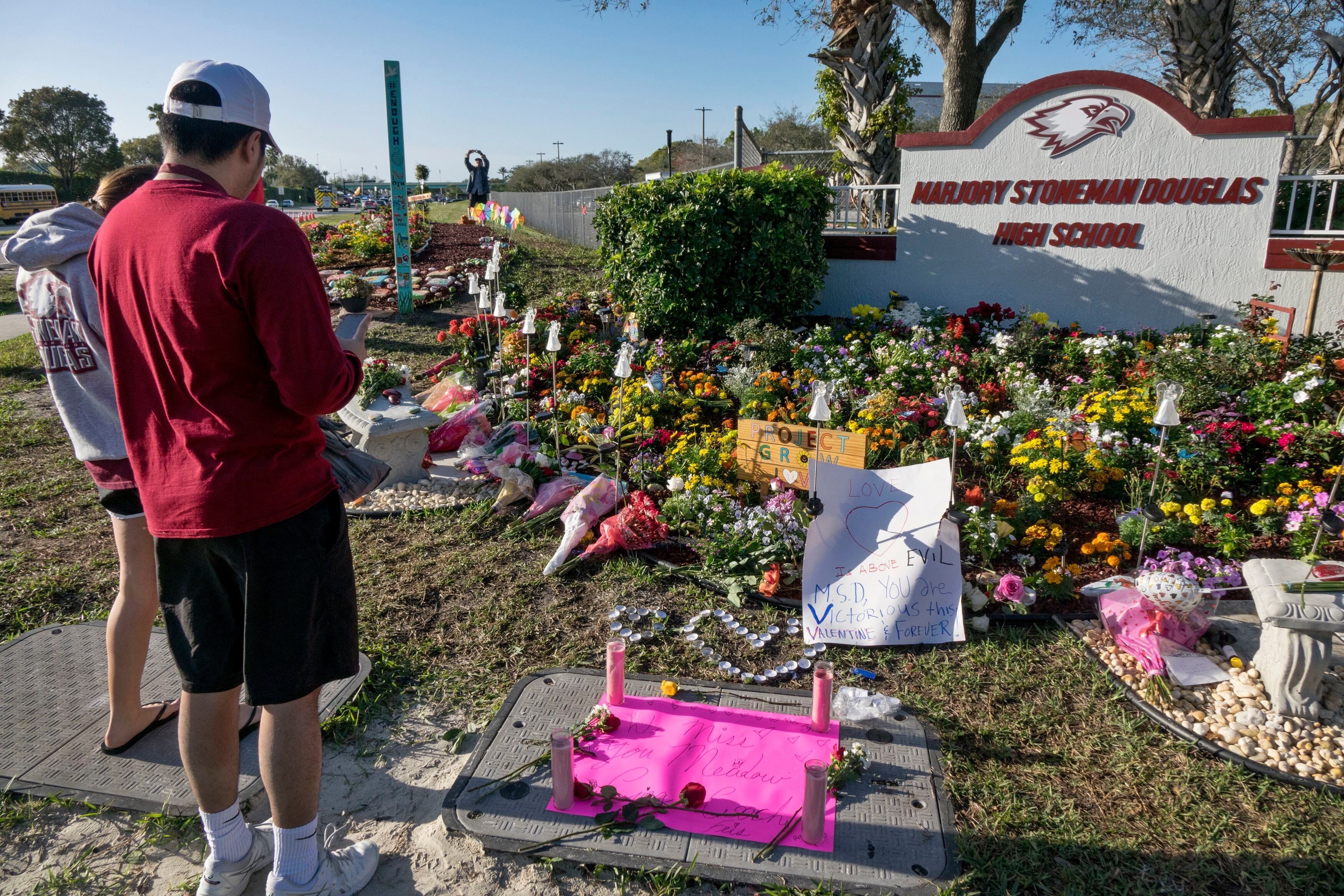
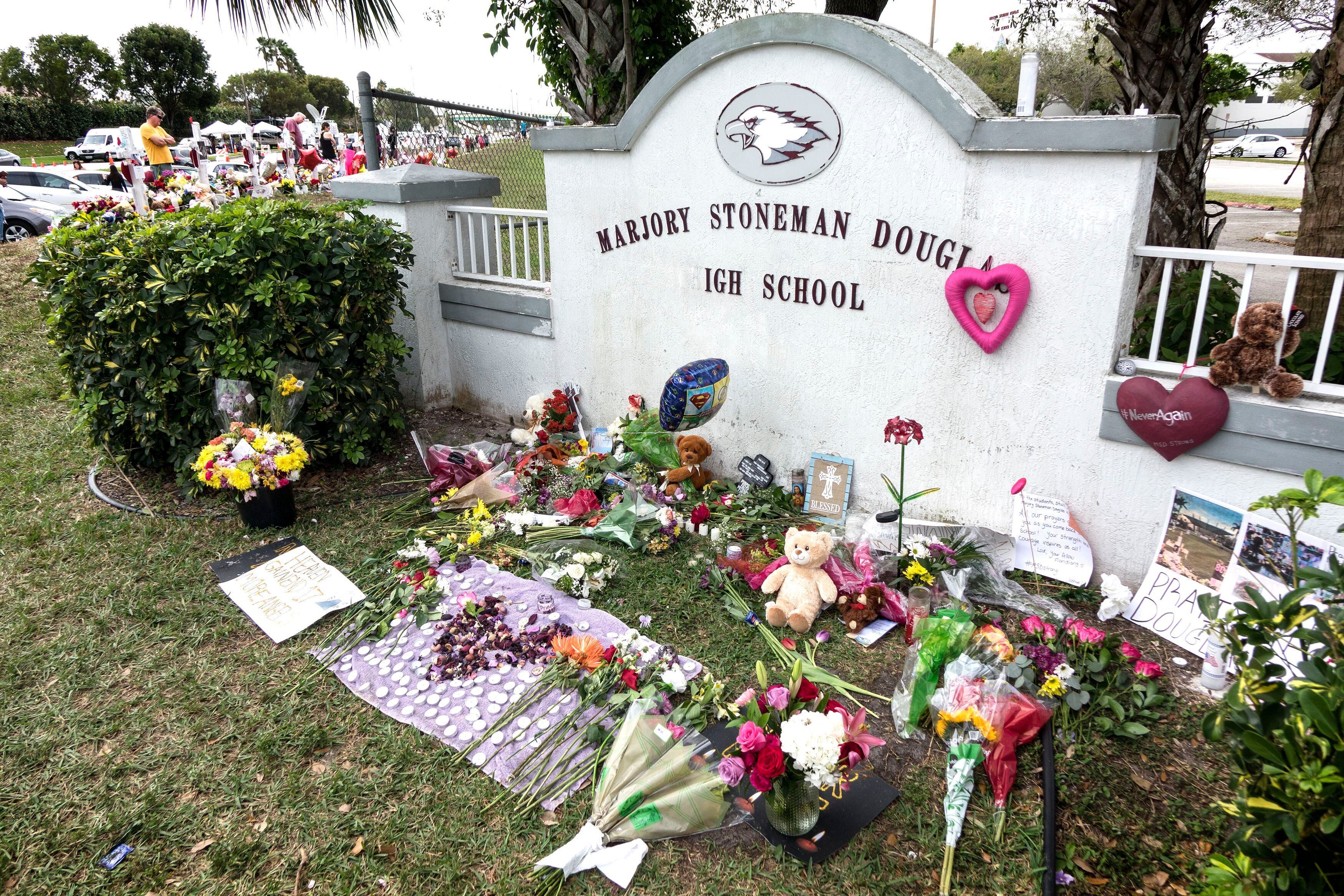
A day before the anniversary of the Parkland shooting, a massacre that re-framed the debate over gun control as a defining cause of Gen Z, Congress advanced its first piece of gun legislation in decades. Rep. Debbie Mucarsel-Powell, a newly elected Democrat from a Parkland-adjacent district who sits on that committee, discussed the victory with Cheddar.
These are the headlines you Need 2 Know for Thursday, Feb. 14, 2019.
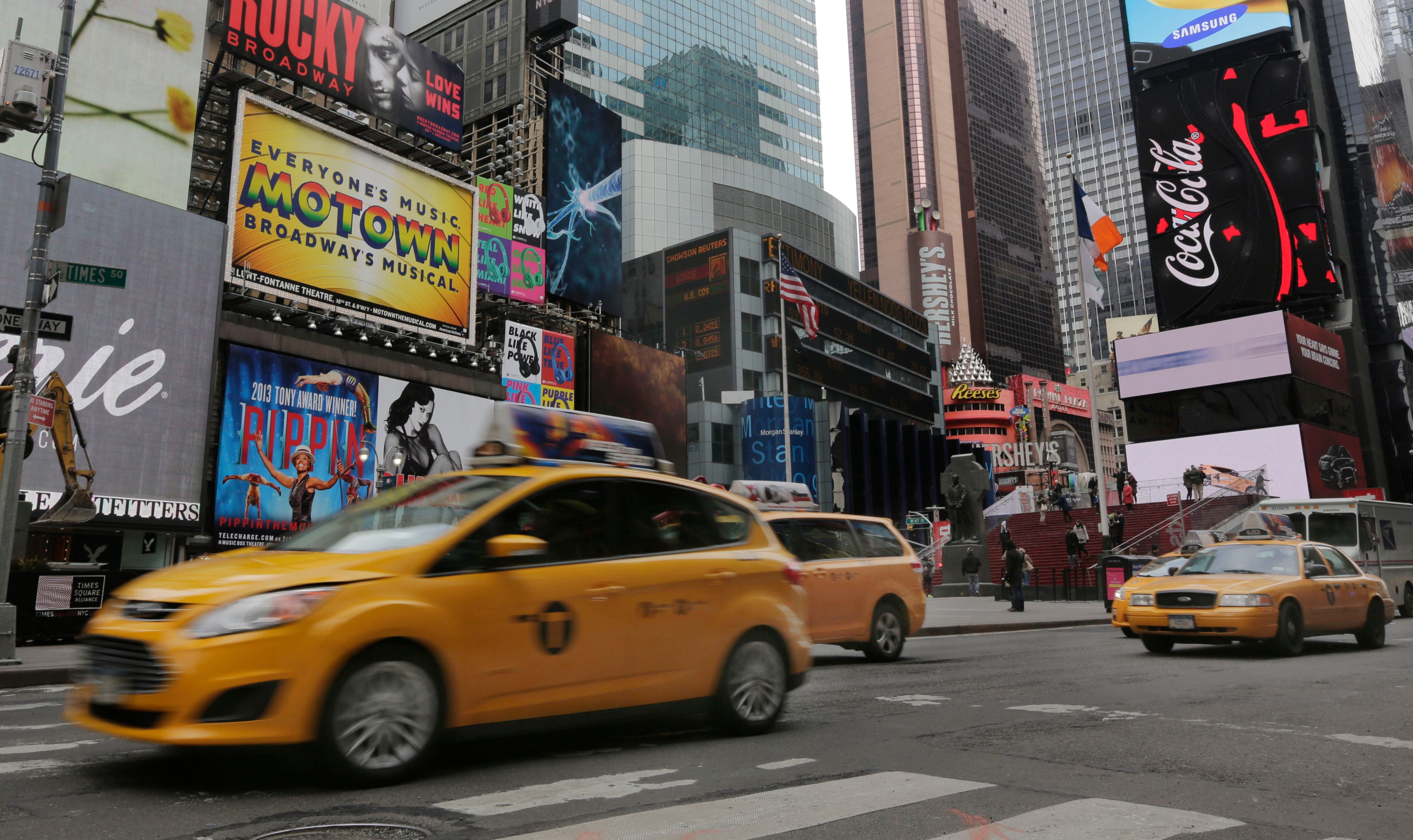
Catching a ride in New York just got more expensive, and passengers aren't the only ones complaining. "It's a problem for the drivers," Aleksey Medvedovskiy, the president of NYC Taxi Group, told Cheddar Wednesday. "It's a problem for the general public."
These are the headlines you Need 2 Know for Wednesday Feb. 13, 2019.
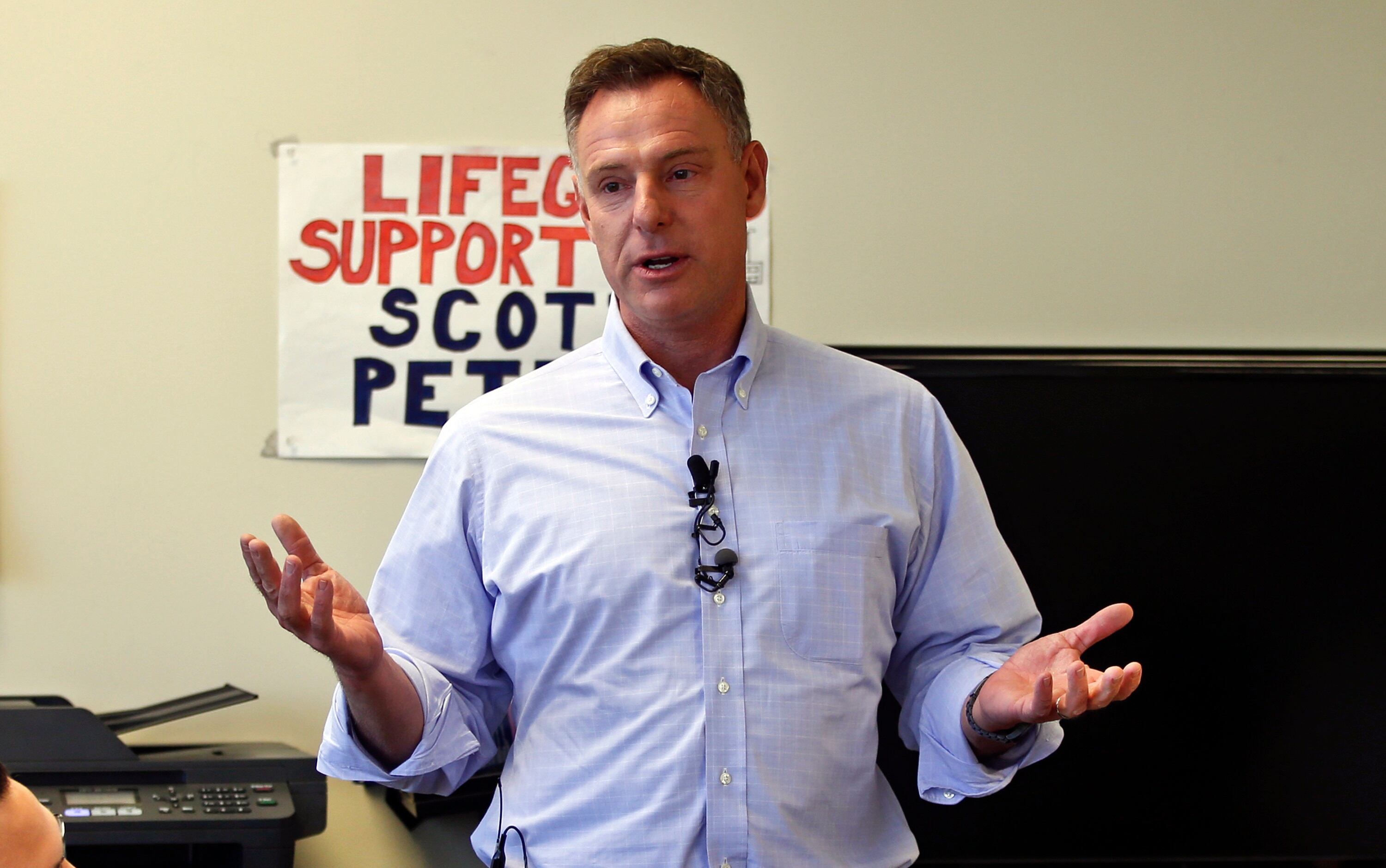
The daunting task of paying back astronomical student loans may soon be less taxing, California Congressman Scott Peters tells told Cheddar Tuesday. Rep. Peters (D-Calif.) has received 99 co-sponsors on his bipartisan Employer Participation in Repayment Act, which would allow employers to contribute to their employees' student loan payments, tax-free.
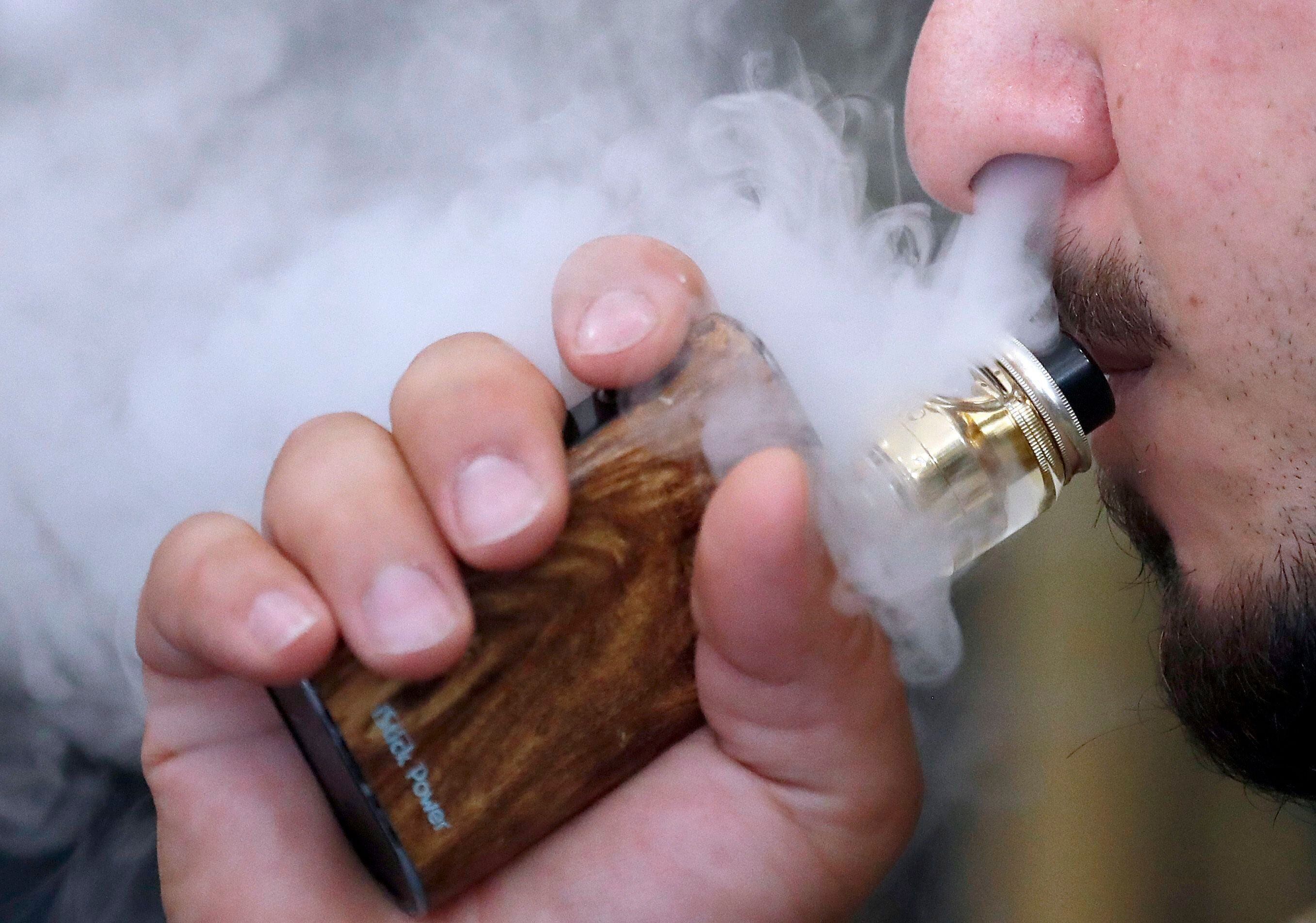
The shocking rise in teen vaping is a public health crisis that the FDA has been slow to address, according to a nationally recognized cardiologist. Dr. Kevin Campbell, who is also CEO of Pace Mate, a digital cardiac monitoring service, said the recent study from the CDC that linked vaping to a spike in teen tobacco use shows that more serious steps need to be take. The first step? Get rid of the flavored nicotine "pods," which Campbell said are acting as a gateway for teenage beginner vapers to get hooked on nicotine.