By Josh Boak
The Treasury Department said Monday that 39 million families are set to receive monthly child payments beginning on July 15.
The payments are part of President Joe Biden's $1.9 trillion coronavirus relief package, which expanded the child tax credit for one year and made it possible to pre-pay the benefits on a monthly basis. Nearly 88% of children are set to receive the benefits without their parents needing to take any additional action.
“This tax cut sends a clear and powerful message to American workers, working families with children: Help is here,” Biden said in remarks at the White House.
Qualified families will receive a payment of up to $300 per month for each child under 6 and up to $250 per month for children between the ages of 6 and 17. The child tax credit was previously capped at $2,000 and only paid out to families with income tax obligations after they filed with the IRS.
But for this year, couples earning $150,000 or less can receive the full payments on the 15th of each month, in most cases by direct deposit. The benefits total $3,600 annually for children under 6 and $3,000 for those who are older. The IRS will determine eligibility based on the 2019 and 2020 tax years, but people will also be able to update their status through an online portal. The administration is also setting up another online portal for non-filers who might be eligible for the child tax credit.
The president has proposed an extension of the increased child tax credit through 2025 as part of his $1.8 trillion families plan. Outside analysts estimate that the payments could essentially halve child poverty. The expanded credits could cost roughly $100 billion a year.
Updated on May 17, 2021, at 2:06 p.m. ET with the latest details.
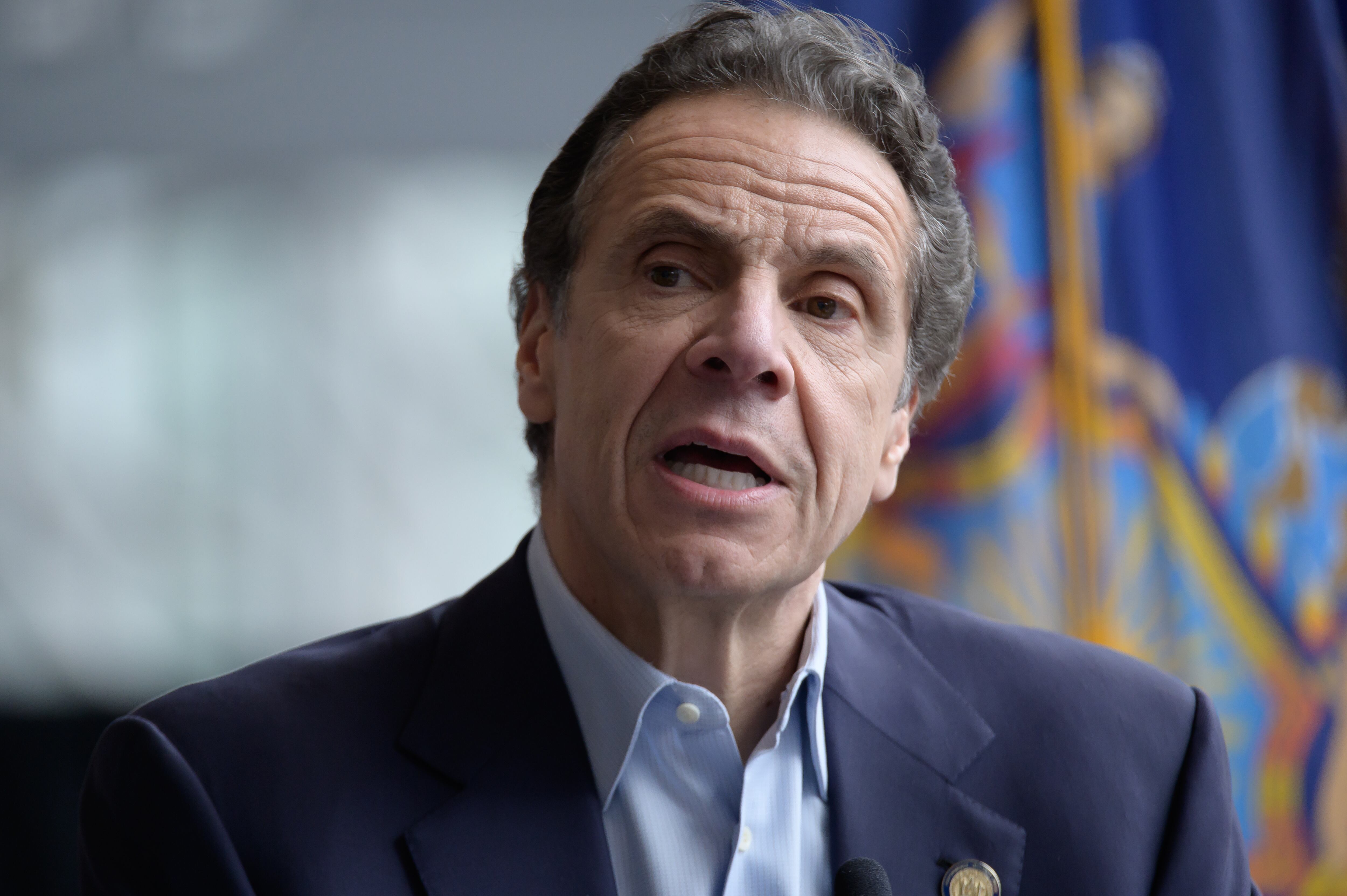
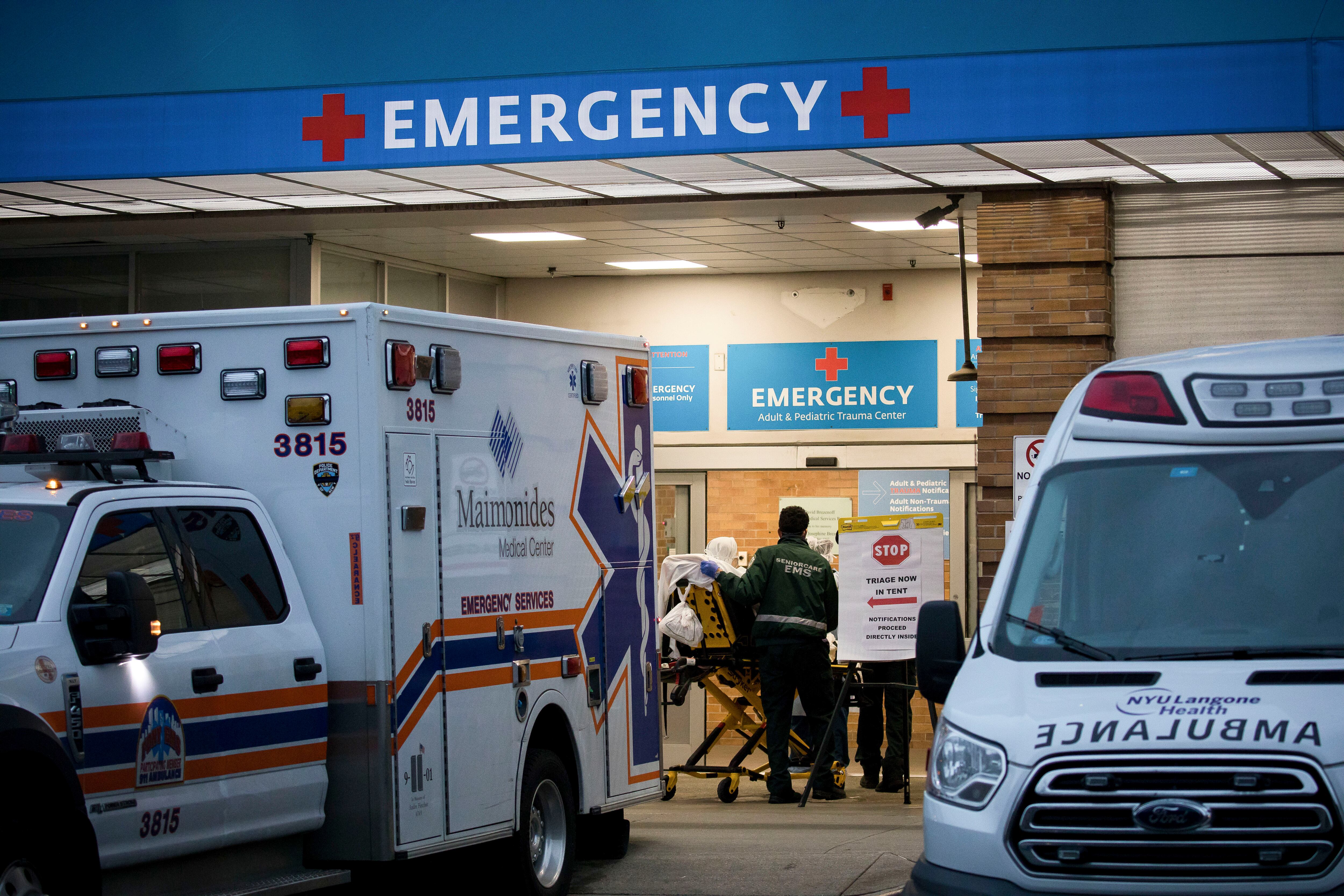
During a Wednesday press conference, New York Gov. Andrew Cuomo said social distancing will be key to making sure state hospitals can handle the apex of cases expected in late April.
Tal Cohen, executive vice president and head of Nasdaq's North American Markets, told Cheddar Wednesday that the markets are beginning to grasp how to function during the outbreak.
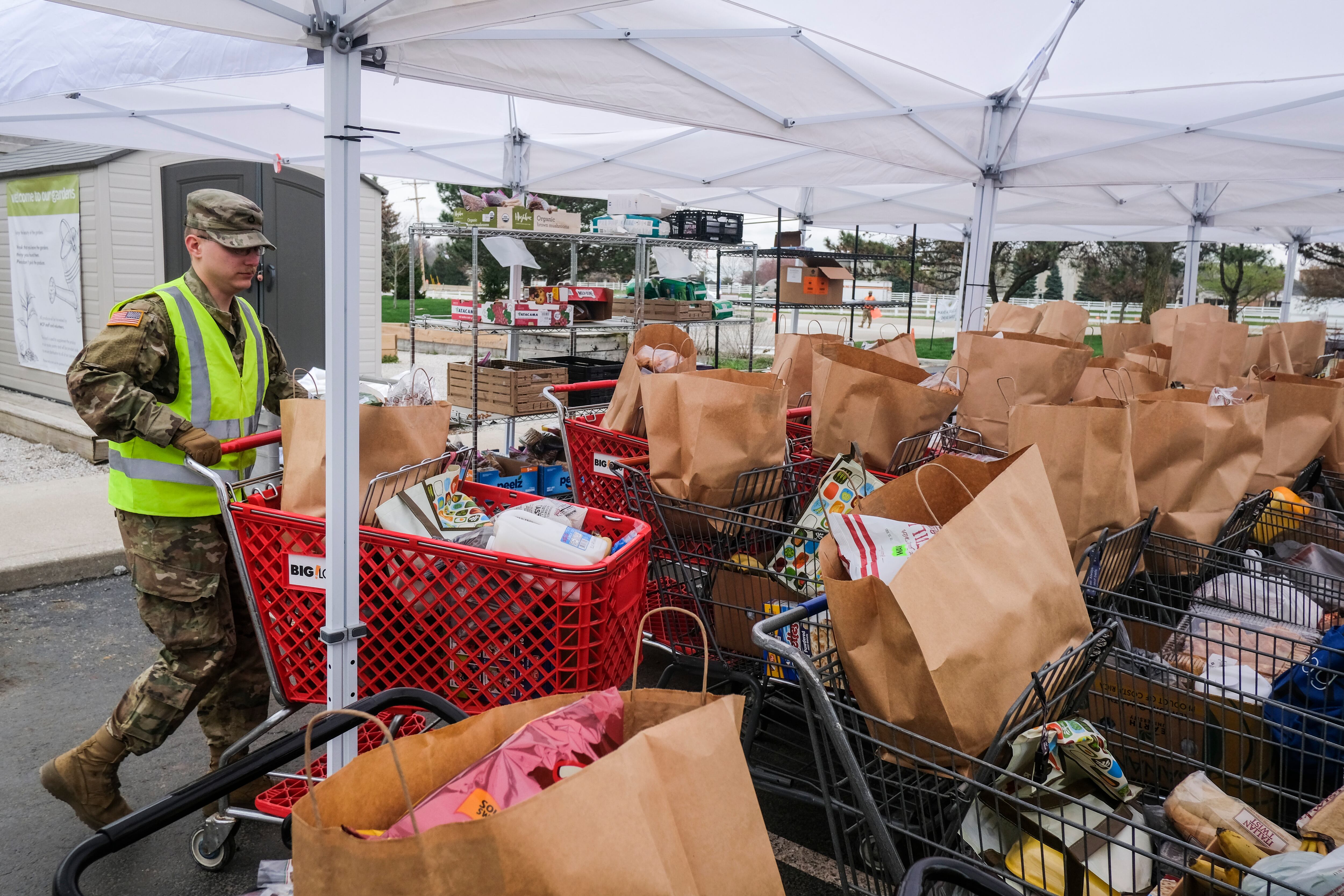
Sabine Altendorf of the Food and Agriculture Organization of the United Nations warned that while so far the impact of the rapidly evolving crisis on food supply has been limited, it could change drastically.
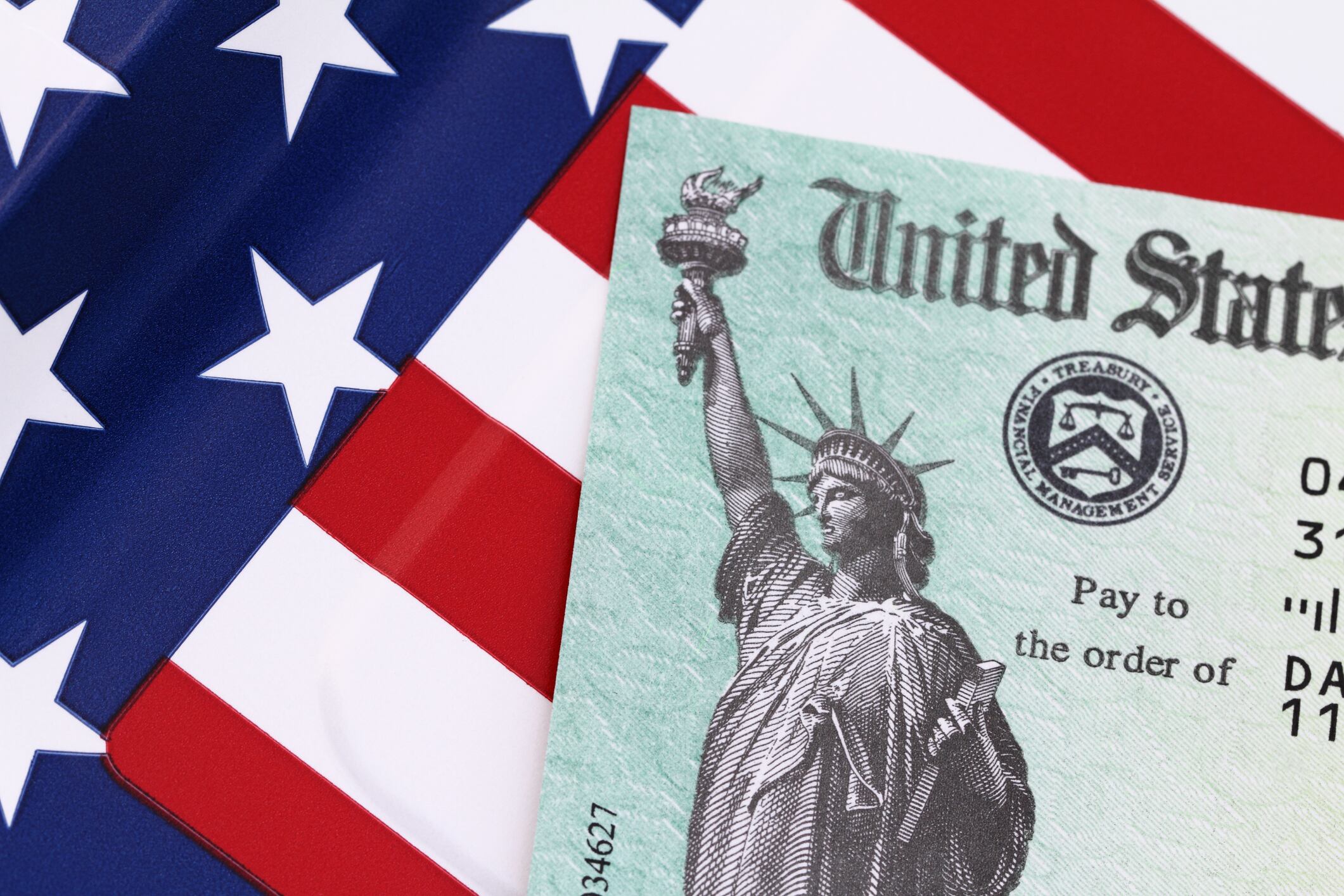
Coronavirus stimulus checks are going to be distributed in the next three weeks, the Internal Revenue Service said Monday, and offered a little bit more clarity on how people can actually get their payments.
Stocks are sinking again on Wall Street as more signs piled up of the economic and physical pain being caused by the coronavirus outbreak.
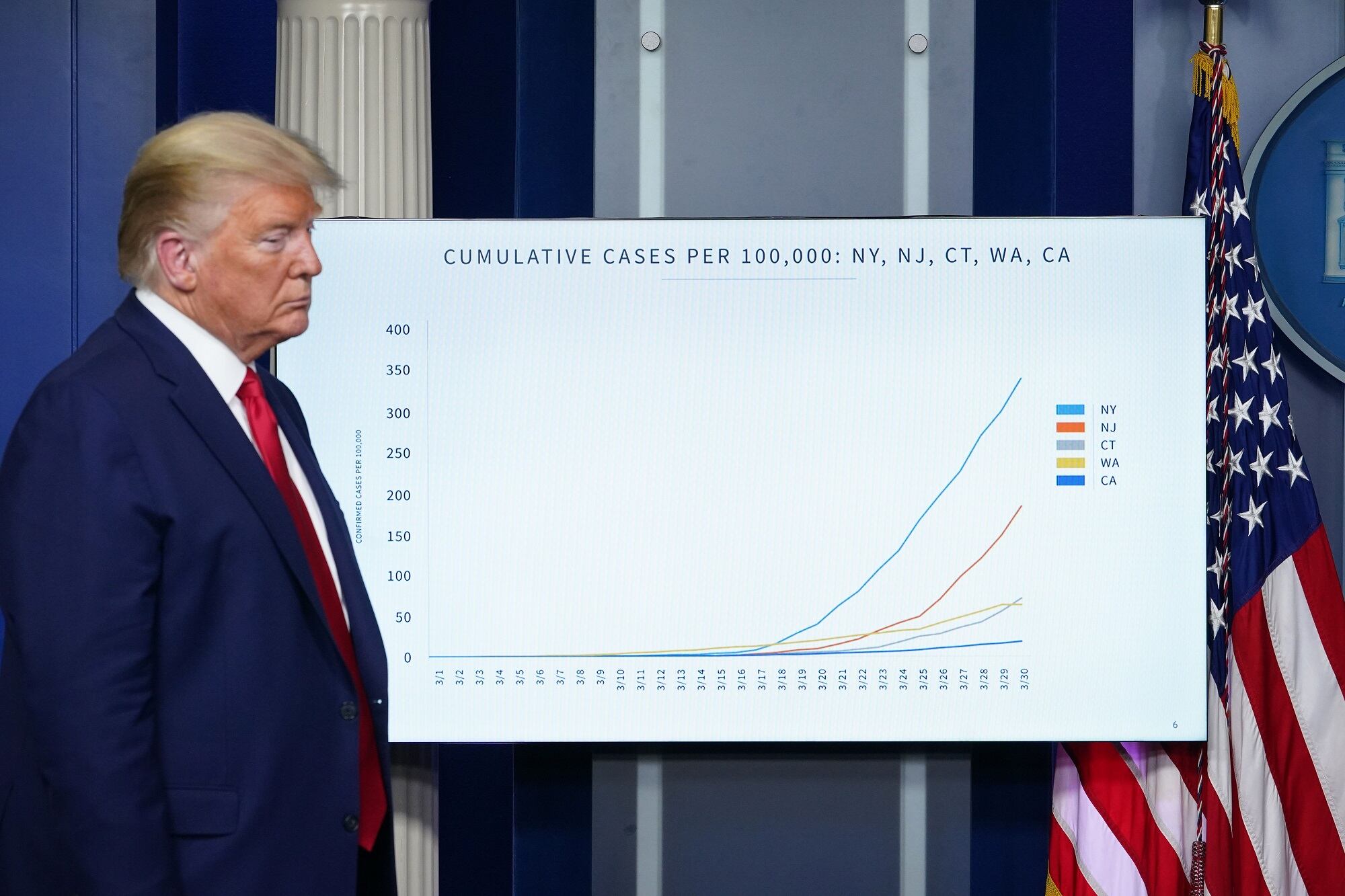
President Donald Trump on Tuesday warned Americans to brace for a “rough two-week period” ahead as the White House released new projections that there could be 100,000 to 240,000 deaths in the U.S. from the coronavirus pandemic even if current social distancing guidelines are maintained.
As some see promising returns from California’s early shelter in place orders, Governor Gavin Newsom announced Tuesday a growing number of cases and hospitalizations in the state as a record number of Californians file for unemployment.
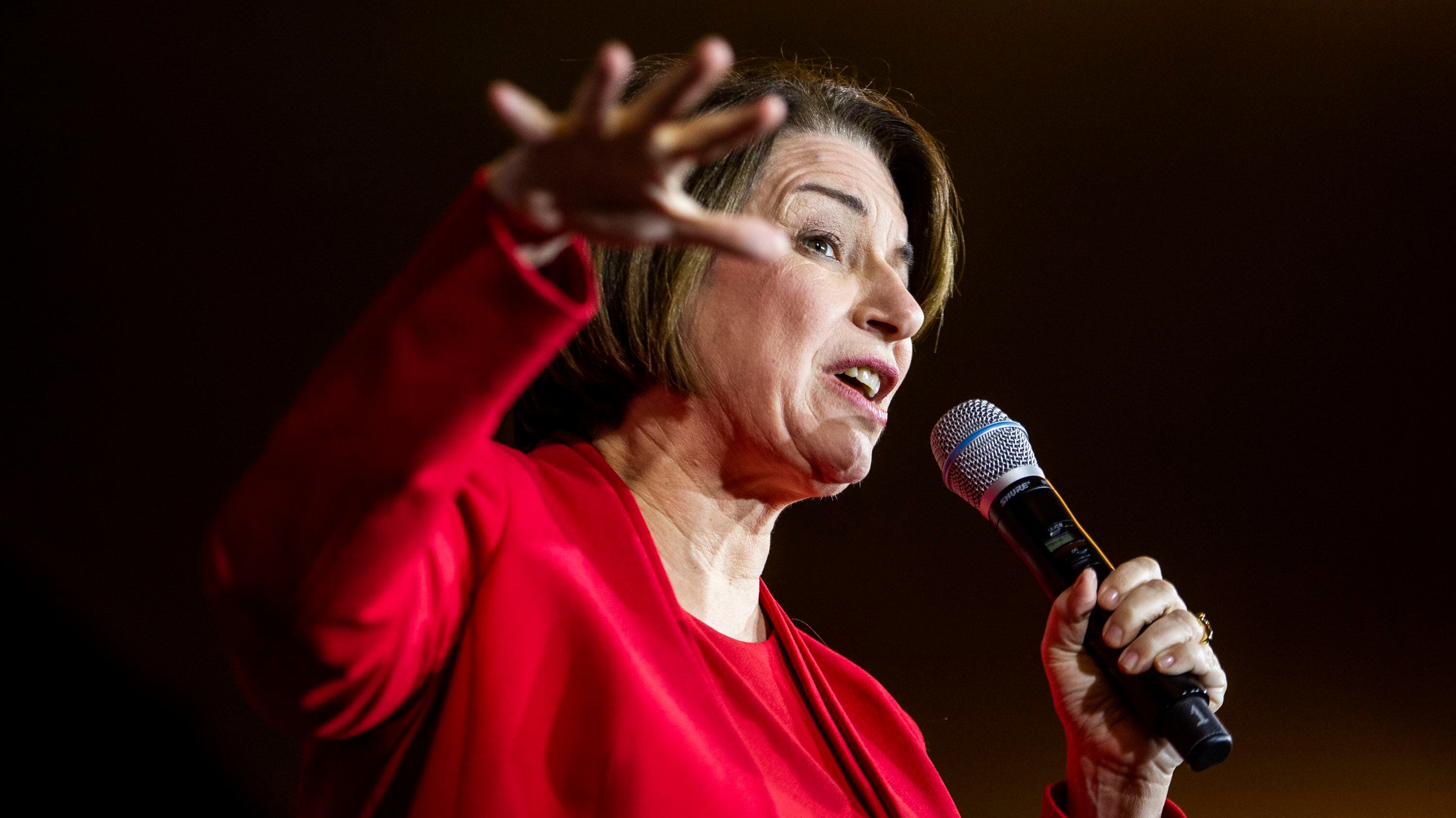
Senator Amy Klobuchar told Cheddar on Tuesday that Americans need cash from canceled flights to provide immediate relief, but airline executives have not responded to the call.
Parsing the data from around the world is showing a stark difference in how the COVID-19 pandemic is impacting mortality and socioeconomic suffering along gender lines.
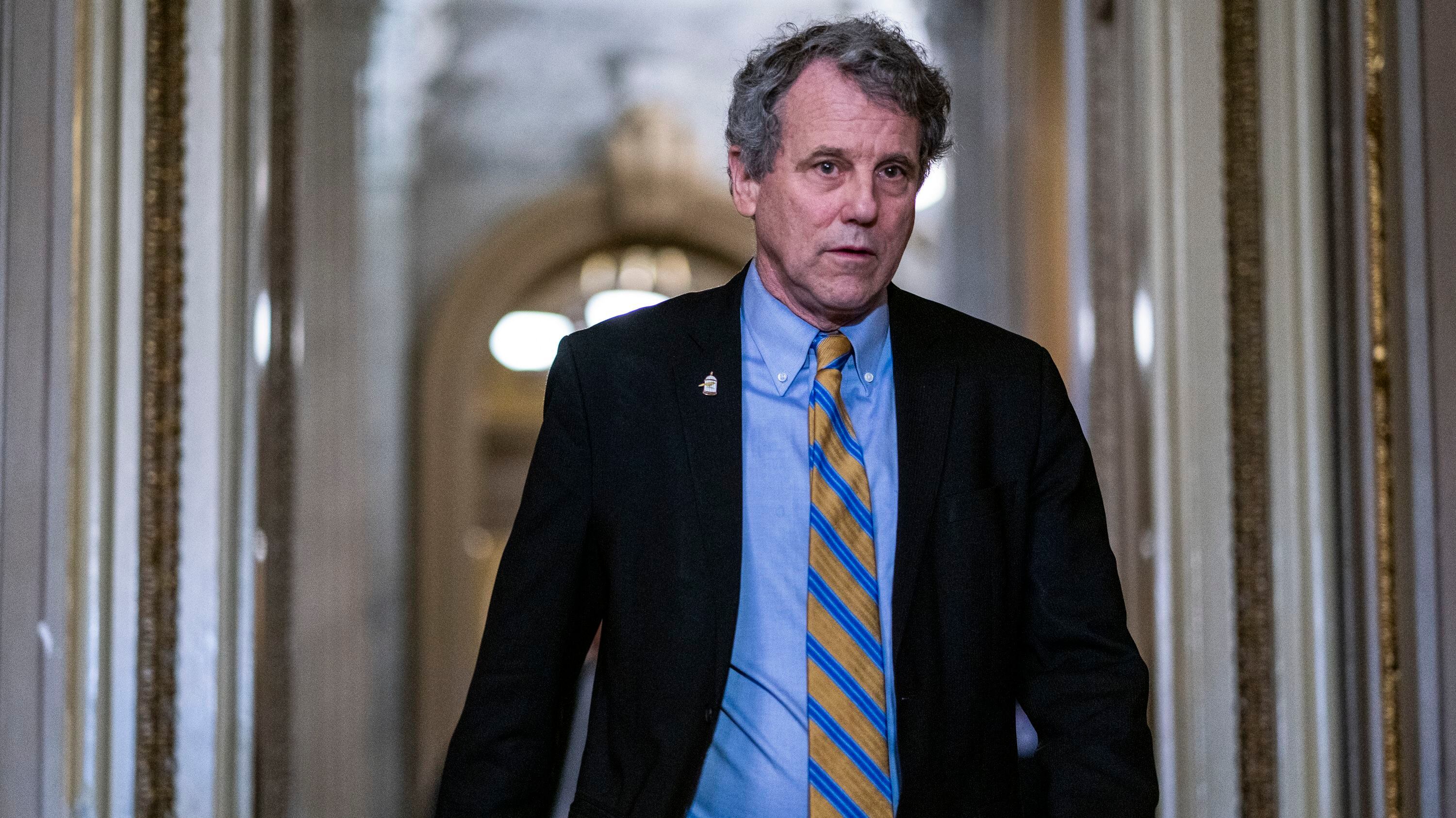
Ohio Senator Sherrod Brown is pushing forward with his proposal to provide a $10,000 payoff to all federal student loan borrowers in the next round of stimulus funding.