The Treasury Department said Monday that 39 million families are set to receive monthly child payments beginning on July 15.
The payments are part of President Joe Biden's $1.9 trillion coronavirus relief package, which expanded the child tax credit for one year and made it possible to pre-pay the benefits on a monthly basis. Nearly 88% of children are set to receive the benefits without their parents needing to take any additional action.
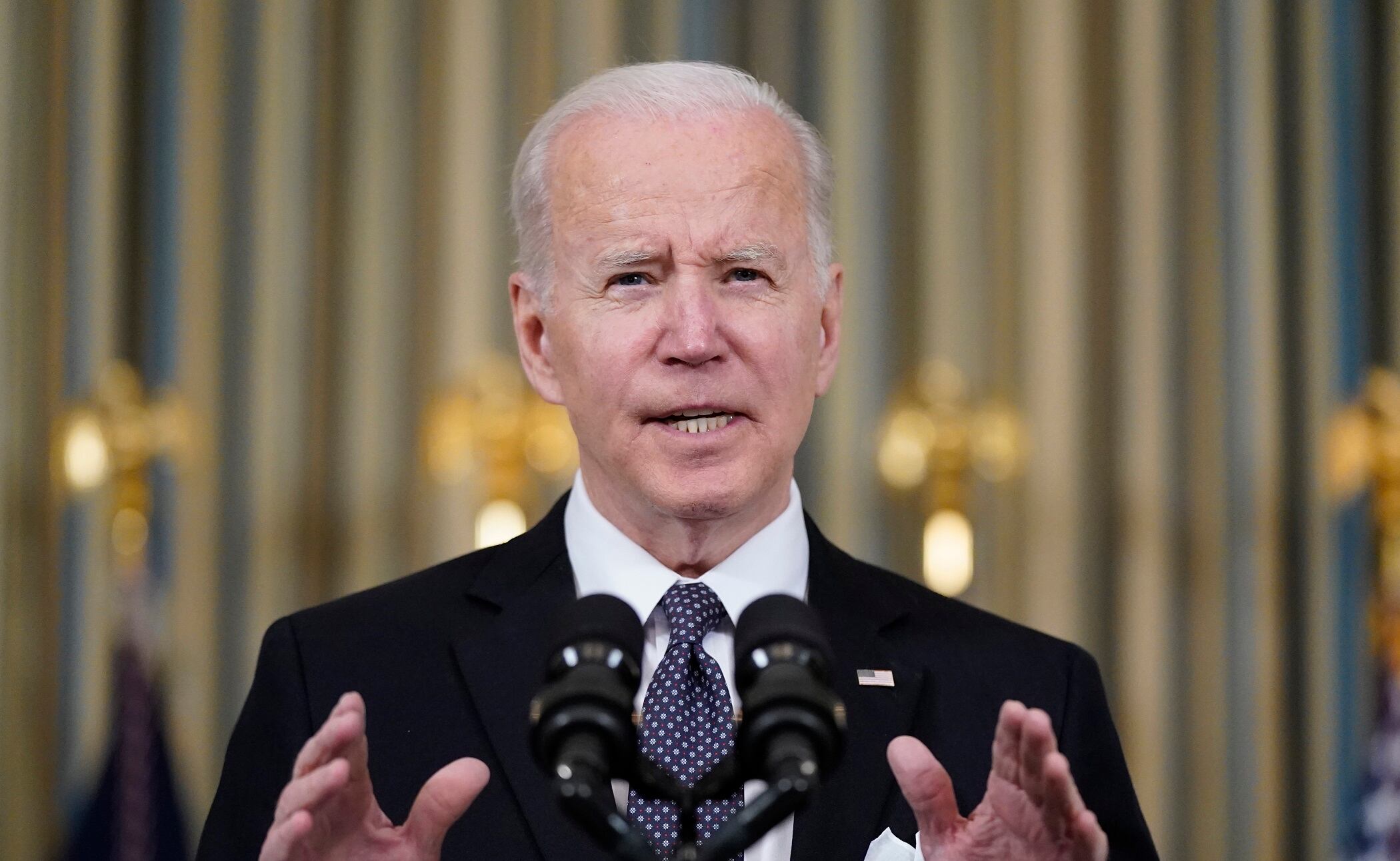
“This tax cut sends a clear and powerful message to American workers, working families with children: Help is here,” Biden said in remarks at the White House.
Qualified families will receive a payment of up to $300 per month for each child under 6 and up to $250 per month for children between the ages of 6 and 17. The child tax credit was previously capped at $2,000 and only paid out to families with income tax obligations after they filed with the IRS.
But for this year, couples earning $150,000 or less can receive the full payments on the 15th of each month, in most cases by direct deposit. The benefits total $3,600 annually for children under 6 and $3,000 for those who are older. The IRS will determine eligibility based on the 2019 and 2020 tax years, but people will also be able to update their status through an online portal. The administration is also setting up another online portal for non-filers who might be eligible for the child tax credit.
The president has proposed an extension of the increased child tax credit through 2025 as part of his $1.8 trillion families plan. Outside analysts estimate that the payments could essentially halve child poverty. The expanded credits could cost roughly $100 billion a year.
Updated on May 17, 2021, at 2:06 p.m. ET with the latest details.
State and county taxpayers will be asked to commit a record $850 million in public funds toward construction of the Buffalo Bills’ new stadium as part of a 30-year lease agreement.
As the war enters its second month, Russia may be changing course on its strategy in Ukraine. After suffering heavy losses, forces around the capital city of Kyiv appear to have stopped offensive operations and are now shifting their focus to taking over the south and east of the country. Terrell Starr, a foreign affairs reporter at The Atlantic Council, breaks down the latest from Kyiv. "Logistically this war has been a disaster. They have far more troops than [the] Ukrainian army has. What they don't have is good planning. The planning has been incredibly poor," he said.
Catching you up on what you Need to Know on Mar 28, 2022, with peace talks resuming in Ukraine as early as today, Colorado wildfires causing evacuations, Shanghai, China, ramping up restrictions once again, the Oscars debacle between Will Smith and Chris Rock, and more.
Volatility continues to be the name of the game when it comes to crypto. Bitcoin, the most valuable digital token, saw a small jump today - one of several small rallies throughout the month of March. Caitlin Cook, vice president of crypto education company Onramp Academy, joins Cheddar News' Closing Bell to discuss.
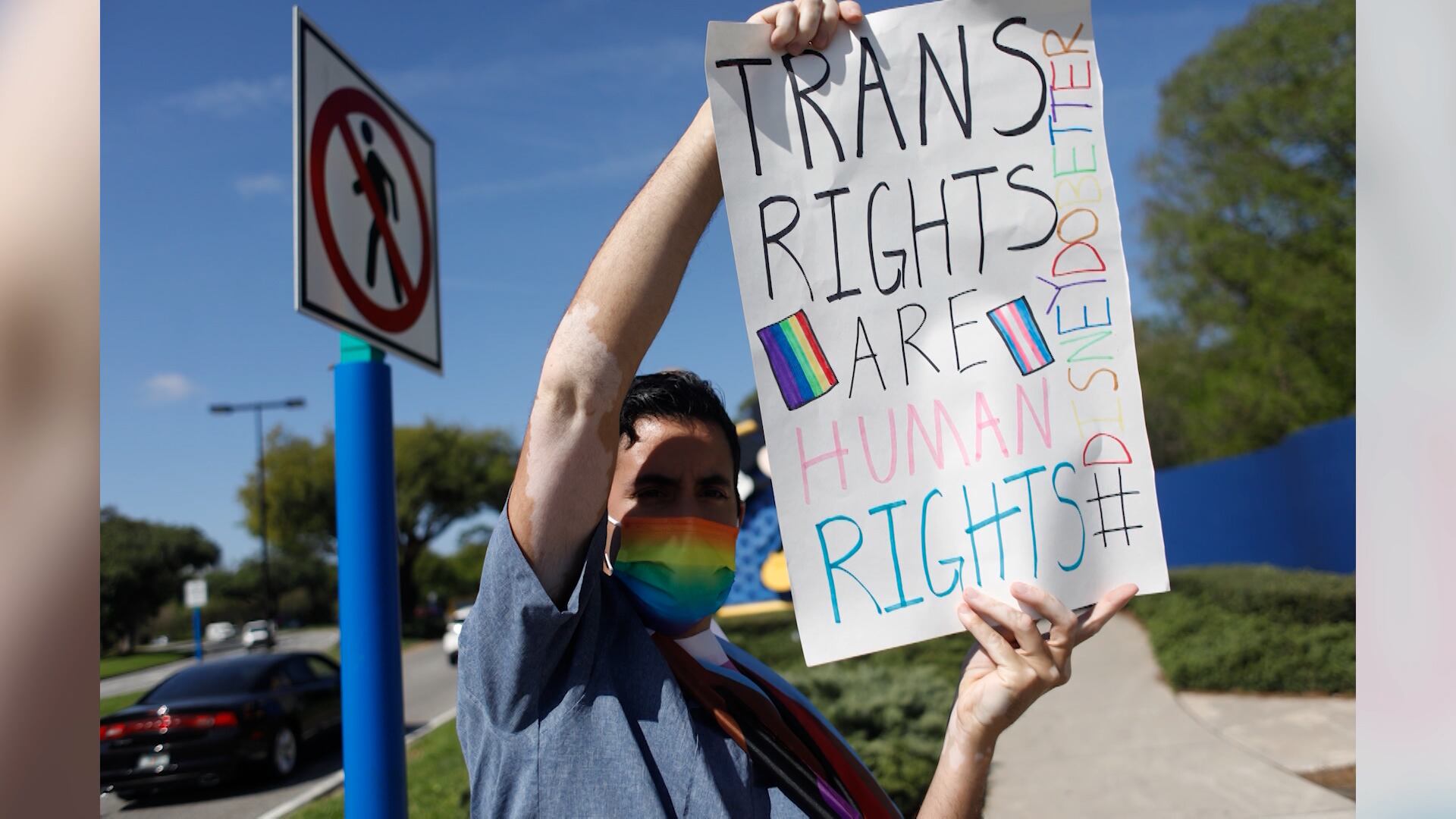
As of March 2022, almost 200 Anti-LGBT+ bills have been introduced in state governments across the country — especially directed at the transgender community. Human Rights Campaign State Legislative Director and Senior Counsel Cathryn Oakley joined Cheddar News to discuss the deluge of legislation. "Unfortunately we are seeing these bills come at transgender youth from every conceivable direction," she said. "Every support that a trans kid has, whether that's their parents, whether that's their family, whether that's their teachers or their guidance counselors or their coaches, whether it's their teammates or the librarians and the books that they read, whether it's curriculum, whether it's even just the ability to acknowledge that LGBTQ people have existed throughout history and are important in the fabric of modern American society. The bills that we are seeing filed across the country are targeting all of those pieces."
President Volodymyr Zelenskyy last week seemed to have put out a video that urged Ukrainians to put down their arms and surrender to Russia. It was later revealed that it was a “deepfake,” a computer-generated video to mimic the Ukrainian leader. Cheddar News speaks with security expert Morgan Wright about how the technology is being used in the war in Ukraine.