By Matthew Daly
States and Native American tribes will have greater authority to block energy projects such as natural gas pipelines that could pollute rivers and streams under a final rule issued Thursday by the Biden administration.
The rule, which takes effect in November, reverses a Trump-era action that limited the ability of states and tribes to review pipelines, dams and other federally regulated projects within their borders. The Environmental Protection Agency says the new regulation will empower local authorities to protect rivers and streams while supporting infrastructure projects that create jobs.
“We actually think this is going to be great for the country,'' said Radhika Fox, assistant administrator for water. “It’s going to allow us to balance the Biden administration goals of protecting our water resources and also supporting all kinds of infrastructure projects that this nation so desperately needs.''
Fox did acknowledge at a briefing that the water rule will be significantly slimmed down from an earlier proposal because of a Supreme Court ruling that weakened regulations protecting millions of acres of wetlands. That ruling, in a case known as Sackett v. EPA, sharply limited the federal government’s jurisdiction over wetlands, requiring that wetlands be more clearly connected to other waters such as oceans and rivers. Environmental advocates said the May decision would strip protections from tens of millions of acres of wetlands.
Fox declined to offer a specific number of waterways that would no longer be protected. But she said the Sackett case "does limit pretty significantly the number of the waters that we expect to be (under federal jurisdiction) when those determinations are made'' by the Army Corps of Engineers.
The administration will work closely with states, tribes and territories on implementing the rule, "but again, what is jurisdictional and not jurisdictional is determined by these very case-specific reviews'' by the Corps, she said.
In a separate action last month, the Biden administration weakened regulations protecting millions of acres of wetlands, saying it had no choice after the high court ruling. The rule defining “Waters of the United States” marks a policy shift that departs from a half-century of federal rules governing the nation’s waterways.
The federal Clean Water Act allows states and tribes to review what effect pipelines, dams and some other federally regulated projects might have on water quality within their borders. The Trump administration sought to streamline fossil fuel development and made it harder for local officials to block projects.
The rule announced Thursday will shift power back to states, tribes and territories.
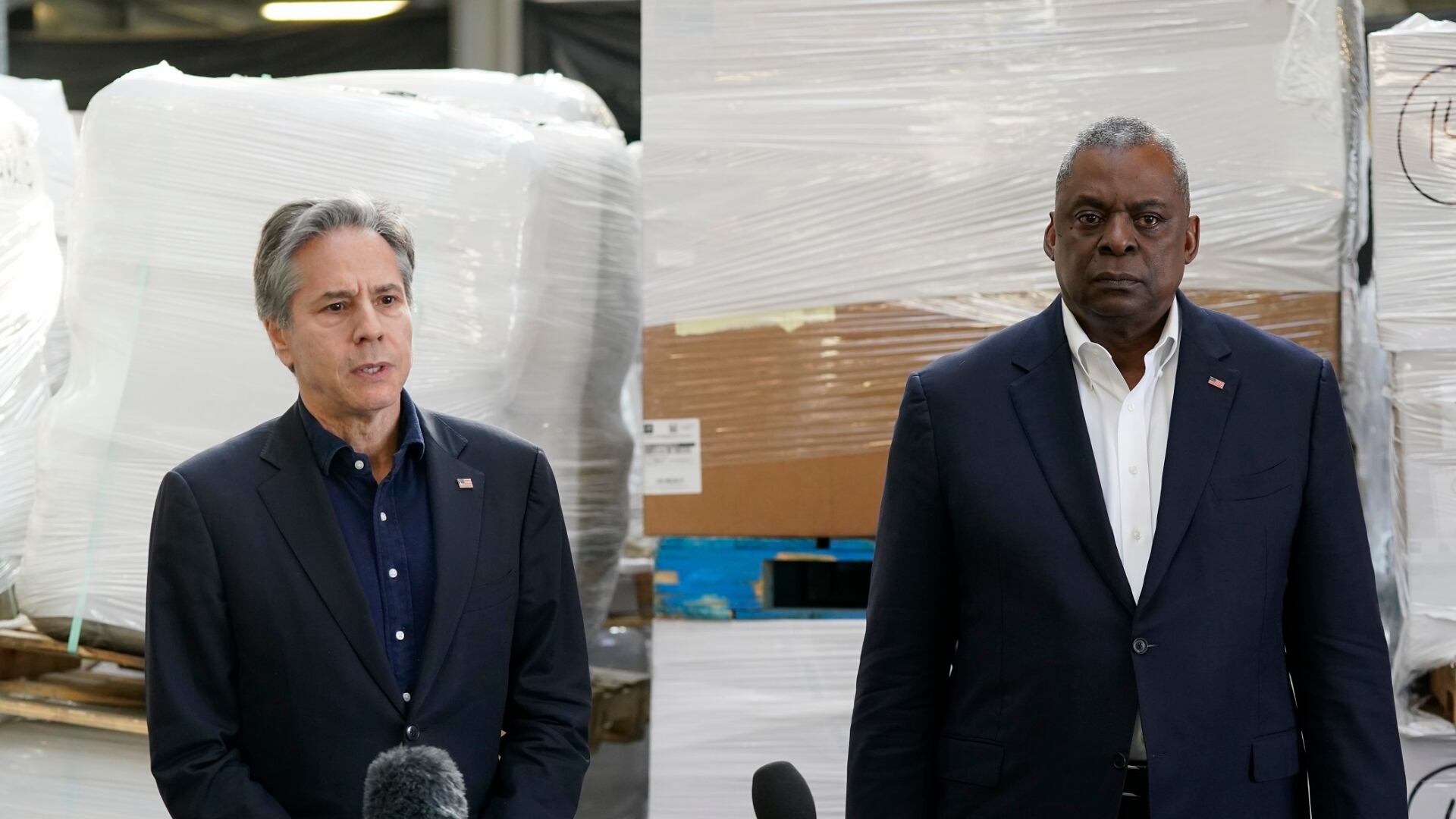
EPA Administrator Michael Regan said in a statement that the new rule affirms the authority of states, territories and tribes "to protect precious water resources while advancing federally permitted projects in a transparent, timely and predictable way.”
The rule allows states and tribes to work with federal agencies to determine the time frame for review — up to a maximum of one year — but provides a six-month default deadline if local authorities and the federal agency do not agree on a timeline.
The EPA has said states should have authority to look beyond pollution directly discharged into waterways and “holistically evaluate” the impact of a project on local water quality. The new rule gives local regulators more power to ensure they have the information they need before facing deadline pressure to issue or deny a permit, the EPA said.
Industry groups complained that a proposed rule issued last year could lead to unnecessary delays for a range of infrastructure projects, including pipelines, dams and bridges.
Former President Donald Trump had argued that states were improperly wielding the Clean Water Act to block needed fossil fuel projects.
New York, for example, has used its review authority to deny certain natural gas pipeline projects. Washington state refused to issue a permit for a coal export terminal in 2017.
In 2020, EPA officials said the Clean Water Act shouldn’t be used to hold infrastructure projects hostage and finalized its rule that curtailed state and tribal power.
The Trump rule was tossed by a federal judge in 2021, but a divided Supreme Court later reinstated it. The court’s three liberal justices and Chief Justice John Roberts dissented, saying supporters of the rule had not shown that they would be sufficiently harmed by the lower court’s ruling.