A road bisects a wetland on June 20, 2019, near Kulm, N.D. The Supreme Court has made it harder for the federal government to police water pollution. (AP Photo/Charlie Riedel, File)
By Matthew Daly
States and Native American tribes will have greater authority to block energy projects such as natural gas pipelines that could pollute rivers and streams under a final rule issued Thursday by the Biden administration.
The rule, which takes effect in November, reverses a Trump-era action that limited the ability of states and tribes to review pipelines, dams and other federally regulated projects within their borders. The Environmental Protection Agency says the new regulation will empower local authorities to protect rivers and streams while supporting infrastructure projects that create jobs.
“We actually think this is going to be great for the country,'' said Radhika Fox, assistant administrator for water. “It’s going to allow us to balance the Biden administration goals of protecting our water resources and also supporting all kinds of infrastructure projects that this nation so desperately needs.''
Fox did acknowledge at a briefing that the water rule will be significantly slimmed down from an earlier proposal because of a Supreme Court ruling that weakened regulations protecting millions of acres of wetlands. That ruling, in a case known as Sackett v. EPA, sharply limited the federal government’s jurisdiction over wetlands, requiring that wetlands be more clearly connected to other waters such as oceans and rivers. Environmental advocates said the May decision would strip protections from tens of millions of acres of wetlands.
Fox declined to offer a specific number of waterways that would no longer be protected. But she said the Sackett case "does limit pretty significantly the number of the waters that we expect to be (under federal jurisdiction) when those determinations are made'' by the Army Corps of Engineers.
The administration will work closely with states, tribes and territories on implementing the rule, "but again, what is jurisdictional and not jurisdictional is determined by these very case-specific reviews'' by the Corps, she said.
The federal Clean Water Act allows states and tribes to review what effect pipelines, dams and some other federally regulated projects might have on water quality within their borders. The Trump administration sought to streamline fossil fuel development and made it harder for local officials to block projects.
The rule announced Thursday will shift power back to states, tribes and territories.
EPA Administrator Michael Regan said in a statement that the new rule affirms the authority of states, territories and tribes "to protect precious water resources while advancing federally permitted projects in a transparent, timely and predictable way.”
The rule allows states and tribes to work with federal agencies to determine the time frame for review — up to a maximum of one year — but provides a six-month default deadline if local authorities and the federal agency do not agree on a timeline.
The EPA has said states should have authority to look beyond pollution directly discharged into waterways and “holistically evaluate” the impact of a project on local water quality. The new rule gives local regulators more power to ensure they have the information they need before facing deadline pressure to issue or deny a permit, the EPA said.
Industry groups complained that a proposed rule issued last year could lead to unnecessary delays for a range of infrastructure projects, including pipelines, dams and bridges.
Former President Donald Trump had argued that states were improperly wielding the Clean Water Act to block needed fossil fuel projects.
New York, for example, has used its review authority to deny certain natural gas pipeline projects. Washington state refused to issue a permit for a coal export terminal in 2017.
In 2020, EPA officials said the Clean Water Act shouldn’t be used to hold infrastructure projects hostage and finalized its rule that curtailed state and tribal power.
The Trump rule was tossed by a federal judge in 2021, but a divided Supreme Court later reinstated it. The court’s three liberal justices and Chief Justice John Roberts dissented, saying supporters of the rule had not shown that they would be sufficiently harmed by the lower court’s ruling.
After the latest school shooting in Uvalde, Texas, it wouldn't be a surprise if the traumatic event takes a toll on your mental health — or that of your children. Amy Morin, the editor-in-chief of Verywell Mind and licensed psychotherapist, joined Cheddar News to share coping skills and offer advice about how to talk to your children about these increasingly common tragic events. “I think its important for parents to know what the school’s plan is, what the teacher's plan is, and then we can have our own plans with kids too," she noted. "It's so important for us to talk to kids about how they're feeling — guaranteed they've heard something about it, so ask them what they know already, use age-appropriate language, and rather than just dismissing their fears by saying don't worry about it or I'm sure you'll be safe, talk to them about their feelings."
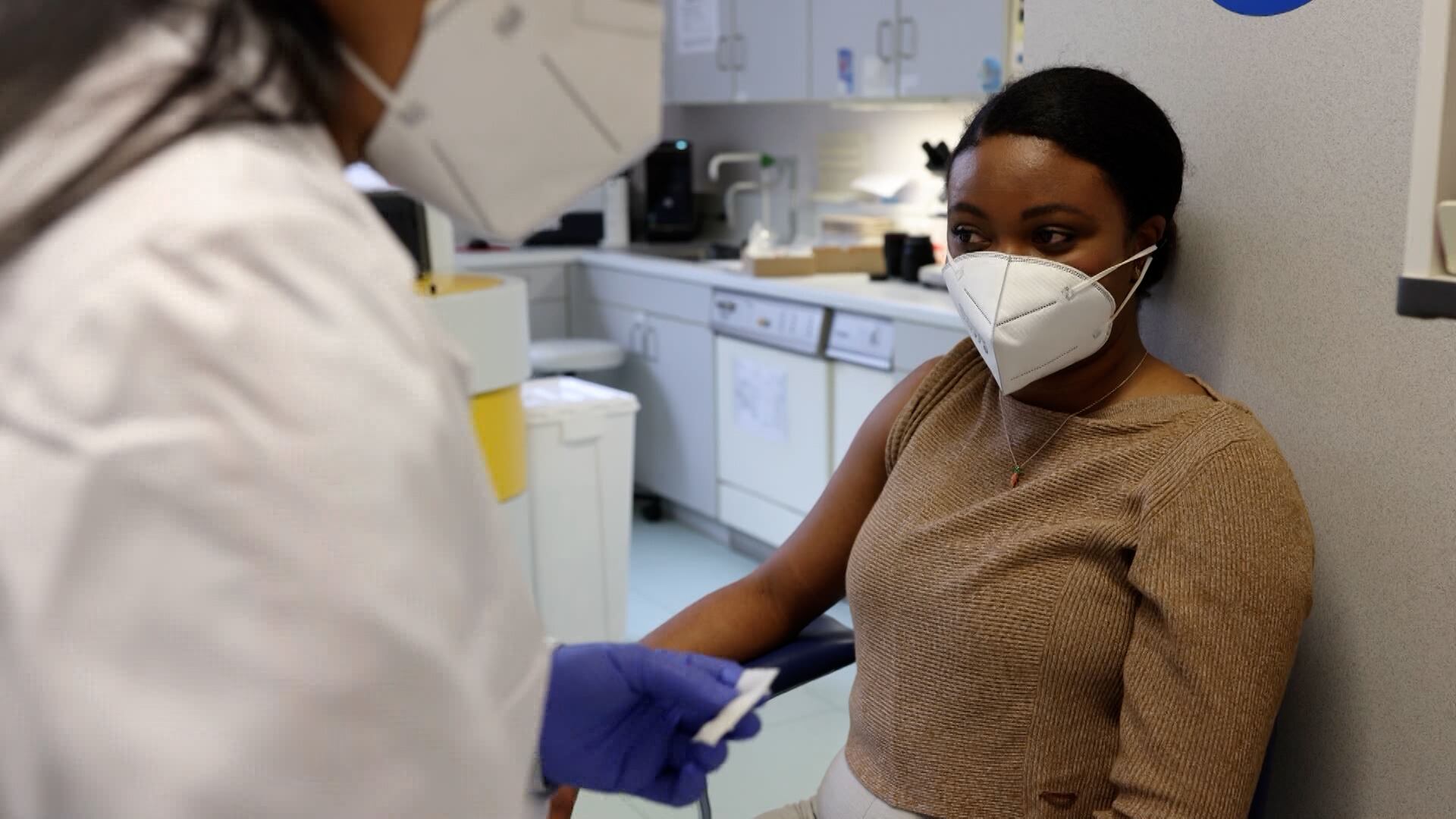
An recently conducted AP-NORC poll found that majorities of the Black and Hispanic populations in the U.S. still find themselves either somewhat worried or extremely worried over the pandemic, while more than half of white Americans responded with either being not too worried or not worried at all. Dr. Chris Pernell, the chief strategic integration and health equity officer at University Hospital, joined Cheddar News to talk about how perceptions of COVID-19 differ between groups of Americans. "We’re still seeing people get infected, and because of the toll of the disproportionate impact, we have concerns among the Black and brown community about whether or not they have an increased risk of exposure because of where they work, because of the use of public transportation, because they live in homes that they may not be able to safely quarantine and or isolate in, and because they have at baseline chronic health conditions that may make coronavirus more severe in those persons," she said.
Judith Enck, a former regional administrator for the EPA and the president of Beyond Plastics, joined Cheddar News to talk about the role of plastics in the climate crisis and California's investigation of ExxonMobil and other oil companies for misleading the public on the ability to recycle plastics. "The reason why petrochemical companies like Exxon have gotten away with selling more and more plastic is that they've lied to the public and told us don't worry about all those negative upstream impacts and downstream impacts of plastics. Just be sure to recycle it. Well, guess what? Plastics largely are not recycled," Enck said.
Catching you up on what you need to know on April 29, 2022, with President Biden asking Congress for a $33 billion aid package for Ukraine, a shrinking GDP potentially leading to a recession, Beijing banning weddings and funerals while closings schools amid COVID, and more.
Virtual care and digital medicine provider Biofourmis recently raised $300 million in a Series D round led by General Atlantic and with participation from CVS Health. Biofourmis offers at-home care and digital therapies backed by artificial intelligence, which can remotely monitor patients while they are at home. The company says it hopes its technology can improve patient outcomes while reducing the cost and burden of care. Kuldeep Signh Rajput, Founder and CEO of Biofourmis, joins Cheddar News' Closing Bell to discuss.
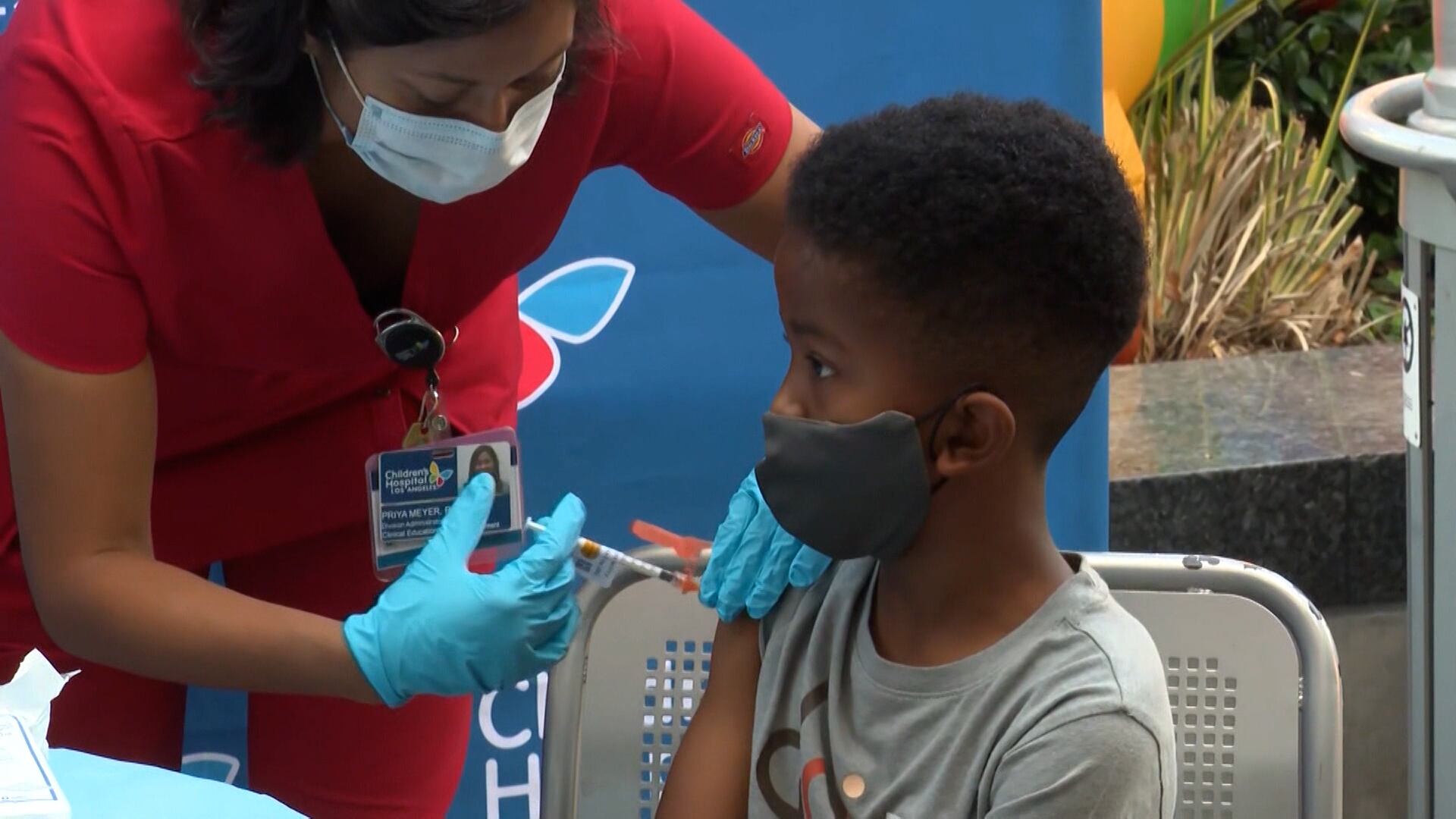
Moderna is asking the FDA to consider emergency use authorization for its COVID vaccine to be used with children under 6 years old. Dr. Christina Johns, a senior medical advisor at PM Pediatrics, joined Cheddar News to talk about the pharmaceutical company's research into the safety and efficacy of the vaccine for the very youngest of children. "This is very exciting news because children met that goal in their neutralizing antibody response in this age group — means that we really can extrapolate a lot from what we know about data in adults," she said. "I will say that there's a caveat that we have not seen yet the full dataset released, so I'm waiting for that and my fingers are crossed for next week."
Mental health platform Real recently raised $37 million in a Series B round led by Owl Ventures. Through its mobile app, Real says it provides mental health care at a lower cost than traditional therapy and aims to make mental wellness a part of everyone's daily routine. The company also announced that U.S. soccer star Megan Rapinoe will serve as an adviser to the company. Ariela Safira, Founder & CEO of Real, joins Cheddar News' Closing Bell to discuss.
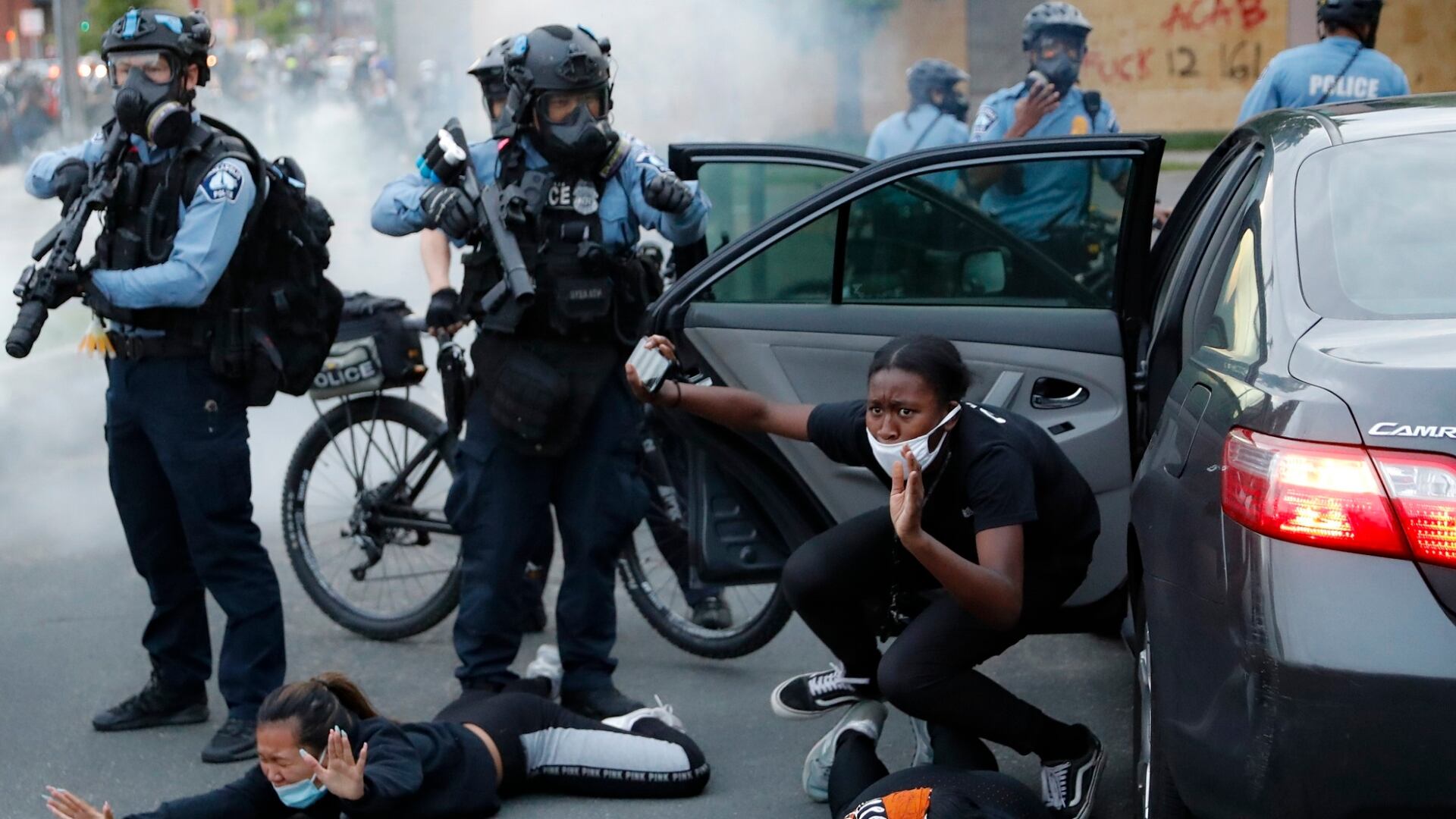
Catching you up on what you need to know on April 28, 2022, with Elon Musk mocking Twitter's top legal exec Vijaya Gadde on the platform itself, a probe in George Floyd's death finding discrimination within the Minneapolis police force, the latest California drought leading to new water restrictions, and more.