The U.S. Department of Health and Human Services has released a plan to overhaul the nation's organ transplant system, which has long been plagued by sometimes lethal delays and IT failures.
The plan will open the Organ Procurement and Transplantation Network (OPTN) to competitive bidding, with the goal of upgrading the system to meet industry-leading standards designed to improve data-tracking and how organs are matched with patients.
“Every day, patients and families across the United States rely on the Organ Procurement and Transplantation Network to save the lives of their loved ones who experience organ failure,” said Carole Johnson, HRSA Administrator, in a news release.
The overhaul follows a series of reports from the National Academies of Sciences, Engineering, and Medicine and the White House's U.S. Digital Service that showed widespread failures in the system.
“At HRSA, our stewardship and oversight of this vital work is a top priority," Johnson said. "That is why we are taking action to both bring greater transparency to the system and to reform and modernize the OPTN. The individuals and families that depend on this life-saving work deserve no less.”
The three nations alleged Thursday that hacking group APT29, also known as Cozy Bear and believed to be part of the Russian intelligence service, is attacking academic and pharmaceutical coronavirus research institutions involved in vaccine development.
Advertising agencies are expressing concerns about the potential for TikTok to share user data with its Chinese parent company, ByteDance — something the social media platform flatly denies is happening.
The number of laid-off workers seeking unemployment benefits remained stuck at 1.3 million last week, an historically high level that indicates many companies are still cutting jobs as the viral outbreak intensifies.
Secretary of State Mike Pompeo says the U.S. is imposing travel bans on employees of the Chinese technology giant Huawei and other companies the U.S. determines are assisting authoritarian governments in cracking down on human rights.
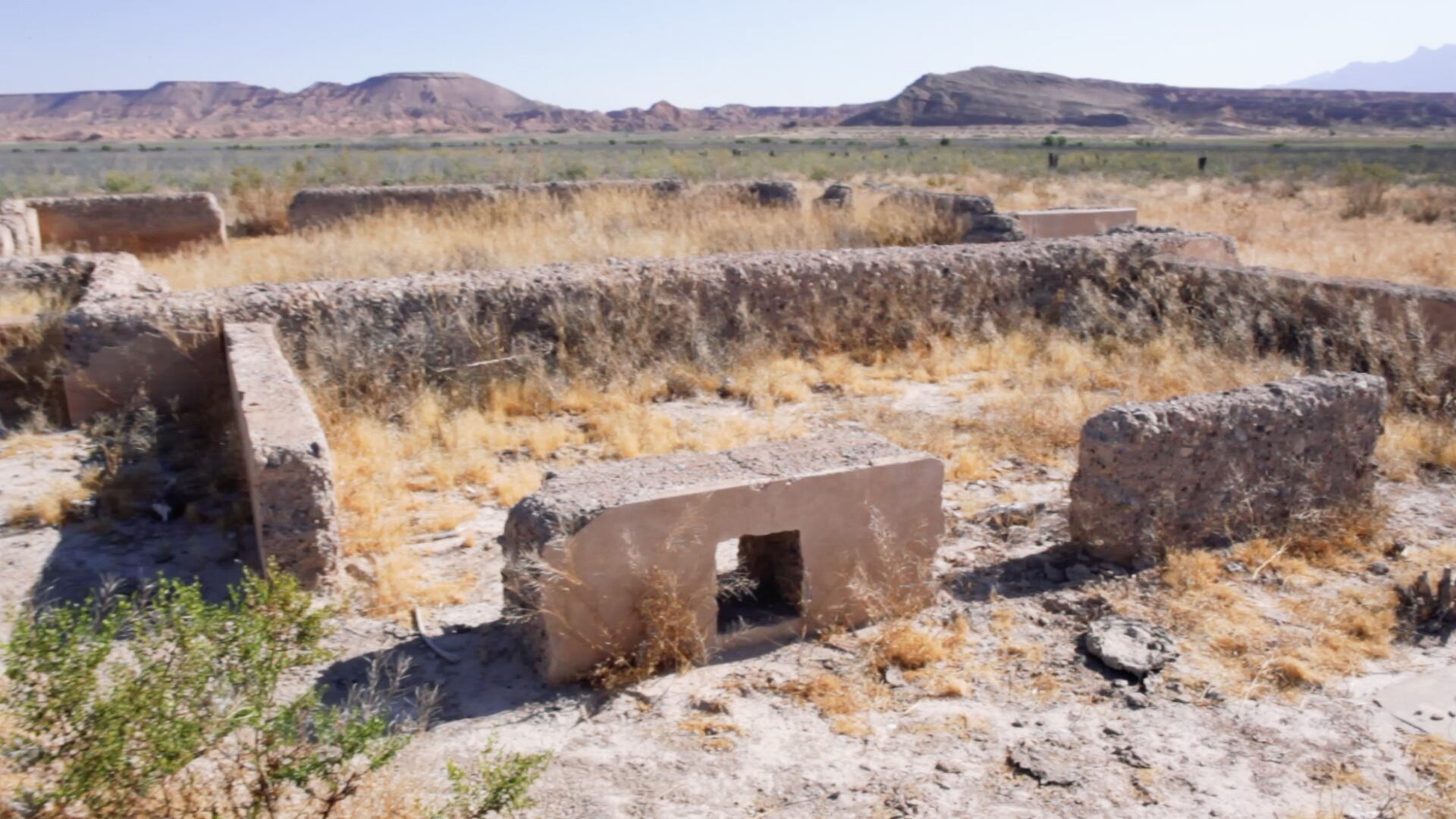
Millions of people thrive in the American West’s deserts today, but not every is thriving. You’ve probably heard of droughts and wildfires in California, of groundwater drying up in Arizona, and of entire communities, like those on the Navajo Nation, that have been left without running water. The region is finally coming to terms with decades of infrastructure projects, coupled with using more water than nature can provide, as the threat of climate change moves in. Cheddar explains why the American West is running out of water.
Hope is set to reach Mars in February 2021, the year the UAE celebrates 50 years since its formation. Two other Mars missions are planned in coming days by the U.S. and China.
Geoff Cook, CEO of The Meet Group talks dating during the coronavirus pandemic. The company has rolled out new features on it's apps to enhance the dating experience.
Jared Spataro, corporate vice president of Microsoft 365, talked to Cheddar about the tech giant's new virtual reality and A.I. voice assistance features in its Teams product.
More than a decade after the term was coined by columnist Thomas Friedman in the New York Times, there is a Green New Deal proposal in Congress. Rep. Alexandria Ocasio-Cortez (D-NY) and Sen. Ed Markey (D-MA) have proposed a formal resolution that would frame climate change, economic sustainability and social justice together under a unifying theme, calling for a Depression-era national mobilization similar to FDR's New Deal, and serving as a litmus test for Democratic presidential candidates going forward.
Dave Hickey, president of diagnostics at BD Veritor, talked to Cheddar about Becton Dickinson's newly approved testing product and the need for widespread availability.