The U.S. Department of Health and Human Services has released a plan to overhaul the nation's organ transplant system, which has long been plagued by sometimes lethal delays and IT failures.
The plan will open the Organ Procurement and Transplantation Network (OPTN) to competitive bidding, with the goal of upgrading the system to meet industry-leading standards designed to improve data-tracking and how organs are matched with patients.
“Every day, patients and families across the United States rely on the Organ Procurement and Transplantation Network to save the lives of their loved ones who experience organ failure,” said Carole Johnson, HRSA Administrator, in a news release.
The overhaul follows a series of reports from the National Academies of Sciences, Engineering, and Medicine and the White House's U.S. Digital Service that showed widespread failures in the system.
“At HRSA, our stewardship and oversight of this vital work is a top priority," Johnson said. "That is why we are taking action to both bring greater transparency to the system and to reform and modernize the OPTN. The individuals and families that depend on this life-saving work deserve no less.”
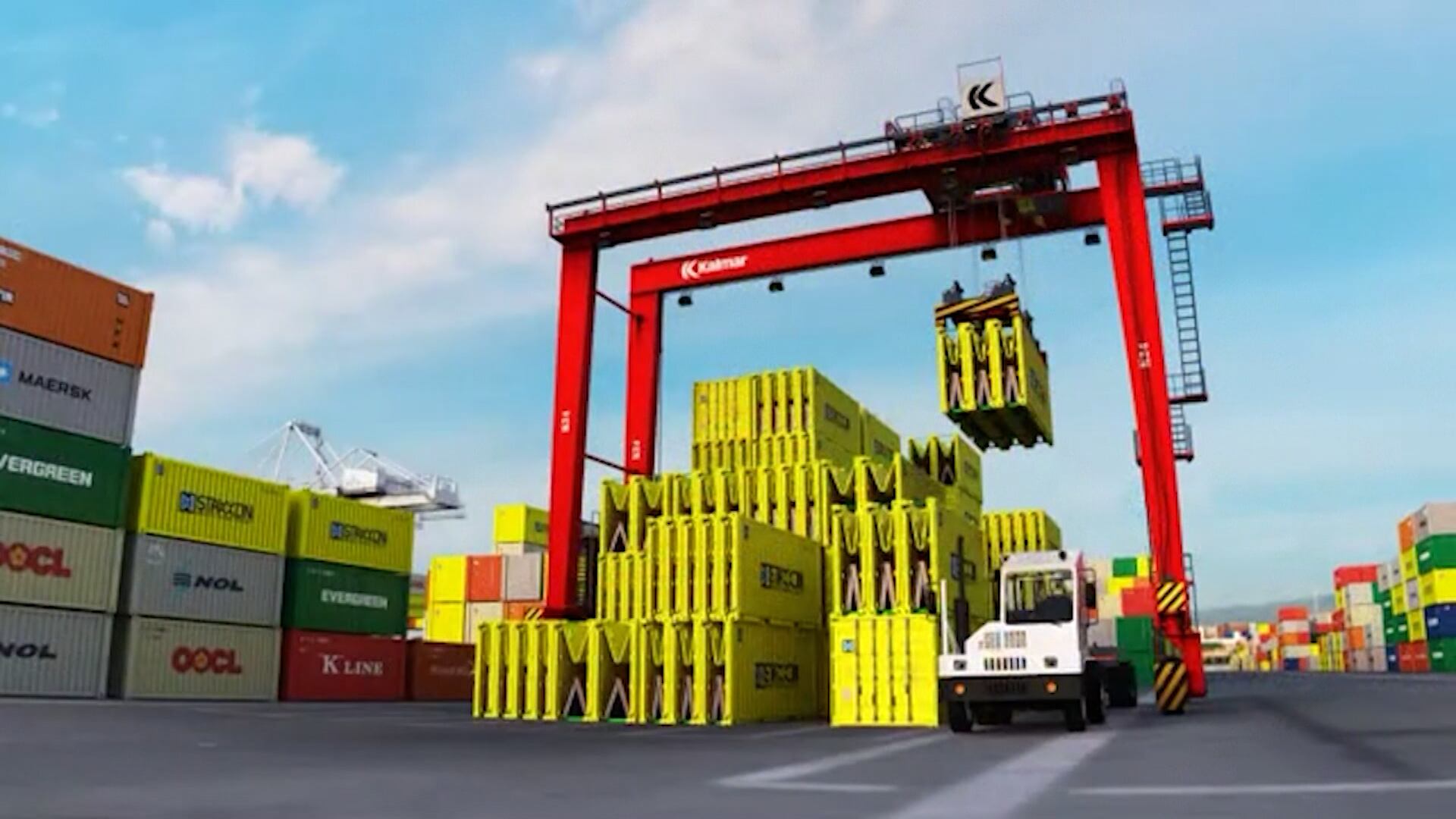
You've probably seen a traditional shipping container, but did you know that thousands of them sit empty at ports around the world and make supply chain issues worse? Staxxon says it has a solution: a foldable shipping crate that can be stacked with several others in order to save space, time, money, and even carbon emissions. George Kochanowski, CEO and CTO of Staxxon, joins Closing Bell to discuss its foldable containers, how the containers work with current shipping technology, and how they might save retailers money and space.
Stacey Rudser, president of the Association for Women in Aviation Maintenance, joins Cheddar News to talk about the lack of diversity in the aviation maintenance sector and what needs to change.
Intel CEO Patrick Gelsinger recently warned Congress that the U.S. 'must act now' to boost chip manufacturing domestically before it's too late. The chipmaking giant is working to ramp up its own domestic chip production with plans for a mega-site in Ohio as the global chip shortage only intensifies, hitting everything from smartphones to cars. Daniel Newman, a founding partner and principal analyst at Futurum Research, joined Cheddar's Opening Bell to discuss Intel's plans, Gelsinger's push for Congress to pass the CHIPS Act, and the potential political ramifications of boosting semiconductor manufacturing in parts of the United States.