The U.S. Department of Health and Human Services has released a plan to overhaul the nation's organ transplant system, which has long been plagued by sometimes lethal delays and IT failures.
The plan will open the Organ Procurement and Transplantation Network (OPTN) to competitive bidding, with the goal of upgrading the system to meet industry-leading standards designed to improve data-tracking and how organs are matched with patients.
“Every day, patients and families across the United States rely on the Organ Procurement and Transplantation Network to save the lives of their loved ones who experience organ failure,” said Carole Johnson, HRSA Administrator, in a news release.
The overhaul follows a series of reports from the National Academies of Sciences, Engineering, and Medicine and the White House's U.S. Digital Service that showed widespread failures in the system.
“At HRSA, our stewardship and oversight of this vital work is a top priority," Johnson said. "That is why we are taking action to both bring greater transparency to the system and to reform and modernize the OPTN. The individuals and families that depend on this life-saving work deserve no less.”
Removing carbon from our atmosphere has become a goal for scientists and entrepreneurs around the world, and while many have begun to develop promising technology solutions, a few big names in tech, including Stripe, Alphabet, Shopify, Meta and McKinsey, are committing nearly $1 billion dollars to fund carbon removal technology through 2030 through a new initiative called Frontier, an advanced market commitment to incentive following through on development. Hannah Bebbington, the head of strategy for Frontier, joined Cheddar News to discuss. "What Frontier aims to do is help get this market on track by sending that strong demand signal such that we can scale up capacity really significantly in the next couple of years," she said.
Jonah Goldman, the managing director at Bill Gates-founded Breakthrough Energy, joined Cheddar News to talk about the promising growth in the climate change-conscious investments the organization has made over the years. ”I mean when we're looking at some of the hard to abate technologies and cement and steel and aviation fuel, all of those have promising pathways that weren't there again just a few years ago," he said. "We invest across all of the technology areas that are driving emissions, greenhouse gas emissions and there really are exciting products and technologies coming out in almost every one of those sectors.”
Cheddar's J.D. Durkin caught up with the head of NASA Bill Nelson, a former senator, who feels one thing that seems less rancorous on Capitol Hill these days is the work of the space agency.
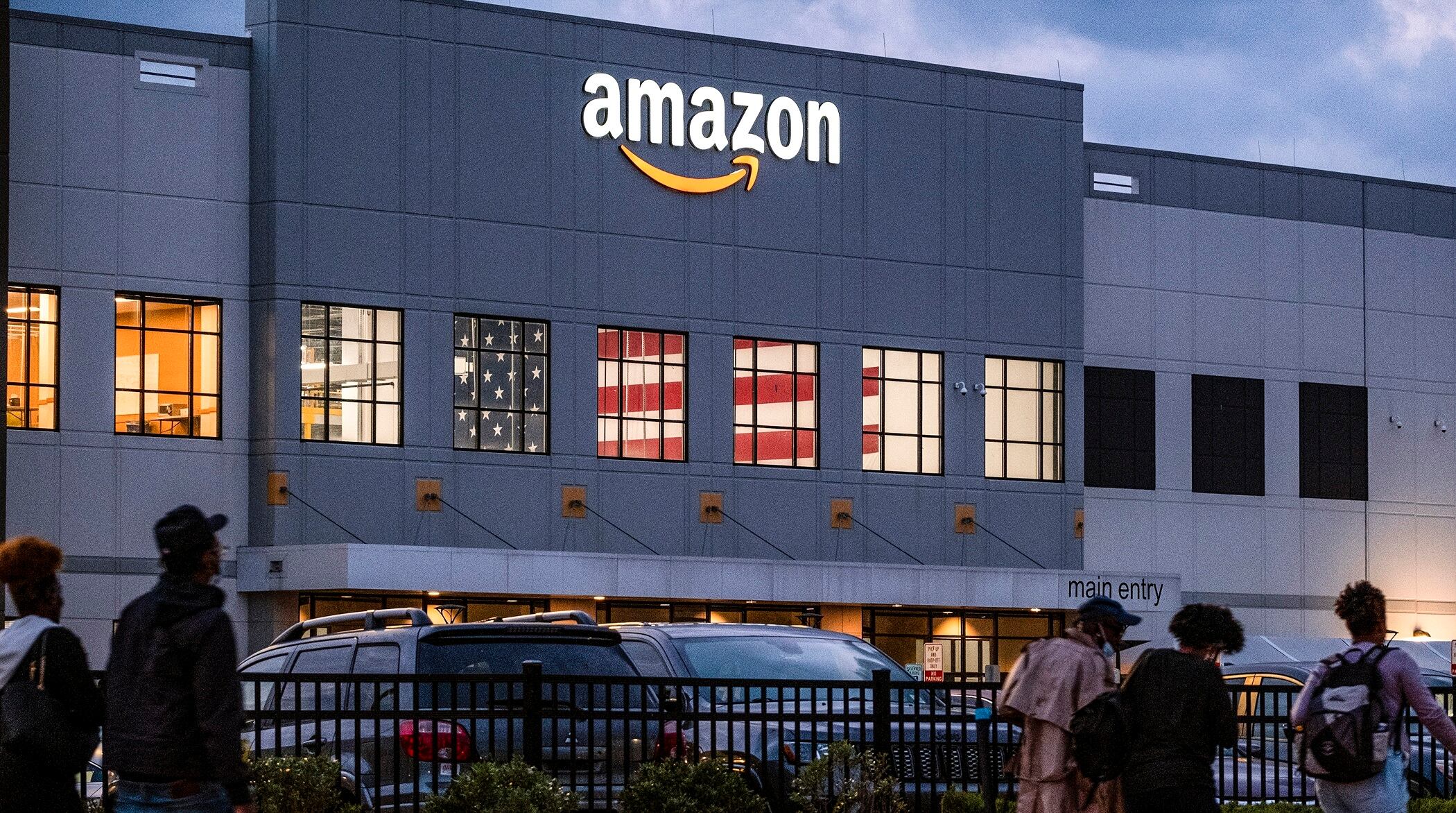
As the newly formed Amazon Labor Union gets ready to come to terms with the e-commerce giant, the issue of workplace safety and pace-of-work issues remains contentious and complex. Cheddar's Alex Vuocolo reports.
As musical numbers keep springing up on TikTok Cheddar's Michelle Castillo talks to the cast and crew behind "For You, Paige," the platform's first-ever commissioned musical play.
Catching you up on what you need to know on April 22, 2022, with updates on a new Ukraine aid package, a new missile test by Russia, DOJ announcement of $150 Million in COVID-related fraud, the Florida senate supports Gov. DeSantis in stripping Disney of its special tax district, and more.
Enterprise blockchain provider, BlockApps, recently raised $41 million in a new funding round led by Liberty City Ventures. BlockApps builds products and applications for other companies on its own blockchain platform called STRATO. The company says its blockchain technology can help businesses increase the value of their assets, streamline their supply chains, and help them meet their sustainability goals. Kieren James-Lubin, President & CEO of BlockApps, joins Cheddar News' Closing Bell to discuss.