*By Michael Teich*
Big-time media mergers have renewed a policy debate in Washington over how much corporate control in a few powerful hands is too much, said Axios tech reporter David McCabe.
By rejecting the Justice Department's antitrust argument against AT&T's $85 billion deal for Time Warner, a federal judge may have redefined the rules of competition in an age defined by broadband internet, streaming video, and a flood of new content. The government unsuccessfully argued that the combined companies would unfairly hurt video competitors. Instead, the judge's approval of the merger may pave the way for AT&T to better defend against new content players such as Facebook, Google, and Netflix.
"Over time we may see an internet experience controlled by a shrinking number of companies," McCabe said Wednesday in an interview with Cheddar.
AT&T's acquisition of Time Warner is expected to lead to an increase in media mergers and acquisitions. McCabe said the deal is the "green light," especially for vertical deals combining companies that are not direct competitors.
"It’s an extra jolt of confidence to executives who are looking to make a deal in this space without the regulatory friction," McCabe said.
For the full interview, [click here](https://cheddar.com/videos/at-and-t-deal-raises-worries-of-internet-oligarchy-2).
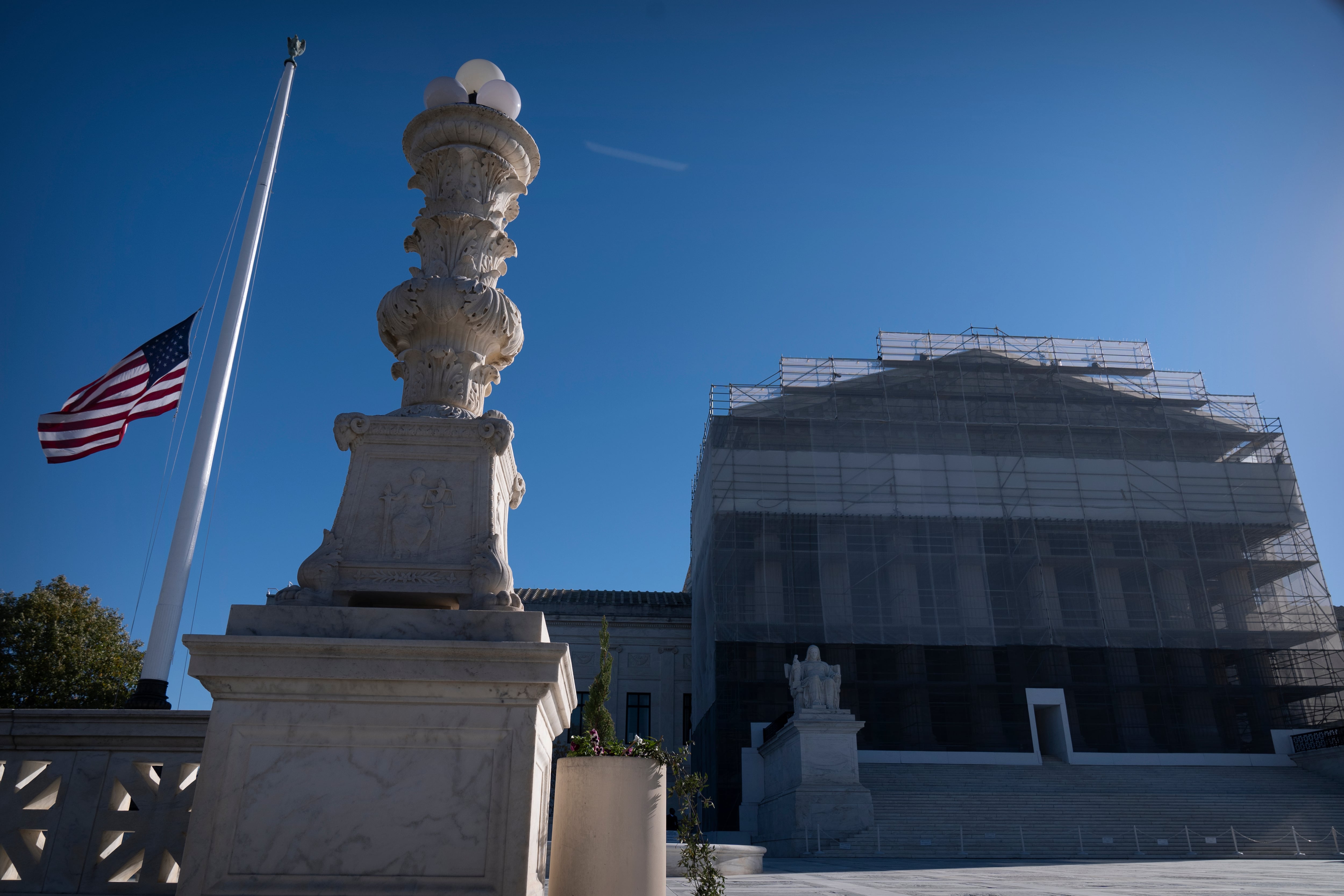
Arguments at the Supreme Court have concluded for the day as the justices consider President Donald Trump's sweeping unilateral tariffs in a trillion-dollar test of executive power.
AI is reshaping investigations. Longeye CEO Guillaume Delepine shares how their AI workspace empowers law enforcement to uncover insights faster and smarter.
Stephen Kates, Financial Analyst at Bankrate, joins to discuss the Fed’s 25-basis-point rate cut, inflation risks, and what it all means for consumers and marke
Big tech earnings take center stage as investors digest results from Alphabet, Meta, Microsoft, Amazon, and Apple, with insights from Gil Luria of D.A. Davidson
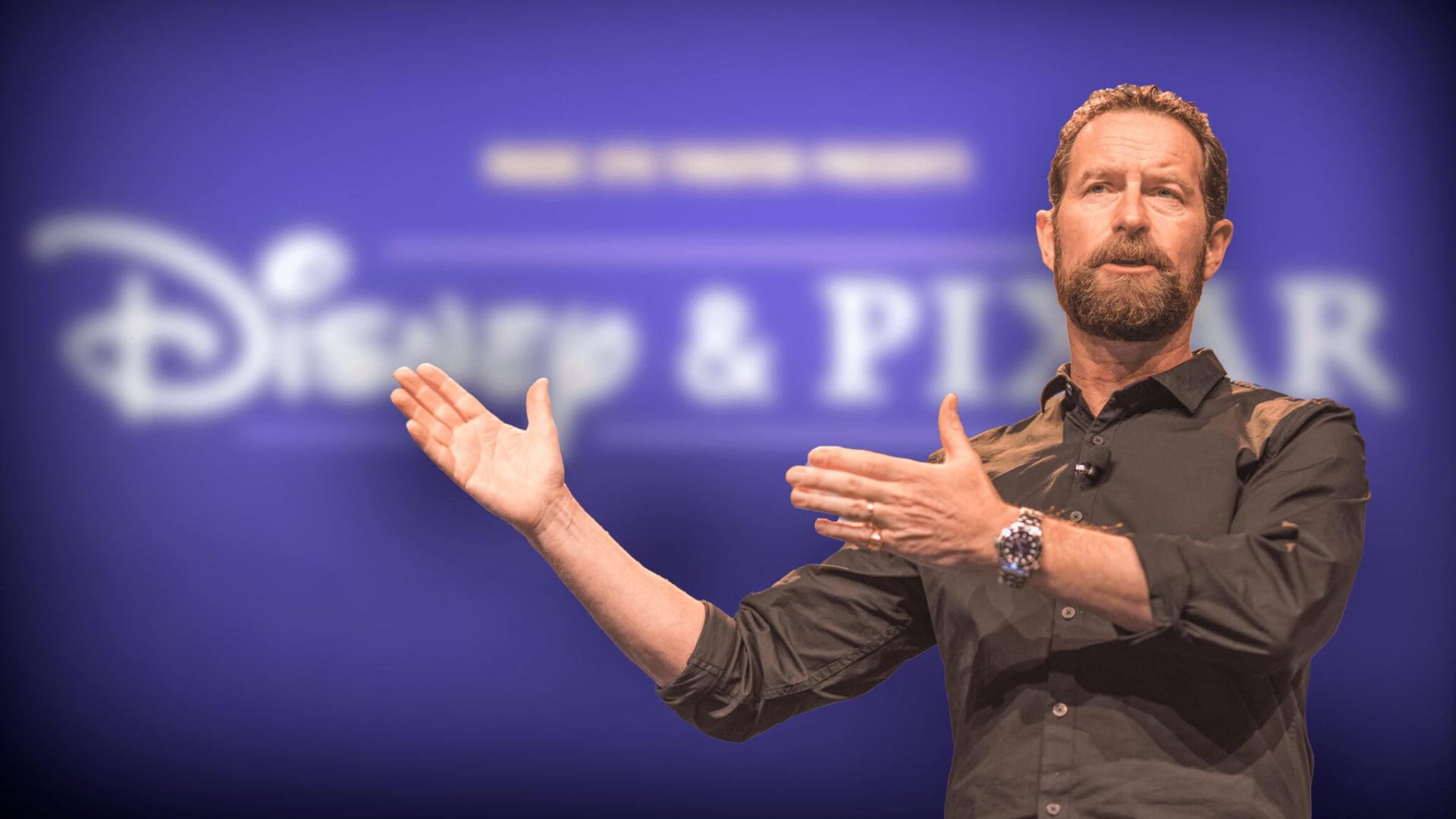
Disney content has gone dark on YouTube TV, leaving subscribers of the Google-owned live streaming platform without access to major networks like ESPN and ABC. That’s because the companies have failed to reach a new licensing deal to keep Disney channels on YouTube TV. Depending on how long it lasts, the dispute could particularly impact coverage of U.S. college football matchups over the weekend — on top of other news and entertainment disruptions that have already arrived. In the meantime, YouTube TV subscribers who want to watch Disney channels could have little choice other than turning to the company’s own platforms, which come with their own price tags.