*By Michael Teich*
Big-time media mergers have renewed a policy debate in Washington over how much corporate control in a few powerful hands is too much, said Axios tech reporter David McCabe.
By rejecting the Justice Department's antitrust argument against AT&T's $85 billion deal for Time Warner, a federal judge may have redefined the rules of competition in an age defined by broadband internet, streaming video, and a flood of new content. The government unsuccessfully argued that the combined companies would unfairly hurt video competitors. Instead, the judge's approval of the merger may pave the way for AT&T to better defend against new content players such as Facebook, Google, and Netflix.
"Over time we may see an internet experience controlled by a shrinking number of companies," McCabe said Wednesday in an interview with Cheddar.
AT&T's acquisition of Time Warner is expected to lead to an increase in media mergers and acquisitions. McCabe said the deal is the "green light," especially for vertical deals combining companies that are not direct competitors.
"It’s an extra jolt of confidence to executives who are looking to make a deal in this space without the regulatory friction," McCabe said.
For the full interview, [click here](https://cheddar.com/videos/at-and-t-deal-raises-worries-of-internet-oligarchy-2).
As commercial options tighten, more travelers are turning to private aviation. Wheels Up CEO George Mattson breaks down capacity and demand challenges.
Layoffs, hiring slowdowns, and shifting skill demands dominate this year’s job talk. LinkedIn’s Kory Kantenga explains what workers should watch for next.
Retailers face tariffs and cost challenges this holiday season. Wells Fargo's Lauren Murphy shares insights on pricing, promotions, and shopping trends.
Dateability, founded by sisters Jacqueline and Alexa Child, is the only dating app for disabled and chronically ill communities, fostering love without limits.
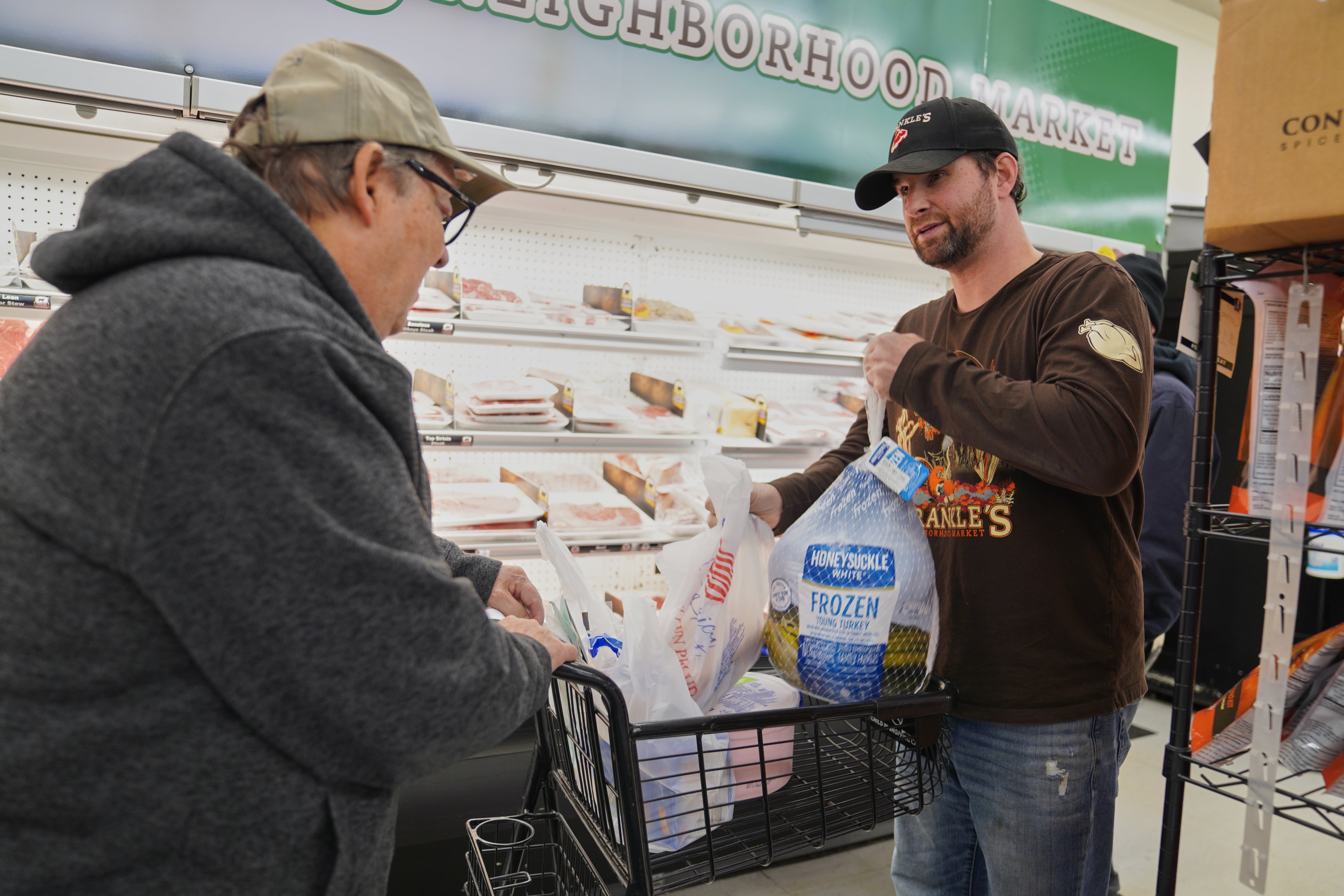
Some small grocery stores and neighborhood convenience stores are eager for the U.S. government shutdown to end and for their customers to start receiving federal food aid again. Late last month, the Trump administration froze funding for the SNAP benefits that about 42 million Americans use to buy groceries. The U.S. Department of Agriculture says about 74% of the assistance was spent last year at superstores like Walmart and supermarkets like Kroger. Around 14% went to smaller stores that are more accessible to SNAP beneficiaries. A former director of the United Nations World Food Program says SNAP is not only a social safety net for families but a local economic engine that supports neighborhood businesses.
Andy Baehr, Head of Product at CoinDesk Indices, breaks down crypto’s Black Friday crash, Bitcoin dipping under $100K, and what’s driving the market rout.